
7 Key Factors That Influence How Much Solar Leads Do Cost
You’ll pay different prices for solar leads based on seven key factors: the lead source, geographic location, timing, and seasonality all shape costs.
Lead quality and verification influence pricing by improving your chances of conversion but may raise upfront expenses.
Whether leads come from paid or organic sources affects cost and engagement.
Buying in bulk can lower your price but might impact lead quality.
Exclusivity also drives prices higher due to unique opportunities.
Exploring these factors can help you make smarter choices when investing in solar leads.
Understanding what affects solar lead costs lets you get better value and more reliable prospects.
Key Takeaways
– Lead source type, such as paid ads or referrals, significantly affects the cost and quality of solar leads.
Different sources come with their own pros and cons, so it’s important to choose wisely.
– Geographic location impacts pricing due to regional demand, local incentives, and market competition.
Where you’re targeting can really change the game when it comes to lead costs.
– Lead quality and verification, including homeowner status and energy data, increase lead price but improve conversion rates.
Higher quality leads might cost more upfront, but they’re often worth it.
– Bulk purchasing lowers cost per lead but may reduce average lead quality, affecting overall ROI.
Buying in bulk can save money, but watch out for dips in lead quality.
– Exclusive leads cost more but offer better conversion potential by limiting competition and minimizing wasted outreach.
If you want less competition and better chances to close, exclusive leads are a smart bet.
What Solar Leads Are and Why Their Cost Varies
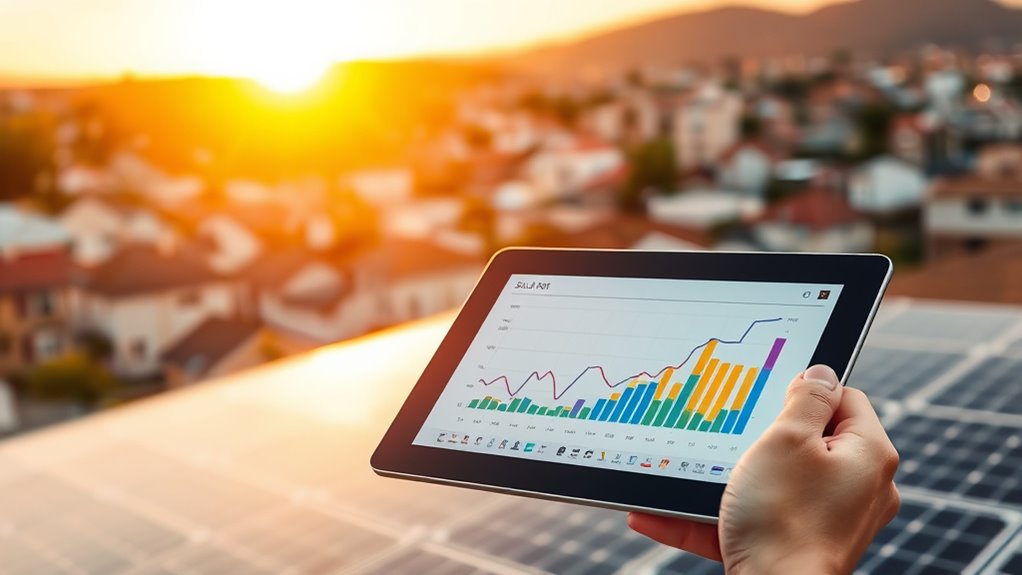
Although you might already have a general idea, solar leads are potential customers who’ve shown interest in solar products or services. You’ll find that the cost of these leads varies because of several factors.
For example, the source of the lead—whether it’s from online ads, referrals, or events—affects its price. Geographic location also plays a role; leads from areas with higher demand or incentives for solar energy often cost more.
Additionally, the timing matters; leads generated during peak seasons can be pricier due to increased competition. You should also consider how much information the lead provides upfront, as more detailed leads typically cost more.
Understanding these elements helps you anticipate costs and choose the best approach for generating valuable solar leads.
How Lead Quality Influences Solar Lead Costs

You’ll notice that leads with stricter qualification criteria tend to cost more upfront. That’s because higher-quality leads usually convert at better rates, saving you money in the long run.
Understanding how lead quality affects costs helps you make smarter choices for your solar business. It’s all about getting the best bang for your buck.
Lead Qualification Criteria
Since lead quality directly impacts your chances of closing a sale, the criteria used to qualify solar leads play a crucial role in determining their cost. When you set clear qualification standards, you guarantee you’re paying for leads that match your ideal customer profile.
Usually, this costs more but yields better results. Consider these four key criteria:
- Homeownership Status – Qualified leads typically own their homes, increasing the likelihood of installation approval.
- Roof Suitability – Leads with roofs suitable for solar panels reduce wasted efforts.
- Energy Usage Patterns – High energy consumption often signals better potential savings and interest.
- Financial Readiness – Leads prepared for investment or financing options lower the risk of drop-offs.
Impact on Conversion Rates
How much impact does lead quality have on your conversion rates? It plays a crucial role. When you receive high-quality leads—those genuinely interested in solar solutions and ready to take the next step—you’ll see your conversion rates rise considerably.
These leads respond better to your sales efforts, reducing the time and resources you spend nurturing them. On the other hand, low-quality leads often result in dead ends, wasting your team’s energy and inflating costs.
Cost Variability by Quality
Although lead quality directly impacts your conversion success, it also plays a major role in determining how much you’ll pay for each solar lead. Higher-quality leads often cost more upfront but save you money in the long run by increasing sales efficiency.
Here’s how lead quality influences cost variability:
- Accuracy of Information – Leads with verified contact details and energy usage data cost more but reduce wasted outreach.
- Buyer Intent – Leads actively seeking solar solutions command higher prices due to their readiness to convert.
- Exclusivity – Exclusive leads cost more than shared ones, offering better chances at closing.
- Geographic Relevance – Leads from areas with higher solar adoption rates tend to be pricier but more valuable.
Understanding these can help you balance cost against quality for better ROI. It’s all about finding that sweet spot where you get the best value without overspending.
Why Paid vs. Organic Lead Sources Affect Solar Lead Costs
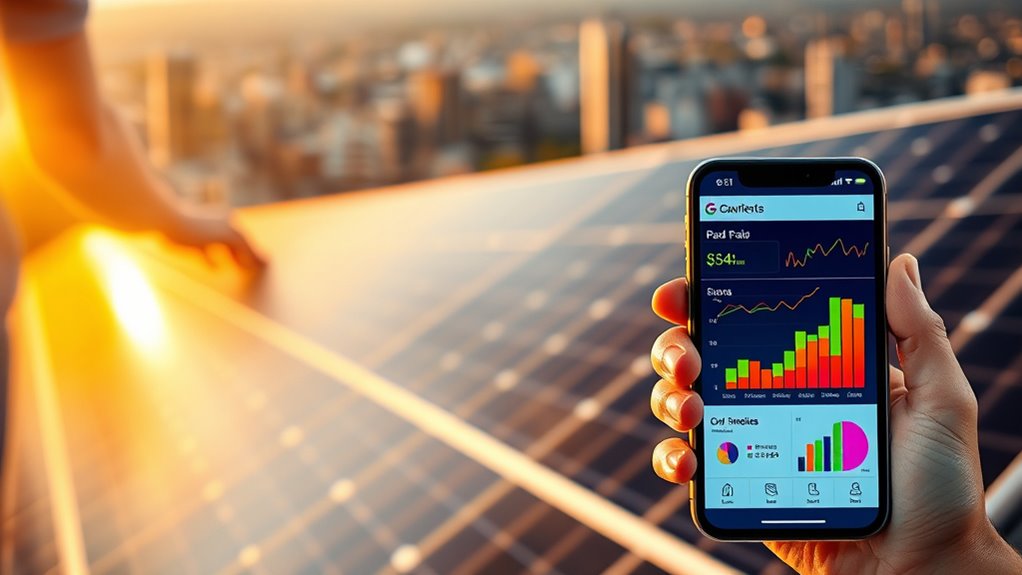
When you choose between paid and organic lead sources, you directly impact your solar lead costs. Paid leads typically cost more because you’re buying immediate access to potential customers, often through ads or lead generation services.
These leads can deliver faster results but come at a premium. On the other hand, organic leads stem from your website, content marketing, or social media, requiring time and effort to build but costing considerably less per lead.
Since organic leads are earned rather than bought, they often indicate higher engagement and trust, which can improve conversion rates. Balancing paid and organic strategies helps control costs while maintaining a steady flow of quality leads.
Understanding this difference lets you allocate your budget wisely and optimize your solar marketing efforts. It’s all about finding the right mix that works for your business.
How Location Affects Solar Lead Prices
Choosing between paid and organic lead sources is just one part of managing your solar lead costs. Where you target leads plays a huge role in pricing.
Here’s why location matters:
- Regional Incentives – Areas with strong solar incentives attract more customers, which drives up lead competition and costs.
- Local Competition – More solar companies in a region mean higher lead prices because of bidding wars.
- Population Density – Urban areas offer a bigger pool but often come at a premium price compared to rural zones.
- State Regulations – Some states have stricter laws affecting solar installations. This can limit lead availability or increase costs.
Understanding these factors helps you budget smartly. It also lets you target leads where you get the best value for your investment.
How Market Demand and Seasonality Affect Solar Lead Costs
Because solar energy interest fluctuates throughout the year, market demand and seasonality play a big role in how much solar leads cost. When demand spikes—often during sunnier months or when energy prices rise—more people actively seek solar solutions. This increased competition pushes lead prices up.
Conversely, in low-demand periods, like winter or rainy seasons, fewer potential customers are searching, which typically lowers lead costs. You’ll also notice that promotions, government incentives, or energy policy changes can temporarily boost demand, causing lead prices to rise.
Understanding these patterns helps you time your lead purchases strategically, ensuring you get the best value. By aligning your campaigns with high-interest periods while anticipating off-peak drops, you can manage costs more effectively and maximize your solar lead investments.
How Solar Lead Volume Affects Your Spending
When you buy solar leads in larger volumes, you often get better pricing through bulk discounts. However, increasing lead volume can sometimes affect the quality you receive, so balancing quantity and quality is key.
Understanding these trends helps you manage your spending more effectively. It’s all about finding the right mix that works for your business.
Lead Volume Pricing Trends
Understanding how lead volume impacts your costs can help you make smarter budget decisions. As you increase the number of solar leads you purchase, pricing trends typically shift in predictable ways.
Here’s what you should keep in mind:
- Higher Volume Often Means Lower Cost Per Lead – Buying more leads usually reduces the price for each.
- Demand Fluctuations Affect Pricing – Seasonal or market demand changes can cause lead prices to rise or fall.
- Lead Quality Consistency – Larger volumes might include a wider range of lead quality, influencing overall value.
- Supplier Pricing Models Vary – Different providers have unique pricing structures that react differently to volume changes.
Bulk Lead Discounts
How much can you save by buying solar leads in bulk? When you purchase a large volume of leads at once, providers often offer significant discounts. This happens because selling in bulk reduces their administrative work and marketing costs per lead, savings they pass on to you.
By committing to higher quantities, you can lower your cost per lead substantially compared to buying smaller batches. Plus, bulk discounts give you more predictable budgeting for your marketing spend.
Keep in mind, these savings can free up resources to invest in other areas of your sales process. So, if you plan to scale your solar business, buying leads in bulk is a smart way to stretch your marketing dollars while maintaining a steady flow of prospects.
Impact On Lead Quality
Why does the volume of solar leads you buy affect their quality and your overall spending? When you purchase leads in large quantities, the quality can vary considerably. This impacts your return on investment.
Here’s how volume influences what you get and spend:
- Higher Volume, Lower Individual Quality – Bulk leads often include less-qualified prospects. This reduces your conversion rates.
- More Leads, More Follow-Up Costs – Managing many leads means higher labor and communication expenses.
- Quality Control Becomes Harder – It’s tough to keep lead validity consistent when you scale up.
- Balance Between Quantity and Quality – Finding the right volume is key. You don’t want to overspend on low-quality leads or miss out by buying too few.
Understanding these factors helps you optimize your lead buying strategy. It also helps you control costs more effectively.
Why Lead Exclusivity Raises Solar Lead Costs
Because lead exclusivity guarantees that each solar lead is sold to only one buyer, the cost naturally rises. When you pay for exclusive leads, you’re getting a unique opportunity without competition, which increases their value.
Sellers charge more because they can’t resell the lead multiple times, so they need to cover costs and still make a profit. You also benefit from higher conversion rates since you’re the only one contacting the prospect, reducing the chance they’ve already been pitched by competitors.
This exclusivity means you’ll likely close more deals, justifying the higher price. So, while exclusive leads cost more upfront, they often deliver better results and save you time chasing prospects who might already be spoken for.
It’s an investment in quality and reduced competition.
Frequently Asked Questions
How Do Solar Lead Generation Companies Verify Lead Authenticity?
You verify solar lead authenticity by cross-checking contact info, using automated tools, and confirming interest through follow-up calls or emails.
It’s also a good idea to analyze engagement patterns. This helps you filter out fake or low-quality leads effectively.
What Are Common Mistakes When Purchasing Solar Leads?
You often buy solar leads without verifying quality, coincidentally wasting money on unqualified prospects.
Don’t skip researching suppliers, neglect follow-up strategies, or ignore lead source transparency—these common mistakes will cost you time and reduce your conversion success.
How Does Solar Technology Type Impact Lead Costs?
Different solar technology types attract varying customer interest, so you’ll see lead costs shift accordingly. Advanced or less common tech might cost more because fewer leads exist, while popular options usually bring more affordable lead prices.
It’s kind of like supply and demand. When a technology is new or niche, there aren’t as many people looking for it, so leads tend to be pricier. On the flip side, the more popular the option, the easier it is to find leads, which usually drives costs down.
Can Solar Lead Costs Be Negotiated With Vendors?
Yes, you can negotiate solar lead costs with vendors. Vendors often expect some negotiation, so don’t hesitate to discuss pricing, volume discounts, or contract terms.
It’s all about getting a deal that fits your budget and business goals. So, go ahead and have that conversation!
What Role Does Customer Credit Score Play in Lead Pricing?
Your credit score affects lead pricing because higher scores indicate better financing potential, making leads more valuable. Vendors often charge more for leads with strong credit, knowing those customers are likelier to convert and secure solar financing.
It makes sense, right? If someone has a solid credit score, they’re a safer bet. So, companies are willing to invest more to get those leads.
Conclusion
You might think paying more guarantees better solar leads, but that’s not always true. While high-quality, exclusive leads often cost more, your success depends on how well you manage and nurture them.
Market demand, location, and lead volume all play roles too. So, don’t just chase price tags—focus on understanding these factors and optimizing your approach.
By paying attention to key factors that influence how much solar leads cost, you can make smarter decisions. It’s not just about spending more but getting the best value for your investment. When you balance cost with quality and strategy, your solar lead generation will improve, helping you close more deals and grow your business effectively.