Should I Install Solar Screens Over 366 Glass Window?
You should consider installing solar screens over your 366 glass windows because they boost energy efficiency by reducing heat, glare, and UV damage. These screens help preserve your windows’ clarity and insulation, making them a smart addition to your home.
Solar screens also enhance comfort by lowering cooling costs and protecting your interiors from fading.
That said, they might slightly dim natural light and affect outward views.
If you want to understand how these factors balance and pick the best screens for your needs, keep exploring the details. It’s all about finding what works best for you and your space!
Key Takeaways
- Installing solar screens over 366 glass enhances heat reduction and UV protection, which improves indoor comfort and energy efficiency.
- Solar screens can reduce glare and protect furniture. But keep in mind, they might slightly dim natural light and affect how clear your view is.
- To get the best energy savings and durability, make sure the screens fit properly and that you choose the right materials for your 366 glass windows.
- Darker screen colors absorb more heat, while lighter colors reflect it. This can influence how effective the cooling is and how bright your interior feels.
- Also, think about the installation process. It can be a bit tricky and might cost more, especially if you need custom-sized solar screens for your 366 glass windows.
Understanding 366 Glass Windows and Their Benefits
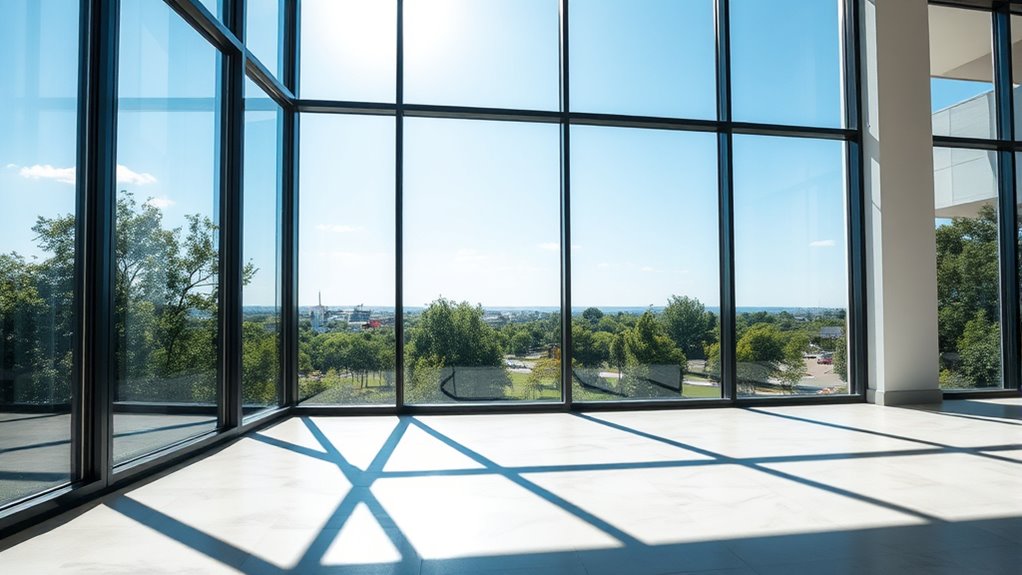
366 glass windows offer advanced solar control by reducing heat and glare while maintaining clear visibility. When you choose 366 glass, you’re opting for a window that balances natural light with energy efficiency.
This type of glass incorporates a special coating that reflects infrared rays, helping keep your space cooler without darkening your view. You’ll notice less fading on your furniture and flooring because harmful UV rays are minimized.
Plus, 366 glass supports better insulation, which means your heating and cooling systems won’t have to work as hard. If you want a window solution that enhances comfort and lowers energy bills while preserving the aesthetics of clear glass, 366 windows fit the bill perfectly.
Benefits of Installing Solar Screens on 366 Glass
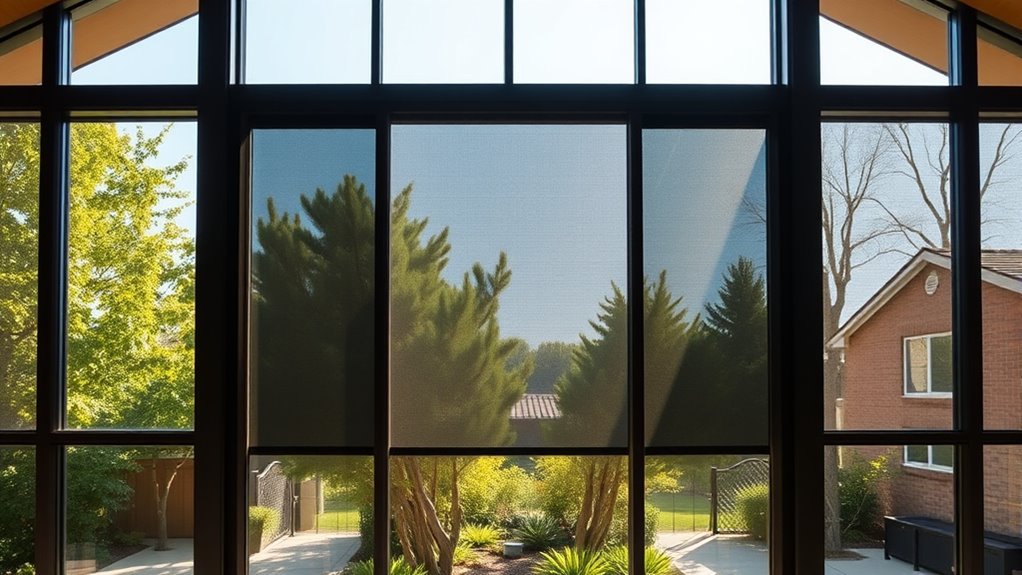
While 366 glass already offers excellent solar control, adding solar screens can further enhance your window’s performance. You’ll benefit from increased heat reduction, helping your space stay cooler and cutting down on energy bills.
Solar screens also reduce glare, making your rooms more comfortable and protecting your eyes from harsh sunlight. By blocking UV rays even more effectively, they help preserve your furniture, flooring, and artwork from fading.
Additionally, solar screens add an extra layer of privacy without sacrificing your view, so you feel secure without closing off natural light. They’re also a cost-effective way to improve your home’s energy efficiency and comfort, making them a smart upgrade to complement your 366 glass windows.
Drawbacks of Adding Solar Screens to 366 Glass
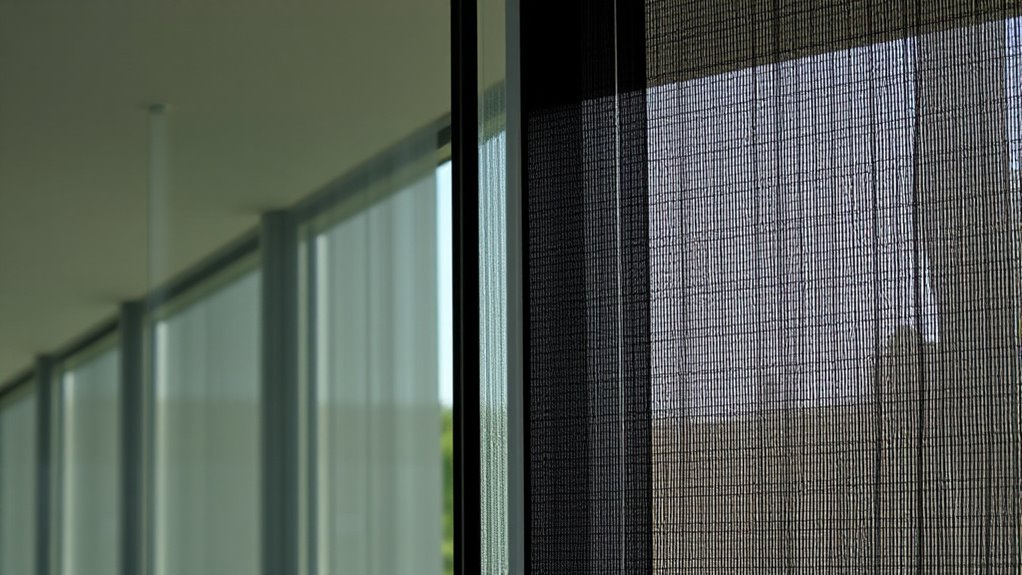
You might notice less natural light coming through your 366 glass once solar screens are installed. They can also affect how clearly you see outside, which might bother you if you value an unobstructed view.
Plus, installing these screens isn’t always straightforward and could require extra effort or professional help. It’s something to keep in mind before making a decision.
Reduced Natural Light
Because solar screens block a portion of sunlight, they naturally reduce the amount of natural light entering your space. This means your rooms might feel dimmer throughout the day, even when the weather is bright outside.
If you rely on natural light to brighten your interiors or reduce electricity use, solar screens could make you turn on artificial lights sooner. This change can affect the mood and ambiance, making spaces feel less open and inviting.
It’s especially important to evaluate this if your windows aren’t large or if your home faces north, where sunlight is already limited. Before installing solar screens, weigh the benefits of heat reduction against the trade-off of less daylight filtering through your 366 glass windows.
Potential Visibility Impact
How much will solar screens affect your view through 366 glass windows? While solar screens help reduce glare and heat, they can slightly alter your visibility. You’ll notice a subtle dimming and a mesh pattern that might interfere with crystal-clear views.
Consider these potential visibility impacts:
- Reduced Clarity: The screen’s mesh can blur fine details outside, especially at close range.
- Visual Obstruction: The grid pattern may distract your eyes, making it harder to focus on distant objects.
- Color Alteration: Colors might appear muted or less vibrant due to the screen filtering sunlight.
If maintaining an unobstructed, vivid view is your priority, weigh these factors carefully before installing solar screens on your 366 glass windows.
Installation Complexity
Although solar screens offer effective sun protection, installing them over 366 glass windows can present some challenges. You’ll find that 366 glass, designed for high performance and clarity, requires careful handling during installation to avoid damage.
The screens must fit precisely, or they might interfere with the glass’s unique properties, reducing efficiency. You may also face difficulty mounting the screens securely without compromising the window frame or seal.
Additionally, because 366 glass is often custom-sized, finding compatible solar screens that fit perfectly can be tricky. This might lead to extra measurements or custom orders.
If you’re not experienced, installation might take longer and require professional help, which could increase costs. So, it’s a good idea to weigh these factors carefully before deciding to add solar screens to your 366 glass windows.
How Solar Screens Affect Natural Light and Appearance on 366 Glass
When you install solar screens over 366 glass, you’ll notice changes in how much natural light comes through. The type of screen material you choose can also impact the window’s appearance from both inside and outside.
It’s important to weigh these factors to maintain the look and brightness you want. Taking a moment to consider your options can make a big difference in the end result.
Light Transmission Changes
Because solar screens filter sunlight before it reaches your 366 glass windows, you’ll notice a change in the amount and quality of natural light entering your space. This adjustment can improve comfort but also alter how your interiors feel.
Here’s what to expect:
- Reduced Glare: Solar screens cut down harsh sunlight, making your rooms easier on the eyes without completely darkening them.
- Softer Light: The filtered light creates a more even, diffused glow that can enhance ambiance and reduce sharp shadows.
- Lower Light Intensity: While some natural brightness dims, the trade-off is less heat and UV exposure. This helps protect your furnishings and can reduce cooling costs.
Understanding these changes helps you decide if solar screens fit your lighting preferences alongside your 366 glass benefits. It’s all about finding the right balance for your space.
Visual Impact Considerations
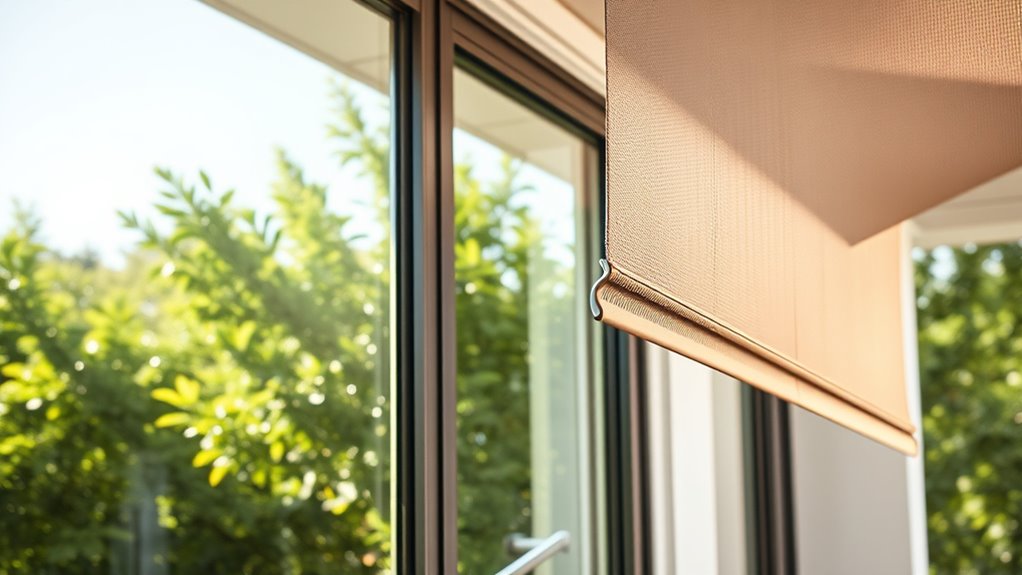
While solar screens enhance energy efficiency and comfort, they also change how your 366 glass windows look and how natural light interacts with your space. When you install solar screens, you’ll notice a subtle dimming effect, softening the brightness without completely blocking sunlight.
This can create a more comfortable, glare-free environment inside. Visually, the screens add a textured layer that slightly alters the window’s appearance from both inside and outside.
You might find your view outside becomes a bit muted or less sharp, but this trade-off often feels worth it for the added shade and privacy. Keep in mind, the final look depends on the screen’s color and weave density.
Screen Material Effects
The choice of screen material plays a significant role in how solar screens influence the natural light and appearance of your 366 glass windows. Different materials impact light transmission, heat reduction, and visibility in unique ways.
When selecting a screen, consider these three key effects:
- Light Diffusion – Materials like fiberglass soften sunlight, reducing glare without heavily darkening the room.
- Color Tinting – Darker or reflective materials can enhance privacy but might slightly dim interior brightness.
- Texture and Weave – Tighter weaves block more light and heat but limit outward visibility, while looser weaves preserve views but offer less solar protection.
How Solar Screens Improve Energy Efficiency and UV Protection
When you install solar screens over 366 glass windows, you boost your home’s energy efficiency by reducing heat gain and blocking harmful UV rays. These screens act as a barrier, preventing much of the sun’s heat from entering your home, which means your air conditioning system doesn’t have to work as hard.
This helps lower your energy bills and keeps your living space cooler during hot months. Plus, solar screens block up to 90% of ultraviolet rays, protecting your furniture, flooring, and artwork from fading or damage over time.
Choosing the Best Solar Screens for Your 366 Glass Windows
Since solar screens play a key role in enhancing energy efficiency and protecting your home, choosing the right type for your 366 glass windows matters a lot. You want screens that complement the unique properties of 366 glass to maximize benefits.
Consider these factors when selecting solar screens:
- Material and Weave: Opt for durable, UV-resistant fabrics with tight weaves to block heat effectively while maintaining visibility. This way, you keep the sun out without losing your view.
- Color: Darker screens absorb more solar energy, reducing glare and heat, but lighter colors can reflect heat and brighten interiors. It really depends on whether you want to focus on cooling or lighting.
- Fit and Installation: Custom-fit screens ensure full coverage and prevent gaps that let sunlight through, enhancing energy savings. Proper installation makes all the difference in performance.
Frequently Asked Questions
How Do Solar Screens Impact Window Cleaning and Maintenance?
Solar screens reduce how often you clean windows by blocking dust and debris. You’ll still clean the screens themselves, but overall, they protect your glass.
This means less maintenance is needed, and your windows stay clearer for longer. So, solar screens really help keep things looking good with less effort.
Can Solar Screens Be Installed on Curved or Custom-Shaped 366 Glass?
Think of your curved 366 glass as a river’s flow—solar screens can be tailored like flexible nets, fitting custom shapes perfectly.
You’ll get protection without disrupting the window’s graceful contours or your view’s harmony. It’s all about blending function with style seamlessly.
Do Solar Screens Affect the Warranty of 366 Glass Windows?
You won’t typically void your 366 glass warranty by installing solar screens, but you should check your specific warranty terms.
Make sure the installation is professional and doesn’t damage the glass or frame to keep your coverage intact.
It’s always a good idea to double-check with the manufacturer or installer if you’re unsure. That way, you’ll have peace of mind knowing your warranty stays valid.
Are There Any Noise Reduction Benefits With Solar Screens on 366 Glass?
Yes, you’ll notice some noise reduction with solar screens on 366 glass because they add an extra barrier that softens outside sounds. While not soundproof, they help create a quieter indoor environment, especially from moderate noise levels.
How Do Solar Screens Perform in Extreme Weather Conditions on 366 Glass?
Like a sturdy shield in a storm, solar screens hold up well in extreme weather on 366 glass. They block harsh sun, reduce heat, and protect your windows from debris.
This helps keep your home cool and safe. It’s a smart way to handle whatever weather comes your way.
Conclusion
You might wonder if adding solar screens over your 366 glass windows is worth it. While these screens boost energy efficiency and UV protection, they can change your windows’ natural light and appearance.
The real question is—do you want to preserve the sleek look of your 366 glass, or are you ready to enhance comfort and savings, even if it means a subtle change?
Installing solar screens can help reduce glare and lower cooling costs, making your home more comfortable during hot months. On the other hand, they do slightly alter how your windows look and how much light comes in.
So, should you install solar screens over your 366 glass window? It really depends on your priorities. If you want to protect your interior from UV damage and save on energy bills while still maintaining a modern look, solar screens are a smart choice. They offer practical benefits without drastically compromising the style of your 366 glass windows.