

What Is an N-Type Solar Panel?
An N-type solar panel uses negatively charged electrons to generate electricity, making it more efficient and durable than traditional panels. These panels are built with high-purity silicon, which helps boost their performance.
Plus, advanced technologies like TOPCon reduce defects, so they work better in low light or hot conditions.
You’ll get longer-lasting power with less output loss over time, which means your investment pays off for years. Curious about the materials, efficiency factors, or how N-type panels compare to other solar panels? Keep exploring these details, and you’ll see why they’re becoming a popular choice for solar energy.
Key Takeaways
- N-Type solar panels use negatively charged electrons as the main charge carriers to generate electricity from sunlight. They feature high-purity silicon doped with phosphorus, which enhances conductivity and reduces defects.
- Advanced technologies like PERC and TOPCon help reduce electron recombination and boost the panel’s efficiency. These panels also resist light-induced degradation, so they maintain higher performance over time.
- Plus, N-Type panels offer better heat tolerance and improved efficiency, especially in low-light and shaded conditions. This makes them a solid choice for various environments and weather situations.
Understanding N-Type Solar Panels and How They Work
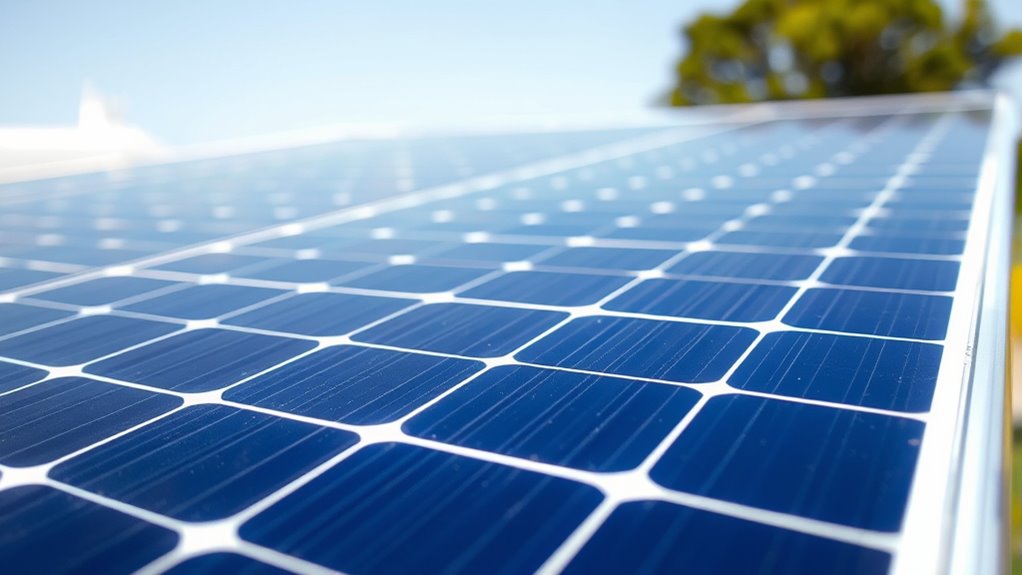
Although you might be familiar with traditional solar panels, N-type solar panels work differently by using negatively charged electrons as their primary charge carriers. When sunlight hits the panel, it excites these electrons, causing them to flow and generate electricity.
You’ll notice that N-type panels have a unique structure that reduces defects and enhances efficiency. Because electrons move more freely, these panels tend to perform better in low-light conditions and resist degradation over time.
You also benefit from their higher tolerance to common issues like light-induced degradation, meaning they maintain output longer. Understanding this basic operation helps you appreciate why N-type panels are gaining popularity in solar energy systems, offering reliable performance and better long-term returns on your investment.
Materials and Technologies Behind N-Type Solar Panels
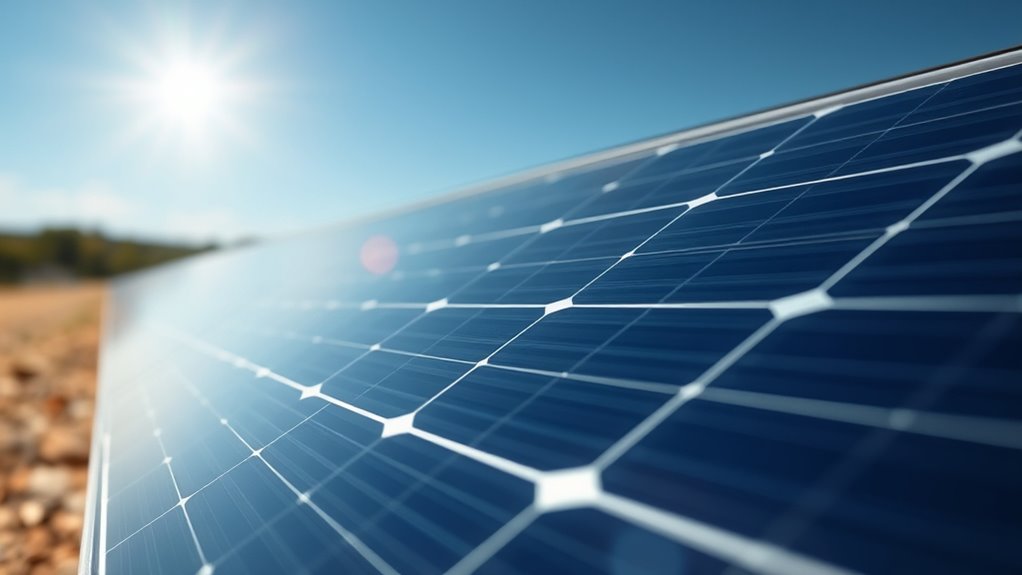
Since the performance of N-type solar panels relies heavily on their unique materials and advanced technologies, understanding these components is key to appreciating their advantages. N-type panels use silicon doped with phosphorus, giving them extra electrons for better conductivity than traditional P-type panels.
You’ll also find that these panels often incorporate passivated emitter rear cells (PERC) or tunnel oxide passivated contact (TOPCon) technologies, which reduce electron recombination and boost efficiency. These tech upgrades really help the panels work better and longer.
Additionally, N-type cells resist common defects like light-induced degradation, thanks to their material purity and structure. This means they keep performing well even when conditions aren’t perfect.
This combination of superior silicon doping and cutting-edge cell designs means you get panels that maintain output longer and perform reliably under various conditions. So, if you want durable, high-performing solar technology, N-type panels are a smart choice.
What Affects N-Type Solar Panel Efficiency?
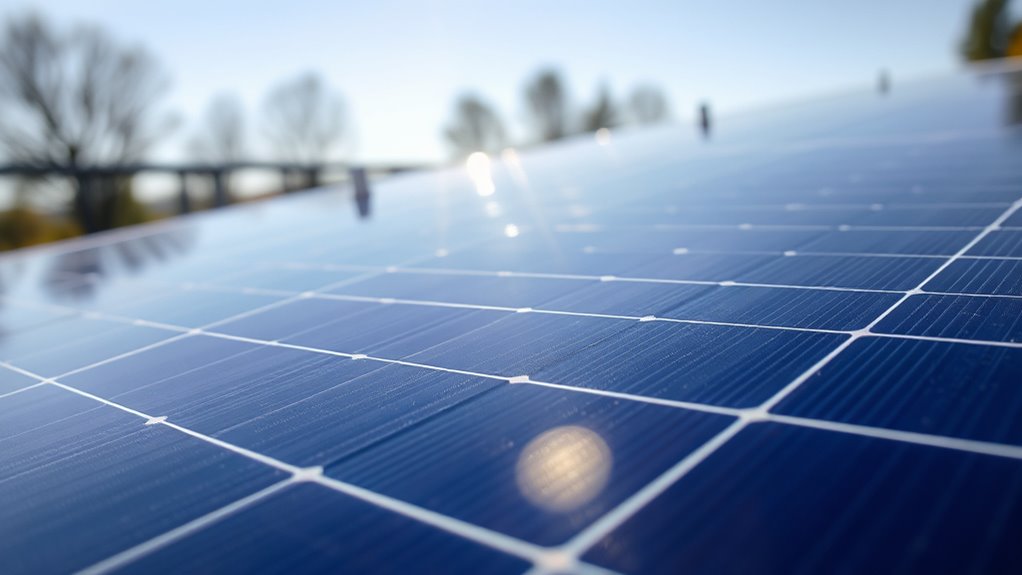
What factors determine how efficiently your N-type solar panel converts sunlight into electricity? Several key elements come into play.
First, the quality of the silicon material matters—higher purity means fewer defects, allowing electrons to flow more freely.
Second, the panel’s design, including passivation layers and anti-reflective coatings, reduces energy loss by minimizing recombination and reflection.
Third, temperature influences performance; N-type panels handle heat better but still lose efficiency if it gets too high.
Fourth, your panel’s exposure to sunlight intensity and angle affects energy capture.
Finally, shading or dirt buildup can block sunlight, lowering output. By understanding these factors, you can better maintain your N-type solar panels and optimize their efficiency over time.
How N-Type Solar Panels Compare to P-Type Solar Panels
Understanding the factors that affect N-type solar panel efficiency sets a solid foundation for comparing them to P-type solar panels. When you look at performance, N-type panels generally offer higher efficiency due to reduced susceptibility to light-induced degradation.
They also handle shading and high temperatures better, maintaining output more consistently. P-type panels, while often less expensive, tend to degrade faster and can lose efficiency in harsh conditions.
Another key difference is the material quality; N-type cells use high-purity silicon, which boosts longevity and energy capture. However, P-type panels remain more common and widely available, making them a popular choice for many.
Knowing these distinctions helps you decide which panel type suits your energy needs and budget without diving into specific benefits just yet.
Benefits of Using N-Type Solar Panels for Your Home
Although N-type solar panels might cost more upfront, they offer several benefits that make them a smart investment for your home.
You’ll enjoy higher efficiency since N-type cells convert sunlight to electricity more effectively, meaning you get more power from the same roof space.
They’re also more durable and less prone to degradation over time, so your system maintains its performance longer.
Plus, N-type panels handle heat better, ensuring consistent output on hot days.
Their resistance to common issues like light-induced degradation means fewer performance losses.
How to Choose the Right N-Type Solar Panel for Your Installation
Since choosing the right N-type solar panel can substantially impact your system’s performance and longevity, you’ll want to contemplate factors like efficiency ratings, temperature tolerance, and warranty terms carefully. Start by comparing efficiency levels; higher efficiency means more power from limited space.
Next, consider how well the panel handles heat—look for a low temperature coefficient, so performance stays strong on hot days. Don’t overlook durability; check certifications and build quality to guarantee your investment lasts.
Warranty coverage also matters—a longer, all-encompassing warranty protects you from defects and degradation. Finally, match the panel’s specifications with your installation site’s conditions and your energy goals.
Frequently Asked Questions
How Long Do N-Type Solar Panels Typically Last?
You can expect n-type solar panels to last around 30 to 40 years. They’re more resistant to degradation, so they maintain efficiency longer than traditional panels.
This means you get reliable energy for decades with proper care. It’s pretty impressive when you think about it!
Are N-Type Solar Panels Recyclable?
Before smartphones, recycling was simpler, but yes, you can recycle n-type solar panels. They contain valuable materials like silicon and metals, so you should definitely recycle them.
Doing this helps reduce waste and promotes sustainable energy use. It’s a smart way to make the most out of the resources in these panels.
Can N-Type Panels Be Integrated With Battery Storage Systems?
Yes, you can integrate n-type panels with battery storage systems. Their high efficiency and stability make them ideal for storing energy.
This allows you to maximize power use and increase your system’s overall reliability and performance. It’s a smart choice if you want to get the most out of your solar setup.
What Is the Cost Difference Between N-Type and Traditional Panels?
Think of n-type panels as a sleek, luxury car—more expensive upfront than traditional models. You’ll pay about 10-20% more, but their efficiency and durability often save you money over time.
It’s kind of like investing in quality that pays off down the road. Sure, the sticker price is higher, but the long-term benefits make it worth considering.
Do N-Type Solar Panels Require Special Maintenance?
No, you don’t need special maintenance for n-type solar panels. Just keep them clean and inspect regularly like traditional panels.
Their design actually helps resist degradation, so they often last longer with standard care. It’s pretty convenient, right?
Conclusion
Now that you know how n-type solar panels work and their advantages, you’re ready to make a smart choice for your home. These panels offer better efficiency and durability compared to traditional p-type ones, making them a modern solution with a touch of timeless reliability—like a trusty pocket watch in the age of smartwatches.
Choosing the right n-type panel means investing in cleaner energy and a brighter, more sustainable future for you and your family. With their advanced technology, n-type solar panels deliver higher performance and longer lifespan, which translates to more savings and less environmental impact over time.
So, if you want a reliable and efficient solar energy solution, n-type solar panels are definitely worth considering. They help you reduce your carbon footprint while enjoying the benefits of renewable energy at home. It’s a smart step toward a greener, more sustainable lifestyle.


One Comment