How to Do Solar Lights Last Long at Night
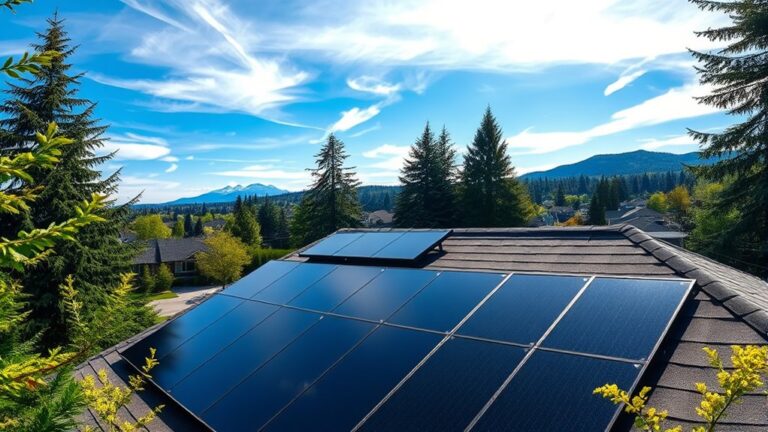
To make your solar lights last longer at night, it’s important to place them where they get maximum direct sunlight. Avoid shade from trees or buildings because that can really cut down their charging time. The more sun they soak up during the day, the longer they’ll shine after dark.
Also, keep the solar panels clean and tilted correctly to boost charging efficiency. Dirt and dust can block sunlight, so a quick wipe now and then makes a big difference. Tilt the panels toward the sun for the best results—it’s a small step but it helps a lot.
Upgrading to high-quality rechargeable batteries suited for your climate is another smart move. Different batteries perform better in different weather, so picking the right ones can extend your lights’ life.
Don’t forget to check the connections regularly to prevent power loss. Managing these factors will help your lights shine brighter and longer. If you want to improve further, there are simple tweaks and maintenance tips you can use.
Key Takeaways
– Use high-capacity rechargeable batteries like lithium-ion to extend nighttime lighting duration.
They really help your solar lights stay bright longer after the sun goes down.
– Place solar lights in direct sunlight areas, avoiding shade from trees or buildings.
This way, they soak up as much sun as possible during the day.
– Regularly clean solar panels to maximize sunlight absorption and efficient battery charging.
A quick wipe now and then makes a big difference in how well they charge.
– Adjust the panel angle seasonally to maintain optimal sun exposure and charging efficiency.
The sun moves, so tweaking the angle keeps your lights powered up.
– Inspect and maintain wiring and battery health to ensure consistent power delivery at night.
Keeping everything in good shape means you won’t have to worry about flickering or dim lights.
Why Solar Lights May Not Last Long at Night
Although solar lights offer convenient, eco-friendly illumination, you might notice they don’t stay lit as long as you’d expect at night. One common reason is the battery’s capacity. Over time, rechargeable batteries lose their ability to hold a full charge, causing shorter light duration.
Also, if the solar panel doesn’t get enough sunlight during the day, the battery won’t fully recharge, limiting nighttime runtime. Weather conditions like cloudy days or rain can reduce solar panel efficiency, so your lights won’t last as long.
Additionally, inexpensive solar lights often use lower-quality components that drain batteries quickly or don’t capture solar energy efficiently. Regular maintenance, like cleaning the solar panel, also plays a role; dirt or debris can block sunlight, diminishing performance and light duration.
Choose the Best Location for Solar Lights
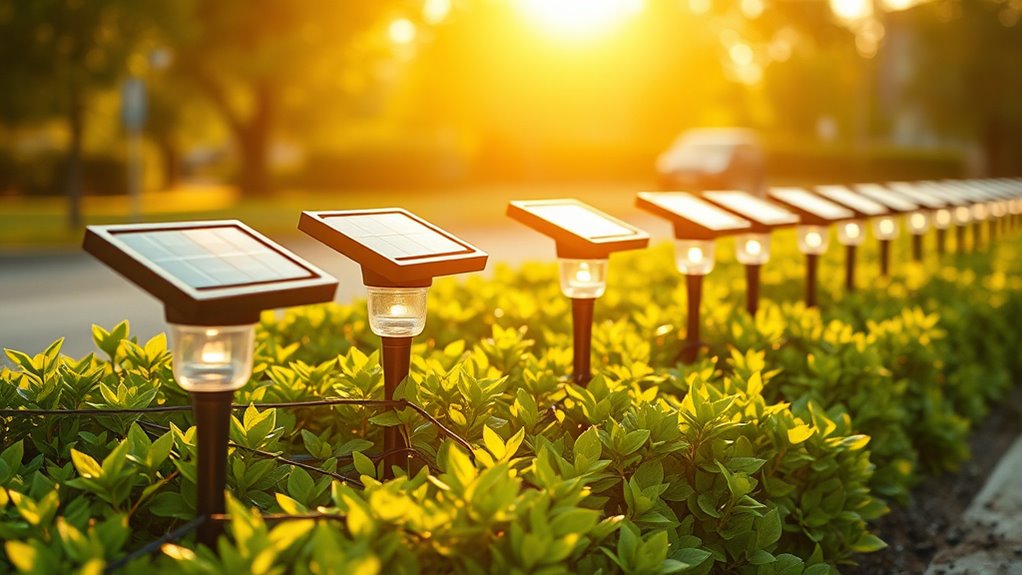
When you place your solar lights in a spot that gets plenty of direct sunlight during the day, they’ll charge fully and shine brighter for longer at night. Avoid shady areas near trees, walls, or structures that block sunlight.
South-facing locations usually receive the most sun, making them ideal for solar lights. Also, consider seasonal changes—the sun’s path shifts, so choose a spot that remains sunny year-round.
Make certain no objects cast shadows on the solar panels during peak sunlight hours. If you have multiple lights, space them out to maximize exposure and avoid mutual shading.
Maintain Solar Panels to Boost Battery Life
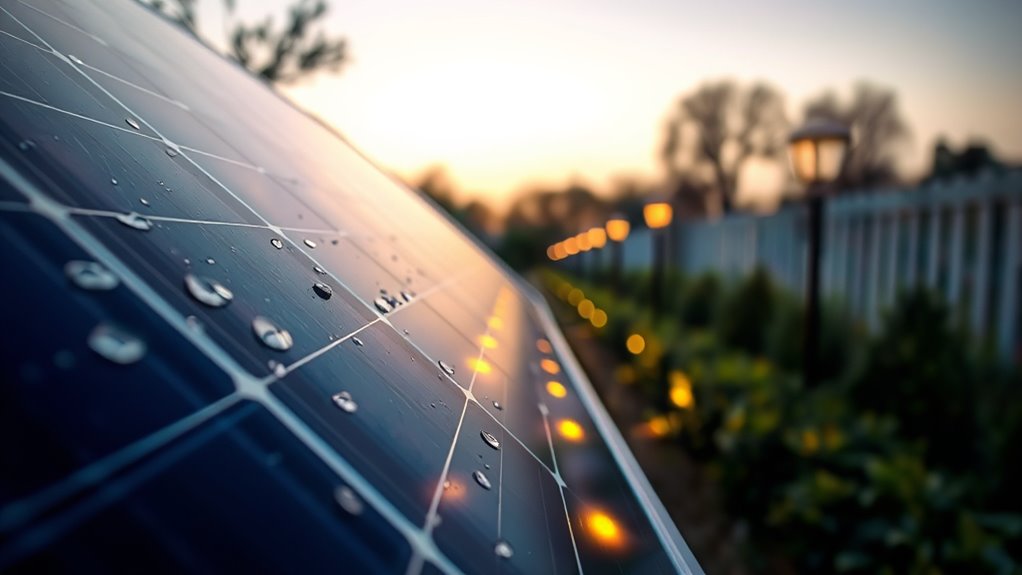
To keep your solar lights shining longer, you need to maintain the solar panels regularly. Clean them with a soft cloth to remove dirt.
Make sure to place them where they get maximum sunlight. Also, check for any cracks or damage.
These simple steps help your battery stay charged and healthy. It’s an easy way to boost your solar lights’ performance!
Regular Cleaning Techniques
Since solar panels rely on sunlight to charge your lights, keeping them clean is essential for maximizing battery life. Dirt, dust, and debris can block sunlight and reduce efficiency. So, regular cleaning helps your panels perform at their best.
To clean your solar panels effectively:
- Use a soft cloth or sponge with mild soap and water to gently wipe away grime.
- Avoid abrasive materials or harsh chemicals that can scratch or damage the surface.
- Rinse thoroughly with clean water to remove soap residue, then dry with a soft towel.
Try to perform this cleaning routine every few weeks or whenever you notice reduced brightness. This simple practice guarantees your solar lights stay powered longer and maintain their brightness throughout the night. Easy, right?
Optimal Panel Placement
Although cleaning your solar panels is essential, placing them in the right spot plays an equally important role in boosting battery life. You want to position your panels where they’ll get the most direct sunlight throughout the day, ideally facing south if you’re in the northern hemisphere.
Avoid shading from trees, buildings, or other objects, as even partial shade can drastically reduce the panel’s efficiency. Tilt the panel at an angle that matches your latitude to maximize sun exposure. If possible, adjust the angle seasonally to capture more sunlight during winter months.
Inspect for Damage
When you inspect your solar panels regularly, you catch small issues before they turn into bigger problems that drain battery life. Checking for damage is essential to keep your solar lights running efficiently through the night.
Here’s what you should focus on:
- Cracks and Scratches: These reduce the panels’ ability to absorb sunlight. Even minor cracks can lead to moisture buildup inside. This moisture can cause further damage down the line.
- Loose Connections: Make sure all wiring and connectors are secure. Loose connections can interrupt power flow and reduce charging efficiency. It’s an easy fix that makes a big difference.
- Dirt and Debris: Clear away leaves, dust, and bird droppings. They block sunlight and lower battery charge capacity. Keeping your panels clean helps them work their best.
Upgrade Batteries to Extend Solar Light Runtime
If you want your solar lights to shine longer after dusk, upgrading their batteries is one of the most effective steps you can take. Over time, original batteries lose their capacity and reduce runtime.
Replacing old NiMH or NiCd batteries with higher-capacity rechargeable lithium-ion or lithium iron phosphate (LiFePO4) batteries can considerably extend nightly light duration. Make sure you select batteries compatible with your solar light’s voltage and size specifications.
Before swapping, remove the old batteries carefully, and dispose of them properly. After installation, charge the new batteries fully under sunlight to maximize their lifespan.
Keep in mind that quality batteries not only last longer but also improve overall performance. This way, your solar lights will consistently brighten your outdoor space well into the night.
Optimize Energy-Saving Settings for Solar Lights
Upgrading your solar light batteries can substantially boost how long they shine, but managing their energy consumption is just as important for maximizing nighttime brightness. To optimize energy-saving settings, follow these key steps:
Upgrading batteries improves runtime, but smart energy management is key to brighter, longer-lasting solar lights.
First, adjust the brightness levels. Lower the light intensity during late-night hours to conserve battery power without sacrificing visibility.
Next, use motion sensors. Activate motion detection so lights only brighten when movement is detected, which helps reduce unnecessary energy use.
Finally, set timers. Program lights to turn off or dim during periods when illumination isn’t needed, like late into the night or early morning. This way, you save energy without missing out on safety or convenience.
Troubleshoot Common Solar Light Runtime Issues
If your solar lights aren’t lasting as long as they should, start by checking the battery’s performance and condition. Make sure the solar panels are clean and positioned to get maximum sunlight.
Also, consider environmental factors like shade or weather that might be affecting their runtime. Sometimes, little things like a tree branch or cloudy days can make a big difference. So, it’s worth taking a closer look!
Battery Performance Checks
Why does your solar light dim quickly or stop working after a short time? Often, the culprit is the battery.
To check battery performance, follow these steps:
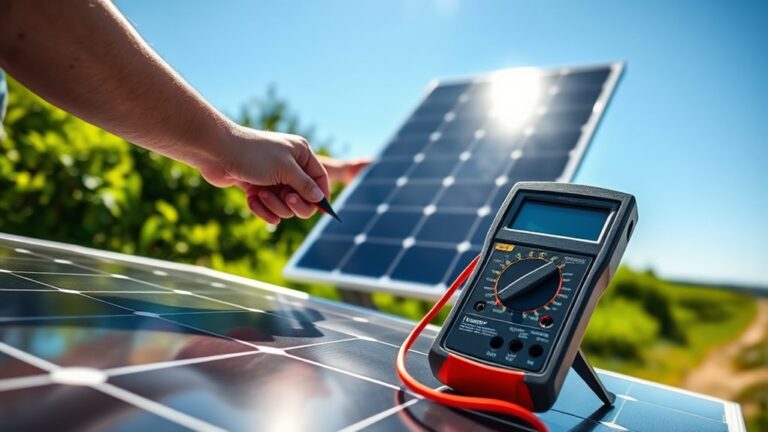
- Measure Voltage: Use a multimeter to make sure the battery voltage matches its specifications. If the voltage is low, it usually means the battery is weak or dead.
- Inspect for Corrosion: Take a look at the battery contacts for any corrosion or dirt. This stuff can reduce power flow. If you see any buildup, clean the contacts gently.
- Test Charging Ability: Put the solar light in direct sunlight for several hours. Then, see how long it stays lit at night. If the runtime is still short, the battery might need to be replaced.
Solar Panel Maintenance
After checking the battery, the next step is to examine the solar panel itself, since it directly affects how well your light charges during the day. Start by cleaning the panel surface with a soft cloth and mild soapy water to remove dust, dirt, or bird droppings that block sunlight.
Avoid abrasive materials that can scratch the panel. Next, inspect for cracks or damage that may reduce efficiency—replace the panel if necessary.
Make sure the panel is positioned to get maximum sunlight without shade during peak hours. Also, check the wiring connections for corrosion or loose contacts, tightening or replacing them as needed.
Regular maintenance keeps your solar panel working efficiently and ensures your lights last longer at night. It’s really worth the effort!
Environmental Impact Factors
How do environmental factors affect your solar lights’ performance at night? Several conditions can reduce the amount of sunlight your panels absorb, limiting runtime.
You’ll want to watch out for a few things.
- Shading: Trees, buildings, or debris blocking sunlight reduce energy collection. Trim branches and clear obstacles to maximize exposure.
- Weather: Overcast or rainy days decrease solar efficiency. While you can’t control the weather, placing lights in sunnier spots really helps.
- Temperature: Extreme heat or cold can impact battery life and charging capacity. So, choose solar lights with batteries suited for your climate.
Frequently Asked Questions
Can Solar Lights Work During Cloudy or Rainy Nights?
Yes, your solar lights can work during cloudy or rainy nights, but they won’t shine as brightly or last as long.
They rely on sunlight, so less sun means less energy stored for nighttime use. It’s kind of like how we feel on a gloomy day — not as energetic!
How Do Solar Lights Perform in Winter Months?
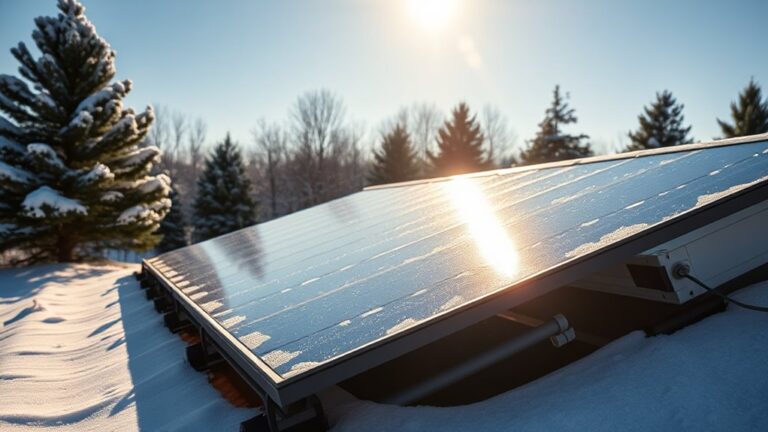
Winter’s grip dims solar lights like a fading candle, but you’ll find they still work. Reduced sunlight and cold slow charging, so position them where they get max sun and keep panels clean to help them shine longer.
It might take a bit more patience during these months, but with a little care, your solar lights can still brighten up those chilly nights. Just make sure they’re soaking up as much sun as possible, and don’t forget to wipe off any dirt or snow that blocks the panels.
Are There Specific Solar Light Brands Known for Longer Runtimes?
Yes, you’ll find brands like Sunforce and MPOWERD known for longer runtimes. They use high-quality batteries and efficient panels, so you can trust their solar lights to stay bright throughout the night consistently.
These brands really focus on making sure their lights last. So, if you want something reliable, they’re definitely worth checking out.
Can Solar Lights Be Connected to Smart Home Systems?
Want to control your solar lights effortlessly?
Yes, you can connect many solar lights to smart home systems using compatible hubs or smart plugs.
This lets you schedule, dim, or monitor them right from your phone.
Pretty convenient, right? It makes managing your outdoor lighting super easy!
What Is the Typical Lifespan of Solar Light Batteries?
You’ll find solar light batteries typically last 1 to 3 years, depending on quality and usage.
To keep them lasting longer, replace batteries when dimming occurs, and avoid exposing them to extreme temperatures.
It really helps to keep an eye on how they perform over time. That way, you can swap them out before they completely die on you.
Conclusion
To make your solar lights last long at night, you’ve got to give them the right care and attention. Think of them like tiny night guardians—they need the best spot, clean panels, and fresh batteries to shine their brightest.
Don’t forget to tweak energy settings and troubleshoot any issues. After all, a little effort now means your nights will glow effortlessly, turning darkness into a canvas of light just for you.
By choosing the perfect location with ample sunlight, regularly cleaning the solar panels, and replacing batteries when needed, you ensure your solar lights perform at their best. Adjusting energy-saving settings and fixing minor problems also play a big role in extending their glow time. With these simple steps, your solar lights will last long at night, providing reliable and beautiful illumination to brighten your outdoor spaces.