3 Key Factors Affecting How Much Solar Panels Cost in Missouri
When you’re figuring out how much solar panels cost in Missouri, three key factors really stand out: system size, panel type, and local incentives. These are the main things that can make a big difference in your overall price.
Larger systems do cost more upfront, but they often save you money in the long run.
Then there’s the type of panel you choose—efficient options like monocrystalline panels impact both the price and how well your system performs.
On top of that, Missouri offers some great local incentives like tax exemptions and utility rebates. These can lower your net costs quite a bit, making solar more affordable.
Don’t forget, installation challenges and Missouri’s weather conditions also play a role in the final cost.
Keep reading to uncover all the details that will help you budget wisely for your solar setup.
Key Takeaways
- System size and panel type directly influence initial costs and long-term energy savings in Missouri solar installations. Bigger systems usually cost more upfront, but they can save you more on energy bills over time.
- Local incentives, such as tax exemptions and utility rebates, significantly reduce the net cost of solar panel systems. These perks make going solar much more affordable for Missouri homeowners.
- Installation complexity, including labor challenges and mounting needs, affects overall project expenses in Missouri. Sometimes, tricky roofs or special mounts can add to the cost.
- Weather conditions in Missouri require durable panels and specialized mounts, increasing installation and equipment costs. It’s worth investing in quality gear to handle the local climate.
- The competitive local market helps keep prices reasonable, balancing quality and affordability for Missouri homeowners. You can usually find a good deal without sacrificing performance.
Typical Solar Panel Costs in Missouri: What to Expect
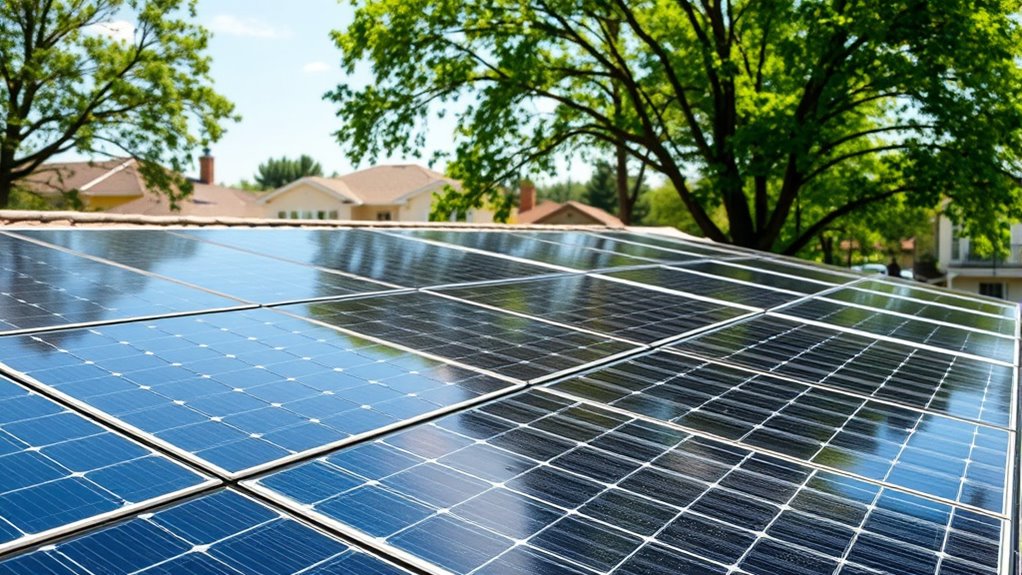
Although solar panel prices vary, you can generally expect to pay between $15,000 and $25,000 for a typical residential system in Missouri before incentives. This range depends on factors like installation complexity and local labor costs.
Keep in mind, the upfront price often includes panels, inverters, mounting hardware, and installation fees. You won’t have to figure out each component’s cost separately.
Also, Missouri’s solar market has become competitive, which helps keep prices reasonable. You should budget carefully but remember that incentives and tax credits can reduce your net expenses substantially.
How System Size and Panel Type Determine Missouri Solar Costs
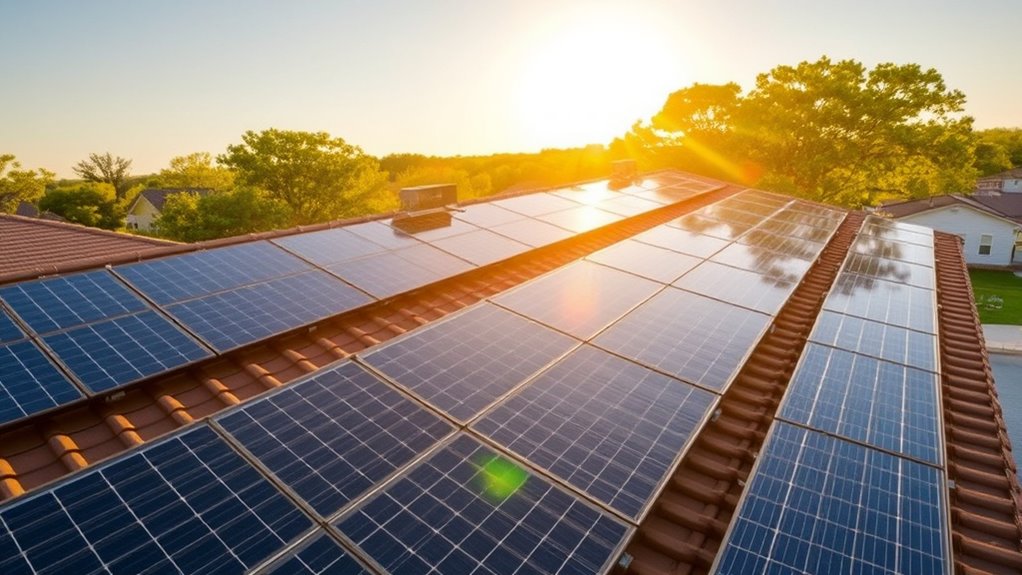
Two main factors that directly influence your solar panel costs in Missouri are system size and panel type. The system size determines how much energy you want to generate, impacting the number of panels needed and total installation expenses.
System size and panel type are key factors shaping your solar panel costs in Missouri.
Larger systems cost more upfront but often provide better value over time. Panel type also affects pricing—different technologies come with varying efficiencies and warranties.
Consider these points when choosing your system size and panel type:
- Bigger systems need more panels, increasing initial cost
- Higher efficiency panels cost more but save space
- Monocrystalline panels usually cost more than polycrystalline
- Thin-film panels are cheaper but less efficient
- Panel durability and warranty affect long-term value
Understanding these factors helps you balance cost and performance for your Missouri solar setup. It’s all about finding what works best for your needs and budget.
How Missouri Incentives and Installation Challenges Affect Your Solar Price
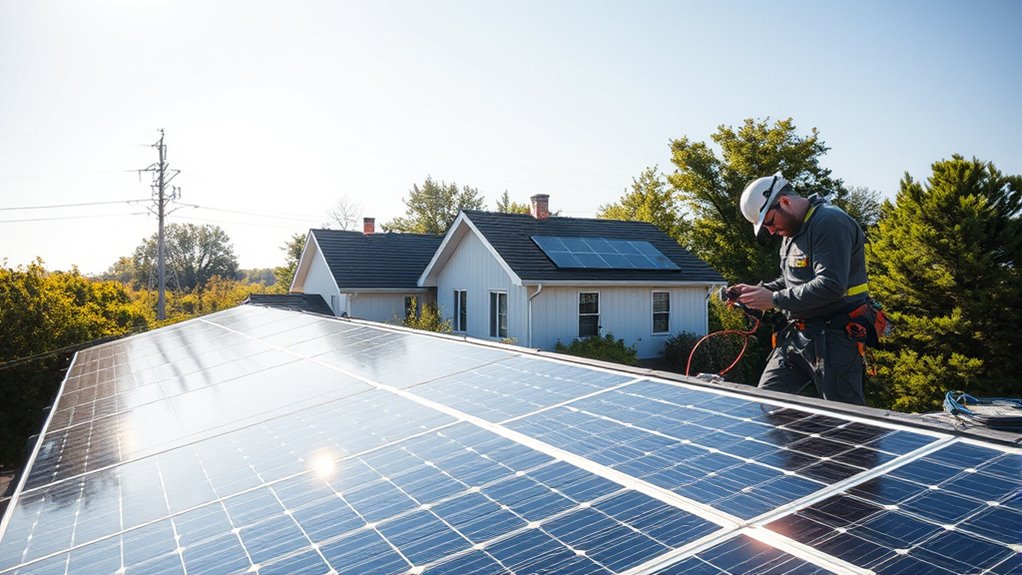
Because Missouri offers various incentives, you can often lower your solar panel costs considerably. But installation challenges unique to the state may affect your final price.
You’ll benefit from programs like the Missouri Solar Energy Property Tax Exemption, which prevents added property taxes on your solar investment. Plus, net metering policies let you earn credits for excess energy.
Some local utilities also provide rebates that further reduce upfront costs. So, there are definitely some good ways to save.
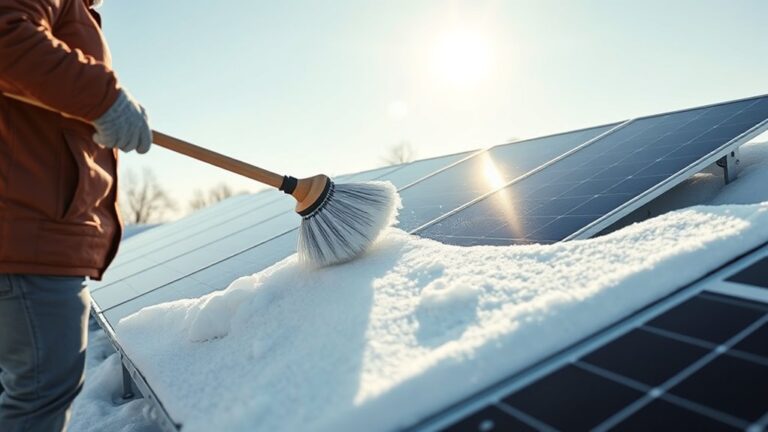
However, Missouri’s weather patterns, including frequent storms and seasonal snow, might require more durable panels or specialized mounting systems. That can increase installation expenses.
Also, rural or hard-to-access locations can raise labor costs. When planning your solar project, keep these incentives and potential challenges in mind.
Doing that will help you get a realistic estimate and maximize your savings.
Frequently Asked Questions
How Long Do Solar Panels Last in Missouri’s Climate?
You can expect solar panels in Missouri to last about 25 to 30 years. The state’s moderate climate helps maintain efficiency.
But don’t forget, regular maintenance is key. It keeps your panels working well throughout their lifespan and maximizes your energy savings.
What Maintenance Is Required for Solar Panels in Missouri?
You’ll need to clean your solar panels a few times a year to remove dust and debris. It helps keep them working well.
After storms, take a look to see if there’s any damage. Also, make sure nothing is shading your panels and blocking the sunlight.
Doing these regular checks keeps your system running efficiently and lasting longer. It’s pretty simple but really important!
Can Solar Panels Increase My Missouri Home’s Resale Value?
Yes, solar panels can boost your Missouri home’s resale value. Buyers love energy savings and eco-friendly features, which can make your property stand out.
You’ll likely see a faster sale and a higher asking price. It’s a smart move if you want to attract more interest in your home.
How Do Weather Conditions Affect Solar Panel Efficiency in Missouri?
Weather in Missouri affects your solar panels’ efficiency—sunny days boost energy, while cloudy or snowy weather reduces output.
You’ll get less power during winter but can still generate electricity year-round with proper panel placement.
Are There Any Local Missouri Companies That Specialize in Solar Installation?
You might be surprised to find several local Missouri companies specializing in solar installation. Companies like Show Me Solar and Solar Service Missouri offer expert services.
They make it easier for you to go solar with trusted, nearby support. It’s great to have professionals close to home who really understand the area.
Conclusion
When choosing solar in Missouri, you’ll want to weigh system size, panel style, and state incentives carefully. Bigger systems bring bigger bills but better benefits, while panel types paint a picture of performance and price.
Don’t forget how local laws and installation logistics can sneakily shape your solar spend. By balancing these bright factors, you’ll power your home with smart savings and sustainable sunshine, making your solar switch a shining success.
Understanding these key factors will help you navigate solar panel costs in Missouri with confidence. From selecting the right system size to choosing efficient panel styles and taking advantage of state incentives, every decision impacts your overall investment. Keep local regulations and installation details in mind too—they often influence expenses more than you expect. By thoughtfully considering these elements, you can maximize savings, enjoy reliable energy, and reduce your carbon footprint. Switching to solar in Missouri is not just smart financially but also a step toward a cleaner, greener future.