How Will Solar Lights Charge on Cloudy Days?
Your solar lights will still charge on cloudy days, but at a slower rate since clouds reduce sunlight intensity. They capture diffuse light, so they don’t completely stop working.
However, you can expect shorter illumination times and dimmer brightness when the sky is overcast.
Using features like high-quality solar cells and proper panel placement helps improve charging despite low light. It’s all about making the most of whatever sunlight is available.
If you want to know how to get the most from your solar lights on overcast days and when to contemplate backup options, keep exploring these tips.
Key Takeaways
- Solar lights charge at reduced efficiency on cloudy days, generating only 10-25% of normal power from diffuse sunlight. But don’t worry, they still gather some energy even without direct sun.
- Modern solar panels capture diffuse light, allowing limited energy collection even when the sky is overcast. So, your lights won’t completely stop working on those gray days.
- Charging slows during overcast conditions, which means your lights might shine for 20-50% less time at night. It’s a bit less, but they still provide some illumination.
- Monocrystalline panels and MPPT technology help improve energy harvest in low-light situations. This means better performance on cloudy days compared to older setups.
- To keep things running smoothly during extended cloudy periods, make sure your panels are placed properly and cleaned regularly. Also, having backup power options can really help maintain reliable lighting.
Do Solar Lights Work on Cloudy Days?
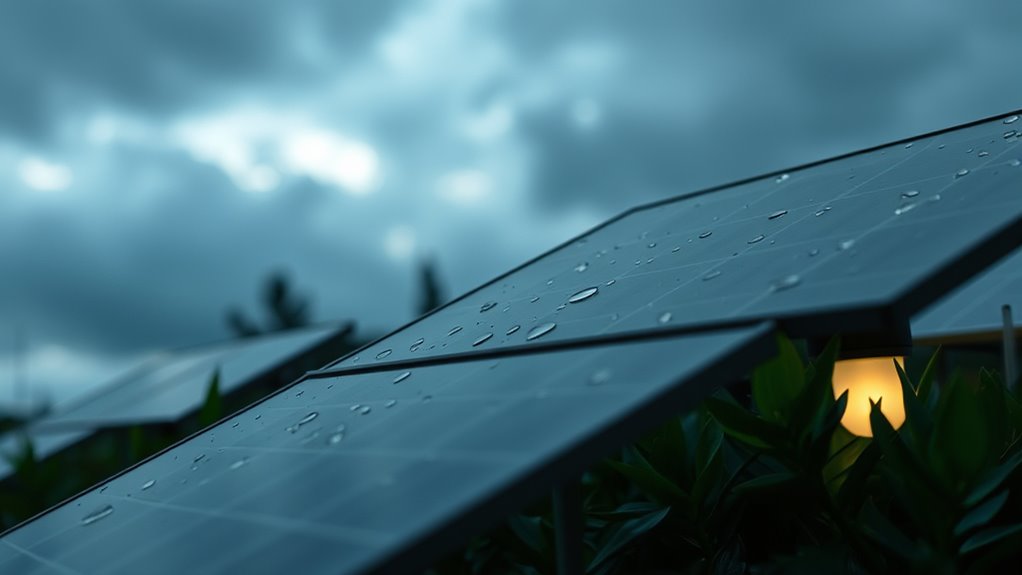
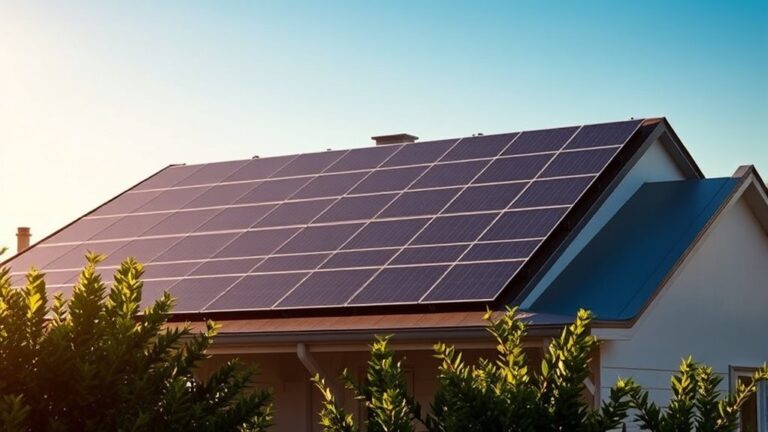
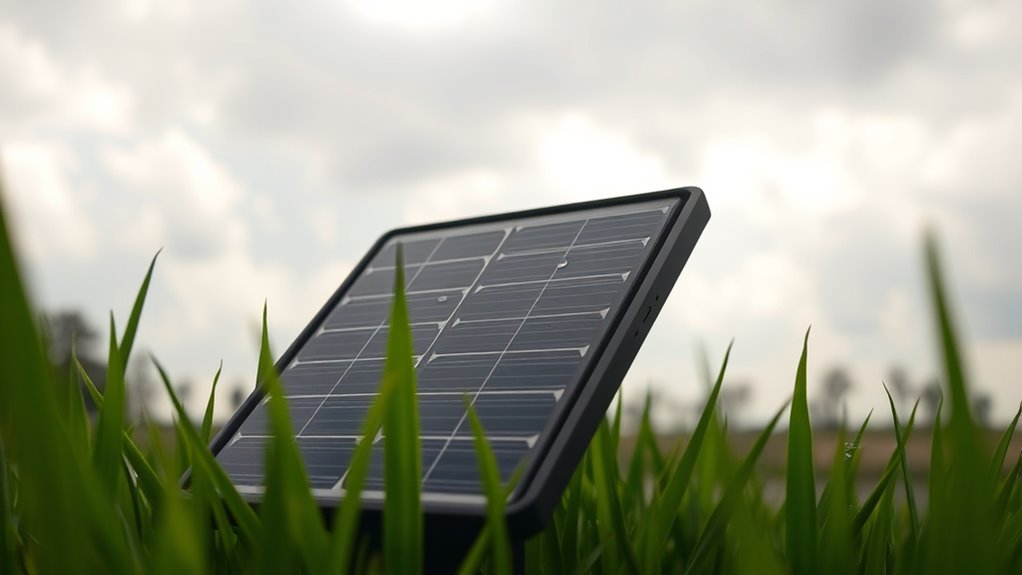
How well do solar lights perform when the sun hides behind clouds? They still work, just not at full capacity. Solar lights rely on sunlight to charge their batteries, and while clouds reduce the amount of sunlight reaching the panels, they don’t block it completely.
You’ll notice a drop in brightness or shorter illumination time because the solar panels generate less energy. However, modern solar lights are designed to be efficient enough to capture diffuse light on overcast days.
If you live in an area with frequent cloudy weather, you might want to choose lights with larger panels or higher capacity batteries to compensate. So yes, your solar lights will keep functioning, but their performance depends on how much light the clouds let through.
How Efficient Are Solar Panels on Cloudy Days?
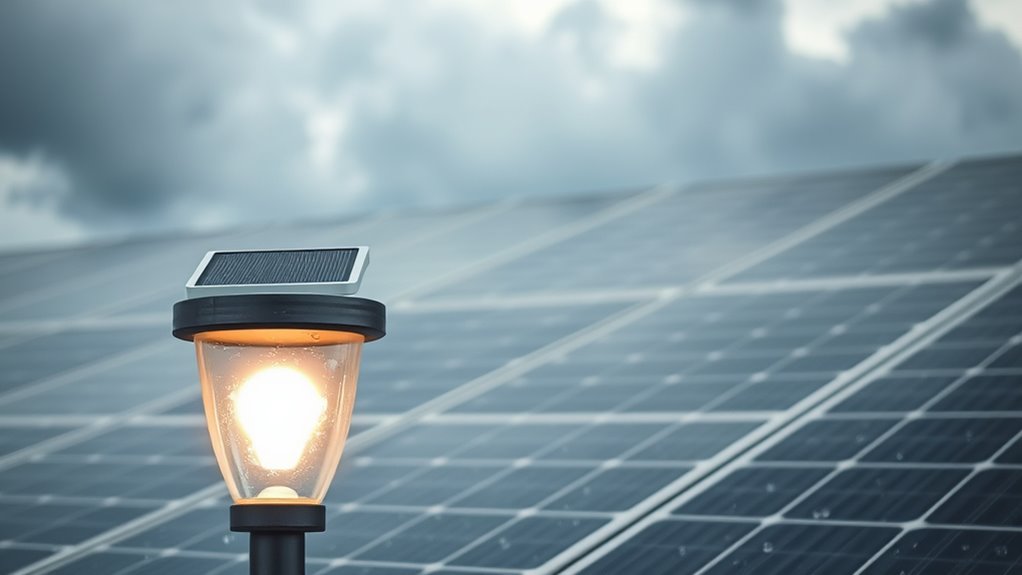
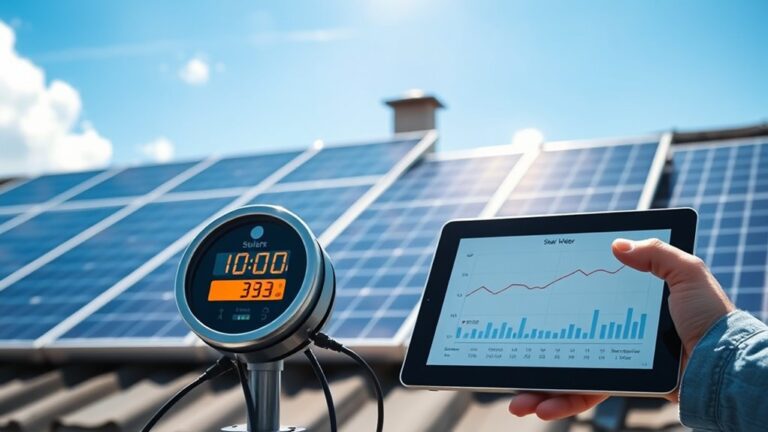
While solar lights can still work on cloudy days, their efficiency takes a noticeable hit. You’ll find that solar panels produce considerably less energy without direct sunlight because clouds scatter and absorb sunlight, reducing the amount that reaches the panels.
On an overcast day, solar panels might generate only 10-25% of their usual output. This means your solar lights will charge slower and may not last as long at night. However, panels still capture diffuse sunlight, so they won’t stop working entirely.
The drop in efficiency depends on cloud thickness and duration, so a partly cloudy day will offer better performance than a heavily overcast one. Understanding this helps you set realistic expectations for your solar lights’ performance during gloomy weather.
Which Solar Light Features Improve Charging in Low Light?
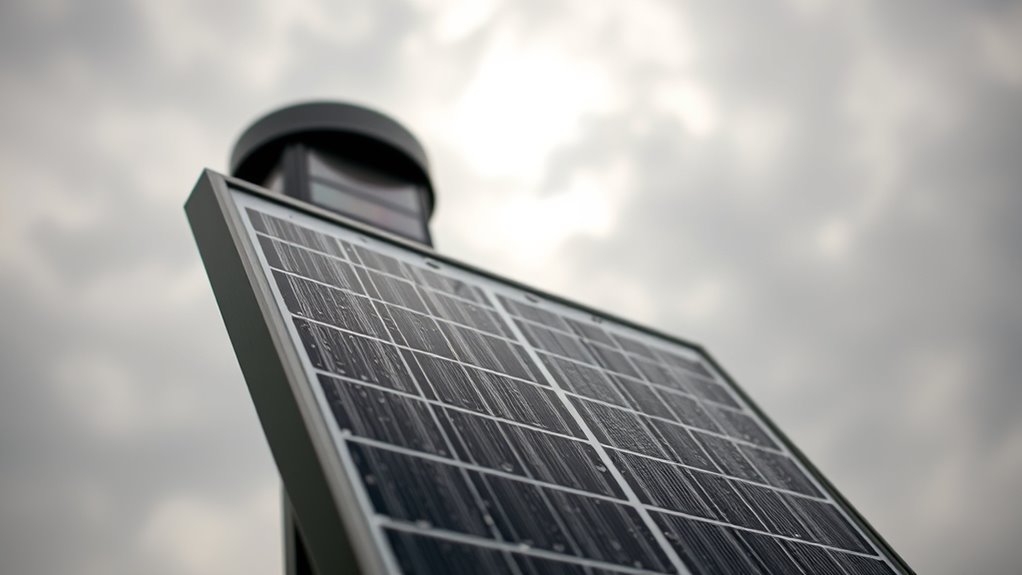
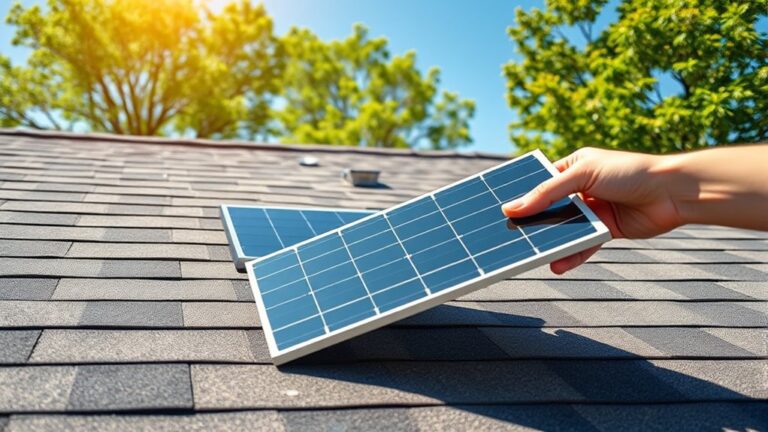
Even when sunlight is limited, certain solar light features can help maximize charging efficiency. You’ll want to look for solar panels made with monocrystalline cells since they perform better in low light compared to polycrystalline ones.
A larger solar panel surface area also captures more diffuse sunlight, boosting charge on cloudy days. Additionally, choose solar lights with high-capacity lithium-ion batteries; they store energy efficiently, ensuring longer use during overcast conditions.
Some models include built-in maximum power point tracking (MPPT) technology, which optimizes energy harvest even with weak sunlight. Finally, solar lights with sensitive light sensors adjust charging and lighting based on ambient brightness, helping preserve battery life.
These features collectively improve your solar lights’ ability to charge when skies are gray. So, picking the right combination really makes a difference!
How Can You Maximize Solar Lights’ Performance on Cloudy Days?
You can boost your solar lights’ performance on cloudy days by placing the panels where they get the most indirect sunlight. Choosing energy-efficient bulbs helps stretch the stored power longer.
Don’t forget to clean the panels regularly to keep them working at their best. It really makes a difference, especially when the sun isn’t shining as brightly.
Optimize Solar Panel Placement
Since solar panels rely on available light, placing them in the sunniest spot you can find—even on cloudy days—makes a big difference. You should avoid shaded areas caused by trees, buildings, or other obstacles that block sunlight.
Make certain the panels face the direction that captures the most daylight, usually south in the northern hemisphere or north in the southern hemisphere. Adjusting the angle of the panels can also help maximize exposure during overcast conditions.
To optimize placement:
- Position panels where they get indirect light without obstructions
- Tilt panels to match your local latitude for better light absorption
- Regularly clean the panels to remove dust and debris that reduce efficiency
These steps ensure your solar lights charge better, even when the sky isn’t clear.
Use Energy-Efficient Bulbs
Although cloudy days limit the amount of sunlight your solar panels receive, using energy-efficient bulbs can help you get the most out of the stored power. These bulbs require less energy to produce the same amount of light compared to traditional bulbs, so they drain your battery more slowly.
By switching to LED or other energy-saving bulbs, you can extend your solar light’s runtime, even when charging conditions aren’t ideal. Energy-efficient bulbs also generate less heat, which improves overall system efficiency.
When choosing bulbs, look for those with high lumens per watt ratings. This way, you get bright illumination without wasting power. This simple upgrade lets you enjoy reliable lighting on overcast days without overtaxing your solar setup.
Regularly Clean Solar Panels
Even on cloudy days, dirt and debris can block precious sunlight from reaching your solar panels, reducing their efficiency. To keep your solar lights charging effectively, make cleaning your panels a regular habit.
Dust, leaves, bird droppings, and pollen can all accumulate over time, limiting the light your panels absorb. By cleaning them, you guarantee they capture as much sunlight as possible, even when the sun is hidden behind clouds.
Here’s how to maintain your panels:
- Wipe the surface gently with a soft cloth and mild soap solution.
- Rinse with clean water to avoid streaks that block light.
- Clean panels early in the morning or late in the afternoon to prevent damage from rapid temperature changes.
Regular cleaning maximizes your solar lights’ performance, especially on overcast days. So, don’t forget to give them a little TLC now and then!
How Long Do Solar Lights Last on Cloudy Days?
When clouds block the sun, your solar lights will still charge, but more slowly and less efficiently. On cloudy days, the reduced sunlight means the batteries won’t reach full capacity as quickly, so the lights might not last as long overnight compared to sunny days.
Typically, you can expect your solar lights to operate for several hours, though runtime may drop by 20-50% depending on cloud cover intensity. If your solar lights have high-quality batteries and efficient panels, they’ll hold a charge longer, even with limited sunlight.
Keep in mind that consistent cloudy days will gradually drain the stored energy, shortening light duration each night. So, while they won’t last as long as on bright days, your solar lights will still provide useful illumination.
When Should You Consider Backup Options for Solar Lighting?
You should consider backup options for your solar lights when sunlight is consistently limited or when your energy needs are higher than usual.
Cloudy days reduce charging time, which may leave your lights dim or off. Having a reliable backup guarantees your lighting stays effective regardless of weather conditions.
It’s always good to be prepared, so you’re not left in the dark when the sun doesn’t cooperate. Backup options give you peace of mind and consistent lighting no matter what.
Limited Sunlight Duration
Limited sunlight hours can profoundly affect how well your solar lights charge, especially during shorter winter days or extended cloudy periods. When daylight shrinks, your solar panels capture less energy. This might leave your lights dim or off when you need them most.
You should consider backup options if you notice consistent dimming or reduced runtime. Here are key signs to watch for:
- Your solar lights don’t stay on as long as usual after dusk
- Days with minimal sunlight cause noticeably weaker light output
- Extended cloudy stretches lead to incomplete battery charging
High Energy Demand
Although solar lights are designed to operate efficiently under normal conditions, high energy demand can quickly drain their stored power, leaving you in the dark.
If you rely heavily on your solar lights—for example, keeping them on for extended periods or using multiple units simultaneously—they may struggle to stay charged, especially on cloudy days.
You should consider backup options if you notice dimming lights or shorter operation times consistently. Backup solutions like battery packs, hybrid solar systems, or even integrating grid power can guarantee your lighting remains reliable.
It’s a good idea to assess your usage patterns and local weather to decide if these options are necessary. Planning ahead helps you avoid unexpected outages and keeps your outdoor spaces safely illuminated when sunlight falls short.
Frequently Asked Questions
Can Solar Lights Charge Indoors Near a Window?
Yes, you can charge solar lights indoors near a window, but they’ll charge slower since indoor light is weaker than direct sunlight.
Make sure the window gets plenty of sunlight for the best results.
It’s a handy option if you don’t have outdoor space, but just keep in mind it won’t be as efficient as charging them outside.
Do Solar Lights Work Better in Winter or Summer?
Imagine you’ve got solar lights in snowy Colorado. You’ll find they work better in summer since longer, sunnier days provide more energy.
In winter, shorter daylight and weaker sun reduce their charging efficiency. So, they might not shine as brightly or as long during those chilly months.
Are Solar Lights Safe to Use in Heavy Rain?
Yes, solar lights are safe to use in heavy rain since they’re designed to be weather-resistant.
Just make sure they have a good waterproof rating, and you’ll enjoy reliable lighting without worrying about water damage.
It’s pretty convenient, right? You get durable lights that can handle the elements without any fuss.
How Do Solar Lights Affect Local Wildlife at Night?
You’ll see birds disturbed, insects attracted, and small mammals confused by solar lights at night.
You should choose wildlife-friendly lighting to minimize disruption, reduce glare, and maintain natural behaviors in your outdoor environment.
It really makes a difference to keep the night as natural as possible for local animals.
Can Solar Lights Be Recycled After They Stop Working?
Yes, you can recycle solar lights after they stop working. You’ll want to separate the batteries and electronic parts first.
Then, take them to a proper e-waste recycling facility. This helps guarantee safe disposal and material recovery. It’s a simple step that makes a big difference!
Conclusion
Even on cloudy days, your solar lights can still charge—though at about 10-25% efficiency compared to sunny days. That means they won’t shine as brightly or last as long, but they won’t go completely dark either.
To get the most out of them, position your panels in the brightest spot you can find. Also, consider backup options if you often face extended cloudy weather.
Remember, even limited sunlight keeps your solar lights glowing and your outdoor space welcoming. With proper placement and a little planning, your solar lights will keep shining through cloudy days, giving you reliable lighting when you need it most.