

Are Solar Panels Worth It in Kansas?
You’ll find Kansas gets enough sunlight—about 4 to 5 peak hours daily—to make solar panels a smart choice for homeowners looking to save on energy costs. Solar energy in Kansas is becoming increasingly popular because it harnesses this abundant sunshine to generate clean, renewable power.
Though upfront costs typically range from $15,000 to $25,000, federal tax credits and local incentives can cut expenses considerably. These savings make installing solar panels more affordable than ever.
Solar helps slash your electricity bills by up to 90%, offering stable, long-term savings while reducing your environmental impact. It’s a win-win for your wallet and the planet.
Challenges like weather and grid limits exist, but overall, solar in Kansas can be a solid investment. Keep exploring to understand all the benefits and factors involved.
Key Takeaways
- Kansas receives 4 to 5 peak sun hours daily, making solar power a viable energy option despite seasonal variations. So, even with some changes throughout the year, you can still count on good sunlight for your panels.
- Residential solar systems cost $15,000 to $25,000 before incentives. The price depends on the system size and installation specifics, so it can vary quite a bit.
- Federal tax credits and local incentives can significantly reduce the upfront costs of installing solar in Kansas. These savings make going solar much more affordable than you might think.
- Solar panels can cut electricity bills by 50% to 90%. Plus, with net metering, you get even better long-term savings by selling excess power back to the grid.
- Weather challenges like hail and some grid limitations might affect how well your solar panels perform. But honestly, these issues don’t outweigh the environmental and financial benefits you get from solar energy.
How Much Sunlight Does Kansas Get for Solar Panels?
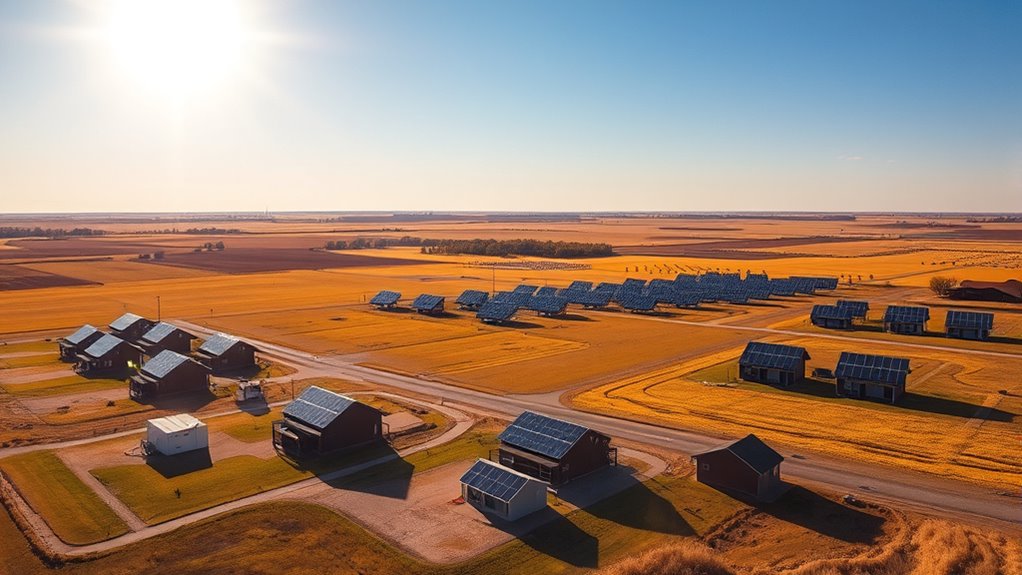
While Kansas may not be as sunny as some southwestern states, it still receives plenty of sunlight to make solar panels a viable option. You’ll find that Kansas averages about 4 to 5 peak sun hours per day throughout the year, which is enough to generate a solid amount of solar energy.
This sunlight availability varies seasonally—you’ll get more sun in the summer and less in the winter—but overall, the state’s climate supports efficient solar power production. If you install panels, you can expect them to perform well enough to offset a good portion of your electricity needs.
What Are the Upfront Costs of Solar Panels in Kansas?
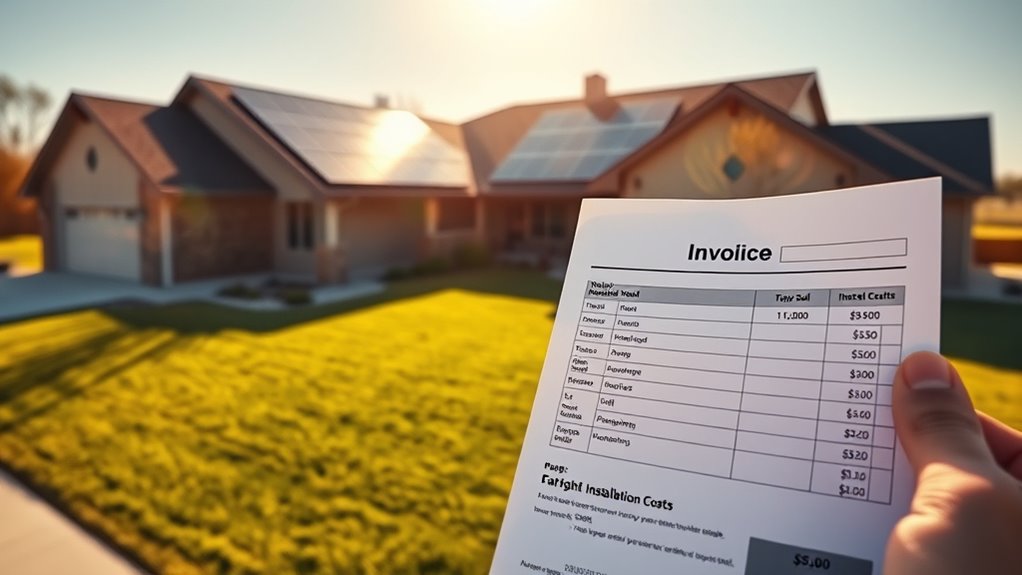
Kansas offers enough sunlight to make installing solar panels worthwhile, but you’ll want to take into account the upfront costs before making a decision. Typically, the total price for a residential solar panel system ranges from $15,000 to $25,000 before any incentives.
This includes the cost of solar panels, inverters, mounting hardware, and professional installation. Your exact expense depends on factors like system size, roof type, and equipment quality. You might also face additional costs for permits or electrical upgrades if needed.
While this initial investment might seem high, understanding these upfront costs helps you plan your budget effectively and evaluate your long-term savings. Knowing what to expect financially guarantees you’re prepared to commit to solar energy in Kansas confidently.
Which Incentives Can Cut Your Solar Costs in Kansas?
How can you lower the upfront costs of installing solar panels in Kansas? Start by taking advantage of the federal solar Investment Tax Credit (ITC), which lets you deduct 30% of your solar system’s cost from your federal taxes.
Kansas also offers property tax exemptions on solar energy systems, so your home’s assessed value won’t increase because of your panels. Additionally, some local utilities provide rebates or performance-based incentives, so check with your provider.
While Kansas doesn’t have a statewide solar rebate, you might find city or county programs that help. By combining these incentives, you can considerably reduce your initial investment and make solar more affordable.
Researching and applying for these incentives will help you save money upfront and boost your solar project’s financial benefits. It’s definitely worth looking into!
How Much Can Solar Save on Your Kansas Energy Bills?
Taking advantage of incentives can considerably lower your upfront solar costs, but the real savings come from reducing your monthly energy bills. In Kansas, solar panels can cut your electricity costs by generating power during sunny days when rates are highest.
Depending on your system size and energy usage, you might save 50% to 90% on your monthly bills. With net metering, any excess energy you produce gets credited, further lowering costs.
Over time, these savings add up, helping you recoup your investment faster. Plus, as electricity rates rise, your solar savings grow, giving you more financial predictability.
Why Is Solar Good for the Environment in Kansas?
Because solar panels generate clean energy without burning fossil fuels, they considerably reduce greenhouse gas emissions that harm the environment. When you install solar panels in Kansas, you help cut down on carbon dioxide and other pollutants that contribute to climate change and poor air quality.
Installing solar panels in Kansas reduces harmful emissions and fights climate change for cleaner air and a healthier planet
Kansas benefits from abundant sunlight, so your solar system can produce plenty of renewable energy year-round. This means you can minimize reliance on coal and natural gas plants, which is a big win for the planet.
This shift to cleaner energy preserves natural resources and protects local wildlife habitats from pollution and mining disruptions. By choosing solar, you’re directly supporting a healthier environment and promoting sustainable energy use.
Plus, your decision encourages others in Kansas to adopt green technology. That way, the positive impact on the state’s air, water, and overall ecosystem just keeps growing!
What Local Challenges Affect Solar Panels in Kansas?
You’ll need to think about how Kansas weather, like storms and cloud cover, can impact your solar panel’s efficiency. The state’s grid infrastructure also has its limits, which might affect how much energy you can feed back.
Plus, local policies play a big role in shaping your solar investment’s benefits and challenges. It’s good to stay updated on any changes that might come up. That way, you can make the most out of your solar setup.
Kansas Weather Impact
Although Kansas enjoys plenty of sunny days, its weather poses some unique challenges for solar panels. You’ll face strong winds, especially during tornado season, which can damage or shift panels if they’re not properly secured.
Hailstorms are another concern since large hail can crack or dent solar panels, reducing their efficiency or causing costly repairs. Winter brings snow accumulation that blocks sunlight, so you’ll need to weigh up panel angles or maintenance to clear snow.
Also, temperature swings can affect panel performance; extreme heat may slightly reduce efficiency, while cold conditions generally don’t harm output. Knowing these factors helps you prepare and maintain your system, ensuring your solar investment performs well despite Kansas’s unpredictable weather.
Grid Infrastructure Limitations
Kansas faces several grid infrastructure challenges that can impact the effectiveness of your solar panel system. The local grid struggles with outdated equipment and limited capacity to handle increased solar input. This can lead to delays in connecting your system or restrictions on how much energy you can feed back to the grid.
On top of that, frequent outages and voltage fluctuations might affect system performance. Knowing these issues upfront helps you set realistic expectations for your solar investment. It’s all about being prepared and understanding what to expect.
| Challenge | Impact on Solar Panels | What It Means for You |
|---|---|---|
| Aging Equipment | Connection delays | Longer wait times to go live |
| Limited Capacity | Energy feed-in restrictions | Potentially lower returns |
| Voltage Fluctuations | System performance issues | Reduced efficiency |
| Outages | Interruptions | Less reliable power generation |
| Upgrade Costs | Possible increased expenses | You might face higher fees |
State Policy Influence
When state policies shift, they can considerably impact how beneficial solar panels are for your home or business. In Kansas, policies like net metering rules and tax incentives directly affect your solar investment’s payoff.
Right now, net metering policies aren’t as favorable here compared to other states. That means you might not get full credit for the extra energy your panels produce. Plus, state-level incentives are pretty limited, so you can’t count much on rebates or tax breaks to lower your upfront costs.
Local regulations and permitting processes can also slow down installation and add extra expenses. Knowing these policy challenges helps you figure out the real value of going solar in Kansas.
Keep an eye on potential policy changes, too. Staying informed makes sure you make the best decision for your energy future.
Frequently Asked Questions
How Long Do Solar Panels Typically Last in Kansas?
Solar panels typically last 25 to 30 years in Kansas. You’ll get reliable energy production throughout that time, especially with proper maintenance.
Degradation is slow, so you’ll enjoy clean power long after installation. It’s a solid investment that keeps on giving!
Can Solar Panels Increase My Home’s Resale Value in Kansas?
Yes, solar panels can boost your home’s resale value in Kansas. Buyers often appreciate energy savings and sustainability, making your property more attractive.
They’ll likely pay more for a home with lower utility costs and green features. Plus, having solar panels already installed can make the selling process smoother. It’s a win-win for you and the next homeowner!
What Maintenance Do Solar Panels Require in Kansas?
Like tending a garden, your solar panels need light cleaning and occasional inspections to keep shining.
You’ll want to clear debris, check for damage, and guarantee connections stay tight—simple steps that keep energy flowing smoothly year-round.
Are There Any Restrictions on Solar Panel Installations in Kansas Neighborhoods?
Yes, some Kansas neighborhoods have homeowners’ associations that may restrict solar panel installations. You’ll want to check local zoning laws and HOA rules before installing to avoid issues.
Most areas, however, support solar adoption. So, don’t be discouraged—there’s a good chance you can go solar without much hassle.
How Do Solar Panels Perform During Kansas Winters?
Solar panels still perform well during Kansas winters, even with snow. They generate energy on sunny days, and snow usually slides off or melts quickly.
Conclusion
If you’re still on the fence about solar panels in Kansas, remember this: with plenty of sunlight, solid incentives, and noticeable savings, going solar is a smart move. Sure, you might face a few local challenges, but like a trusty steamboat steering the river, you’ll find your way through.
Not only will you cut energy costs, but you’ll also help the environment. Solar power reduces your carbon footprint and boosts energy independence. In today’s world, investing in solar panels in Kansas is truly worth it.
With abundant sunshine and state incentives, solar panels can significantly lower your electricity bills. Plus, the long-term benefits often outweigh the initial costs. So if you want to save money and support green energy, solar panels in Kansas are a smart, eco-friendly choice.


One Comment