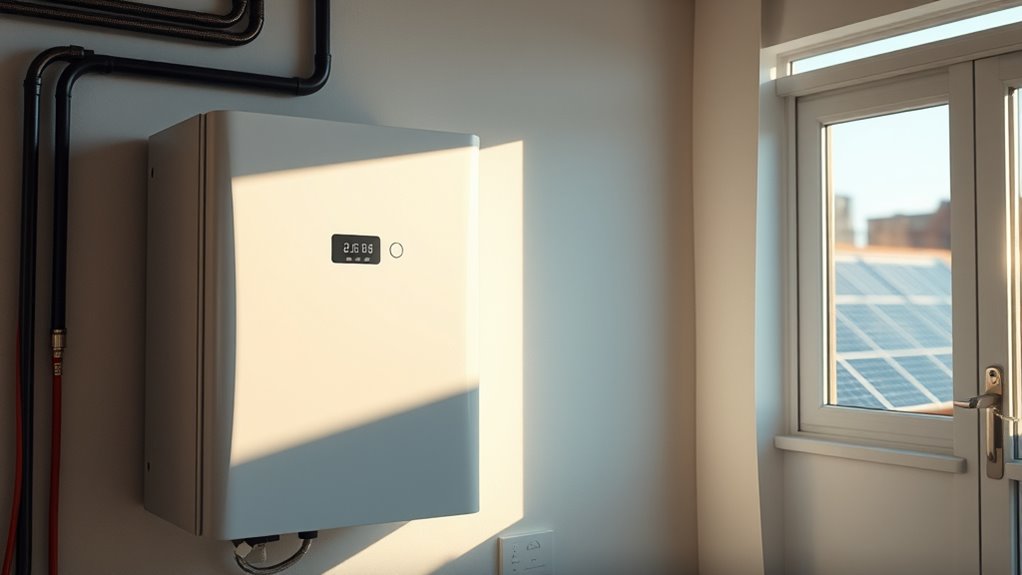
What Do Solar Batteries Provide for Backup Power During Outages?
Solar batteries provide you with clean, reliable backup power during outages when the grid fails. They automatically kick in to keep essential appliances running, like your refrigerator, lights, phone chargers, and medical devices.
Having a solar battery means you’re not left in the dark or without power for critical needs.
You can even power kitchen gadgets and entertainment systems for short periods. They work quietly and need little maintenance, which is a huge plus. This helps you avoid food spoilage and stay connected during outages.
Understanding how solar batteries perform and support your home will help you choose the best system for your needs. It’s all about making sure you’re prepared and comfortable when the power goes out.
Key Takeaways
- Solar batteries store energy from solar panels to provide backup power automatically during grid outages. They supply electricity to essential appliances like refrigerators, lighting, communication devices, and medical equipment.
- How long they last depends on a few things like battery capacity, how much power you use, the health of the battery, and the weather conditions.
- These batteries operate quietly and need very little maintenance. Plus, they can handle short-term use of kitchen and entertainment devices without any hassle.
- One of the best parts? Solar batteries offer a clean, emission-free alternative to fuel-powered generators when the power goes out. It’s a greener way to keep your home running smoothly.
Solar Battery Backup During Power Outages
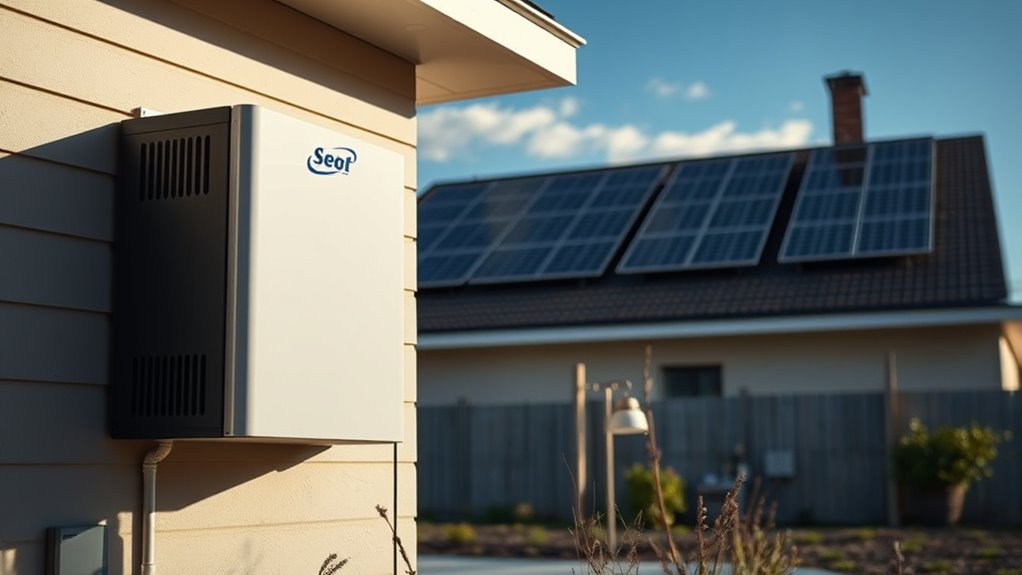
How can you keep your home powered when the grid goes down? Solar battery backup systems store energy generated by your solar panels, so you have power even during outages.
When the grid fails, your battery automatically kicks in, supplying electricity to essential appliances and devices without interruption. This means you won’t have to worry about losing refrigeration, lighting, or communication tools.
You can manage your energy use efficiently by prioritizing what to power, ensuring your battery lasts longer. Plus, these systems work quietly and require minimal maintenance.
How Long Do Solar Batteries Last During Outages?

The duration your solar battery lasts during an outage depends on several factors, including its capacity, your energy consumption, and the number of appliances you run.
If you have a high-capacity battery and limit your usage to essential devices, your backup power can last several hours or even days. Conversely, running multiple high-energy appliances will drain the battery much faster.
Additionally, the battery’s state of charge before the outage matters—fully charged batteries provide maximum backup time. Environmental conditions and battery age also play roles; older or poorly maintained batteries won’t hold a charge as effectively.
To maximize duration, monitor your consumption and manage loads carefully. Understanding these factors helps you plan better and guarantees your solar battery backup lasts as long as possible during outages.
What Appliances Can Solar Batteries Support?

You can rely on solar batteries to keep essential household appliances running during outages. They’re also great for powering kitchen devices like refrigerators and microwaves.
Plus, they can support your entertainment systems so you stay connected and comfortable. It’s pretty handy when the power goes out and you don’t want to miss a beat.
Essential Household Appliances
Which household appliances can you rely on when your solar battery kicks in during a power outage? Solar batteries can power essential devices like your refrigerator, ensuring your food stays fresh. You can also keep lights on to navigate safely and maintain comfort.
Small fans or heaters may run, depending on your battery’s capacity, helping regulate temperature. Communication devices, such as your phone charger and Wi-Fi router, can stay powered so you remain connected.
Additionally, important medical equipment like CPAP machines or oxygen concentrators can operate without interruption. However, high-energy appliances like air conditioners or large heaters typically exceed solar battery limits.
Understanding your battery’s output helps you prioritize which essential appliances to run, keeping your household safe and functional during outages. It’s all about knowing what your system can handle so you don’t get caught off guard.
Powering Kitchen Devices
Although solar batteries have limited capacity, they can still power many common kitchen devices during an outage. You can keep your refrigerator running to preserve perishables and avoid food spoilage.
Small appliances like microwaves and coffee makers are also manageable for short periods. This lets you prepare simple meals and hot drinks without much hassle.
Devices such as slow cookers or electric kettles draw less power, making them ideal for extended use on battery backup. They’re perfect when you need to keep things running longer.
However, high-energy appliances like ovens or dishwashers might be off-limits due to their heavy power demands. So, it’s best to avoid those when relying on solar batteries.
Supporting Entertainment Systems
How long can your favorite entertainment devices run on solar batteries during an outage? Solar batteries can keep your TV, gaming consoles, and sound systems powered for several hours, depending on their capacity and your usage.
For example, a typical LED TV uses around 100 watts, so a 5 kWh battery could power it for about 50 hours if no other devices are connected. Streaming devices and Wi-Fi routers usually consume less power, which helps extend your entertainment time.
However, high-powered systems like home theaters may drain batteries faster. To maximize backup time, consider turning off unused devices and lowering screen brightness.
With the right solar battery setup, you won’t have to miss your favorite shows or games, even when the grid goes down.
Solar Batteries vs. Traditional Backup Generators
When choosing between solar batteries and traditional backup generators, you’ll want to take into account their power sources and how they impact the environment. Solar batteries use clean energy and require less maintenance.
Generators, on the other hand, rely on fuel and can be noisier and less reliable. Let’s compare these options to help you decide which backup power fits your needs.
Power Source Comparison
Why choose between solar batteries and traditional backup generators when deciding on a power source? Solar batteries store energy from your solar panels, providing quiet, emission-free power during outages. They activate instantly, ensuring your essential devices stay on without interruption.
In contrast, traditional generators run on fuel like gasoline or propane, producing power only once started manually or automatically. While generators can supply higher wattage for longer periods, they require regular maintenance, fuel storage, and generate noise.
Solar batteries need upfront installation costs but offer seamless integration with your solar system and minimal upkeep. You’ll appreciate solar batteries for short-term, clean backup, while generators suit longer outages or higher power demands.
Your choice depends on your energy needs, budget, and how much convenience you want during outages. It’s all about what works best for your lifestyle and peace of mind.
Environmental Impact Differences
Although both solar batteries and traditional backup generators provide essential power during outages, their environmental impacts differ markedly. When you use solar batteries, you rely on clean energy stored from the sun, producing no direct emissions during an outage.
This means you’re reducing your carbon footprint and minimizing air pollution. In contrast, traditional generators burn fossil fuels like diesel or gasoline, releasing greenhouse gases and harmful pollutants.
You also have to take into account fuel extraction and transportation, which add to the environmental toll. While solar batteries do require energy and resources for manufacturing, their long-term eco benefits usually outweigh those of generators.
Maintenance And Reliability
How often do you need to maintain your backup power system? With solar batteries, maintenance is minimal—you mostly just monitor the system’s performance and make sure connections stay clean and secure.
Unlike traditional generators that require regular oil changes, fuel refills, and engine checks, solar batteries have no moving parts. This reduces the risk of mechanical failure.
You’ll find solar batteries reliable, especially during extended outages, because they don’t depend on fuel availability. That said, the battery’s lifespan varies by type and usage, so you’ll eventually need to replace it after several years.
In contrast, generators can run longer but may fail if not properly maintained. Choosing solar batteries means you get a quieter, low-maintenance backup that’s ready whenever you need it.
Key Factors Affecting Solar Battery Performance During Outages
When outages strike, your solar battery’s ability to provide reliable backup power depends on several key factors. First, the battery’s capacity determines how much energy it can store and supply during an outage. You’ll want to guarantee it’s sized appropriately for your essential loads.
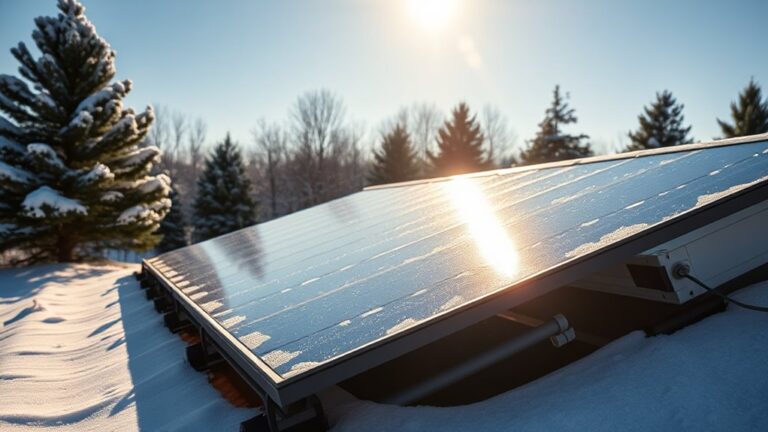
Second, the state of charge at the time the outage begins really matters—a fully charged battery gives you maximum backup time. Third, temperature affects battery efficiency; extreme heat or cold can reduce performance, so consider your climate.
Fourth, how efficiently your system manages energy use impacts battery life during outages. Energy-saving habits help extend backup duration. Finally, the battery’s age and health influence its ability to hold a charge, so keep an eye on its condition for ideal performance.
Choosing the Right Solar Battery Backup System
Understanding the factors that influence your solar battery’s performance during outages helps you make informed choices about the right backup system. When selecting a solar battery backup, consider your energy needs, budget, and the system’s compatibility with your existing solar setup.
You’ll want a battery that offers reliable power, enough capacity for your critical loads, and a lifespan that matches your expectations. It’s all about finding the right balance for your home or business.
Keep these key points in mind:
- Battery capacity: *Guarantee* it can support your essential appliances during outages.
- Depth of discharge: Choose a battery that allows frequent use without degrading quickly.
- Chemistry type: Lithium-ion batteries typically provide better performance and longevity.
- Warranty and support: Opt for manufacturers with solid warranties and customer service.
Frequently Asked Questions
Can Solar Batteries Be Recycled After Their Lifespan Ends?
Yes, you can recycle solar batteries after their lifespan ends. Many facilities specialize in safely recovering valuable materials.
How Do Weather Conditions Affect Solar Battery Efficiency Year-Round?
You’ll notice solar battery efficiency drops in extreme cold or heat because temperature affects chemical reactions inside. Mild weather helps maintain performance.
So, it’s a good idea to keep an eye on the conditions around your battery. You might even want to think about temperature-controlled storage to keep things steady.
This way, you can enjoy consistent efficiency all year round without surprises.
Are Solar Batteries Safe to Install Indoors?
Yes, you can install solar batteries indoors, but you’ll need proper ventilation and safety measures. Make sure they’re kept away from heat sources and follow manufacturer guidelines.
This helps prevent overheating, gas buildup, or fire hazards. It’s all about keeping things safe and sound inside your space.
What Maintenance Do Solar Batteries Require Annually?
Think of your solar battery like a car—it needs a yearly checkup. You’ll want to inspect connections, clean terminals, and test performance.
Just like a tune-up keeps your car running smoothly, this keeps your battery reliable.
Can Solar Batteries Integrate With Smart Home Systems?
Yes, you can integrate solar batteries with smart home systems. They allow you to monitor energy use, automate backup power, and optimize efficiency.
This gives you greater control over your home’s energy management and helps reduce your utility costs. It’s a smart way to make the most out of your solar setup!
Conclusion
When the power goes out, solar batteries can keep your essential appliances running for hours, sometimes even days. Did you know that some solar battery systems can provide backup power for up to 24 hours during an outage? That means you won’t be left in the dark or without your fridge and lights.
By choosing the right system, you’ll enjoy reliable, clean energy backup—giving you peace of mind when it matters most. Solar batteries provide a smart solution for backup power during outages, ensuring your home stays powered without relying on the grid.
With solar batteries, you get the benefits of renewable energy combined with dependable backup power. This means uninterrupted access to your essentials, making solar batteries a valuable investment for any home.