Can Solar Panels Damage Your Roof and How to Prevent It
You won’t damage your roof if you choose skilled professionals to install your solar panels correctly. Proper mounting systems and thorough sealing prevent leaks and maintain stability.
Before installation, have your roof’s condition checked since panels last 25+ years. Regular inspections and debris removal keep your roof healthy over time.
Watching for loose shingles or water stains early can save costly repairs.
If you want to learn how to safeguard your roof and ensure long-lasting solar performance, keep exploring.
Key Takeaways
- Proper installation by skilled professionals prevents roof damage and ensures panel stability without compromising roof integrity. It’s really important to get experts involved from the start.
- Improper sealing and careless handling can cause leaks, damaged shingles, and poor ventilation under panels. So, taking shortcuts here can lead to big problems later on.
- Conduct a thorough roof inspection before installation to assess condition and support capacity for long-term panel use. Knowing your roof’s health upfront makes a huge difference.
- Use quality mounting hardware and seal all penetrations to prevent water ingress and structural strain. These small details help keep your roof safe and sound.
- Maintain the roof with biannual inspections, debris removal, and professional check-ups to preserve roof health and panel performance. Staying on top of maintenance pays off in the long run.
Can Solar Panels Damage Your Roof?
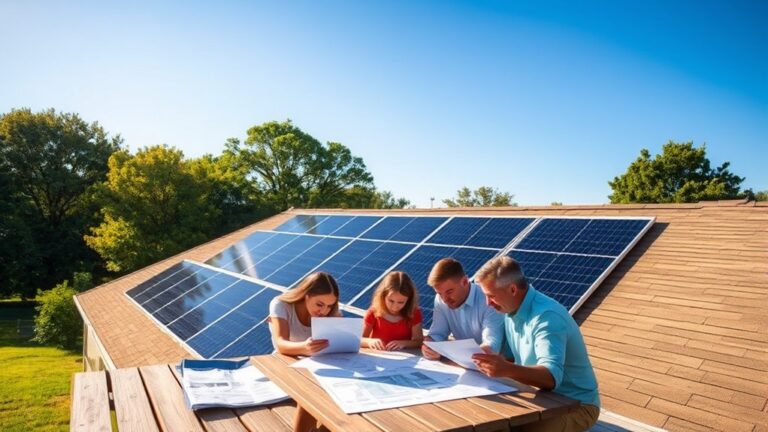
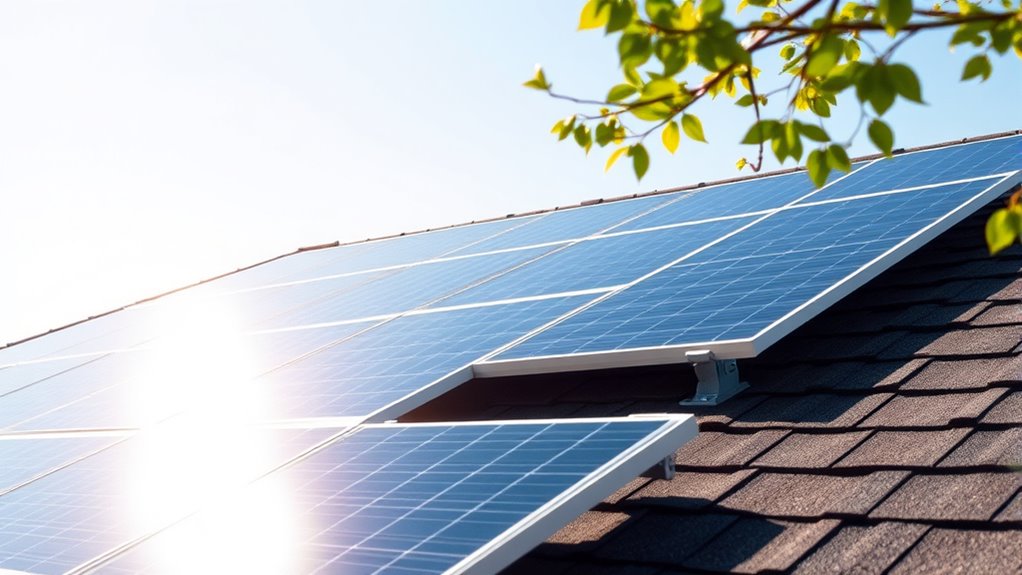
Although many worry that installing solar panels might harm their roof, proper installation actually prevents damage. When you work with a skilled installer, they secure panels without compromising your roof’s integrity.
Properly installed solar panels protect your roof and maintain its integrity without causing damage.
They use specialized mounting systems designed to protect against leaks and maintain structural stability. You’ll also want to verify that your roof is in good condition before installation since panels can last 25 years or more.
Regular inspections and maintenance help catch minor issues early, so your roof stays sound. Ultimately, solar panels won’t damage your roof if installed correctly and cared for properly.
You can enjoy clean energy without sacrificing your roof’s health by choosing experienced professionals and staying proactive with upkeep.
Common Roof Problems Caused by Solar Panels
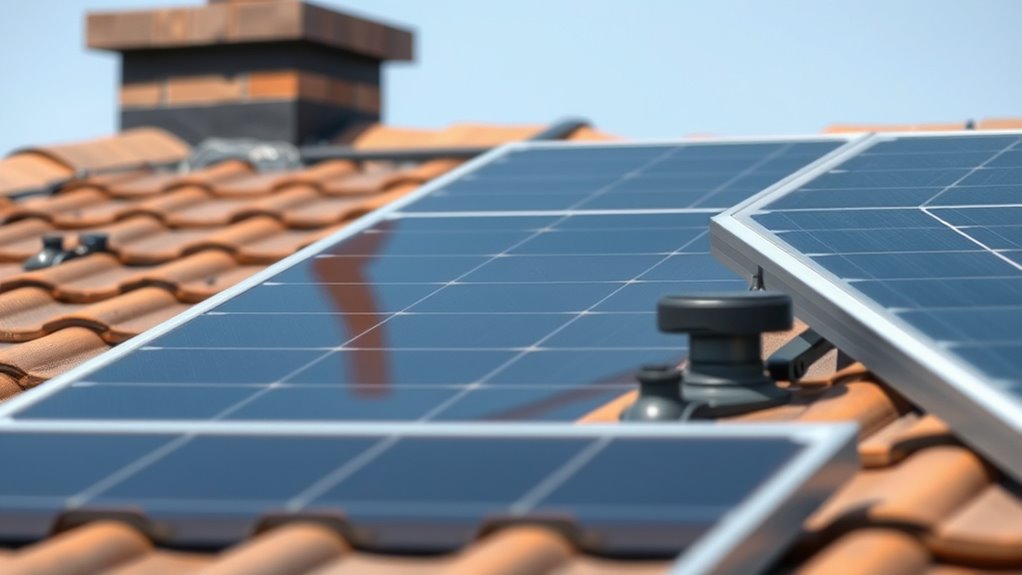
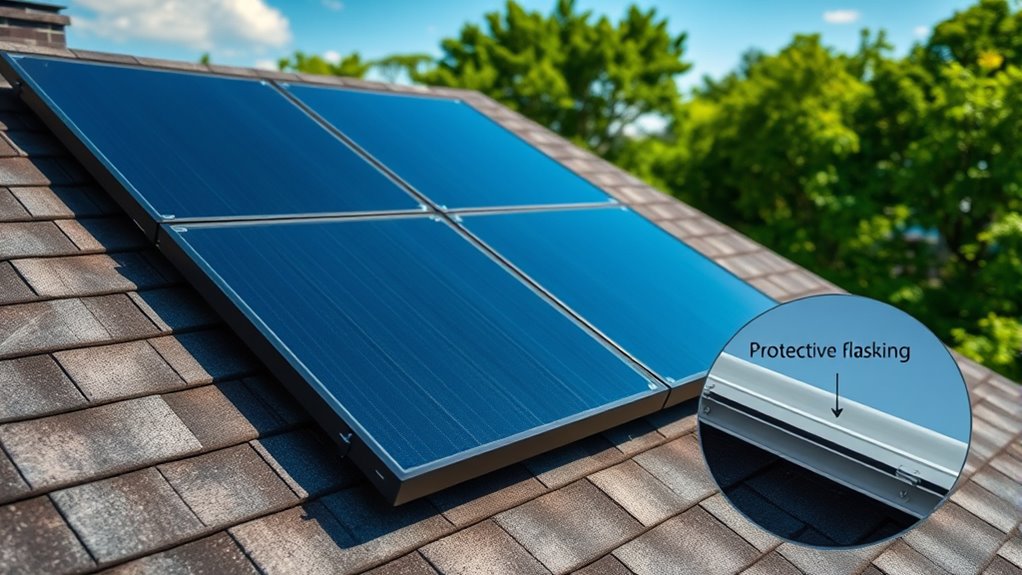
When solar panels aren’t installed or maintained properly, they can lead to common roof problems like leaks, damaged shingles, and poor ventilation. You might notice leaks if flashing around the panels isn’t sealed correctly, allowing water to seep under shingles.
Damaged shingles often happen when installers walk carelessly or remove shingles to fit mounts. This can weaken your roof’s protective layer and cause issues down the line.
Poor ventilation can occur because panels block airflow, trapping heat and moisture. Over time, this may lead to mold or rot, which is definitely not something you want.
Also, improper panel placement can strain your roof’s structure, especially if it’s older or already weakened. So, it’s super important to hire experienced professionals who follow best practices.
Make sure they regularly inspect and maintain both your panels and roofing system to keep everything in good shape. It’s the best way to protect your roof and your investment.
Spotting Early Signs of Roof Damage
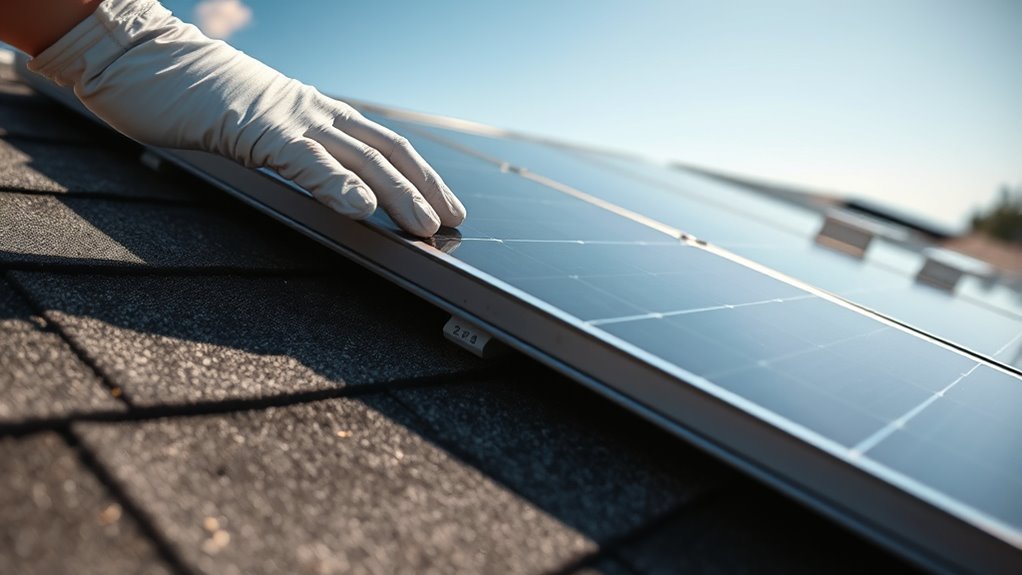
If you want to protect your roof and solar panels, you need to spot early signs of damage before they worsen. Catching issues early saves you time and money, preventing costly repairs down the line.
Here’s what to look for:
- Loose or Missing Shingles – Check near panel mounts where stress is highest.
- Water Stains or Leaks – Inspect your attic and ceiling for damp spots.
- Cracked or Warped Roof Material – Heat from panels can sometimes cause wear.
- Rust or Corrosion Around Mounts – Metal parts exposed to moisture may degrade.
How to Install Solar Panels Safely
Since improper installation can lead to costly damage, you need to follow key safety steps when putting up solar panels. First, inspect your roof’s condition to verify it can support the panels.
Next, use proper mounting hardware to prevent leaks and secure panels firmly. Always seal penetrations to avoid water damage.
Ultimately, hire or consult with certified professionals to guarantee safety and code compliance.
| Step | Action | Tip |
|---|---|---|
| 1. Roof Inspection | Check structure integrity | Fix any issues before install |
| 2. Mounting | Use quality brackets | Avoid drilling errors |
| 3. Sealing | Apply waterproof sealant | Prevent leaks |
| 4. Professional Help | Hire licensed installers | Ensure code compliance |
Following these steps helps protect your roof while maximizing solar benefits. It’s worth taking the time to do it right!
Maintaining Your Roof After Solar Panel Installation
Although installing solar panels protects the environment and lowers energy bills, you still need to maintain your roof regularly to prevent damage. Neglecting upkeep can lead to leaks or structural issues beneath your panels.
To keep your roof in top shape, follow these steps:
- Inspect your roof and panels twice a year for signs of wear or loose mounts. It’s a good idea to catch problems early before they get worse.
- Clear debris like leaves or branches around panels to avoid water buildup and damage. Keeping the area clean helps everything last longer.
- Schedule professional roof inspections every few years to catch hidden problems early. Pros can spot things you might miss.
- Trim nearby trees to prevent branches from scratching panels or dropping harmful debris. This keeps your panels safe and working well.
Best Roof Types for Solar Panels
What makes a roof ideal for solar panels? You want a roof that’s durable, has a long lifespan, and offers good support for mounting panels. Certain materials handle solar panel installation better, reducing damage risks and maintenance costs.
Here’s a quick comparison:
| Roof Type | Durability | Solar Panel Suitability |
|---|---|---|
| Asphalt Shingles | Moderate (15-30 yrs) | Very Good |
| Metal | High (40-70 yrs) | Excellent |
| Tile (Clay/Concrete) | High (50+ yrs) | Good |
| Wood Shingles | Moderate (20-30 yrs) | Fair |
Metal roofs stand out for longevity and ease of installation. Asphalt shingles are common and cost-effective.
Frequently Asked Questions
How Do Solar Panels Affect My Home Insurance Policy?
You’ll need to inform your insurer about your solar panels, as they can increase your home’s value and risk profile.
Your policy might change, possibly raising premiums or requiring additional coverage for the panels themselves. It’s a good idea to check in with your insurance provider to see what’s needed.
Can Solar Panels Increase My Property’s Resale Value?
Yes, solar panels can increase your property’s resale value, attract eco-conscious buyers, and lower energy costs. They boost curb appeal, add modern appeal, and demonstrate energy efficiency.
This makes your home more desirable and valuable in the market. Plus, who doesn’t want a house that’s both stylish and good for the planet?
What Warranties Cover Solar Panel Roof Damage?
You’ll find roof damage coverage in some solar panel installation warranties, plus your roofing warranty might help. Also, your homeowner’s insurance could cover damage.
Always check all warranty terms and keep documentation for claims. It’s a good idea to know exactly what’s covered before any issues come up. That way, you’re prepared if you need to make a claim.
Do Solar Panels Impact Attic Temperature or Ventilation?
You might think solar panels trap heat like a thick blanket, but they actually create shade that cools your attic by up to 5°F.
Just make certain proper ventilation to keep airflow smooth and avoid hot spots. It’s all about letting the air move freely so things don’t get too warm up there.
Are There Tax Incentives for Roof-Safe Solar Installations?
Yes, you can get tax incentives for roof-safe solar installations. Federal and state programs often offer credits or rebates, saving you money while ensuring your installation protects your roof’s integrity.
It’s a great way to make your home more energy-efficient without breaking the bank. Just be sure to check local policies for the specific details that apply to you.
Conclusion
You don’t have to fear that solar panels will damage your roof if you take proper precautions. Like a knight guarding a castle, you can protect your home by spotting early signs of wear and ensuring safe installation.
Regular maintenance and choosing the right roof type will keep both your panels and roof in top shape. It’s all about staying proactive and informed.
Embrace solar energy confidently, knowing you’ve safeguarded your roof against any potential harm. Proper installation, routine checks, and understanding your roof’s condition are key to preventing damage.
With these steps, solar panels can be a great addition without compromising your roof’s integrity. So go ahead—enjoy the benefits of solar panels while keeping your roof safe and sound.