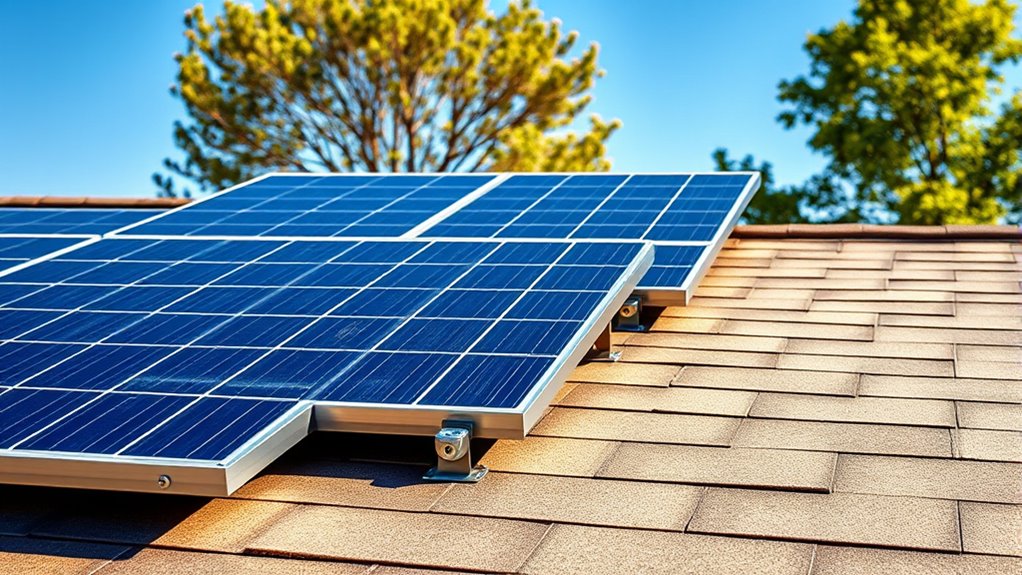
Do Solar Panels Damage Roof and How to Prevent It
Solar panels can sometimes cause roof damage if they’re not installed or maintained the right way. Issues like leaks, cracked shingles, or trapped moisture might pop up and harm your roof over time. But don’t worry, there are simple ways to prevent these problems and keep your roof safe while enjoying the benefits of solar energy.
One key step is to hire experienced installers who know how to handle flashing and sealants properly. This ensures your roof stays watertight. Also, good airflow under the panels is super important to avoid moisture buildup.
Regular inspections and cleaning go a long way too. Plus, trimming nearby trees can stop branches from scratching your roof or dropping debris.
By following these tips, you’ll protect both your solar investment and your roof’s integrity for years to come.
Key Takeaways
– Poorly installed solar panels can cause roof leaks, mold, and structural damage due to improper flashing and water infiltration.
It’s really important to get the installation right to avoid these issues.
– Proper installation with certified installers and sealed mounting points prevents leaks and protects roof integrity.
Make sure the people installing your panels know what they’re doing!
– Regular maintenance, including cleaning panels and inspecting mounts, helps avoid moisture buildup and roof deterioration.
Keeping an eye on things can save you a lot of trouble down the road.
– Using non-corrosive materials and distributing panel weight evenly reduces stress on aging or weak roofs.
This helps your roof handle the extra weight without any problems.
– Ensuring adequate airflow around panels prevents heat buildup that accelerates roof wear and damage.
Good airflow keeps everything cooler and extends your roof’s lifespan.
Common Roof Problems From Solar Panels
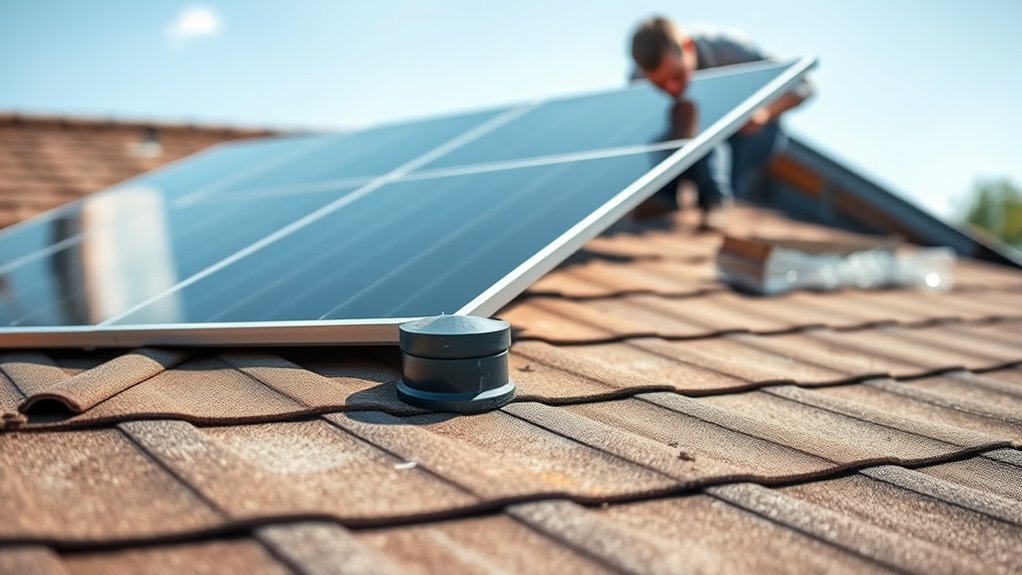
Although solar panels offer many benefits, they can sometimes cause common roof problems if not installed or maintained properly. You might notice leaks developing around the mounting points where panels are attached, especially if the flashing isn’t sealed well.
Over time, water can seep in, leading to rot or mold growth. Panels add extra weight, which could stress an older or weak roof structure, causing damage or sagging.
You may also encounter issues with roof ventilation, as panels can block airflow and trap heat, accelerating wear. Additionally, if debris like leaves or dirt builds up around or under the panels, it can trap moisture and cause deterioration.
Being aware of these problems helps you monitor your roof’s condition effectively. It’s always a good idea to keep an eye out and get things checked if something seems off.
Preventing Roof Damage Through Proper Installation
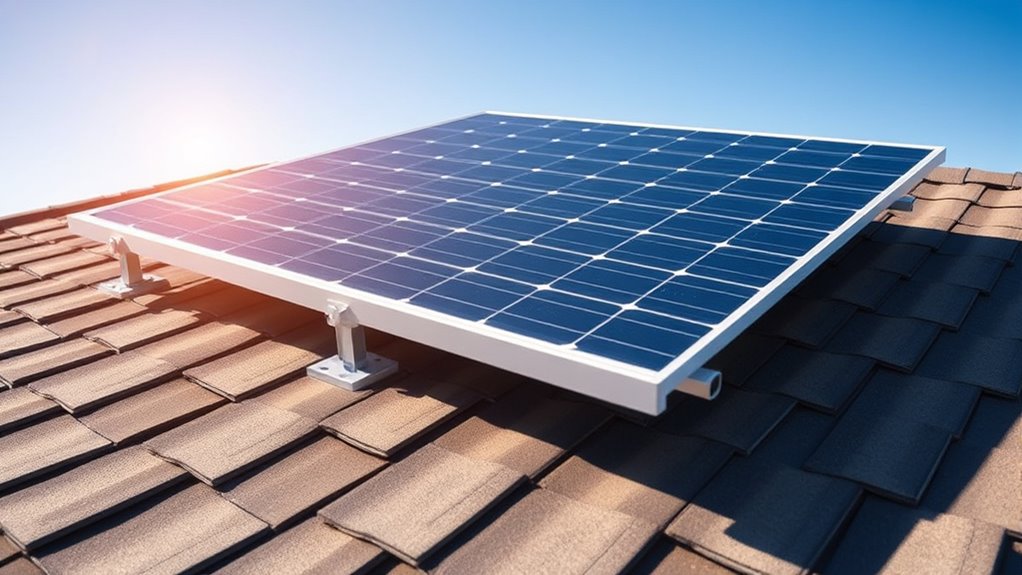
When you guarantee solar panels are installed correctly, you considerably reduce the risk of roof damage. Start by hiring a certified, experienced installer who understands your roof type and local climate.
They’ll use proper flashing and sealants around mounting points to prevent leaks. Make sure the mounting hardware is compatible with your roofing material and installed without over-tightening, which can crack shingles.
Insist on placing panels to allow airflow, reducing heat buildup that stresses roofing materials. Also, confirm that the installer avoids unnecessary roof penetrations and uses non-corrosive materials to prevent rust.
Maintaining Your Roof With Solar Panels
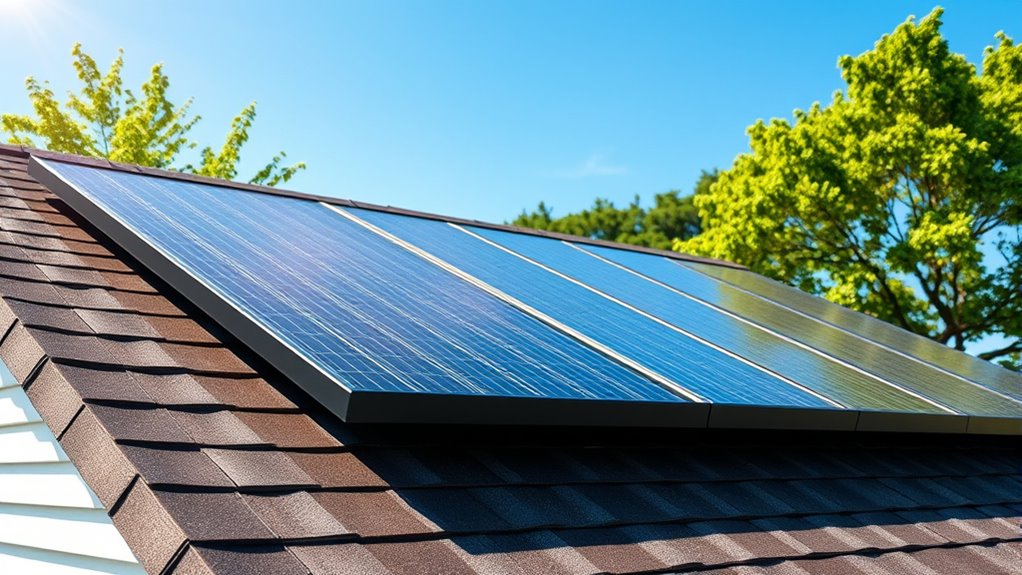
Since solar panels sit on your roof for years, you need to maintain both the panels and the roof to prevent damage. Regularly inspect your roof around the panel mounts for any signs of wear or water pooling.
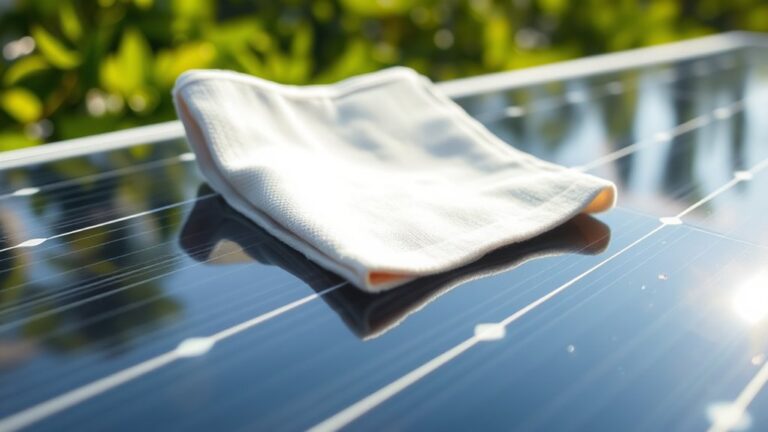
Keep gutters clear to ensure proper drainage, reducing moisture buildup that can weaken roofing materials. Cleaning your solar panels periodically is also important to avoid debris accumulation, which can trap moisture against your roof.
Don’t forget to trim nearby trees to prevent branches from scratching panels or causing debris buildup. Also, schedule professional inspections every couple of years to check the integrity of mounts and flashing.
Signs of Roof Damage Caused by Solar Panels
You might not notice roof damage from solar panels right away, but certain signs can reveal issues early on. Look for cracked or missing shingles around the panel mounts, as improper installation can loosen them.
Check for water stains or mold inside your attic; these indicate leaks caused by compromised flashing or sealants. Warping or sagging sections of your roof near the panels also signal structural stress.
Pay attention to rust on metal components, which can lead to corrosion and leaks. Finally, peeling paint or blistering on your roof’s surface could mean trapped moisture.
Catching these signs quickly helps you avoid costly repairs and extends your roof’s lifespan. Regular inspections around solar panel installations are essential to spot problems before they worsen.
What Solar Panels Mean for Your Roof Type
Although solar panels offer great benefits, their impact varies depending on your roof type. If you have an asphalt shingle roof, solar installations generally work well. But you’ll need to verify the shingles are in good condition to avoid leaks.
Solar panels work well on asphalt shingle roofs, but ensure shingles are in good condition to prevent leaks.
For tile roofs, mounting solar panels can be trickier. Tiles are fragile and may crack during installation, so extra care is needed.
Metal roofs are ideal since they’re durable and easy to work with. They often allow clamps without drilling, which makes installation simpler.
Flat roofs require special mounting systems to secure panels without damaging the surface. Knowing your roof type helps you anticipate how solar panels will interact with it.
That way, you can make informed decisions and maintain your roof’s integrity while enjoying clean energy.
Tips to Protect Your Roof When Installing Solar Panels
To keep your roof safe when adding solar panels, you need to focus on proper mounting techniques that prevent leaks and damage. Make sure the installation team uses high-quality materials and seals every penetration carefully.
Also, schedule regular roof inspections to catch any issues early before they become costly problems. It’s better to spot trouble early than to deal with big repairs later on.
Proper Mounting Techniques
When installing solar panels, using proper mounting techniques plays a crucial role in protecting your roof from damage. You want to guarantee the mounting system is secure yet gentle on your roofing materials.
Here are four key steps to follow:
- Choose the right mounts – Use mounts designed for your specific roof type to avoid unnecessary stress or leaks.
- Seal all penetrations – Apply high-quality flashing and sealants around all bolts and screws to prevent water infiltration.
- Distribute weight evenly – Position mounts to spread the load, minimizing pressure points that can cause damage.
- Avoid unnecessary drilling – Use existing structural elements when possible to reduce the number of holes made in your roof.
Regular Roof Inspections
Since your roof bears the weight of solar panels and mounts, you should schedule regular inspections to catch any signs of damage early. Inspecting your roof helps you spot loose shingles, water leaks, or mounting issues before they worsen.
You don’t want minor problems turning into costly repairs. Also, inspections verify your solar setup remains secure and efficient.
Here’s a quick inspection checklist to guide you:
| Inspection Focus | What to Look For |
|---|---|
| Shingles | Cracks, curling, missing pieces |
| Flashing | Rust, gaps, or loose seals |
| Mounting Hardware | Rust, loose bolts, or shifts |
| Water Damage Signs | Stains, mold, or damp spots |
Regular checks keep your roof and solar panels in top shape. It’s a simple step that can save you a lot of headaches down the road.
Frequently Asked Questions
Can Solar Panels Increase My Home’s Resale Value?
Yes, solar panels can boost your home’s resale value by attracting eco-conscious buyers and reducing energy costs.
Just make sure they’re well-installed and maintained to maximize benefits and appeal to potential buyers.
Do Solar Panels Affect Roof Insulation Efficiency?
You’ll find that solar panels can improve roof insulation efficiency by up to 15% because they provide shade and reduce heat absorption.
How Long Do Solar Panels Typically Last on a Roof?
Solar panels typically last 25 to 30 years on your roof. With proper maintenance and quality installation, they can even exceed that lifespan.
They provide efficient energy for decades without compromising your roof’s integrity. So, taking care of them really pays off in the long run!
Are There Insurance Implications for Roofs With Solar Panels?
Coincidentally, installing solar panels can affect your insurance. You’ll want to check with your provider because some policies might increase premiums or require updates.
Don’t worry, though—it’s usually manageable with proper documentation and inspections. Just a quick call or chat with your insurer can clear things up.
Can Solar Panels Cause Leaks During Heavy Rainstorms?
Yes, solar panels can cause leaks during heavy rainstorms if not installed properly. You should guarantee a professional installs them with proper flashing and waterproofing.
This helps prevent water from seeping under your roof and causing damage. It’s really important to get it right to keep your home safe and dry.
Conclusion
You can confidently choose solar panels without fearing roof ruin. By prioritizing proper placement, professional practices, and periodic maintenance, you protect your property from potential problems.
Paying close attention to signs of strain and selecting panels suited to your specific roof type ensures safety and savings. Stay smart, stay safe, and safeguard your space with simple steps.
Solar solutions shine when you prevent, protect, and preserve your precious roof! With the right care, solar panels won’t damage your roof but instead boost your home’s value and energy efficiency. So, invest in quality installation, regular inspections, and timely repairs to keep your roof strong while enjoying clean energy benefits. Remember, prevention and protection are key to a long-lasting, damage-free roof paired with effective solar power.