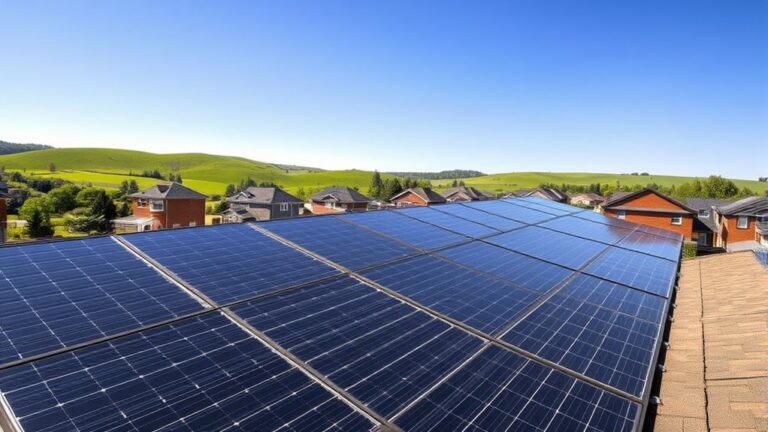
How Do Solar Panels Work in Shade?
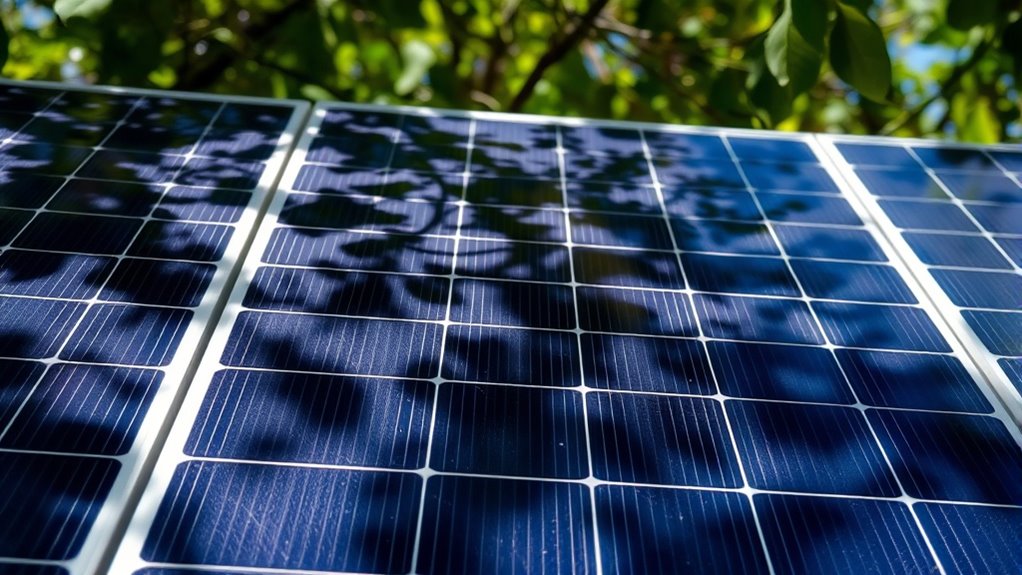
When your solar panels get shaded, even a small shaded spot can drop their energy output considerably because the connected cells limit current flow. Shade creates resistance and voltage drops, which reduce overall performance and can cause hot spots.
This means your solar system won’t work as efficiently as it should when parts of the panels are in shade.
Luckily, there are technologies like microinverters and bypass diodes that help panels keep working better under shade. These tools let the unaffected cells keep producing energy without being dragged down by shaded ones.
You can also reduce shade effects by trimming trees around your panels and positioning them smartly to avoid shadows during peak sunlight hours.
By adjusting how you install and maintain your solar panels, you can boost your system’s efficiency even when shade is an issue. It’s all about making the most of your setup and minimizing obstacles like shade that reduce power output.
Key Takeaways
- Shade reduces sunlight on solar panels, which significantly lowers their energy output and overall system performance.
- When cells are shaded, they create resistance and voltage drops. This messes with the current flow in connected panels or cells.
- Luckily, bypass diodes and microinverters help panels work more efficiently. They allow current to skip over shaded areas.
- Thin-film solar panels actually do better under low-light and shaded conditions compared to traditional panels.
- To keep things running smoothly, regular inspection and trimming of vegetation are key. Smart panel placement also helps minimize shading and maintain optimal energy production.
How Does Shade Affect Solar Panel Performance?
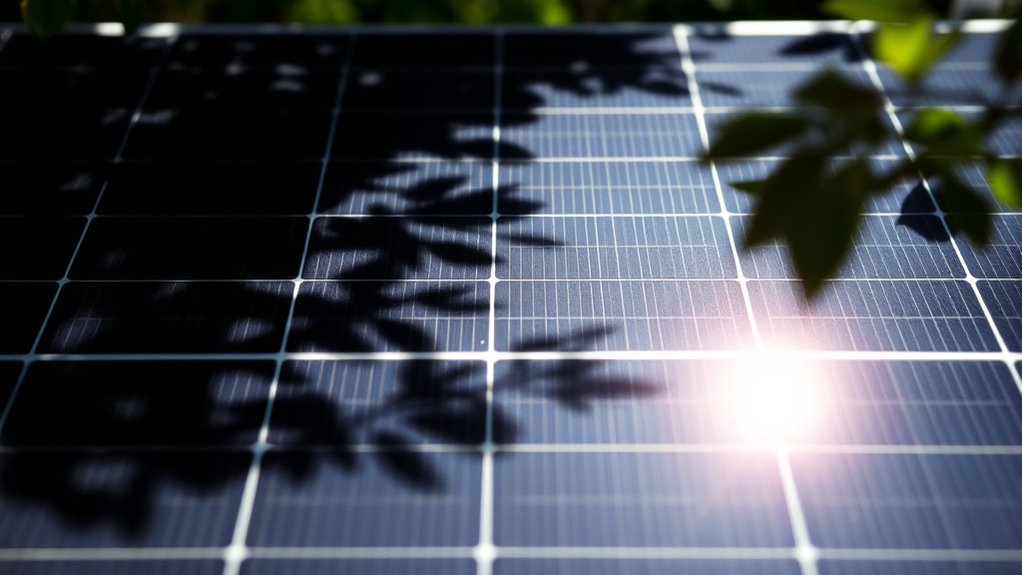
How exactly does shade impact your solar panel’s performance? When any part of your panel is shaded, the affected solar cells receive less sunlight, reducing their ability to generate electricity.
Since solar panels are made up of connected cells, shading just one section can lower the output of the entire panel. This happens because shaded cells create resistance, limiting current flow.
You might notice your system producing less power during cloudy days or when nearby trees cast shadows. Even small shadows from leaves or dirt can cause drops in efficiency.
While solar panels still produce some energy in shade, their overall performance declines noticeably. Understanding this helps you position panels better and keep them clean to maximize sunlight exposure.
How Does Partial Shading Impact Solar Panel Energy Output?
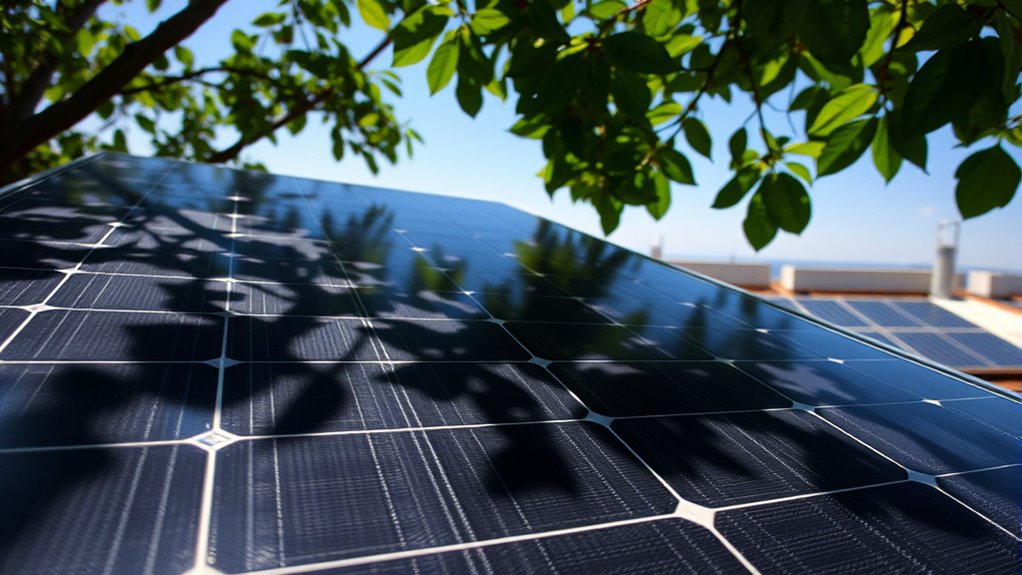
Partial shading doesn’t just reduce the amount of sunlight your solar panels receive—it can substantially disrupt the energy output of the entire system.
When part of a panel or array is shaded, it causes a drop in voltage that affects all panels connected in series. This means even a small shaded area can lead to a significant power loss.
You might experience reduced current flow through shaded cells. Also, bypass diodes kick in to prevent damage, but that still lowers the output.
Hot spots can form on panels, which might cause damage over time. Plus, uneven energy production leads to inefficiency across the whole system.
Understanding this impact helps you see why even partial shading can sharply decrease the overall energy your solar setup generates. It’s not just about the shade—it’s about how it messes with the whole system.
What Solar Panel Technologies Help in the Shade?
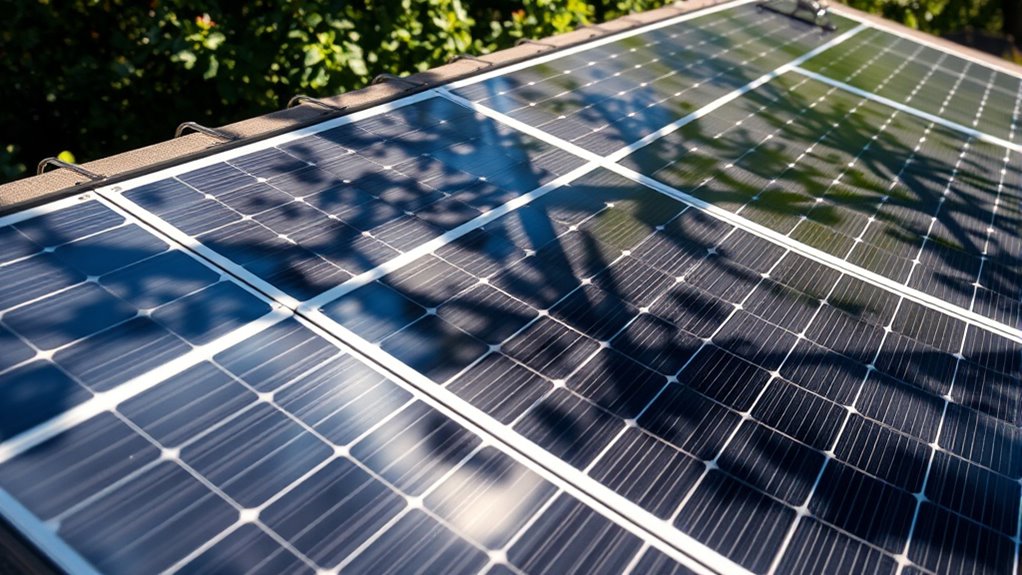
You’ll find that certain technologies can keep your solar panels working better in the shade. Bypass diodes, microinverters, and thin-film panels each offer unique benefits to improve efficiency when sunlight is limited.
Let’s explore how these options help maximize your energy output. It’s pretty cool how a few tweaks can make such a big difference!
Bypass Diodes Benefits
Although shaded solar cells can seriously cut down a panel’s output, bypass diodes help reduce this impact by letting the current flow around the shaded parts. When a section of your panel is shaded, these diodes create another path for the electricity. This stops the entire string from losing power.
So, you end up with more consistent energy production, even when shadows show up.
Bypass diodes come with some great benefits:
- They protect solar cells from overheating and damage caused by shading.
- They boost overall panel efficiency when only part of the panel is shaded.
- They cut down power loss by isolating shaded cells instead of shutting the whole panel down.
- They help your solar panel system last longer by reducing stress on individual cells.
Using bypass diodes basically makes sure your solar panels keep working well, no matter how much shade there is.
Microinverter Advantages
One key technology that helps your solar panels perform better in the shade is the microinverter. Unlike traditional string inverters that connect multiple panels in series, microinverters attach to each panel individually.
This means if one panel is shaded, it won’t drag down the performance of the entire system. Each panel operates independently, maximizing energy production even when shadows fall unevenly.
Microinverters also improve monitoring, allowing you to track the output of each panel separately. This helps you quickly spot issues or shading problems affecting specific panels.
While they may cost more upfront, microinverters offer better shade tolerance and system reliability. So, they’re a smart choice if your roof isn’t exposed to full, consistent sunlight.
Thin-Film Panel Efficiency
When shading reduces sunlight, thin-film solar panels often maintain better efficiency than traditional panels. You’ll find they perform well in low-light conditions because their materials absorb a broader spectrum of light.
This makes them a smart choice if your panels face partial shade throughout the day. Here’s why thin-film technology helps when sunlight is limited:
- Uses materials like amorphous silicon, cadmium telluride, or CIGS that capture diffuse light
- Offers flexibility in panel design and installation angles
- Tolerates partial shading better due to lower sensitivity to hotspots
- Typically has a lower efficiency rating but compensates by producing more consistent power in shade
How to Identify and Reduce Shade on Your Solar Panels
You’ll want to spot common shade sources like trees, chimneys, or nearby buildings that block sunlight on your panels. Once you identify these, you can use simple techniques like trimming branches or repositioning panels to reduce shading.
Taking these steps helps keep your solar system working efficiently. It’s all about making sure your panels get as much sun as possible!
Common Shade Sources
Where does shade usually come from around your solar panels? Identifying common shade sources helps you understand what impacts your system’s performance.
Shade can considerably reduce energy output, so it’s essential to spot these obstacles early.
Typical shade sources include:
- Trees: Branches and leaves can block sunlight, especially during certain seasons.
- Nearby buildings: Tall structures cast shadows depending on the sun’s angle.
- Utility poles and wires: These can create unexpected shade patterns on your panels.
- Roof features: Chimneys, antennas, or vents often cause localized shading.
Shade Reduction Techniques
Although shade can considerably impact your solar panels’ efficiency, you can take practical steps to identify and minimize its effects. Start by inspecting your panels throughout the day to spot when and where shadows fall.
You can also use smartphone apps or shading analysis tools to map shade patterns accurately. These tools make it easier to know exactly when and where shading happens.
Trim or remove nearby trees and vegetation that cause shading, especially during peak sunlight hours. If possible, consider repositioning your panels to a sunnier spot.
Another option is installing microinverters or power optimizers, which help reduce the impact of shaded cells on the entire system. Don’t forget to regularly clean your panels too, since dirt buildup can actually worsen shading effects.
How to Install Solar Panels for Better Shade Performance
When installing solar panels in areas prone to shade, careful placement and orientation become essential to maximize their efficiency. You want to position panels where they’ll get the most sunlight throughout the day, avoiding trees or structures that cast long shadows.
Here’s how you can improve shade performance during installation:
- Use microinverters or power optimizers to minimize the impact of shaded panels.
- Arrange panels in strings that allow for independent operation of shaded modules.
- Tilt panels at an angle that captures maximum sunlight based on your geographic location.
- Space panels to reduce shading from adjacent rows, especially during low sun angles.
Following these tips can really help your solar setup perform better, even in shady spots. It’s all about smart placement and using the right tech!
How to Maintain Solar Panels for Optimal Performance in Shade
Since shade can reduce your solar panels’ efficiency, regular maintenance is essential to keep them working well. First, clean your panels regularly to remove dust, leaves, and debris that can block sunlight. Use a soft brush or cloth with water—avoid harsh chemicals.
Next, trim any nearby trees or branches that cause shade to maximize sun exposure. Check your panels for damage or dirt buildup after storms or heavy winds.
Also, monitor your system’s performance through your inverter or monitoring app to spot any issues early. If you notice persistent drops in output, consult a professional to inspect your wiring and connections.
Keeping your panels clean, clear, and well-monitored will help you get the most energy, even when some shade is unavoidable. It’s all about staying on top of things so your system runs smoothly!
Frequently Asked Questions
Can Solar Panels Store Energy Generated in Shaded Conditions?
Yes, you can store energy generated in shaded conditions if your solar system includes batteries. Even with reduced output, your panels still produce electricity.
The batteries save that energy for you to use later. So, even when the sun isn’t shining brightly, your system can still keep things powered up.
Do Shaded Solar Panels Affect My Electricity Bill Savings?
Yes, shaded solar panels reduce your electricity bill savings because they generate less power. You’ll still save money, but not as much.
Minimizing shade or using optimizers can help keep your savings higher. It’s all about making the most of the sunlight your panels get.
Are There Financial Incentives for Installing Shade-Resistant Solar Panels?
Yes, you can often get financial incentives for installing shade-resistant solar panels, like tax credits or rebates. Check local and federal programs because they’re designed to encourage efficient, innovative solar solutions.
These incentives help maximize your savings even in shady spots. So, it’s definitely worth looking into what’s available in your area!
How Does Shading Impact the Lifespan of Solar Panels?
Shading stresses solar systems, shortening their lifespan by causing hotspots and energy inefficiencies. You’ll notice performance plummets, prompting potential panel damage.
Can Solar Panels Still Power My Home During Cloudy, Shaded Days?
Yes, your solar panels can still power your home during cloudy, shaded days, but their efficiency drops. You’ll get less energy during these times.
Conclusion
Think of your solar panels like a garden—shade can stunt growth, but with the right care and technology, they’ll still flourish. By understanding how shade affects performance, choosing advanced panels, and positioning them wisely, you’ll harvest more energy even on cloudy days.
Regular maintenance keeps them healthy, ensuring your solar investment shines bright. With these strategies, you’ll turn shaded challenges into opportunities for steady, sustainable power.
Remember, using shade-tolerant solar panels and optimizing their placement can make a big difference. Combining this with routine upkeep helps maximize energy output despite shade. So, even in less-than-ideal conditions, your solar panels will keep working efficiently, providing reliable, clean energy for your home or business. Embracing these tips means you get the most from your solar system every day.