
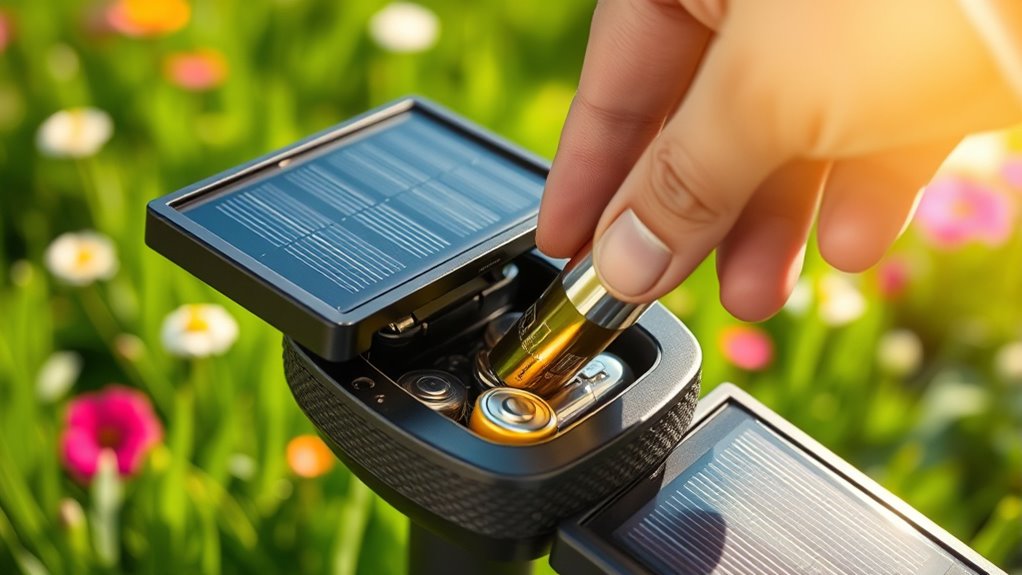
How You Can Use Regular AA Batteries in Solar Lights
You can use regular AA batteries in your solar lights by choosing the right type—alkaline or rechargeable NiMH works best—and making sure they fit and match the voltage specs. Picking the right battery is key because it affects how long your solar lights will shine.
Simply open the battery compartment, insert the batteries following the polarity markings, and close it securely. It’s pretty straightforward, but getting those details right makes all the difference.
Rechargeable batteries offer longer life and eco benefits, while alkalines are cheaper but tend to drain faster. So, if you want to save money over time and help the environment, rechargeables are the way to go.
To keep your lights shining bright, it helps to maintain batteries properly. Keep exploring for tips on boosting solar light performance and battery care—you’ll be surprised how small tweaks can make a big difference!
Key Takeaways
- Verify the solar light’s battery compartment supports AA size and check voltage compatibility before inserting regular AA batteries.
- Open the battery compartment carefully, remove old batteries, and insert new AA batteries matching the correct polarity.
- Regular alkaline AA batteries can be used but drain faster and may reduce nightly light duration compared to rechargeables.
- You might want to consider switching to NiMH rechargeable AA batteries for longer life, better performance, and environmental benefits.
- Keep an eye on light brightness and replace batteries promptly to maintain consistent solar light operation and avoid dimming.
Reasons to Use AA Batteries in Solar Lights
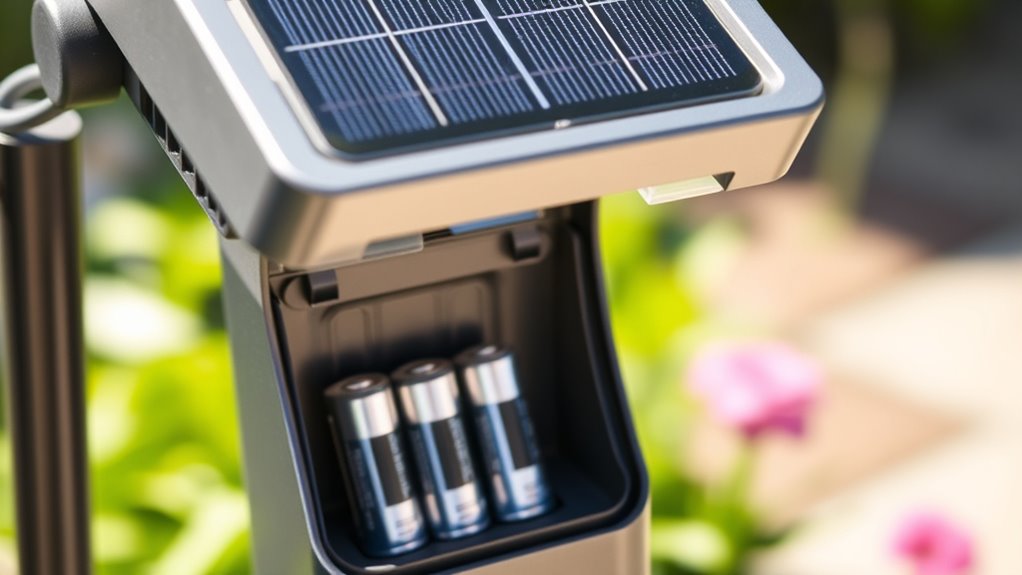
Why choose AA batteries for your solar lights? You’ll find they’re widely available and easy to replace, making maintenance straightforward. Their compact size fits most solar light designs, so you won’t have to worry about compatibility issues.
AA batteries offer a good balance between capacity and cost, allowing your lights to stay powered longer without breaking the bank. Plus, they’re lightweight, which helps keep your solar lights portable and easy to handle.
When you opt for AA batteries, you also benefit from the flexibility to choose between rechargeable or disposable options based on your needs. This versatility guarantees your solar lights remain reliable in various conditions without demanding complicated setups or special equipment.
Which AA Batteries Work Best for Solar Lights
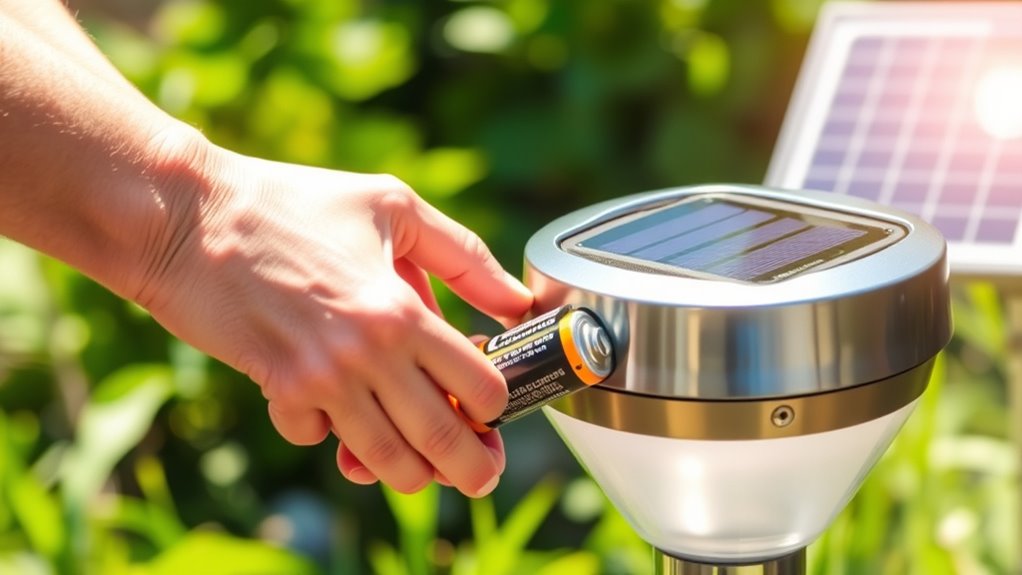
You’ll want to choose AA batteries that offer the best balance of capacity and performance for your solar lights. Comparing battery types and understanding the difference between rechargeable and non-rechargeable options can help you make the right choice.
Let’s explore which batteries will keep your solar lights shining brightest. It’s all about finding the right fit for your needs.
Battery Types Comparison
Which AA batteries work best for solar lights depends largely on their chemistry and capacity. Alkaline batteries are affordable and widely available, but they tend to drain faster and don’t handle frequent charging well.
Rechargeable NiMH batteries, on the other hand, offer better longevity and can be recharged dozens of times. This makes them more eco-friendly and cost-effective over time.
Lithium AA batteries pack more power and perform well in extreme temperatures, but they’re often pricier and not rechargeable.
For solar lights, rechargeable NiMH batteries usually strike the best balance between performance and cost. They’ll maintain brightness longer during the night and handle the solar panel’s charging cycles efficiently.
Choosing the right type guarantees your solar lights stay bright and reliable without constant battery swaps. It’s all about picking what fits your needs and budget best.
Battery Capacity Importance
After choosing the right battery chemistry, focusing on battery capacity can really boost your solar lights’ performance. Battery capacity, measured in milliampere-hours (mAh), basically tells you how long your light will stay on each night. The higher the capacity, the longer your light shines and the less often you’ll need to replace the battery.
To get the best results, keep these points in mind:
- Choose AA batteries with higher mAh ratings for extended light duration.
- Avoid low-capacity batteries, since they drain quickly and make your lights less efficient.
- Check manufacturer specs to make sure the battery works well with your solar light.
- Balance capacity with size — standard AA batteries usually offer the best size and capacity combo for most solar lights.
Rechargeable Vs. Non-Rechargeable
Although both rechargeable and non-rechargeable AA batteries can power your solar lights, rechargeable ones generally offer more long-term value and convenience. Rechargeable AA batteries, like NiMH types, can be used hundreds of times, saving you money and reducing waste over time.
They also maintain steady voltage output, ensuring consistent light brightness. Non-rechargeable batteries, such as alkaline, may last longer per charge initially but aren’t designed for repeated use and can leak if left in devices too long.
If you want to avoid frequent replacements and help the environment, rechargeable batteries are the smarter choice. Just make sure your solar light’s charger supports the battery type you pick.
Ultimately, rechargeable AA batteries combine efficiency, cost-effectiveness, and reliability for powering your solar lights.
How to Replace Rechargeable Batteries With AA Batteries
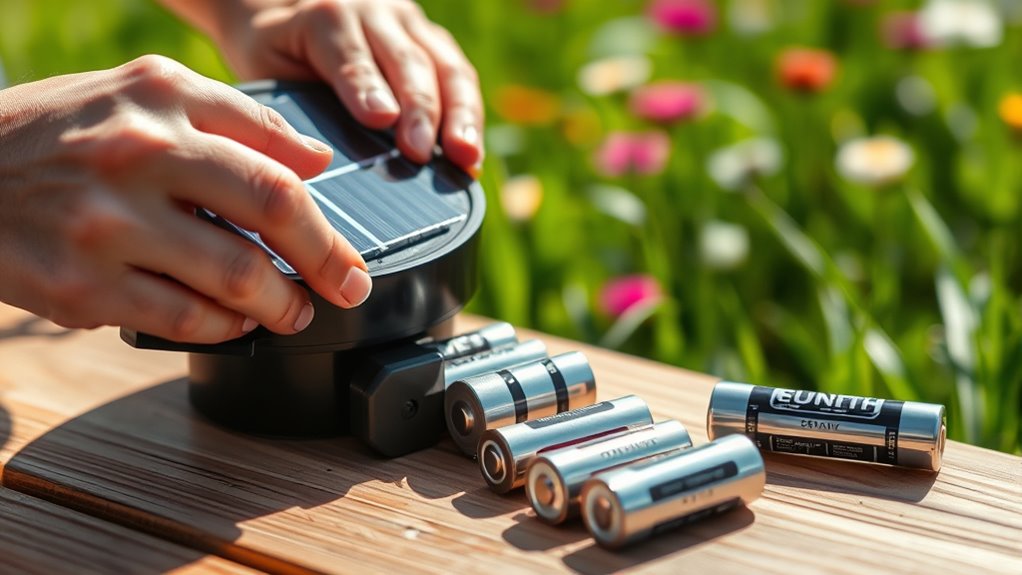
Before swapping out rechargeable batteries for AA batteries, make sure you identify the compatible types for your solar light. You’ll want to follow a simple step-by-step process to remove the old batteries safely and insert the new ones correctly.
Let’s walk through how to do this to keep your solar light working smoothly. It’s easier than you might think, and I’ll guide you every step of the way.
Identifying Compatible Battery Types
How do you know if AA batteries can replace your solar light’s rechargeable cells? First, check the battery compartment for the size and type of the existing batteries. Most solar lights use AA or AAA rechargeable NiMH or NiCd batteries, but some use special types.
Next, verify the voltage; standard AA batteries provide 1.5V, while rechargeables usually offer 1.2V. Using AA batteries with the correct voltage ensures proper function. Also, make sure the battery chemistry is compatible—alkaline AA batteries can often replace NiMH but might affect performance.
Finally, confirm the battery shape matches the compartment to avoid fit issues. Here’s a quick checklist:
- Identify battery size and type in your solar light
- Check voltage compatibility (1.2V vs. 1.5V)
- Verify battery chemistry compatibility
- Ensure batteries fit securely in the compartment
Step-by-Step Replacement Process
Once you’ve confirmed that AA batteries are compatible with your solar light, you’re ready to replace the old rechargeable cells. First, turn off the solar light and locate the battery compartment, usually under the light’s base or cover.
Open it carefully using a screwdriver if needed. Remove the old rechargeable batteries by gently sliding or pulling them out.
Next, insert the new AA batteries, making sure the positive (+) and negative (-) ends match the compartment’s markings. Close the battery compartment securely to keep moisture out.
Finally, turn the solar light back on and place it in sunlight to charge. Check that the light functions properly overnight.
This straightforward process helps you extend your solar light’s life with readily available AA batteries.
Tips to Extend Solar Light Life With AA Batteries
Although solar lights are designed to be low-maintenance, you can boost their performance and lifespan by properly caring for the AA batteries inside.
Taking a few simple steps will help your lights stay bright longer.
A few easy habits can extend the brightness and life of your solar lights.
- Use High-Quality Batteries: Choose reliable rechargeable NiMH AA batteries for consistent power and longer life.
- Charge Regularly: Make sure to place your solar lights in direct sunlight daily to keep the batteries charged and healthy.
- Store Properly During Winter: If you won’t use the lights for months, remove the batteries and store them in a cool, dry place.
- Clean Contacts Often: Wiping the battery contacts with a dry cloth prevents corrosion and improves connectivity.
Follow these tips, and your solar lights will keep shining brightly all season long!
Troubleshooting Common AA Battery Problems
If your solar lights aren’t shining as brightly as they used to, the AA batteries might be the culprit. First, check if the batteries are inserted correctly; incorrect placement can prevent power flow.
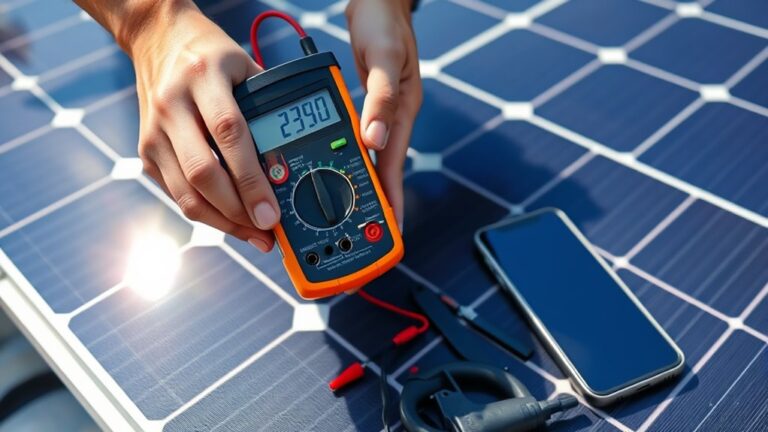
Next, test the batteries with a voltage meter or swap them with fresh ones to see if brightness improves. Look for corrosion or leakage on the battery contacts, which can block electricity—clean contacts gently with a cotton swab and rubbing alcohol.
Avoid mixing old and new batteries, as uneven power causes dimming. Also, remember that regular AA batteries drain faster in solar lights, so they might need replacing more often.
When to Switch Back to Rechargeable Batteries
Since disposable AA batteries tend to drain quickly in solar lights, you should switch back to rechargeable batteries when you notice frequent dimming or find yourself replacing batteries often. Rechargeables offer better longevity and cost-effectiveness over time.
Disposable AA batteries drain fast in solar lights; rechargeables provide longer life and save money.
Here’s when to make the switch:
- You observe the light dimming earlier in the evening than usual.
- Battery replacements become a weekly or bi-weekly task.
- You want to reduce waste and be more environmentally friendly.
- Your solar lights are in constant use, demanding a more reliable power source.
Frequently Asked Questions
Can AA Batteries Be Recycled After Use in Solar Lights?
Yes, you can recycle AA batteries after using them in solar lights.
Just make sure to drop them off at a local recycling center or battery collection point. That way, you’re helping reduce waste and protect the environment.
Are Alkaline AA Batteries Safe for Outdoor Solar Light Use?
You can safely use alkaline AA batteries in outdoor solar lights, but imagine a sturdy umbrella shielding them from rain and heat—they’re not built for harsh weather.
How Do AA Batteries Affect Solar Light Brightness?
AA batteries can affect your solar light’s brightness because alkaline ones provide a steady voltage, but may dim quicker.
Rechargeable NiMH AA batteries often keep brightness more consistent throughout the night, enhancing your light’s performance overall.
Can I Mix Different Brands of AA Batteries in One Solar Light?
Can you mix different brands of AA batteries in one solar light? You shouldn’t, because varying brands have different capacities and discharge rates.
This can cause uneven power flow, reducing your solar light’s performance and battery life. It’s best to stick with the same brand to keep things running smoothly.
What Environmental Impact Do AA Batteries Have Compared to Rechargeables?
You’ll find AA rechargeables have a lower environmental impact because you reuse them multiple times, reducing waste and resource extraction.
Regular AAs create more landfill trash and pollution since you dispose of them after one use. It’s pretty clear that rechargeables are the greener choice.
Conclusion
By swapping in AA batteries, you’re giving your solar lights a new spark, like a fresh breeze on a quiet night. Just remember to choose the right batteries and keep them fresh to let your garden glow longer.
If troubles creep in, troubleshoot or know when it’s time to switch back to rechargeables. With a little care, your solar lights will shine bright, turning your outdoor space into a cozy, starry retreat.
Using regular AA batteries in solar lights is a simple way to extend their life and keep your garden illuminated. Just make sure to select high-quality batteries and replace them regularly for the best performance. When issues arise, don’t hesitate to troubleshoot or switch back to rechargeable options. With these tips, your solar lights will keep glowing beautifully, making your outdoor area warm and inviting every night.



One Comment