How You Can Use Regular Batteries in Solar Lights Safely
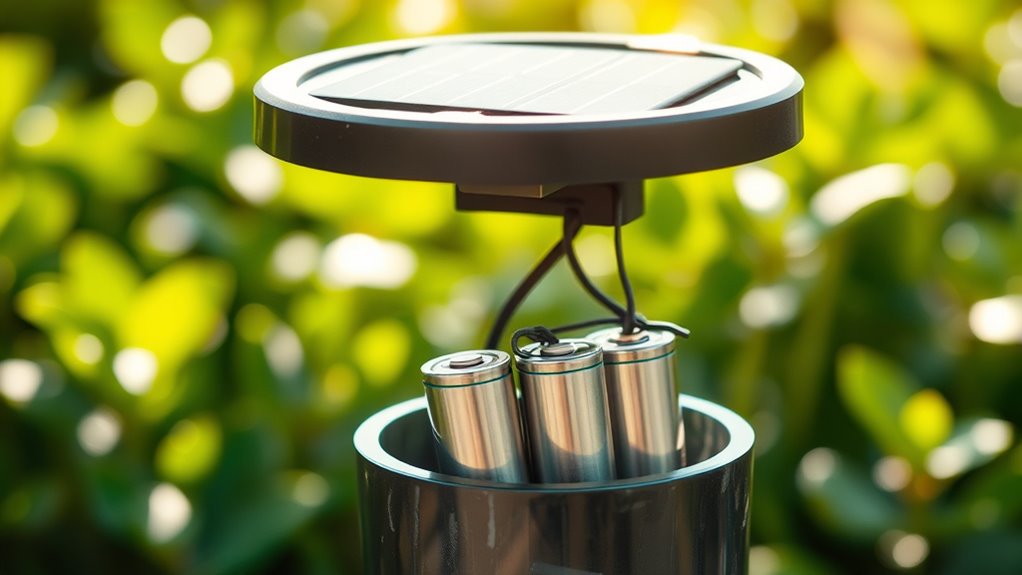
You can use regular batteries in your solar lights safely by choosing the right size and type recommended by the manufacturer, like AA alkaline or NiMH rechargeable cells. Picking the correct batteries is key to making sure your solar lights work well without any issues.
Always insert fresh batteries correctly and avoid mixing brands or old and new cells. This helps prevent problems like leakage or overheating. It’s a simple step but super important for keeping your lights safe and lasting longer.
Before replacing batteries, make sure to turn off the light. Also, secure the battery compartment tightly to keep moisture out. Moisture can cause damage, so a snug fit really helps protect your solar lights.
Lastly, keep an eye on battery health regularly to keep your solar lights shining bright. Monitoring them ensures you catch any problems early and maintain great performance.
Keep going to uncover tips on installation, risks, and maintenance.
Key Takeaways
– Use batteries that match the recommended size, type, and voltage specified by the solar light manufacturer for safe operation.
This helps ensure your solar light works properly and avoids any issues.
- Insert fresh batteries with the correct polarity. Don’t mix old and new batteries or use different brands, as this can cause damage.
- Always turn off the solar light before replacing the batteries. Make sure the battery compartment is sealed tightly to keep moisture out.
- It’s a good habit to regularly check your batteries for any leakage, corrosion, or swelling.
If you find any leaks, handle them carefully with gloves and clean using mild solutions.
– When you won’t be using your solar lights for a long time, remove the batteries to prevent them from draining.
Store spare batteries in a cool, dry place, away from heat to keep them in good condition.
How to Choose the Right Regular Batteries for Solar Lights
When selecting regular batteries for your solar lights, you’ll want to focus on compatibility and capacity to guarantee ideal performance. Check the battery size and type recommended by the manufacturer, usually AA or AAA alkaline or NiMH rechargeable batteries.
Avoid mixing different battery types or brands, as this can cause uneven drainage or damage. Consider the battery’s mAh (milliampere-hour) rating—higher capacity means longer run time, so pick batteries that match or exceed the original specs.
Also, pay attention to voltage; most solar lights use 1.2V or 1.5V cells, so don’t substitute incompatible voltages. Ultimately, prioritize quality batteries from reputable brands to ensure safety and longevity.
This helps prevent leaks or corrosion that could harm your solar lights. So, it’s worth spending a little extra to get good batteries that last.
How to Install Regular Batteries in Solar Lights Safely
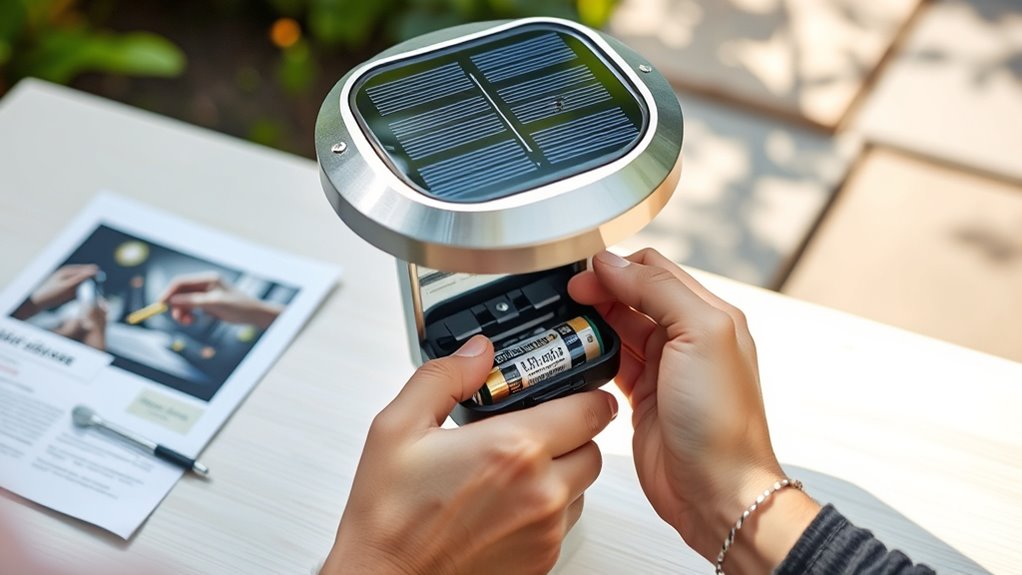
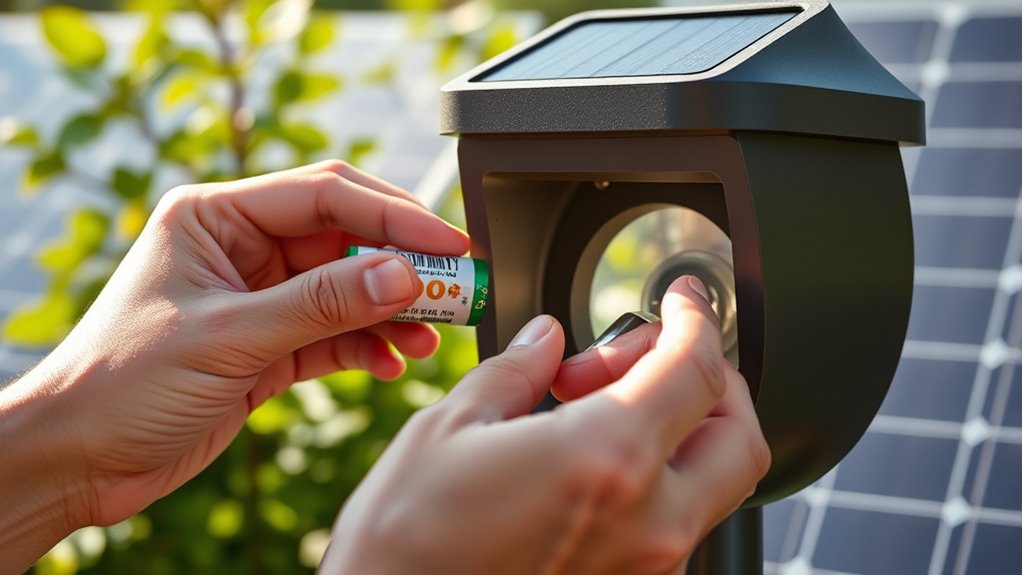
After choosing the right batteries, the next step is installing them safely to keep your solar lights working properly. First, make sure the solar light is turned off or disconnected from any power source.
Open the battery compartment carefully, noting the correct orientation for positive (+) and negative (-) ends. Insert the batteries accordingly, but don’t force them in—that could damage the contacts.
Use fresh, compatible batteries to guarantee peak performance. Once inserted, secure the compartment cover tightly to protect against moisture and dirt.
Finally, test the solar light by exposing it to sunlight or turning it on to make sure the batteries are installed correctly and the light functions as expected. Following these steps helps maintain your solar lights’ efficiency and longevity.
Risks to Watch Out for When Using Regular Batteries
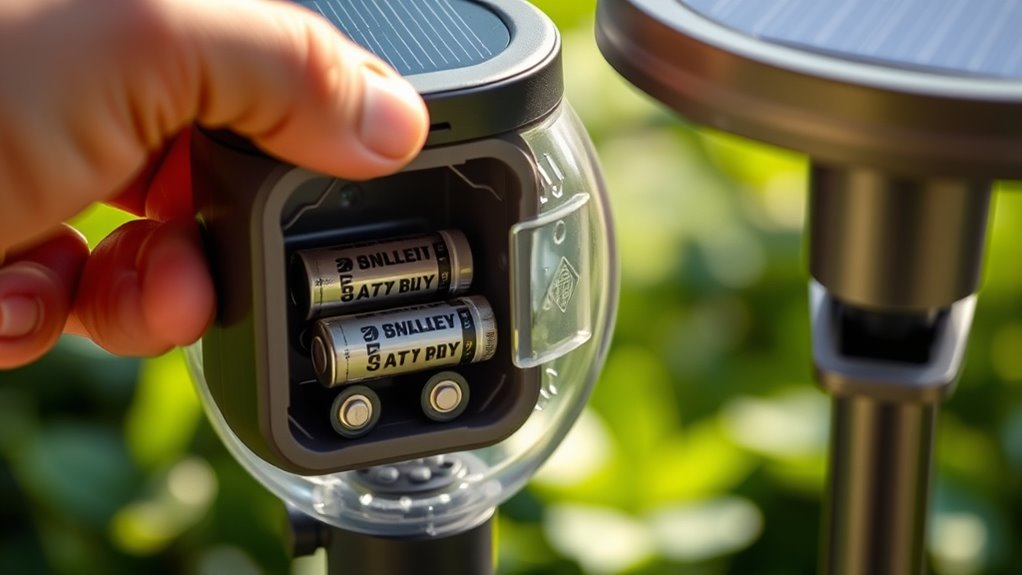
When you use regular batteries in solar lights, watch out for leakage that can damage your device and harm your skin.
You also need to be careful about overheating, which can lead to fire hazards. Staying alert to these risks helps you keep your solar lights safe and functional.
Battery Leakage Hazards
Although regular batteries are convenient, they can leak harmful chemicals that damage your solar lights and pose health risks. When batteries leak, they release corrosive substances like potassium hydroxide or sulfuric acid.
These chemicals can eat through metal contacts and wiring inside your solar light. This corrosion can cause your light to malfunction or stop working completely.
If you handle leaking batteries without protection, you risk skin irritation or chemical burns. So, it’s important to be careful.
To avoid these hazards, always inspect batteries for swelling, cracks, or corrosion before use. Also, remove batteries from your solar lights during extended storage to prevent leaks.
If you spot any leakage, carefully dispose of the batteries. Then, clean the compartment with a damp cloth and mild detergent, wearing gloves to protect your skin.
Overheating And Fire Risks
Battery leakage isn’t the only danger you should watch for when using regular batteries in solar lights. Overheating is a serious risk, especially if batteries aren’t designed for constant charging.
When batteries overheat, they can swell, leak, or even catch fire, putting your home and safety at risk. To prevent this, use batteries with proper heat tolerance and avoid mixing old and new ones.
Make it a habit to monitor your solar lights regularly for unusual warmth or damage. It’s better to catch problems early than deal with bigger issues later.
| Risk Type | What to Watch For |
|---|---|
| Overheating | Batteries feeling hot |
| Fire Risk | Smoke or burning smell |
| Swelling | Bulging battery casing |
| Leakage | Corrosion or residue |
| Performance Drop | Lights flickering or dim |
How Regular Batteries Power Your Solar Lights
You need to make sure the regular batteries you choose are compatible with your solar lights to avoid performance issues.
Once installed, these batteries store energy and supply power when the solar panel isn’t producing electricity.
Understanding this flow helps you keep your lights running smoothly and safely.
Battery Compatibility Overview
How do regular batteries power your solar lights effectively? You need to verify the batteries match your solar light’s voltage and size requirements. Not all batteries perform equally; selecting the right type is critical to avoid damage and maximize efficiency.
Here’s what you should consider for compatibility:
- Battery Type: Alkaline, NiMH, or Lithium affect performance differently.
- Voltage: Match the standard voltage (usually 1.2V or 1.5V) your light requires.
- Size: AA and AAA are common; using the correct size ensures proper fit.
- Capacity: Higher mAh ratings provide longer run times.
- Rechargeability: Confirm if your solar light supports rechargeable or disposable batteries.
Power Flow Mechanism
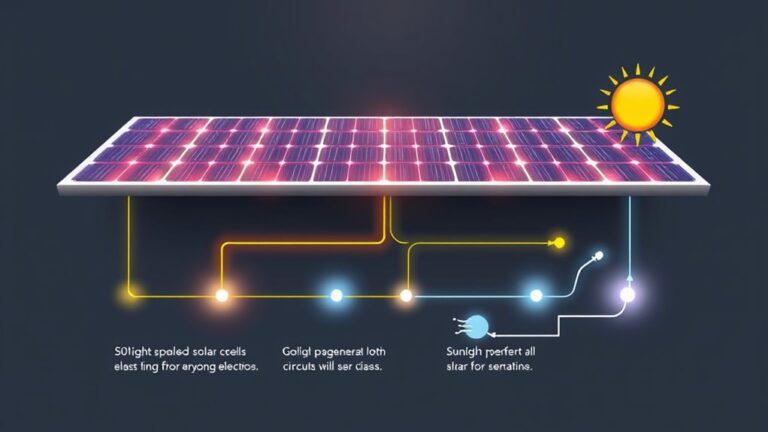
Although solar lights primarily rely on sunlight to charge, regular batteries provide a steady backup power source when sunlight is insufficient. When you insert regular batteries, they supply electrical energy directly to the light’s circuit.
This power flow kicks in automatically whenever the solar panel can’t generate enough electricity, such as during cloudy days or nighttime. The light’s internal controller detects the battery’s charge and switches the power source seamlessly, ensuring continuous illumination.
You don’t have to manually change settings; the system manages energy input to avoid overloading. By understanding this mechanism, you can confidently use regular batteries to keep your solar lights shining reliably, even when sunlight fails to meet the energy demands.
How to Maintain Your Solar Lights With Regular Batteries
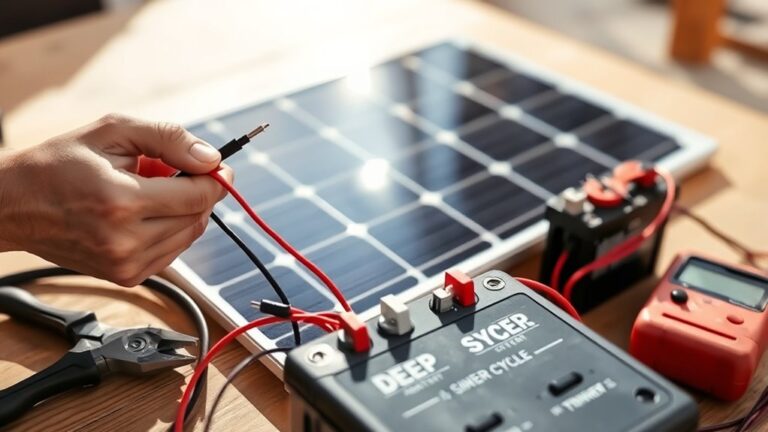
Maintaining your solar lights with regular batteries requires consistent attention to guarantee peak performance and longevity. You need to regularly check the batteries for signs of corrosion or leakage, which can damage the light’s circuitry.
Make certain to remove batteries during extended periods of inactivity to prevent drain. Clean the battery contacts with a soft cloth to assure good connection, and store spare batteries in a cool, dry place. Also, replace the batteries before they fully discharge to avoid performance drops.
- Inspect batteries monthly for damage or leaks
- Remove batteries if not using lights for weeks
- Clean battery contacts for solid connectivity
- Store spares away from heat and moisture
- Swap batteries proactively to maintain brightness
Troubleshooting Regular Battery Issues in Solar Lights
If your solar lights aren’t shining as brightly or turning on consistently, the issue often lies with the regular batteries. You’ll want to verify if the batteries are old, improperly installed, or incompatible.
Sometimes, corrosion can also prevent proper contact. Testing and replacing batteries regularly ensures your lights work efficiently.
| Problem | Solution |
|---|---|
| Dim or flickering light | Replace old batteries |
| Light not turning on | Check battery polarity |
| Short battery life | Use high-quality alkaline batteries |
| Corrosion on contacts | Clean contacts with vinegar or baking soda |
Frequently Asked Questions
Can Rechargeable Batteries Be Used Instead of Regular Ones in Solar Lights?
Yes, you can use rechargeable batteries in solar lights, but make sure they’re NiMH or NiCd types. They hold charge well and work safely, unlike some alkalines, which might leak or damage your lights over time.
Using the right rechargeable battery means your solar light will last longer and perform better. It’s a simple switch that can save you money and hassle in the long run.
How Do Temperature Changes Affect Battery Performance in Solar Lights?
Temperature changes affect battery performance by reducing capacity and runtime in extreme cold or heat. You’ll notice your solar lights dimming or shutting off sooner during temperature swings.
Are Certain Battery Brands Better for Solar Light Longevity?
Imagine you choose Energizer batteries for your solar lights; they often last longer due to better chemistry.
Yes, certain brands outperform others, so picking high-quality batteries can boost your solar light’s longevity considerably.
Can Mixing Old and New Batteries Harm Solar Lights?
Yes, mixing old and new batteries can harm your solar lights. It causes uneven power flow, drains batteries faster, and may damage the circuitry.
How Do Solar Lights With Regular Batteries Compare to Those With Built-In Rechargeable Cells?
Solar lights with regular batteries usually last shorter and cost more over time, but they’re easy to replace.
Those with built-in rechargeable cells save money and energy, charging automatically. However, they might lose capacity after years.
Conclusion
Think of using regular batteries in your solar lights like giving a trusty old car a fresh tank of fuel. Just as that car can still take you miles with the right care, your solar lights can shine bright when you choose, install, and maintain batteries properly.
Remember, 80% of users who follow safety tips avoid common issues. It’s all about paying a little attention to detail.
With a bit of care, your solar lights will keep glowing safely, lighting your nights without a hitch. Using regular batteries safely means selecting the right type, installing them correctly, and checking them regularly. When you do this, your solar lights won’t just work—they’ll shine reliably and safely for a long time. Safe battery use keeps your lights bright and your home worry-free!