Blog

  • Do Solar Panels Produce Radiation?

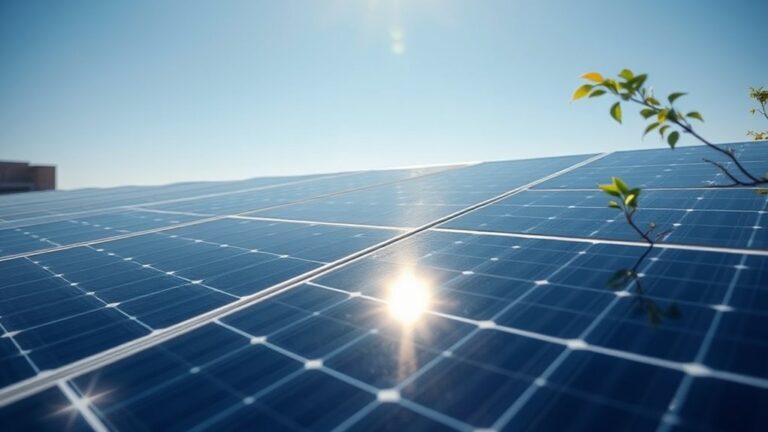
    You don’t need to worry about harmful radiation from solar panels. They emit only very low levels of non-ionizing electromagnetic fields, similar to what your microwave or Wi-Fi router produces.

    These levels are far below safety limits and don’t pose health risks. Solar panels don’t release dangerous ionizing radiation like X-rays or gamma rays.

    If you keep exploring, you’ll discover how these panels stay safe and debunk common myths about their radiation.
  • What Noise Do Solar Panels Make?

    You won’t hear your solar panels themselves since they don’t have moving parts and are silent. However, the equipment that powers them, like inverters and cooling fans, can produce low humming, buzzing, or whirring sounds.

    These noises are usually quiet, similar to a soft conversation, and can be influenced by wind or loose fittings. If you want to understand what causes these sounds and how to reduce them, there’s more to explore about solar panel noise.

  • Do Solar Lights Need Batteries to Work?

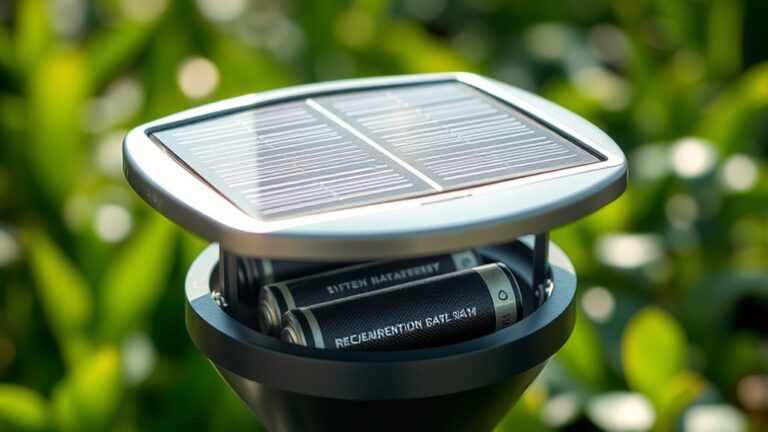
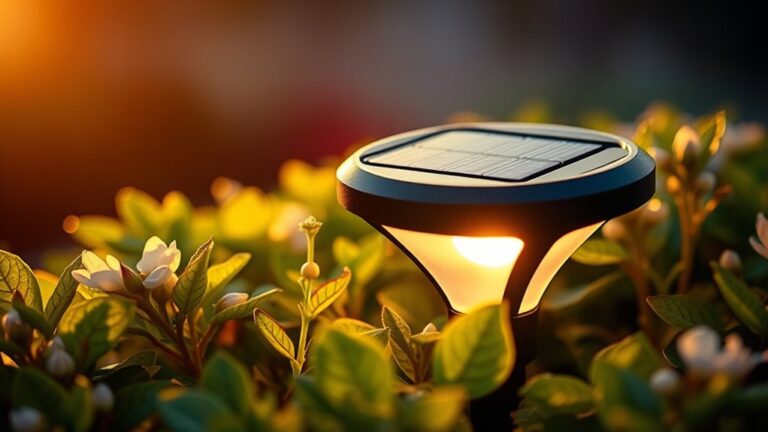
    Yes, you need batteries for solar lights to work properly. The solar panels convert sunlight into electricity, but batteries store that energy so the lights can shine after dark.

    Without batteries, the lights would only work during the day when the sun is out. Rechargeable batteries are designed to handle repeated charging and keep your lights bright longer.

    If you want to understand how they charge, what types to use, and how to maintain them, keep exploring the details ahead.

  • What Batteries Do Solar Lights Have?

    Solar lights typically use rechargeable batteries like NiMH, NiCd, or lithium-ion to store energy from the sun. NiMH batteries offer good capacity and lifespan, while NiCd are tough but have lower capacity.

    More modern lights favor lithium-ion batteries because they’re lighter, last longer, and hold more charge. Choosing the right battery affects your light’s brightness and runtime.

    And knowing when to replace and maintain them can keep your lights shining bright longer. There’s more to discover about these batteries and care tips.

  • Build a DIY Solar Power Generator in 3 Easy Steps

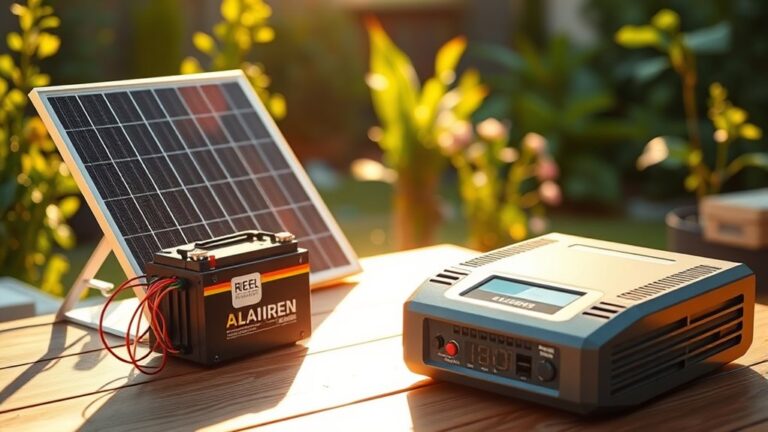
    To build your DIY solar power generator in three easy steps, start by gathering key parts: solar panels, a deep cycle battery, a charge controller, an inverter, and cables.

    Next, securely mount your solar panels in sunlight, connect them to the charge controller, then link the controller to the battery and battery to the inverter.

    Finally, test the system by plugging in a small device to guarantee everything works.

    Keep following along to discover tips for safe use and maintenance.

  • Do All Solar Lights Have Batteries and How to Replace Them

    Most solar lights do have built-in rechargeable batteries that store energy for nighttime use, though some use supercapacitors instead.

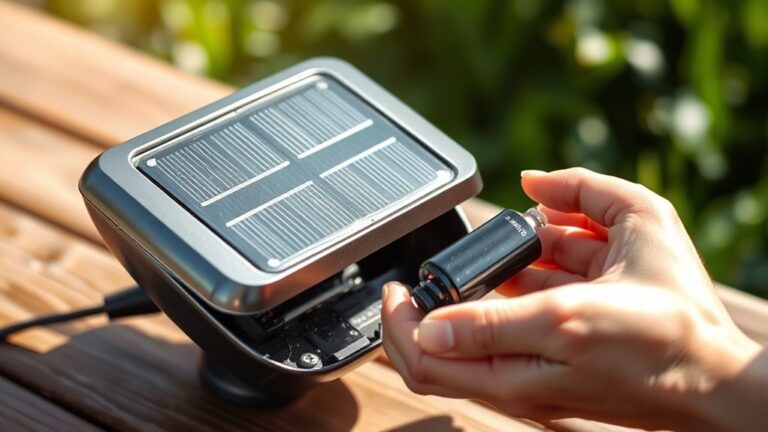
    If your solar light dims or flickers, it’s likely time to replace the battery. You can do this by turning off the light, opening the battery compartment, removing the old batteries, and inserting new ones that match the original type.

    Taking proper care of the battery helps keep your solar light shining bright—there’s more to learn about keeping them lasting longer.

    Want to know more? Just keep reading!

  • Can You Walk on Solar Panels?

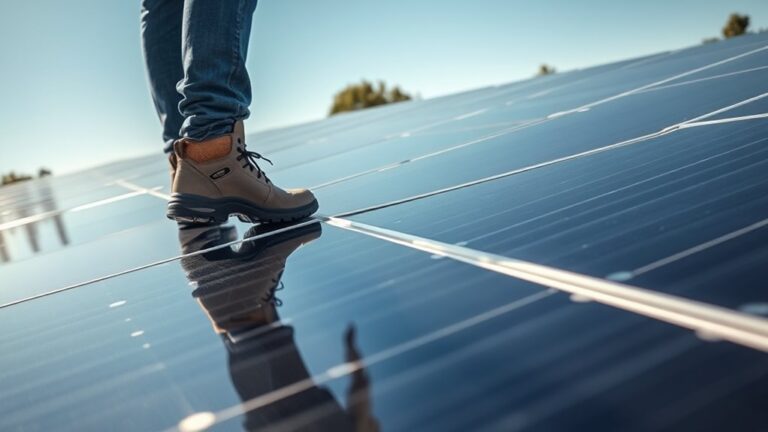
    You shouldn’t walk on solar panels because they’re fragile and designed to capture sunlight, not support your weight. Stepping on them risks cracking the glass, damaging cells, voiding warranties, or causing electrical hazards.

    If you must, only walk gently on frame edges or designated walkways. Make sure to spread your weight evenly and wear soft-soled shoes.

    There are safer ways to maintain your system without stepping on panels. Knowing these can help protect both you and your investment.

  • Can Solar Panels Cause Cancer: Assessing Health Risks

    You don’t need to worry about solar panels causing cancer. They don’t emit harmful radiation or toxic materials once installed.

    The silicon cells convert sunlight safely, producing only low-level electromagnetic fields similar to everyday appliances. Scientific studies and health organizations confirm there’s no link between solar panels and cancer.

    They’re actually safer than fossil fuels or nuclear energy. If you want to understand more about their safety and how to reduce any risks, keep exploring what’s behind the technology.

  • How to Power Your House With a Solar Generator

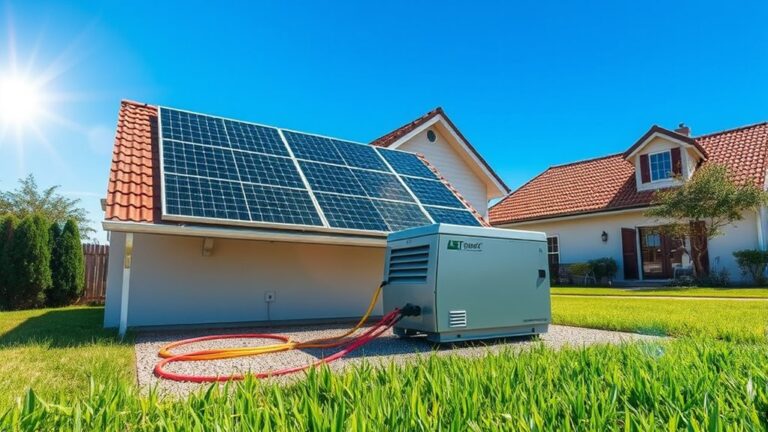
    To power your house with a solar generator, start by choosing one that matches your appliances’ wattage. Also, pick a suitable battery type, like lithium-ion, for longer life.

    Set up solar panels in a sunny, shade-free spot. Ideally, tilt them at your latitude and connect them securely to your generator.

    Manage energy by prioritizing essential devices and keep an eye on battery levels to avoid overloads. With proper setup and care, you can enjoy reliable solar power.

    Explore how to optimize your system for the best results. It’s easier than you might think!

  • Are Solar Powered Attic Fans Worth It?

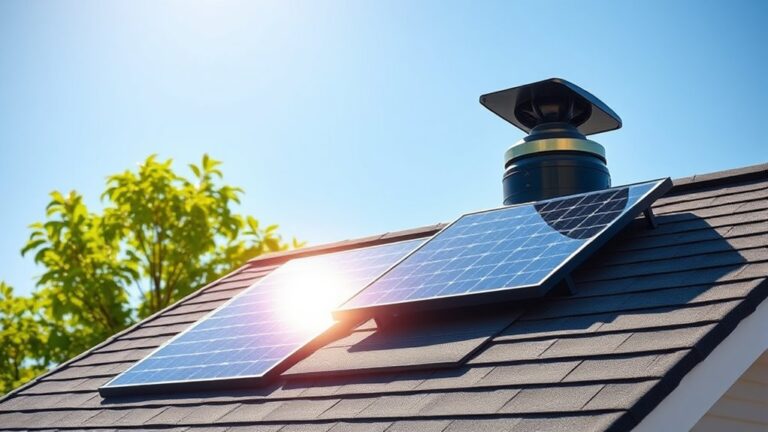
    Solar powered attic fans can be worth it if you want to lower your attic’s temperature without raising electric bills. They run on sunlight, cutting heat build-up and easing your air conditioner’s workload, especially in sunny climates.

    However, their performance depends on sun exposure and proper installation. They might not work as well on cloudy days and won’t fix ventilation problems alone.

    Keep exploring for tips on cost, placement, and other ventilation methods to boost your home’s comfort.