How Do You Store Solar Energy Step by Step
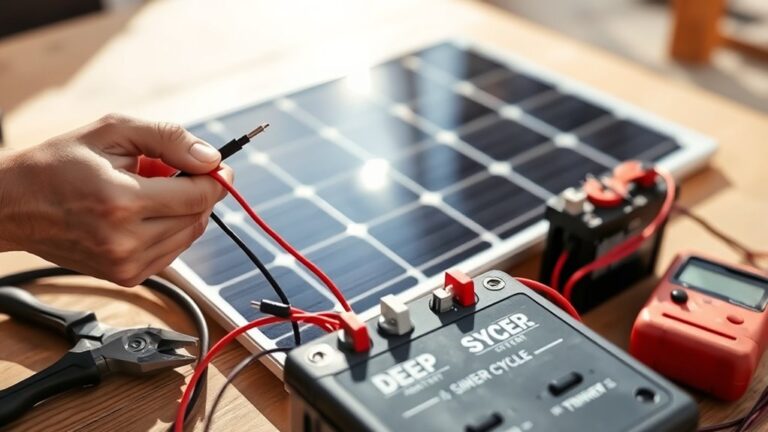
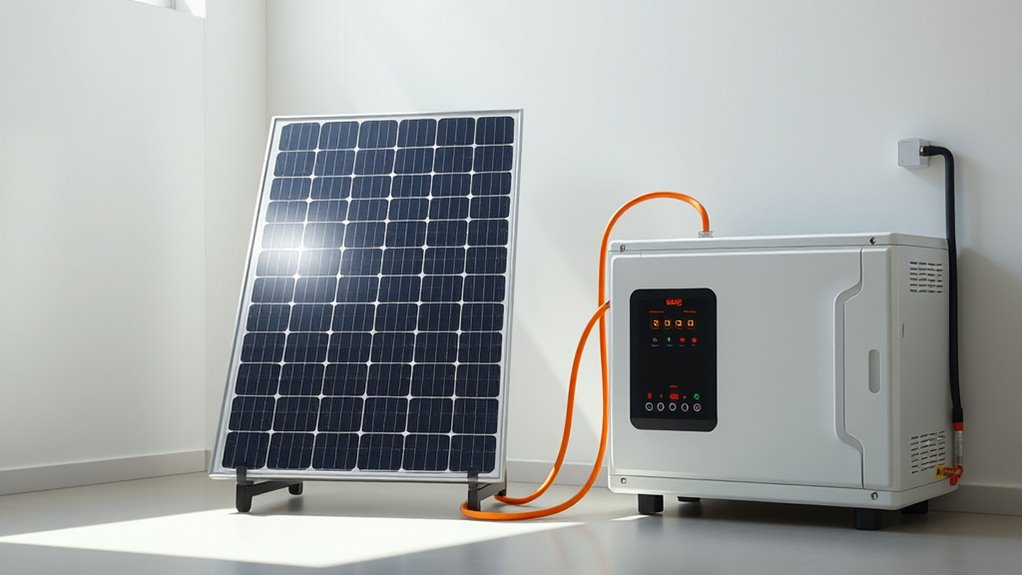
You store solar energy by capturing sunlight with solar panels that convert it into electricity. These panels are designed to soak up the sun’s rays and turn them into usable power for your home or devices.
Once the sunlight is captured, the electricity flows through a charge controller to protect your battery from overcharging.
The energy then gets stored in your chosen battery type until you need it. When it’s time to use the energy, an inverter converts the stored DC power into AC power, which is what most household appliances and electronics use.
Keeping track of your solar energy system helps you use energy efficiently and get the most out of your setup. There’s always more to learn about optimizing and maintaining your solar storage system so it runs smoothly and lasts longer.
Key Takeaways
- Capture sunlight with solar panels and convert it into electricity.
- Use a charge controller to regulate and protect battery charging.
- Store the electricity in batteries or energy storage units for later use.
- Convert stored DC electricity to AC using an inverter for home or device use.
- Monitor energy production and storage levels with a monitoring system.
Understanding Solar Energy Storage: Step-by-Step Process
Although solar energy is abundant during the day, storing it efficiently guarantees you have power when the sun isn’t shining. You begin by capturing sunlight with solar panels, which convert it into electricity.
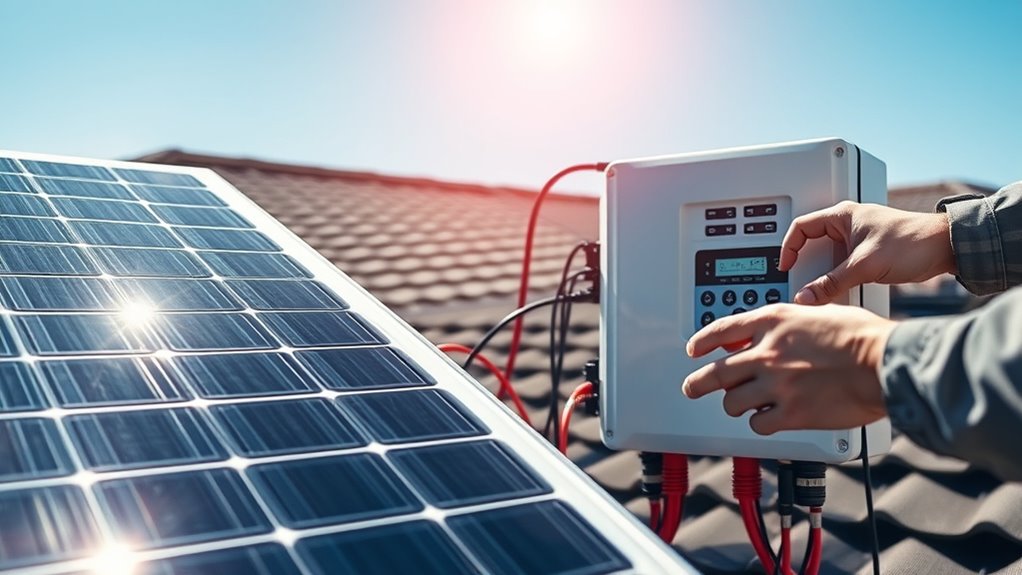
This electricity then flows to a charge controller, protecting your storage system from overcharging. Next, the energy moves into a storage unit, typically a battery, where it stays until you need it.
When you draw power, an inverter converts the stored direct current (DC) into alternating current (AC) for your home or devices. Throughout this process, monitoring systems help you track energy production and storage levels.
Choosing the Right Battery for Your Solar Energy Storage
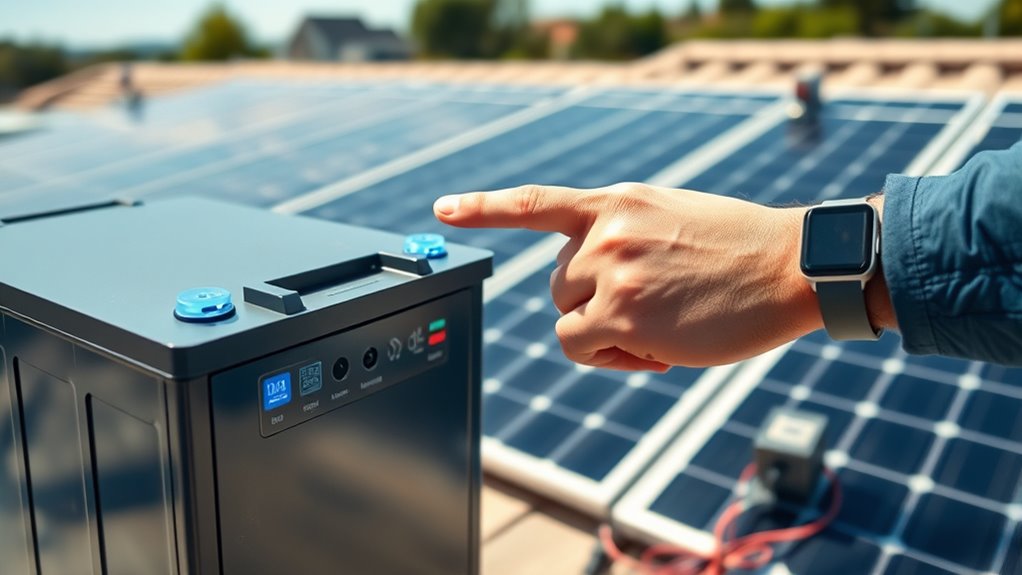
When choosing a battery for your solar setup, you need to compare different types to find what fits your needs best. Pay close attention to capacity and lifespan to guarantee reliable energy storage.
Making the right choice helps you maximize efficiency and save money over time. It’s all about finding the perfect match for your energy needs and budget.
Battery Types Comparison
Since your solar energy system relies heavily on efficient storage, choosing the right battery type is essential to maximize performance and lifespan. Different batteries suit different needs and budgets, so understanding their features helps you make the best choice.
Here’s a quick comparison:
- Lead-Acid: Affordable and reliable but heavier and requires maintenance. They’ve been around for a long time, so their technology is well-known.
- Lithium-Ion: Lightweight, high efficiency, and longer run times but pricier upfront. They’re becoming more popular because they pack a lot of power in a small space.
- Nickel-Cadmium: Durable and withstands extreme temps but toxic and costly. They’re great if you need something tough, but the environmental impact is a concern.
- Flow Batteries: Scalable and flexible with long cycle life but bulky and expensive. They’re good for big setups but might not suit smaller systems.
- Saltwater Batteries: Eco-friendly and safe but less proven and lower energy density. They’re an exciting option if you’re looking for something green, but they’re still developing.
Capacity and Lifespan
Understanding the capacity and lifespan of your battery is key to choosing the right storage solution for your solar energy system. Capacity determines how much energy your battery can store, usually measured in kilowatt-hours (kWh). You’ll want a battery that can handle your daily energy needs without frequent depletion.
Lifespan refers to how long your battery will last before needing replacement, often defined by the number of charge-discharge cycles or years of use. Lithium-ion batteries typically offer higher capacity and longer lifespans than lead-acid options, making them a popular choice despite higher upfront costs.
Consider your energy consumption, budget, and maintenance preferences when selecting a battery. Balancing capacity and lifespan ensures your solar storage system remains reliable and cost-effective over time. It’s all about finding the right fit for your needs.
Setting Up Your Solar Energy Storage System Correctly
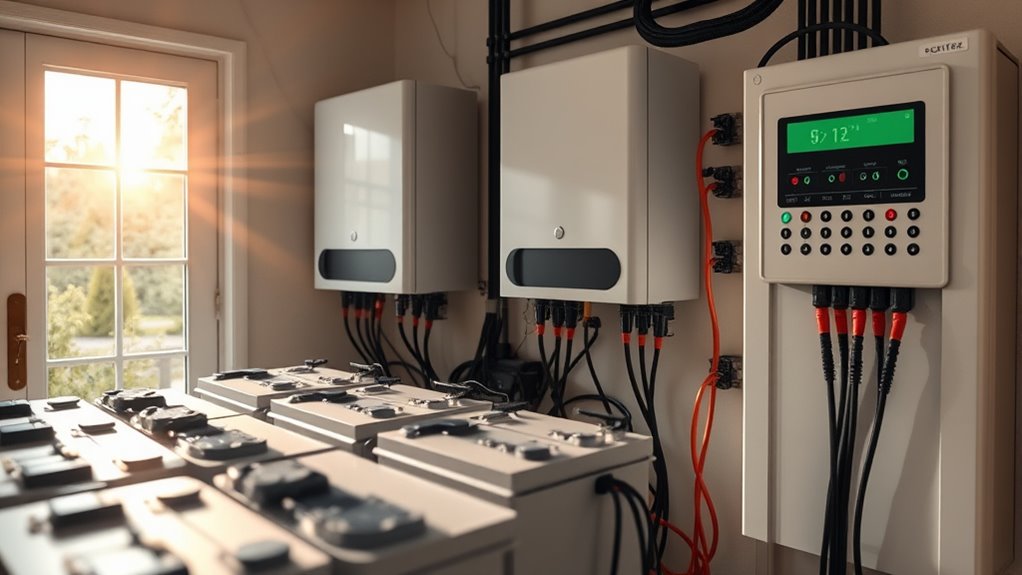
Before you install your solar energy storage system, you’ll need to evaluate your energy needs and the capacity of your solar panels to make sure everything is compatible. Setting up the system correctly guarantees efficiency and safety.
Start by choosing the right battery type and size that matches your daily consumption. Then, select an appropriate inverter to convert stored DC power to usable AC power.
Proper wiring and secure mounting are essential to avoid hazards. Finally, integrating a reliable monitoring system helps you track performance and detect issues early.
Follow these key steps:
- Assess your average energy consumption
- Match battery capacity with solar panel output
- Install a compatible inverter
- Ensure safe, professional-grade wiring and connections
- Set up a monitoring system for real-time data
Doing this right maximizes your solar energy storage benefits. It’s worth taking the time to get it done properly!
Managing and Using Stored Solar Energy Efficiently
Once your solar energy storage system is set up correctly, the next step is managing and using the stored energy effectively. You’ll want to monitor your energy consumption closely, using smart meters or apps to track when and how much energy you use.
Try to run high-energy appliances during peak solar production or when your batteries are fully charged to maximize savings. It’s all about timing and making the most of what you’ve got.
Avoid unnecessary energy waste by turning off devices when not in use. Also, think about integrating an energy management system that automatically balances supply and demand. This way, no stored power goes unused.
Maintaining Solar Batteries for Long-Term Storage
How often should you check your solar batteries to keep them in top shape? Ideally, inspect them monthly to spot any issues early. Regular maintenance extends battery life and guarantees efficient energy storage.
Inspect your solar batteries monthly to catch problems early and ensure long-lasting, efficient energy storage.
Here’s what you should focus on:
- Check for corrosion on terminals and clean if necessary.
- Ensure batteries are securely mounted and connections are tight.
- Monitor battery voltage and state of charge with a reliable meter.
- Keep batteries in a cool, dry place to avoid overheating.
- Top off electrolyte levels in flooded lead-acid batteries with distilled water.
Doing these little checks regularly really helps your batteries perform better and last longer. It’s worth the effort!
Troubleshooting Common Solar Energy Storage Issues
If you notice your solar energy system isn’t performing as expected, troubleshooting common issues can help you quickly identify and fix the problem. Start by checking your battery voltage to guarantee it’s within the recommended range.
If the voltage is low, your batteries might be undercharged or nearing the end of their life. Inspect all wiring and connections for corrosion or loose contacts, as these can disrupt power flow.
Also, verify your charge controller settings; incorrect settings can prevent proper battery charging. If your system overheats, improve ventilation or shade the batteries.
Finally, monitor your inverter for error codes or unusual behavior, which often signal system faults. Regular checks and prompt fixes keep your solar storage running efficiently.
Frequently Asked Questions
What Are the Environmental Impacts of Solar Battery Disposal?
You’ll face environmental risks if you improperly dispose of solar batteries, like toxic chemical leaks and heavy metal contamination. Recycling them responsibly helps prevent pollution and conserves resources.
How Does Solar Energy Storage Compare in Cost to Other Energy Storage Methods?
Wondering if solar energy storage costs more than other methods? You’ll find solar batteries often have higher upfront costs but lower long-term expenses due to free sunlight, making them cost-effective compared to fossil-fuel storage alternatives.
It’s kind of like paying more at the start but saving a bunch down the road. Plus, with solar, you’re using a clean, renewable source, which adds value beyond just the dollars.
Can Solar Energy Storage Systems Be Integrated With Home Automation?
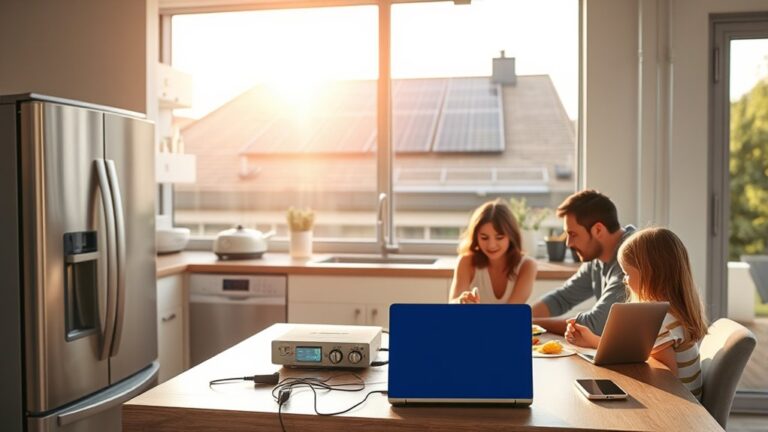
Yes, you can integrate solar energy storage systems with home automation. This lets you monitor and control energy use remotely, optimize efficiency, and even schedule appliance operation based on stored solar power availability.
It’s a great way to save money and energy by making sure you use power when it’s most cost-effective. Plus, with automation, your home can adjust itself without you having to lift a finger.
Are There Government Incentives for Installing Solar Energy Storage Systems?
Yes, you can often get government incentives for installing solar energy storage systems. Many local, state, and federal programs offer tax credits or rebates to help you save money.
These incentives are designed to encourage renewable energy use at your home. So, it’s definitely worth checking what’s available in your area before you start.
What Are the Safety Risks Associated With Solar Energy Storage Batteries?
You face safety risks like overheating, fire, and chemical leaks with solar batteries. Proper installation, ventilation, and regular maintenance are essential to prevent hazards and guarantee your storage system operates safely and efficiently.
It’s really important to keep an eye on these things. When you do, your solar battery setup will work well and stay safe for a long time.
Conclusion
Now that you know the nuts and bolts of storing solar energy, you’re set to smartly secure and sustain your system. Choosing the correct components, setting up seamlessly, and managing your stored power with mindful maintenance makes a massive difference.
By tackling troubles tactfully and treating batteries tenderly, you’ll transform your solar setup into a steady, sustainable source. Stay savvy, stay solar-smart, and savor savings while supporting our shining sun.
Remember, proper solar energy storage is key to maximizing your system’s efficiency and reliability. With the right steps, your solar power can keep your home or business running smoothly even when the sun isn’t shining. So, keep learning, stay proactive with maintenance, and enjoy the benefits of clean, renewable energy every day!