Can Solar Panels Cause Cancer: Assessing Health Risks
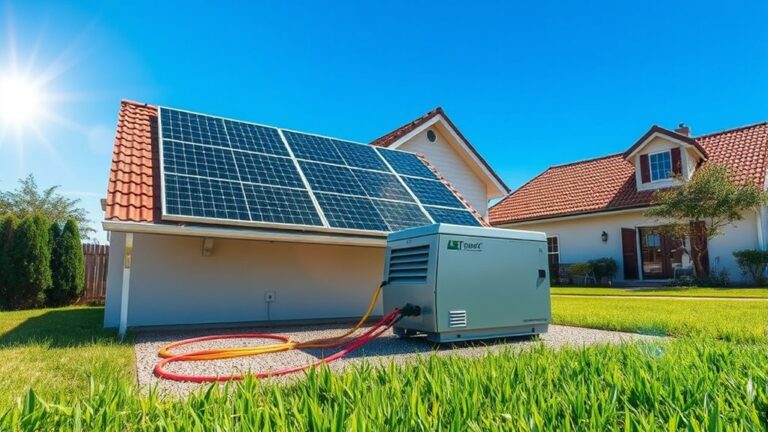
You don’t need to worry about solar panels causing cancer. These panels don’t emit harmful radiation or toxic materials once installed. The silicon cells inside convert sunlight safely, producing only low-level electromagnetic fields that are similar to what everyday appliances emit.
Scientific studies and health organizations confirm there’s no link between solar panels and cancer. In fact, they’re considered much safer than fossil fuels or nuclear energy.
So, if you’re concerned about health risks related to solar energy, the evidence shows it’s a safe choice.
If you want to understand more about their safety and how to reduce any risks, keep exploring what’s behind the technology. It’s always good to stay informed!
Key Takeaways
- Solar panels do not emit ionizing radiation, which is necessary to cause DNA damage leading to cancer.
- Electromagnetic fields (EMFs) from solar systems are low-level and comparable to common household appliances.
- No credible scientific evidence links solar panels to increased cancer risk or harmful health effects.
- Installed silicon-based panels are non-toxic and safe, with no harmful substances released during normal use.
- Proper manufacturing, installation, and disposal practices prevent environmental contamination and minimize any health risks.
So, generally speaking, solar panels are safe and not something to worry about when it comes to cancer.
How Solar Panels Work and What They’re Made Of
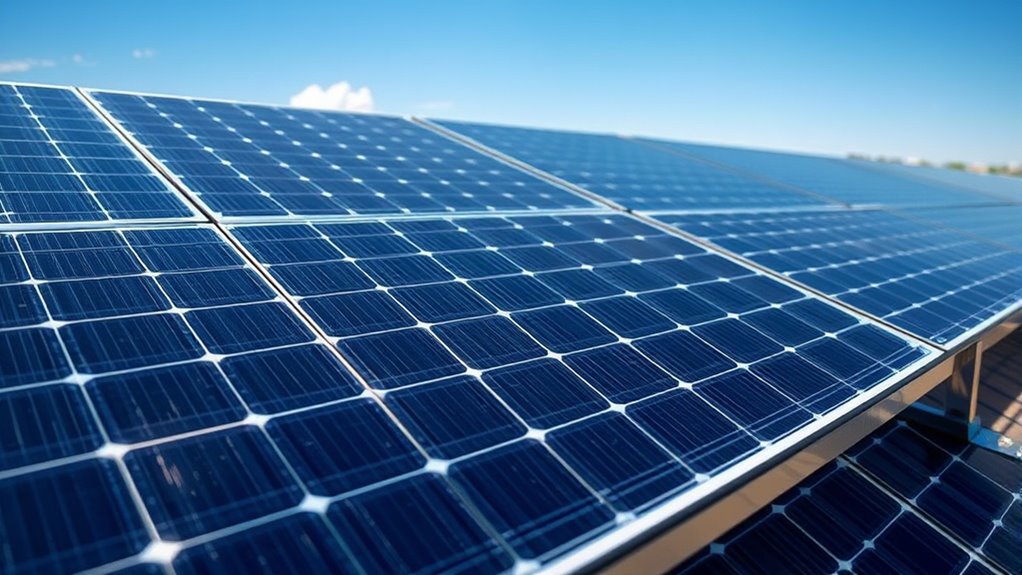
Although solar panels might seem complex, they work by converting sunlight directly into electricity through a process called the photovoltaic effect. When sunlight hits the solar cells, typically made of silicon, it excites electrons, creating an electric current.
You’ll find these cells arranged in panels, protected by glass and framed with metal for durability. The silicon in solar cells is a semiconductor, allowing it to control the flow of electricity efficiently.
Besides silicon, panels include materials like metal contacts that collect the current and an anti-reflective coating to maximize sunlight absorption. Understanding these components helps you appreciate how solar panels generate clean energy without producing emissions.
This knowledge sets the stage for discussing whether any materials involved pose health concerns. Pretty interesting, right?
Do Solar Panel Materials Pose Cancer or Health Risks?
Since solar panels contain various materials like silicon, metals, and coatings, you might wonder if these components pose any cancer or health risks. The good news is that once installed, solar panels are generally safe and don’t release harmful substances into your environment.
However, during manufacturing or disposal, exposure to certain materials like cadmium or lead, used in some thin-film panels, could pose health risks if not handled properly. When you use traditional silicon panels, the risk is minimal as silicon is abundant and non-toxic.
Proper recycling and disposal are vital to prevent environmental contamination. So, while the materials themselves can be hazardous during production or if mishandled, everyday exposure to installed solar panels poses no known cancer or health risks to you.
Do Solar Panels Emit Harmful Radiation or EMFs?
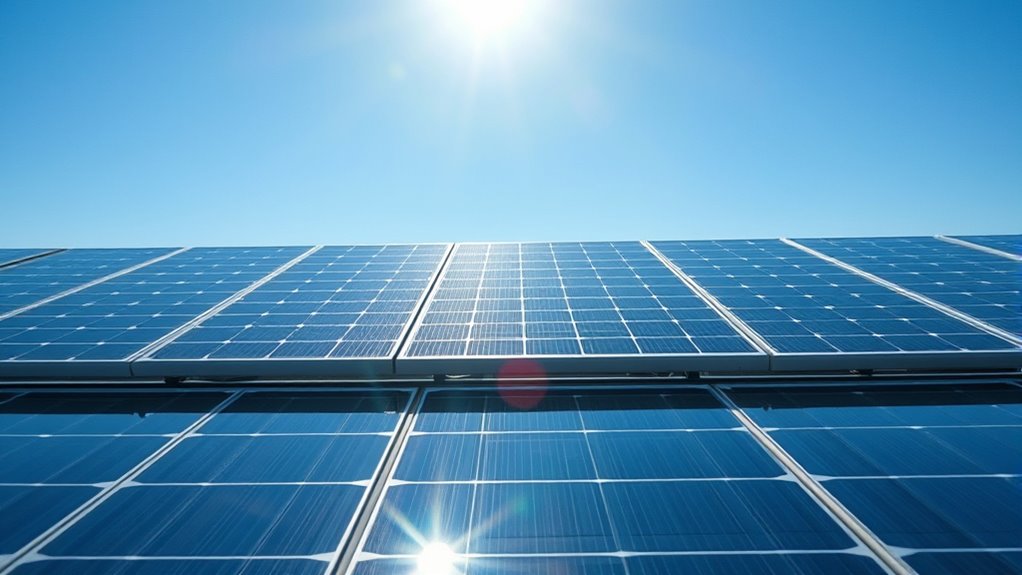
When you install solar panels, you might worry about whether they emit harmful radiation or electromagnetic fields (EMFs) that could affect your health. Solar panels themselves don’t produce ionizing radiation like X-rays or gamma rays, which are known to cause harm.
Instead, they generate low-level EMFs, mainly from the electrical currents running through the system’s wiring and inverters. These EMFs are similar to those produced by everyday household appliances, such as refrigerators and Wi-Fi routers.
Regulatory agencies set safety limits for EMF exposure, and solar panel systems operate well within those limits. So, you don’t need to fear that your solar panels will expose you to dangerous radiation or EMFs.
They’re designed to be safe for you and your family while providing clean energy.
What Does Science Say About Solar Panels and Cancer?
If you’re worried about cancer risks from solar panels, it’s best to look at what the science says instead of just guessing. Research consistently shows there’s no credible link between exposure to solar panels and cancer.
Solar panels work by turning sunlight into electricity, and they don’t give off ionizing radiation—the kind that can harm DNA and raise cancer risk.
Studies checking out electromagnetic fields (EMFs) near solar setups find the levels are way below what health experts say is safe. So, there’s no proven cancer threat from them.
Big organizations like the World Health Organization and the American Cancer Society agree: there’s no evidence that solar panels cause cancer.
When you consider all the facts, science is clear that putting in solar panels won’t boost your cancer risk. That means you can feel good about their environmental and money-saving benefits!
Is Solar Energy Safer Than Other Power Sources?
Although all energy sources have some risks, solar energy stands out as one of the safest options available today. Unlike fossil fuels, solar panels don’t emit harmful air pollutants or carcinogens during operation. This means less exposure to toxic substances for you.
Compared to nuclear power, solar avoids risks tied to radiation leaks. Here’s a quick comparison:
| Energy Source | Health Risks | Environmental Impact |
|---|---|---|
| Solar | Minimal (manufacturing stage) | Low emissions, renewable |
| Fossil Fuels | High (air pollution, carcinogens) | High emissions, pollution |
| Nuclear | Moderate (radiation exposure risk) | Low emissions, radioactive waste |
You can clearly see solar energy limits health hazards while offering clean, renewable power. It’s a safer choice for you and the planet.
How Can You Minimize Health Risks From Solar Panels?
Solar panels offer a safer alternative to many energy sources, but you should still take steps to reduce any potential health risks. Start by ensuring proper installation and maintenance—this prevents exposure to harmful materials like lead or cadmium from damaged panels.
When handling panels, always wear gloves and avoid direct contact with broken parts. It’s better to be safe than sorry!
Choose certified, high-quality solar panels from reputable manufacturers to minimize exposure to hazardous substances. Regularly inspect your system for cracks or leaks and replace damaged components promptly.
If you’re concerned about electromagnetic fields (EMF), try to keep a safe distance from the inverter and electrical wiring. These simple steps can make a big difference.
Ultimately, properly recycle solar panels at the end of their lifespan to prevent environmental contamination. Taking these precautions helps you enjoy solar energy safely.
Frequently Asked Questions
Can Solar Panels Affect Indoor Air Quality?
Solar panels don’t directly affect indoor air quality since they’re installed outside.
However, if your system uses batteries or inverters, you should guarantee proper ventilation to avoid any off-gassing or overheating. That might impact your indoor air.
Do Solar Panels Impact Mental Health or Well-Being?
You won’t find strong evidence that solar panels directly impact your mental health or well-being.
But here’s the thing—using renewable energy can actually boost your mood. It helps reduce environmental worries and gives you a nice feeling of contributing to a healthier planet.
Are There Cancer Risks From Manufacturing Solar Panels?
You shouldn’t worry much about cancer risks from manufacturing solar panels if proper safety measures are followed.
Workers might face exposure to certain chemicals, but regulations and protective gear considerably reduce those risks. This helps keep you safer overall.
How Long Do Solar Panels Take to Degrade?
You’ll find solar panels degrade about 0.5% to 1% per year. That means after 25 years, they still produce around 75-87% of their original power.
Pretty impressive, right? This slow degradation helps keep your energy flow steady and reliable over time.
Can Solar Panel Waste Cause Environmental Cancer Risks?
You shouldn’t worry much; solar panel waste can release toxic materials if not recycled properly, which might harm the environment and increase cancer risks.
Always guarantee panels are disposed of or recycled responsibly to minimize these dangers. It’s really about being careful with how we handle the waste.
Conclusion
You don’t have to worry about solar panels casting a shadow over your health. They’re designed with materials that don’t pose cancer risks and don’t emit harmful radiation or dangerous EMFs.
Science backs up their safety, making solar energy a cleaner, safer alternative to traditional power sources. If you want to play it extra safe, simple precautions can keep any minimal risks at bay.
In the end, solar panels shine bright as a health-friendly choice. With no evidence linking them to cancer or other serious health issues, they’re a smart option for anyone looking to go green. So, when it comes to health risks and solar panels, you can rest easy knowing they’re safe, sustainable, and good for your well-being.