7 Types of Content to Share for Solar Email Marketing
You should share diverse content that educates, engages, and motivates your solar email subscribers. Focusing on educational tips about solar benefits can really catch their interest and help them understand why going solar is a smart choice.
Clear how-to guides for maintenance are super helpful too—they make solar seem manageable and practical.
Authentic customer success stories build trust and show real results, which your audience will appreciate. Show off your latest solar projects with visuals; people love to see what you’re working on.
Offering seasonal promotions and exclusive deals keeps things exciting and gives subscribers a reason to act now.
Don’t forget industry news updates—they position you as a knowledgeable leader in solar energy. And adding interactive content like calculators or videos makes your emails more engaging and fun.
By mixing these content types, you’ll keep your audience informed and ready to take the next step. Explore these strategies further to boost your email impact!
Key Takeaways
– Share educational content highlighting solar benefits, cost savings, and energy independence to inform and engage subscribers.
It’s a great way to help them understand why going solar makes sense.
– Provide how-to guides and maintenance tips to help users optimize and care for their solar systems effectively.
These practical tips make solar ownership easier and more rewarding.
– Feature authentic customer success stories that build trust and demonstrate tangible solar advantages.
People love hearing real experiences—it makes the benefits feel more achievable.
– Use visual content like project photos, videos, and before-and-after shots to showcase real installations and impact.
Visuals really bring your message to life and catch attention quickly.
– Promote seasonal offers, industry updates, and interactive tools to drive engagement and encourage timely solar adoption.
Keep things fresh and exciting to motivate your audience to take action.
Educational Tips on Solar Benefits for Email Subscribers
Although many people know solar energy can save money, you might not realize all the environmental and practical benefits it offers. When you share educational tips in your emails, you help subscribers understand how solar power reduces carbon footprints and lowers utility bills.
You can explain how solar systems increase property value or provide energy independence during outages. Break down complex ideas into clear, digestible points so your audience feels empowered to make informed decisions.
By offering practical insights, you build trust and position your brand as a reliable resource. When your subscribers grasp the full scope of solar benefits, they’re more likely to stay engaged and consider switching to solar.
Educational content creates a win-win: informed customers and stronger relationships.
How-To Guides for Solar Maintenance Email Content
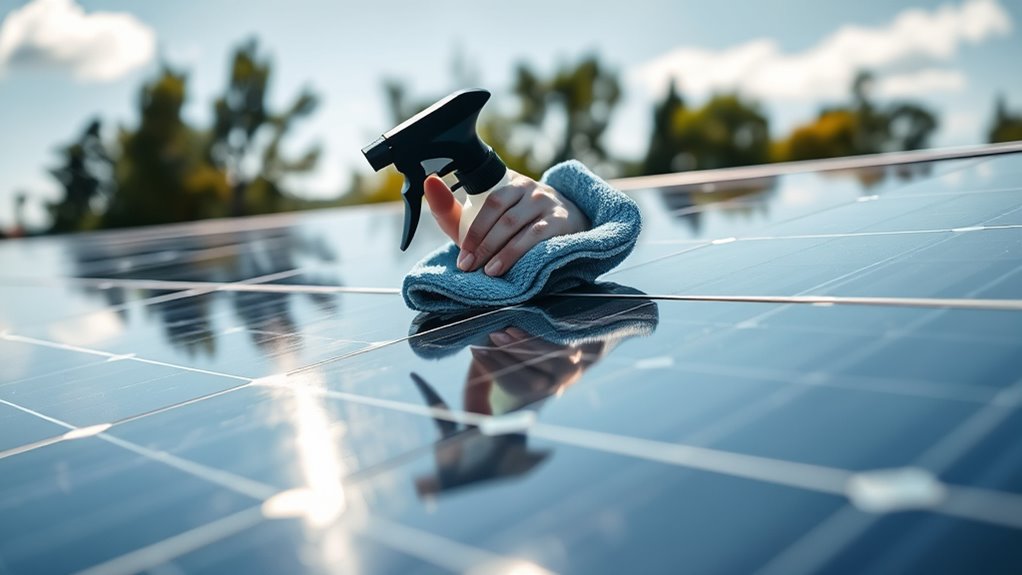
Once your subscribers understand the benefits of solar energy, they’ll want to keep their systems running smoothly. That’s where how-to guides for solar maintenance come in handy. You can provide step-by-step instructions on routine tasks like cleaning solar panels, checking for shading issues, or monitoring system performance.
These guides empower your audience to take simple actions that boost efficiency and extend the lifespan of their investment. Use clear language and helpful visuals to make the process easy to follow. You might also include seasonal maintenance reminders or troubleshooting tips for common problems.
Customer Success Stories to Build Solar Email Trust

You can boost trust by sharing real-life solar benefits your customers have experienced. Showing transparent success stories helps your audience see the tangible impact of solar energy.
When you highlight honest feedback, you make your emails more relatable and credible. It’s all about connecting with your readers on a real level.
Real-Life Solar Benefits
When you share real-life solar benefits through customer success stories, you build trust and credibility with your audience. These stories show tangible results, like lower energy bills or increased home value, making solar power relatable and achievable.
You can highlight specific examples, such as a family cutting their electricity costs by 50% or a business reducing its carbon footprint considerably. Sharing these outcomes helps your readers envision how solar energy can positively impact their lives.
By presenting clear, quantifiable benefits, you encourage potential customers to take the next step. Remember, real-life examples resonate more than abstract claims, so focus on authentic, detailed stories that demonstrate how solar power delivers real savings and environmental benefits.
This approach strengthens your email marketing’s impact.
Trust Through Transparency
How can transparency boost your solar email marketing? By sharing real customer success stories, you build trust and credibility with your audience. When potential buyers see honest accounts of how solar solutions worked for others, they feel more confident in choosing your services.
Don’t just highlight benefits—include challenges customers faced and how your team resolved them. This openness shows you’re trustworthy and committed to their satisfaction.
Use detailed testimonials, before-and-after data, and even short interview clips to make your emails engaging and authentic. Transparency turns prospects into loyal customers by proving you’re reliable and honest.
Make these stories a regular part of your emails to foster lasting trust and increase conversions. It’s all about keeping it real and showing you genuinely care.
Show Off Your Latest Solar Projects via Email
You can grab your audience’s attention by showcasing stunning visuals of your latest solar projects in your emails. Don’t just show the panels—share the real energy impact they’re making.
This helps your readers see the value and inspires them to take action. It’s all about making the message clear and engaging.
Highlight Project Visuals
Few things capture attention like vivid visuals of your latest solar projects. When you highlight project visuals in your emails, you give your audience a clear, tangible example of your work’s quality and impact.
Use high-resolution images or short videos showing panels installed on roofs or in landscapes to make your message more engaging. Before-and-after shots work wonders to showcase transformations and build trust.
Be sure to include captions or brief descriptions explaining each project’s unique benefits or challenges. Visual content not only grabs attention but also helps prospects envision how solar solutions fit their own needs.
Share Energy Impact
Sharing the measurable energy impact of your latest solar projects can turn curiosity into commitment. When you showcase real data—like kilowatt-hours generated, carbon emissions saved, or money customers have saved—you give your audience tangible proof of your system’s value.
People want to see how your solutions make a difference, not just hear about them. Include graphs, charts, or brief case studies in your emails to illustrate these benefits clearly. Highlighting local or recent projects makes the impact relatable and boosts trust.
Seasonal Promotions and Exclusive Deals for Solar Emails
When solar companies offer seasonal promotions and exclusive deals, they tap into customers’ sense of urgency and value. You can create timely offers around holidays, tax season, or peak sunlight months to encourage immediate action.
Highlight limited-time discounts, special financing, or bundled packages to make your emails stand out. Be clear about deadlines and savings to motivate quick decisions.
Exclusive deals for email subscribers build loyalty and make recipients feel valued. This increases open rates and engagement.
Personalize offers based on past interactions or location to boost relevance. Remember, your goal is to turn interest into commitment by making your solar solutions more accessible and affordable through these targeted promotions.
Seasonal deals add excitement and drive conversions when done thoughtfully in your email campaigns. So, keep it fresh and relevant!
Industry News and Technology Updates for Solar Marketers
Staying updated with the latest industry news and technology trends is essential for solar marketers aiming to maintain a competitive edge. By sharing timely updates on solar innovations, policy changes, and market shifts, you position yourself as a reliable source of valuable information.
Your audience will appreciate insights on new solar panel technologies, government incentives, or industry regulations affecting their investments. This content not only educates but also builds trust and credibility. It encourages subscribers to engage with your brand and consider your offerings.
Keeping your emails informative about the evolving solar landscape helps you stay relevant and top-of-mind. Make sure to curate accurate, concise updates that resonate with your audience’s interests and needs. This way, you’re helping them make informed decisions about solar energy solutions.
Interactive Content Ideas to Boost Solar Email Engagement
To capture your audience’s attention and encourage interaction, you need to incorporate interactive content in your solar email campaigns. Start by adding quizzes that help subscribers assess their solar energy needs or savings potential.
Polls and surveys are also great for gathering opinions while keeping readers engaged. Interactive infographics let your audience explore solar benefits visually and personally.
Don’t overlook calculators—tools that estimate energy savings or ROI make your emails practical and valuable. Embedding videos with clickable elements or product demos can boost click-through rates.
Frequently Asked Questions
How Do I Segment My Email List for Solar Marketing?
You segment your solar email list by customer interest, location, and stage in the buying process. Use data like past engagement and energy usage to tailor content, ensuring your messages resonate and drive higher conversion rates.
It’s all about making your emails feel relevant and timely. When you do that, people are more likely to open them and take action. So, keep digging into that data and keep your segments fresh!
What Is the Best Email Frequency for Solar Campaigns?
You should send solar campaign emails about once a week to stay top of mind without overwhelming your audience.
Adjust frequency based on engagement, and always provide valuable content to keep your subscribers interested and responsive.
It’s all about finding that sweet spot that keeps people engaged but not annoyed. Keep an eye on how your audience reacts and tweak as needed!
How Can I Measure the ROI of Solar Email Marketing?
You can measure ROI by tracking conversions from your emails and calculating the revenue generated versus your campaign costs.
Keep an eye on your open and click-through rates too. These show how engaged your audience is with your content.
Using tools like Google Analytics helps a lot. It lets you attribute sales directly to your solar email marketing efforts, making the whole process clearer.
Which Email Subject Lines Get the Highest Open Rates?
You’ll want subject lines that grab attention like a bolt from the blue—clear, benefit-driven, and personalized.
Phrases like “Save big on solar today” or “Your energy bill’s new best friend” usually get the highest open rates.
It’s all about making the reader feel like the email is just for them.
Are There Legal Regulations for Solar Marketing Emails?
Yes, you must follow legal regulations like the CAN-SPAM Act. It requires honest subject lines, opt-out options, and clear sender info.
You can’t send unsolicited emails or hide your identity when marketing solar products. So, always be upfront and make it easy for people to unsubscribe if they want to.
Conclusion
You want your solar email marketing to shine, so mix education with excitement. Pair how-to guides with customer stories to build trust while showcasing real results.
Blend seasonal deals with industry news to keep your audience informed and enthusiastic. Don’t just inform—engage with interactive content that sparks curiosity.
By balancing valuable insights and dynamic engagement, you’ll power up your emails, turning subscribers into loyal solar advocates. Keep it bright, bold, and compelling.
Remember, great solar email marketing combines education, excitement, and interaction. When you share useful how-to guides, inspiring customer stories, timely deals, and the latest industry news, your audience stays engaged and eager for more. Interactive content adds that extra spark, making your emails a must-read. This approach not only builds trust but also drives action, helping you convert subscribers into devoted solar customers. Keep your emails informative, engaging, and focused on what matters most—empowering your audience to embrace solar energy confidently.