What Should You Know About Community Solar and Pyramid Schemes?
You should know that community solar lets you join shared solar projects without needing rooftop panels. It helps cut your energy bills and usually comes with no upfront costs, making clean energy more accessible to everyone.
Community solar is a great way to support renewable energy while saving money.
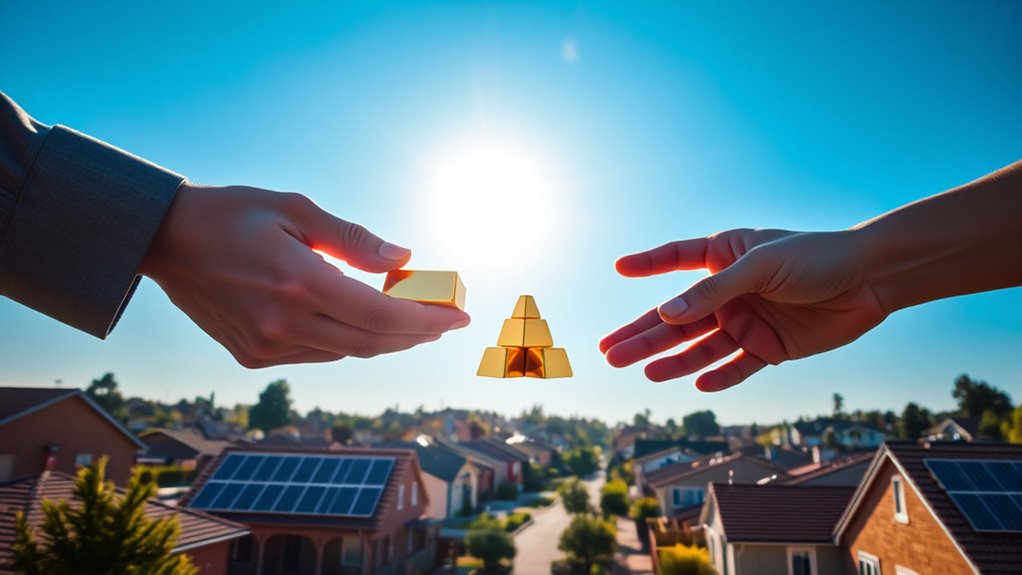
But watch out for pyramid schemes that promise high returns with little effort. These scams often focus on recruiting others to join, rather than selling real products or services. They usually lack transparency and can lead to big financial losses.
Always verify certifications, understand contracts, and check for official backing before investing. Staying informed and cautious protects you from scams and helps you get the most out of clean energy opportunities.
More useful tips follow to guide your decisions.
Key Takeaways
- Community solar lets participants share clean energy without rooftop panels or upfront costs, which is perfect if you’re renting or your home isn’t suitable for solar panels.
- Pyramid schemes misuse solar investments by promising high returns. But here’s the catch—they rely on recruiting new participants to pay earlier investors.
- Watch out for red flags like unrealistic profits, pressure to recruit others, vague contracts, and a lack of transparency in solar projects.
- Before you invest, make sure to verify legitimacy through certifications, financial audits, official approvals, and clear, detailed contract terms.
- It’s smart to stay informed about the benefits and risks of community solar. And be cautious about any offers that guarantee high returns or make unclear claims.
What Is Community Solar? How It Works and Benefits You
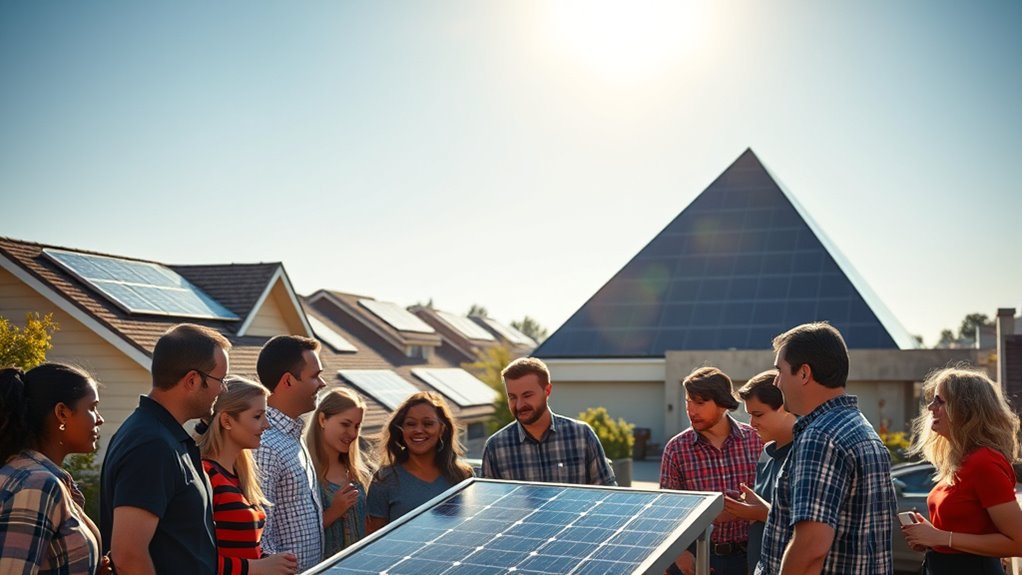
Although you might not have a solar panel on your roof, you can still benefit from solar energy through community solar. Community solar lets you subscribe to a shared solar power system located nearby.
Instead of installing panels yourself, you buy or lease a portion of a larger solar farm. This setup generates clean electricity that offsets your energy use, lowering your utility bills.
You don’t have to worry about maintenance or upfront installation costs. Plus, it’s a great option if your home isn’t suitable for solar panels or if you rent.
How Do Solar Pyramid Schemes Trick You?
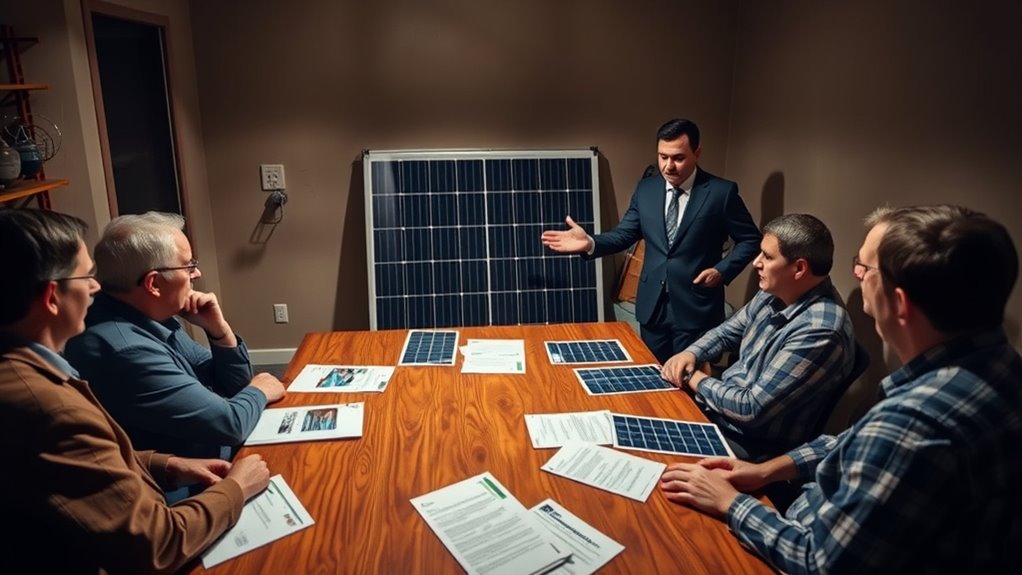
When you’re drawn to solar energy opportunities, some scams can disguise themselves as legitimate investments. Solar pyramid schemes trick you by promising high returns with little effort. They often rely on your desire to support green energy, making their pitch more convincing.
Here’s how they typically work: They ask you to invest a large sum upfront, claiming quick profits. Then, you’re encouraged to recruit others to join, shifting the focus from actual solar projects.
The initial payouts come from new recruits’ investments, not from real solar energy earnings. Eventually, when recruitment slows, the scheme collapses, leaving most participants with losses.
Understanding these tactics helps you stay cautious and avoid falling into traps masked as community solar ventures. It’s always good to double-check before you jump in!
What Are the Warning Signs of a Community Solar Pyramid Scheme?
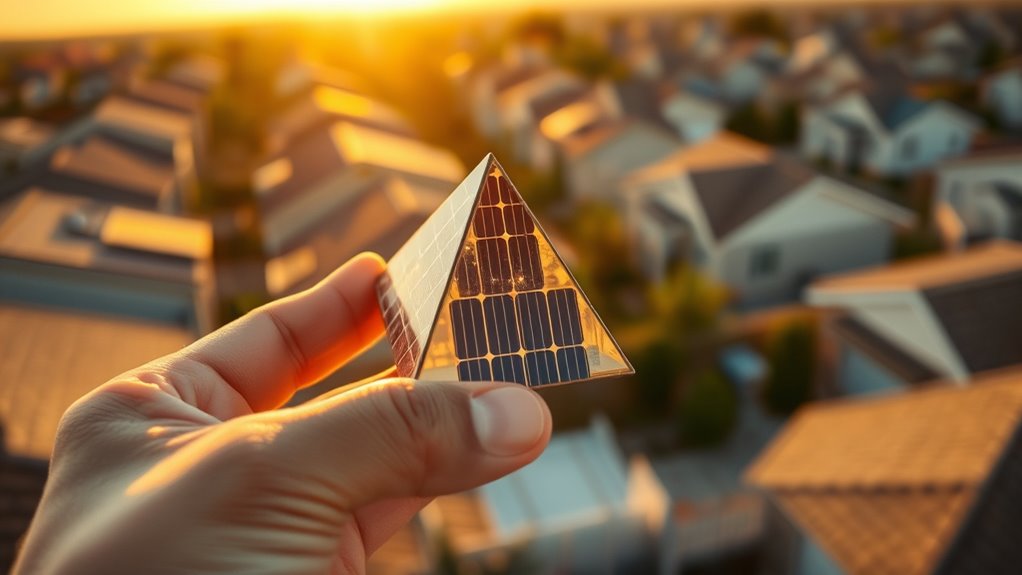
You should watch out if a community solar offer promises unrealistic profits or pushes you to recruit others constantly.
When the details are confusing or the company isn’t transparent about how the program works, that’s a major red flag.
Staying alert to these signs can help you avoid falling into a pyramid scheme.
Unrealistic Profit Promises
If a community solar opportunity promises sky-high returns with little effort, you should be skeptical. Legitimate investments rarely guarantee massive profits overnight, especially without risk.
Here’s what to watch for:
- Promises of unusually high, consistent returns regardless of market conditions.
- Claims that you’ll earn more by recruiting others than by actual solar energy sales or usage.
- Lack of clear, verifiable information about how profits are generated.
- Pressure to invest quickly to “lock in” special rates or bonuses.
These signs often indicate a pyramid scheme rather than a genuine community solar project. So, stay cautious and demand transparency before investing your money.
If it sounds too good to be true, it probably is.
Complex Recruitment Requirements
Although community solar projects can offer real benefits, schemes that require you to recruit numerous participants often raise red flags. If you find yourself pressured to bring in multiple new members just to earn returns or access benefits, be cautious.
Legitimate community solar programs focus on energy production and savings, not your ability to build a recruitment network. When compensation depends heavily on enrolling others rather than the actual solar service, it’s a warning sign.
These complex recruitment requirements can create unsustainable growth models that collapse once new participants dwindle. Always ask yourself: Is the emphasis on selling solar energy or on signing up more people? If the latter dominates, you might be dealing with a pyramid scheme disguised as a community solar opportunity.
Lack Of Transparency
When recruitment takes center stage over genuine solar benefits, it often signals deeper issues—one of the biggest being a lack of transparency. You should be cautious if the community solar offer hides key details or makes earnings sound too good to be true.
Here are four warning signs to watch for:
- Unclear Financials: They won’t explain how profits are generated or distributed.
- Vague Contract Terms: Contracts are confusing or omit important information.
- Pressure to Recruit: You’re pushed to bring in others quickly without full disclosures.
- No Independent Verification: Claims lack third-party validation or regulatory approval.
If you spot these signs, step back and research thoroughly before committing. It’s important to avoid falling into a pyramid scheme disguised as community solar.
How Can You Evaluate a Community Solar Project’s Legitimacy?
You’ll want to start by verifying the project’s certifications to guarantee it meets industry standards.
Next, assess the financial transparency—look for clear, detailed information about costs and returns.
These steps help you spot a legitimate community solar project from a potential scam.
Verify Project Certifications
Because community solar projects often involve significant investments and long-term commitments, verifying their certifications is essential before you join. This guarantees you’re dealing with a legitimate, trustworthy initiative.
Here’s how you can verify a project’s credibility:
- Check for approval from your state’s public utility commission or energy office.
- Confirm the project holds relevant renewable energy certifications, like those from the Solar Energy Industries Association (SEIA).
- Look for accreditation from recognized third-party organizations, such as the Green-e certification.
- Verify that the project complies with local building codes and environmental regulations.
Taking these steps helps make sure you’re supporting a project that’s both reliable and above board. It’s always better to be safe than sorry!
Assess Financial Transparency
How can you be sure a community solar project is financially transparent and legitimate? Start by requesting detailed financial statements, including budgets, expenses, and revenue reports. Legitimate projects openly share this information, showing where your investment goes.
Check if independent audits are available; these add a layer of credibility. Also, review the project’s funding sources—reliable projects won’t rely solely on participant fees but have diverse funding like grants or loans.
Beware if the project pressures you to recruit others for returns, a red flag for pyramid schemes. Finally, ask about the financial team’s qualifications and track record. If they’re hesitant or vague, that’s a warning sign.
What Legal Protections Help You Avoid Solar Scams?
Although community solar projects promise clean energy savings, you need strong legal protections to steer clear of scams disguised as lucrative investments. To protect yourself, focus on these key safeguards:
Community solar offers savings, but strong legal safeguards are essential to avoid investment scams.
- Regulatory Compliance: Guarantee the project complies with state and federal energy regulations to avoid illegal schemes.
- Contract Clarity: Read contracts carefully; they should clearly define your rights and obligations without hidden fees.
- Licensing Verification: Confirm the solar company holds valid licenses and certifications from recognized authorities.
- Consumer Protection Laws: Know your rights under consumer protection laws that offer recourse if fraud occurs.
How to Join Community Solar Safely and Benefit
Staying protected from scams sets the stage for enjoying the real benefits of community solar. To join safely, start by researching reputable providers with verifiable track records.
Check for clear contracts outlining costs, savings, and commitment terms. Avoid any program that pressures you to recruit others or promises guaranteed high returns—that’s a red flag for pyramid schemes.
Verify if the project is certified or supported by your local utility or government. Ask questions about how credits will appear on your energy bill and understand the cancellation policy.
Finally, read reviews and seek recommendations from trusted sources. By staying informed and cautious, you’ll tap into community solar’s savings and environmental benefits without falling victim to scams.
Frequently Asked Questions
Can Community Solar Reduce My Overall Electricity Bill?
Yes, community solar can reduce your overall electricity bill by letting you buy into shared solar power. This lowers your reliance on traditional utilities and helps cut costs.
Just make sure you understand the contract details before signing. It’s always good to know exactly what you’re committing to!
How Does Community Solar Impact Local Job Creation?
Community solar projects boost local job creation by hiring workers for installation, maintenance, and administration. You’ll see more opportunities in green energy sectors, helping your community’s economy grow while supporting sustainable power development.
It’s pretty exciting to think about how these projects don’t just bring clean energy but also real jobs to your neighborhood. So, when you support community solar, you’re also backing local workers and economic growth.
Are There Tax Incentives for Joining Community Solar Programs?
You might be surprised—yes, there are tax incentives for joining community solar programs!
You’ll often qualify for credits or deductions that reduce your tax bill, making your switch to clean energy even more rewarding financially. It’s a great way to save money while helping the planet.
What Is the Typical Contract Length for Community Solar Subscriptions?
You’ll typically sign a contract for 1 to 20 years when joining a community solar subscription.
Make sure you read the terms carefully, as some offer flexible options while others lock you into longer commitments.
It’s always good to know what you’re getting into before you commit.
Can I Transfer My Community Solar Agreement if I Move?
You usually can transfer your community solar agreement if you move, but it depends on the provider’s policies and state regulations. Always check your contract terms and notify your provider early to guarantee a smooth transfer process.
It’s a good idea to reach out to them as soon as you know you’re moving. That way, you can avoid any surprises and keep your solar benefits going without interruption.
Conclusion
So, you want to join community solar and dodge pyramid schemes? Easy—just remember, if it sounds too good to be true, it probably is. Don’t be the person who hands over cash for sunshine that never shines.
Do your homework, spot the red flags, and stick with legit projects. Because nothing says “bright future” like avoiding scams and actually saving on your energy bill.
Shine smart, not shady! When it comes to community solar, always verify the credibility of the program and the company behind it. Pyramid schemes often promise quick profits and recruit others to join, which is a major warning sign. By staying informed and cautious, you can enjoy the benefits of clean energy without falling victim to scams. Remember, a trustworthy community solar project helps you save money and supports sustainable living—making your energy choices both bright and secure.