10 Price Insights on How Much Solar Panels Cost in Arizona
If you’re thinking about getting solar panels in Arizona, you can expect the costs to range between $12,000 and $18,000. This depends on factors like system size, quality, and how complex the installation is.
Solar panel cost in Arizona varies, but knowing what influences the price can help you plan better.
You can bring those costs down by taking advantage of the 30% federal tax credit and local incentives. These savings are especially helpful if you move quickly and act before the year ends.
Just remember, there might be hidden fees too, like permits or roof repairs.
Arizona’s abundant sunshine is a big plus — it boosts your energy savings and makes your solar system work more efficiently.
By understanding these costs and benefits, you can make smarter choices and get the most out of your solar investment.
Key Takeaways
- Typical Arizona home solar systems cost between $12,000 and $18,000. This depends on panel quality, installation complexity, and system size.
- The federal Investment Tax Credit (ITC) offers a 30% cost deduction. This can significantly lower your overall solar installation expenses.
- System size ranges from 3 kW to over 8 kW. Larger systems increase upfront costs but maximize energy savings.
- Roof complexity, permits, and extra equipment like inverters or monitoring systems can add hidden costs. So, keep these in mind when budgeting.
- Choosing licensed, insured installers with strong warranties is key. This ensures quality installation and long-term system performance.
How Much Do Solar Panels Cost on Average in Arizona
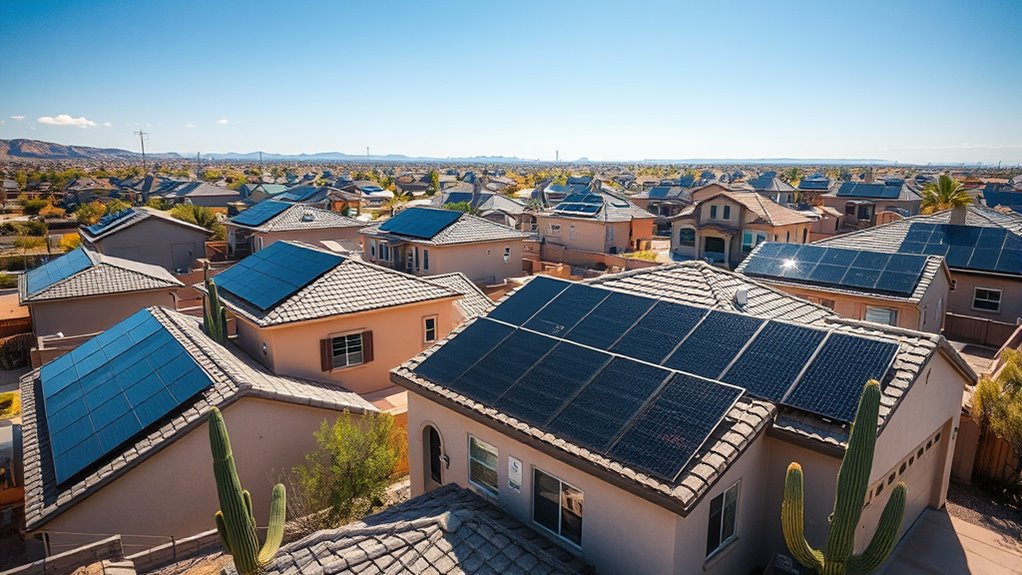
If you’re considering solar panels in Arizona, you’ll find that the average cost typically ranges between $12,000 and $18,000 for a standard home system. This price includes panels, inverters, mounting hardware, and installation labor.
Arizona’s abundant sunshine means you’ll get excellent energy production, making your investment worthwhile. Keep in mind, prices vary based on panel quality, brand, and installer rates.
Arizona’s abundant sunshine ensures high energy output, but costs vary with panel quality, brand, and installer fees.
You might also encounter differences due to local permits or additional equipment like monitoring systems. While upfront costs can seem high, incentives and tax credits often help reduce your out-of-pocket expense.
Understanding these average costs gives you a solid starting point as you explore solar options tailored to your home and energy needs in Arizona.
Which Solar System Size Fits Your Arizona Home Budget
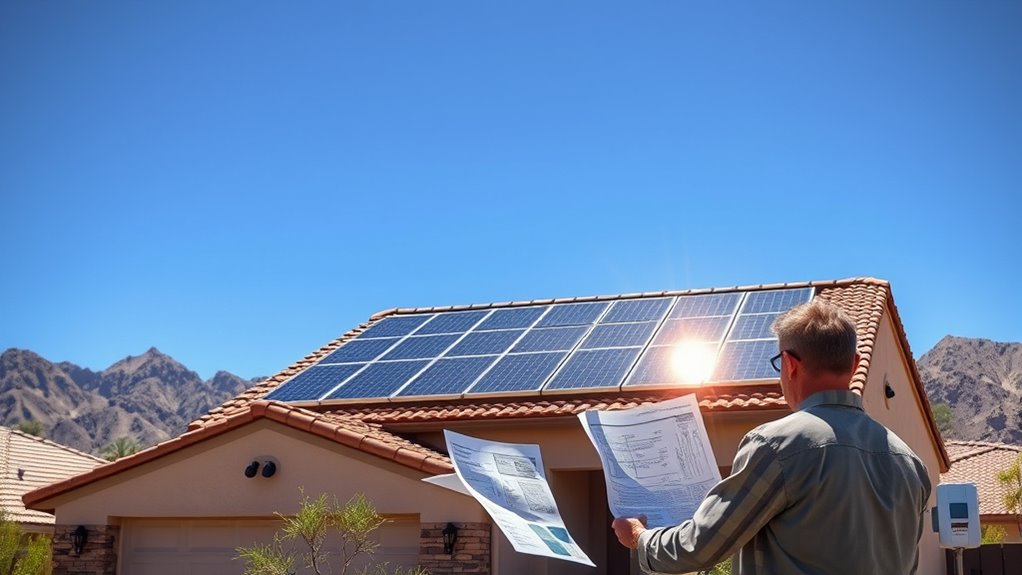
Choosing the right solar system size for your Arizona home depends on your energy needs and budget. You’ll find options ranging from compact, budget-friendly setups to larger systems that cover more power use.
Let’s explore which size fits your goals without stretching your finances. It’s all about finding the balance that works best for you.
Residential Solar System Options
Wondering which solar system size fits your Arizona home budget? Residential solar options range from small 3 kW setups to larger 10 kW systems, tailored to your energy needs and roof space.
A smaller system suits you if your household uses less power or you want to offset a portion of your bill. Mid-sized systems, around 5-7 kW, fit most average Arizona homes, balancing cost and energy savings efficiently.
Larger systems, above 8 kW, work well if you have high energy demands or want to maximize solar benefits. Keep in mind, system size impacts installation costs and potential savings, so choosing the right option helps you optimize your investment while enjoying Arizona’s abundant sunshine.
Budget-Friendly Solar Sizes
Solar system size plays a big role in balancing your upfront costs with long-term savings. If you want to keep initial expenses low, consider a smaller system around 4 to 6 kW. It covers basic electricity needs and fits modest budgets while still reducing your utility bills.
For more substantial savings, a 7 to 10 kW system suits average Arizona homes, offering greater energy independence without breaking the bank. Remember, bigger isn’t always better if it strains your budget or exceeds your home’s energy use. You can also expand your system later as needs grow.
How Installation Complexity Can Raise Your Solar Costs
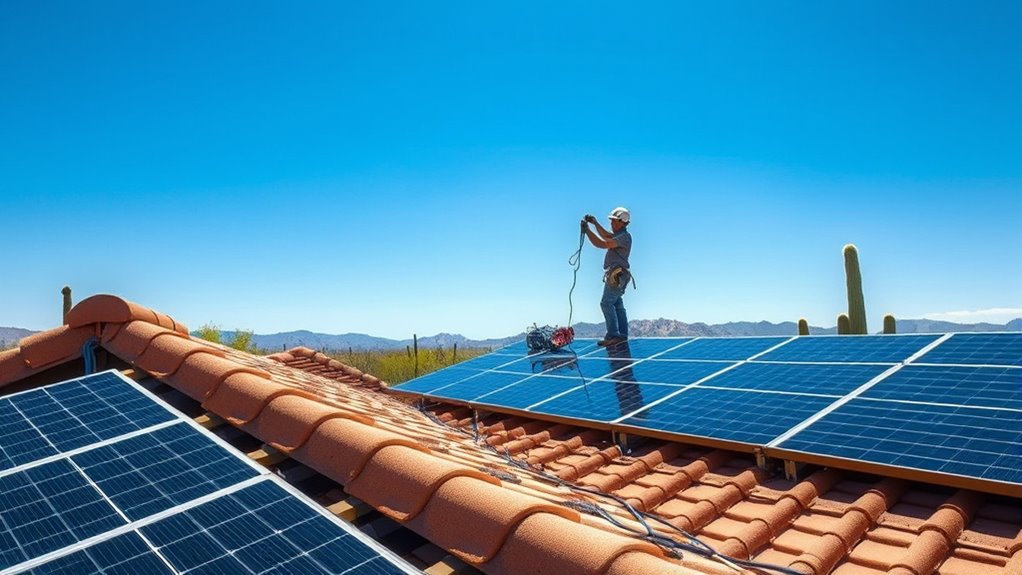
Because every roof is unique, installation complexity can quickly increase your solar costs. If your roof has multiple angles, steep pitches, or limited space, the labor required to safely and securely install panels goes up.
Unique roof features like multiple angles or steep pitches increase installation labor and overall solar costs.
You’ll likely need specialized mounting equipment or additional support structures, which add to the price. Older roofs or those with damaged areas might require repairs before installation, increasing upfront expenses.
Additionally, tricky electrical setups, like integrating with existing wiring or handling complex inverter placements, can raise labor costs. When installers face obstacles like difficult access or the need for custom solutions, they spend more time—and that time costs you.
Understanding your roof’s specific challenges helps you anticipate potential cost increases and plan your solar investment wisely.
Common Hidden Costs Beyond Panels and Installation
Many homeowners overlook the extra expenses that come after the panels are installed. You might not realize that costs like permits, inspections, and utility interconnection fees can add up. Even though these are often small individually, they impact your total investment.
Also, if your roof needs repairs or reinforcement, that’s another bill to factor in before installation. You’ll want to budget for potential maintenance costs too, like inverter replacements or panel cleaning, to keep your system efficient.
Some homeowners opt for monitoring systems, which can carry subscription fees. And if you decide to add battery storage later, that’s a significant expense separate from your initial setup. Being aware of these common hidden costs helps you plan your solar project budget more accurately.
Top Arizona Solar Incentives to Lower Your Costs
While upfront costs might seem intimidating, Arizona offers several incentives that can considerably reduce your solar panel expenses. You can take advantage of the federal solar Investment Tax Credit (ITC), which lets you deduct 30% of your system’s cost from your federal taxes.
Arizona also supports net metering, allowing you to earn credits for excess energy your panels produce, lowering your utility bills. Some local utilities provide additional rebates or performance-based incentives, so check with your provider.
The state’s Property Assessed Clean Energy (PACE) program can help you finance solar upgrades with manageable payments tied to your property tax. By combining these incentives, you can substantially cut your initial investment and enjoy faster returns on your solar energy system.
How Financing Options Affect Your Total Solar Expense
When you explore solar panel installation, your choice of financing can really impact your total cost. Paying upfront saves you interest but means a bigger payment right away.
Loans let you spread out the cost over time with added interest. This makes monthly payments easier to manage, but your total expense goes up.
Leasing or power purchase agreements (PPAs) lower what you pay at the start. However, since you don’t own the system, your long-term savings usually aren’t as high.
| Financing Option | Impact on Total Cost |
|---|---|
| Cash Payment | Lowest total cost, no interest |
| Solar Loan | Higher total cost, manageable monthly payments |
| Lease | Lower upfront cost, less overall savings |
| PPA | Minimal upfront, pay per kWh, limited savings |
Think about what fits your budget and long-term goals best. That way, you can get the most value from your solar investment.
How Panel Quality and Brand Impact Solar Prices
Choosing the right solar panel quality and brand can really influence the overall price you pay. When you pick higher-quality panels from reputable brands, you’re often paying a premium for durability, efficiency, and better warranties.
Lower-quality or lesser-known brands might save you money upfront, but they could end up costing more in maintenance or replacements down the line. So, here’s what to keep in mind:
- Efficiency – Higher efficiency panels convert more sunlight, and they often cost more.
- Durability – Premium panels resist weather damage better, which helps them last longer.
- Warranty – Trusted brands usually offer longer and more comprehensive warranties.
- Brand Reputation – Well-known manufacturers invest in quality control, which reduces risks.
When Is the Best Time to Buy Solar Panels in Arizona?
Understanding how panel quality and brand affect your solar investment sets the stage for timing your purchase wisely. The best time to buy solar panels in Arizona is typically during the late fall and winter months. Demand tends to dip as temperatures cool, leading installers to offer discounts or promotions.
Additionally, purchasing before the year’s end can help you maximize federal and state tax incentives, which often have annual deadlines. Keep in mind that supply chain issues or tariff changes can also impact pricing, so staying informed helps you act quickly when a good deal appears.
How Arizona’s Sunshine Increases Your Solar Savings
You’ll benefit from Arizona’s abundant sunshine, which boosts your solar panels’ energy production all year long. The more sunlight your system captures, the more you save on electricity bills.
It’s pretty simple—more sun means more power and bigger savings. Understanding this advantage helps you make the most of your solar investment.
Abundant Sunlight Benefits
Because Arizona basks in over 300 sunny days annually, your solar panels can generate more energy than in many other states. This abundance of sunlight means you’ll enjoy greater savings on your electricity bills throughout the year.
The consistent sun exposure also boosts the efficiency and lifespan of your solar system, maximizing your investment. Here are four key benefits you’ll experience:
- Higher daily energy production thanks to longer sunlight hours
- Reduced reliance on the grid, lowering your monthly costs
- Faster return on investment due to consistent power generation
- Greater eligibility for solar incentives and tax credits linked to output
With Arizona’s sunny climate, your solar panels won’t just work—they’ll thrive. You’ll be helping yourself save more every single day.
Maximizing Energy Production
While many factors influence solar energy output, Arizona’s abundant sunshine plays the biggest role in maximizing your system’s performance. You’ll benefit from over 300 sunny days a year, which means your solar panels can generate more electricity compared to less sunny states.
To make the most of this, guarantee your panels are installed at the best angle to capture maximum sunlight throughout the day. Regular maintenance, like cleaning dust and debris, also helps keep your system efficient.
Additionally, smart inverter technology can optimize energy conversion during intense sunlight. By taking advantage of Arizona’s natural solar potential and fine-tuning your setup, you’ll see increased energy production and greater savings on your electricity bills over time.
How to Compare Solar Quotes and Choose Installers
When comparing solar quotes and choosing installers, focus on more than just the price. You want a reliable partner who offers quality products and excellent service.
Here’s how to narrow down your options:
- Check Credentials: Verify licenses, certifications, and insurance to guarantee professionalism.
- Read Reviews: Look for consistent positive feedback on installation quality and customer support.
- Compare Warranties: Evaluate panel, inverter, and workmanship warranties for long-term protection.
- Analyze Quotes: Review system size, equipment brands, and financing options, not just the bottom line.
Frequently Asked Questions
How Do Solar Panels Affect My Home Insurance in Arizona?
Installing solar panels in Arizona usually increases your home insurance premium slightly since they add value and risk. You should notify your insurer to update your policy and guarantee your panels are fully covered against damage or theft.
It’s a good idea to keep your insurance company in the loop. That way, you won’t be caught off guard if something happens to your solar panels. Plus, having the right coverage means you’re protected financially.
What Maintenance Is Required for Solar Panels in Arizona’s Climate?
Imagine you live in Phoenix; you’ll need to clean your panels every few months to remove dust and debris.
You’ll also want to inspect for damage after storms to keep your system efficient in Arizona’s harsh sun.
Can Solar Panels Increase My Property Value in Arizona?
Yes, solar panels can increase your property value in Arizona. Buyers often appreciate energy savings and sustainability, making your home more attractive.
Plus, solar installations can boost resale value and speed up the selling process. It’s a win-win if you’re looking to sell down the line.
How Do Weather Events Impact Solar Panel Durability in Arizona?
Severe weather like hail, high winds, and intense heat can wear down your solar panels over time. But don’t worry, most are built to withstand Arizona’s tough conditions.
Regular maintenance helps you catch damage early. It’s the best way to keep them durable and working efficiently.
Are There Special Permits Needed for Solar Installation in Arizona?
You’ll need special permits for solar installation in Arizona, with over 80% of cities requiring them.
Don’t worry, the process’s straightforward—your installer usually handles paperwork to guarantee everything meets local codes and regulations.
Conclusion
Just like the desert sun rising over the Grand Canyon, your journey to solar savings starts with the right steps. By understanding costs, incentives, and quality, you’ll shine through the complexities and find the perfect system for your Arizona home.
So, don’t wait for tomorrow’s heat—seize today’s solar opportunity and watch your energy bills fall like desert shadows at dusk.
Choosing solar panels in Arizona means tapping into a powerful, renewable energy source that’s both cost-effective and environmentally friendly. With the right knowledge about pricing and local incentives, you can make a smart investment that pays off for years. Your brighter, greener future is just a decision away—start now and enjoy lower energy bills and a smaller carbon footprint.