How to Tell If Your Solar Panel Is Working in 7 Easy Steps
You can tell if your solar panel is working by checking its display or app for real-time output and comparing it to expected production for the weather. This quick check helps you see if your system is performing as it should on sunny or cloudy days.
Inspect your panels for any damage, dirt, or shading that might reduce their efficiency. Also, make sure all connections are secure and tight to avoid any power loss.
Try measuring energy output during peak sun hours to get a clear picture of performance. Keep an eye out for warning lights or unusual noises coming from the inverter, as these can be signs of trouble.
If you notice output drops that don’t improve after cleaning, it’s probably time to call a professional.
Stick around for simple tests and signs to watch for that will help keep your solar panels in top shape.
Key Takeaways
- Check the inverter display or app for real-time power output and compare it to expected levels for the time of day. This will give you a quick idea if everything is running smoothly.
- Inspect solar panels for visible damage, dirt, shading, or loose wiring that can reduce performance. Sometimes a bit of dirt or a shadow can make a big difference.
- Monitor daily or monthly energy production using the system’s monitoring software for consistent output. Keeping an eye on the trends helps you spot any drops early.
- Look for error messages, warning lights, unusual noises, or excessive heat from the inverter indicating issues. These signs usually mean something needs your attention.
- Clean panels regularly and schedule professional inspection if output drops persist despite maintenance. Staying on top of this keeps your system in top shape!
How to Check Your Solar Panel’s Display or Monitoring App
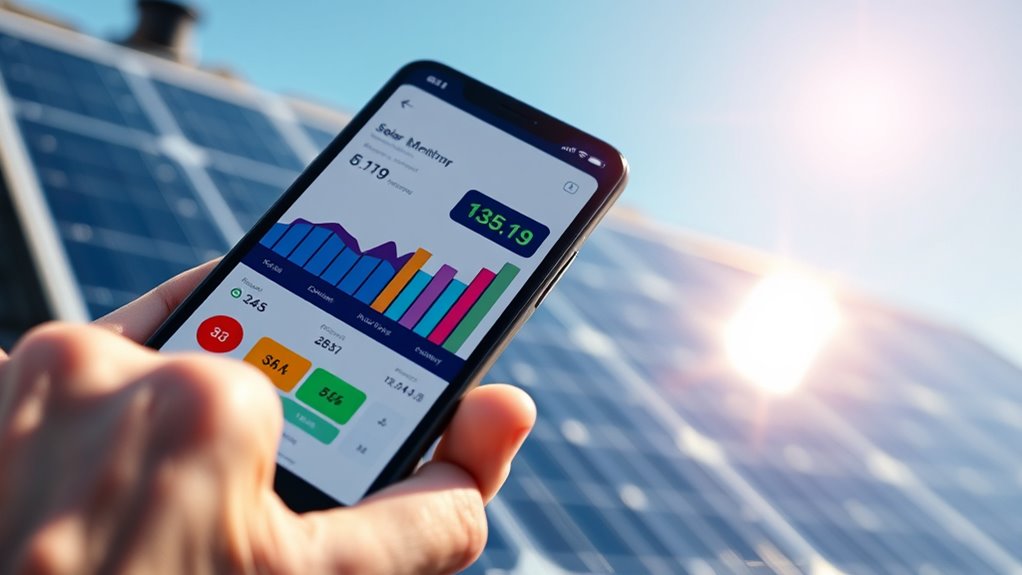
Before you explore more technical checks, you should first look at your solar panel’s display or monitoring app. These tools provide real-time data on how much energy your system is producing.
Open the app or check the display panel and review the current output compared to the forecasted production for that time of day. If the numbers are notably lower, it could signal an issue.
Pay attention to any error messages or warnings the system might show, as they can point you toward specific problems. Regularly monitoring this data helps you spot drops in performance early.
Checking Your Solar Panel’s Physical Condition
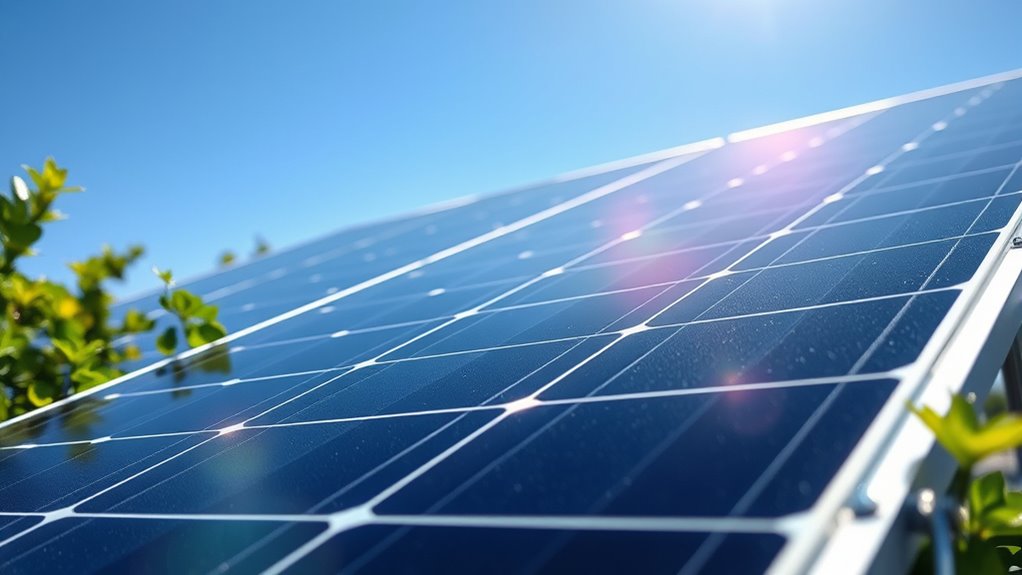
If your monitoring app shows lower-than-expected output or error messages, it’s a good idea to inspect your solar panels physically. Begin by checking for visible damage like cracks, chips, or discoloration on the glass surface.
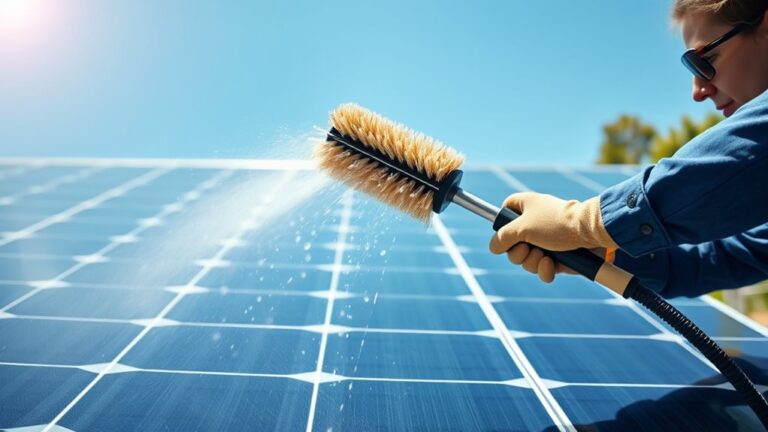
Make sure the panels are clean, too. Dirt, bird droppings, or leaves can block sunlight and reduce efficiency.
Look for loose wiring or corrosion around the connections and mounting hardware. Also, check that the panels are securely fastened and angled correctly toward the sun.
If you spot any debris or shading from nearby trees, remove or trim it to improve exposure. Regularly inspecting your solar panels helps you catch issues early.
This way, you keep them efficient and extend their lifespan.
How to Measure Your Solar Panel’s Energy Output
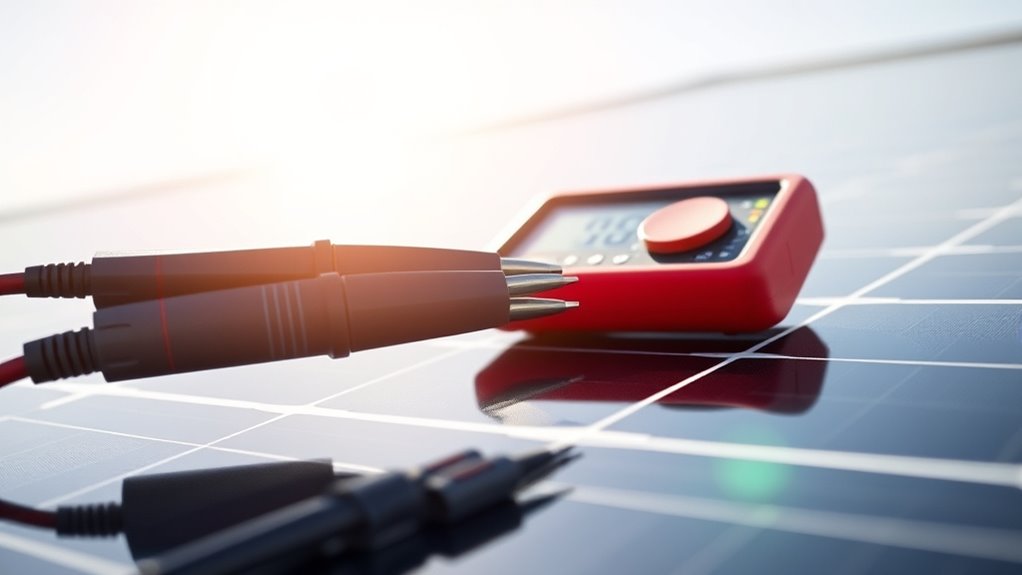
While inspecting your solar panels is important, measuring their actual energy output gives you concrete data on how well they’re performing. To do this, start by checking your inverter’s display, which typically shows real-time power production in watts or kilowatts.
You can also review the total energy generated over a day or month. If your system has monitoring software or an app, use it to track performance conveniently.
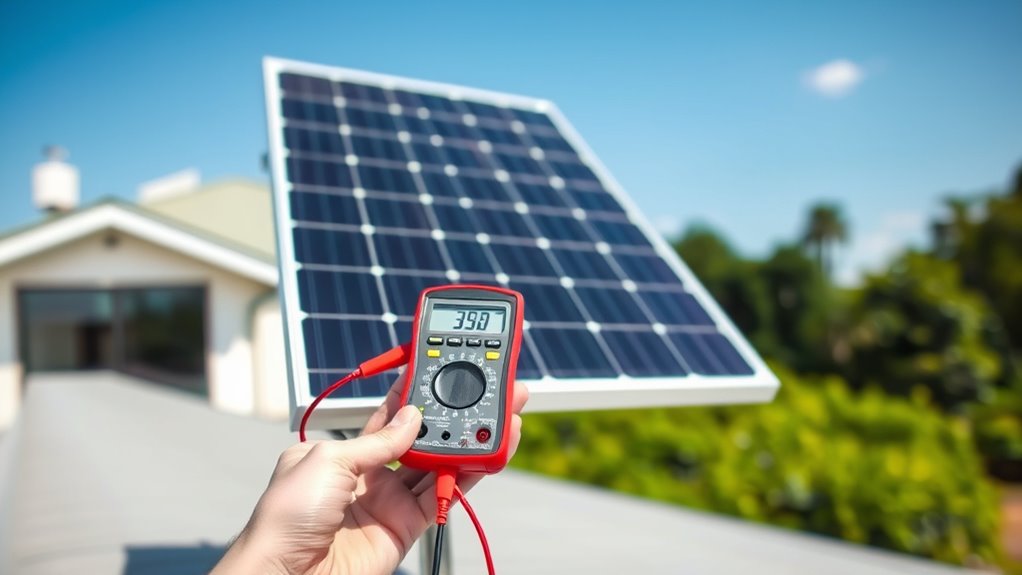
For a more hands-on approach, a multimeter can measure voltage and current directly from the panel terminals, but this requires basic electrical knowledge.
Comparing Solar Output to Weather Conditions
You’ll need to understand how different weather conditions affect your solar panel’s output to accurately monitor its performance. Keep track of your energy production alongside daily weather reports to spot any unusual drops.
This way, you can adjust your expectations and identify when your panel might actually need attention. It makes keeping an eye on your system a lot easier and less stressful.
Understanding Weather Impact
How does weather affect your solar panel’s performance? Your solar panels rely on sunlight to generate electricity, so weather plays an essential role.
On sunny days, your panels will produce the most energy, but on cloudy or rainy days, output naturally drops. Snow or dirt covering the panels can block sunlight, reducing efficiency.
Temperature also matters—panels work better in cooler conditions; extreme heat can lower their output. Understanding these weather impacts helps you set realistic expectations for your system’s performance.
If your solar output seems low, first consider recent weather conditions before assuming a problem. By recognizing how different weather affects your panels, you can better assess whether your system is working properly or needs attention.
Monitoring Solar Output
When should you check your solar panel’s output against the weather? Ideally, you want to monitor it regularly, especially on days with varying sunlight—partly cloudy, rainy, or unusually bright.
By comparing your panel’s energy production to current weather conditions, you can spot discrepancies that might indicate an issue. For example, if the sun is shining but your output is low, it’s a sign to inspect the system.
Use monitoring tools or apps that display real-time data alongside local weather reports. This way, you’ll understand if your panel’s performance aligns with expected solar irradiance.
Tracking this helps you catch problems early and guarantees your system is running efficiently. Plus, it maximizes your solar investment without any surprises.
Adjusting Expectations for Conditions
Although it’s tempting to expect consistent output from your solar panels, various weather conditions naturally affect their performance. You’ll notice fluctuations depending on the sunlight available, so it’s important to adjust your expectations accordingly.
When comparing your solar output, consider these factors:
- Cloud cover reduces sunlight intensity, lowering power generation.
- Rain and snow can block panels temporarily, causing dips in output.
- Extremely hot temperatures may slightly decrease efficiency.
- Shorter daylight hours in winter mean less energy production daily.
Spotting Warning Signs on Your Solar Inverter
Since your solar inverter acts as the system’s brain, you’ll want to keep a close eye on its performance indicators. Check the display regularly for error messages or warning lights, which often signal issues like overheating, connectivity problems, or internal faults.
If the inverter’s status light isn’t green or is flashing unusually, that’s a clear warning sign. Also, watch for a sudden drop in energy output compared to normal levels, which could indicate a malfunction.
Unusual noises or excessive heat from the inverter can also point to problems. Staying alert to these signs helps you address issues early, preventing bigger failures.
If you spot anything unusual, consult the inverter’s manual or contact a professional technician promptly to keep your solar system running smoothly.
Simple Home Tests to Check Solar Panel Performance
Keeping an eye on your inverter is just one part of monitoring your solar system’s health. You can perform simple home tests to check if your solar panels are working efficiently.
Monitoring your inverter is essential, but simple home tests can also ensure your solar panels run efficiently.
Start by observing your electricity bill for noticeable drops. Next, visually inspect your panels for dirt, debris, or shading that could reduce output.
Try measuring the voltage directly from the panel terminals with a multimeter during peak sunlight hours. Finally, compare the daily energy production reported by your inverter to typical values for your system size and location.
- Check your electricity bill for expected savings
- Inspect panels for dirt, shading, or damage
- Use a multimeter to measure panel voltage in sunlight
- Compare inverter’s daily output to normal performance
These quick tests help you catch issues early without special tools. It’s pretty straightforward and can save you a lot of trouble down the road.
When to Call a Professional for Solar Panel Inspection
If you notice major damage or your energy output suddenly drops, it’s time to call a professional. They can also help with routine maintenance checks to keep your system running smoothly.
Don’t wait to get expert help if something feels off. It’s better to be safe and have a pro take a look sooner rather than later.
Signs of Major Damage
When you notice cracks, discoloration, or a sudden drop in energy output, it’s time to call a professional for a solar panel inspection. These signs often indicate major damage that could affect your system’s safety and efficiency.
Don’t ignore visible cracks or shattered glass on the panels. Also watch out for burn marks or discoloration on wiring or junction boxes.
Loose or damaged mounting hardware can cause instability, and water intrusion or moisture buildup around panel edges is a big red flag too.
Addressing these issues early prevents further damage and costly repairs. A professional will assess your panels thoroughly, making sure everything meets safety standards and runs at peak performance.
Unusual Energy Output
Although solar panels naturally experience slight fluctuations in energy output, a sudden or significant drop usually signals a problem that needs professional attention.
If your solar system’s performance dips unexpectedly, don’t wait. You might face issues like wiring faults, inverter problems, or shading that only an expert can diagnose.
Here’s when to call a professional:
| Symptom | Possible Cause | Action Needed |
|---|---|---|
| Sudden output drop | Inverter malfunction | Immediate inspection |
| Consistent low output | Wiring or connection issues | Schedule check-up |
| Irregular output | Panel shading or damage | Professional assessment |
Act quickly to avoid bigger problems and keep your solar panels working efficiently.
Routine Maintenance Checks
Since solar panels face constant exposure to weather and environmental factors, you should schedule regular maintenance checks to guarantee they stay in top condition. While you can handle basic cleaning and visual inspections, certain signs mean it’s time to call a professional for a thorough inspection.
Watch for persistent drops in energy output despite cleaning, visible damage like cracks or loose wiring, unusual noises from the inverter or mounting system, or warning lights and error messages on your solar monitoring system.
A professional can perform detailed electrical tests, identify hidden issues, and assure components function safely and efficiently. Don’t wait too long; addressing problems early prevents costly repairs and keeps your system running smoothly.
Regular professional check-ups complement your routine care perfectly. It’s all about staying ahead so your solar setup works great for years to come.
Frequently Asked Questions
How Long Do Solar Panels Typically Last?
You can expect your solar panels to last around 25 to 30 years. They’ll still work after that but with reduced efficiency, so you might want to contemplate upgrading or maintaining them to keep energy production high.
Over time, the performance drops a bit, which is totally normal. It’s kind of like how your phone battery doesn’t hold charge as well after a few years.
If you want to keep your system running smoothly, regular check-ups and occasional upgrades can make a big difference. That way, you’ll get the most out of your investment for as long as possible.
Can Shading Permanently Damage Solar Panels?
Shading won’t usually burn your solar panels to a crisp, but it can cause “hot spots” that damage them over time.
You’ll want to keep panels clear to avoid problems and keep energy flowing smoothly. It’s a good idea to check for shade regularly and trim any nearby branches if needed.
What Maintenance Do Solar Panels Require Annually?
You’ll want to clean your solar panels, inspect for damage or shading, check wiring connections, and monitor energy output annually.
Hiring a professional for a thorough inspection guarantees peak performance and longevity of your system. It’s a smart way to keep everything running smoothly!
Do Solar Panels Work During Power Outages?
When the chips are down during a power outage, your solar panels usually won’t keep your home running unless you have a battery backup or an off-grid system.
Without those, they shut off for safety reasons automatically. It’s just how they’re designed to protect utility workers and your equipment. So, unless you’ve got that backup, your solar panels take a break when the grid goes down.
How Do Temperature Changes Affect Solar Panel Efficiency?
You’ll notice your solar panel’s efficiency drops as temperatures rise because heat reduces voltage.
Cooler temperatures help your panels perform better, so they actually work more efficiently on sunny, chilly days than hot ones.
Conclusion
Now that you know how to check your solar panel in just seven easy steps, you’re well on your way to ensuring it’s working efficiently. Remember, “a stitch in time saves nine”—catching small issues early can save you from bigger problems later.
Keep an eye on your display, physical condition, and energy output. If something seems off, don’t hesitate to call a professional. Your solar investment deserves that care!
Regularly monitoring your solar panel’s performance helps maintain its efficiency and extends its lifespan. By following these simple steps, you can quickly spot any issues and keep your solar energy system running smoothly. Taking time for these checks ensures you get the most out of your renewable energy setup and helps reduce future repair costs. So, stay proactive and enjoy the benefits of clean, reliable solar power!