How to Tell If Your Solar Panels Are Working Step by Step
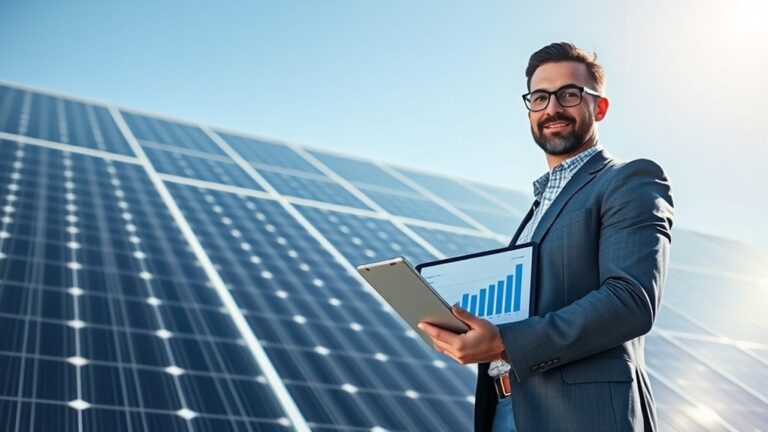
To tell if your solar panels are working properly, start by checking your monitoring app or inverter display. Look for daily energy output and compare it with the expected values, especially on sunny days. This is a quick way to see if your system is generating the power it should.
Next, take a close look at the panels themselves. Are they dirty, damaged, or shaded by trees or debris? Even small blockages can reduce efficiency, so a visual inspection is key.
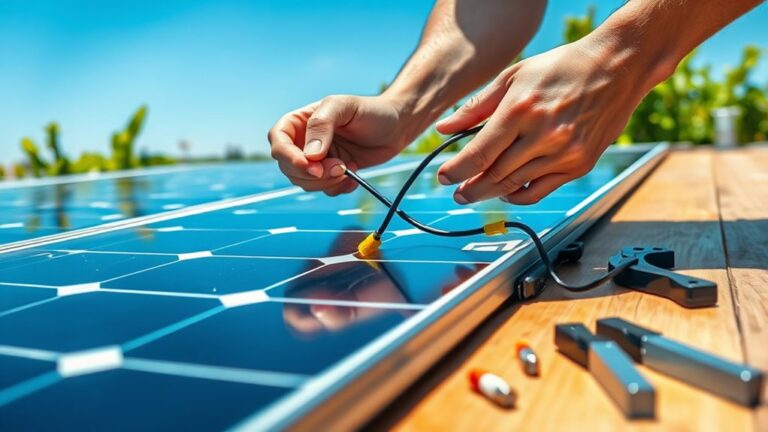
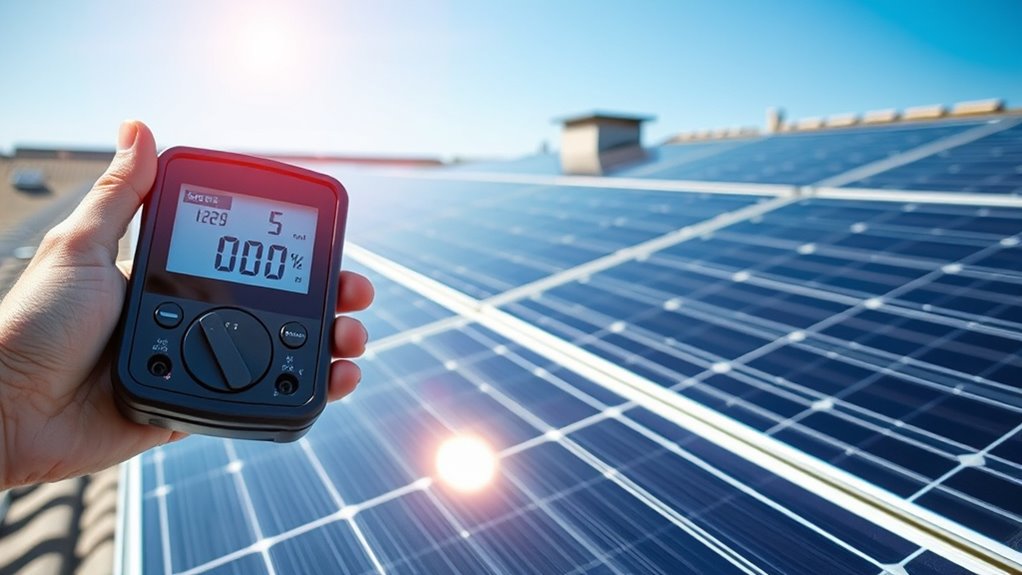
You can also use tools like multimeters or solar apps to get real-time data, which helps you understand how your system performs throughout the day.
Don’t forget to listen for any unusual noises coming from the inverter—that can be a sign something’s off. Regular checks during clear weather help you spot problems early, keeping your solar panels running smoothly.
Keep following for tips on how to enhance and troubleshoot your system’s performance effectively.
Key Takeaways
- Check real-time energy production on your inverter display or monitoring app during bright, direct sunlight. This gives you accurate performance readings.
- Visually inspect the panels for dirt, debris, shading, or any physical damage. These things can reduce how much energy your panels produce.
- Compare your daily energy output with what you’d expect based on your system size, location, and the weather. This helps you see if your system is performing well.
- Use tools like multimeters or solar irradiance meters to measure voltage, current, and sunlight intensity. These give you more detailed diagnostics.
- Listen for any unusual sounds coming from the inverter and keep an eye out for error messages. Catching these early can help spot electrical or system issues before they get worse.
How to Check Your Solar Panels’ Energy Output Daily
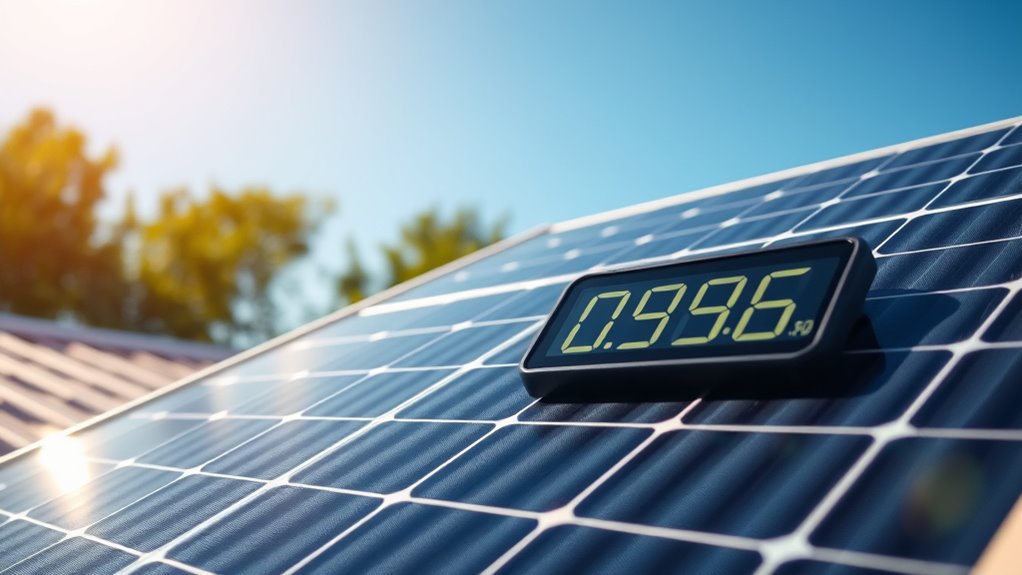
Although solar panels require minimal maintenance, you should check their energy output daily to guarantee they’re performing at their best. Start by logging into your solar monitoring app or checking the inverter’s display panel, which shows real-time energy production.
Check your solar panel’s daily energy output via your monitoring app or inverter display to ensure optimal performance.
Make a habit of noting the daily kilowatt-hours your system generates. Compare today’s output with previous days under similar weather conditions to spot any sudden drops.
If you don’t have a monitoring system, consider installing one—it makes tracking much easier. Also, visually inspect your panels for dirt, debris, or shading from nearby trees.
Keeping an eye on both the numbers and the panels themselves helps you catch issues early. This way, your solar investment continues saving you money and energy efficiently every day.
How and When to Compare Solar Output to Expectations
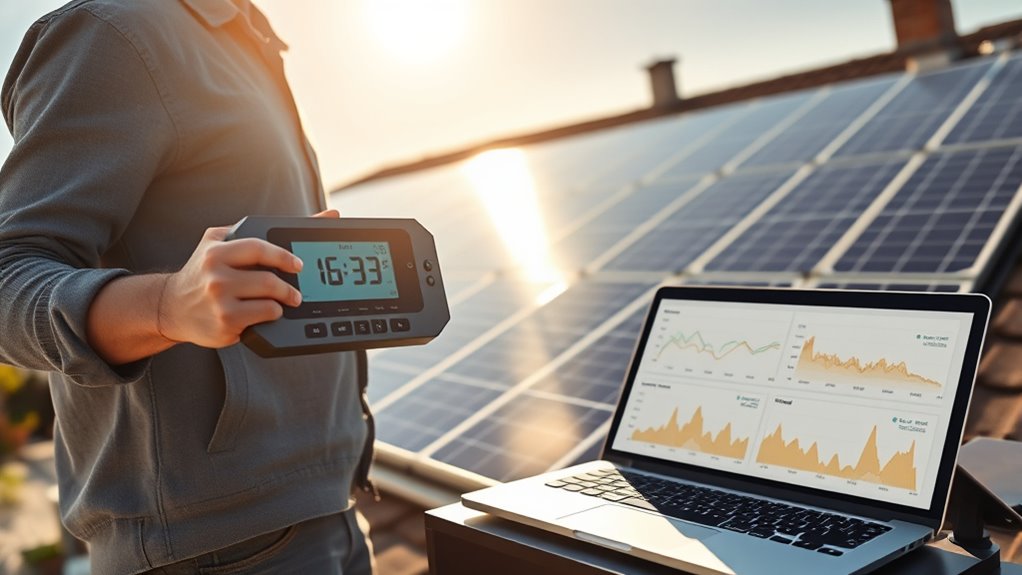
To know if your solar panels are performing well, start by comparing their output to expected benchmarks based on your system and location. Make these comparisons on clear, sunny days to get the most accurate reading.
Check your panels’ performance around the same time each day to spot any consistent issues. This way, you can quickly notice if something’s off and take action.
Expected Output Benchmarks
When you start monitoring your solar panels, you’ll want to compare their actual output against expected benchmarks to guarantee they’re performing well. These benchmarks are usually based on your system’s size, location, and the manufacturer’s specifications.
Check your solar provider’s estimated daily or monthly kilowatt-hour production to set a realistic baseline. Use your inverter’s monitoring app or your utility bill to track actual energy generation and compare it regularly—weekly or monthly works well.
If your output consistently falls below 80-90% of expected values, it might indicate a problem. Keep in mind that seasonal changes affect production, so always compare against appropriate standards for the time of year.
This approach helps you identify issues early and maintain ideal solar panel performance. It’s a simple way to keep your system running smoothly and efficiently.
Ideal Weather Conditions
Since solar panels rely heavily on sunlight, you should check their output during clear, sunny days to get an accurate comparison against expected benchmarks. Cloud cover, rain, or snow reduce sunlight and can skew your results, so avoid testing on those days.
Also, make sure there’s no shading from trees or buildings during your check. Ideal weather means bright, direct sunlight with minimal atmospheric interference.
If you compare output on a cloudy or hazy day, you might mistakenly think your system isn’t working properly. By choosing bright, stable weather conditions, you’ll get a true sense of your panels’ performance and can confidently assess if they’re meeting expected energy production.
Keep weather in mind to guarantee your comparisons are fair and reliable. It really makes a difference!
Timing Daily Comparisons
Checking your solar panels during ideal weather sets the stage, but knowing the best times to compare your daily output to expectations sharpens your assessment. Aim to check your system’s performance mid-morning and mid-afternoon, when sunlight is steady but not at its peak.
This helps you spot any irregularities caused by shading, dirt, or equipment issues. Avoid comparisons during early morning or late evening since low light skews results.
Also, track your output consistently over several days with similar weather to get a clear picture. Use your inverter’s monitoring app or system data to note energy production versus predicted values.
How to Use Tools and Apps to Monitor Solar Panels
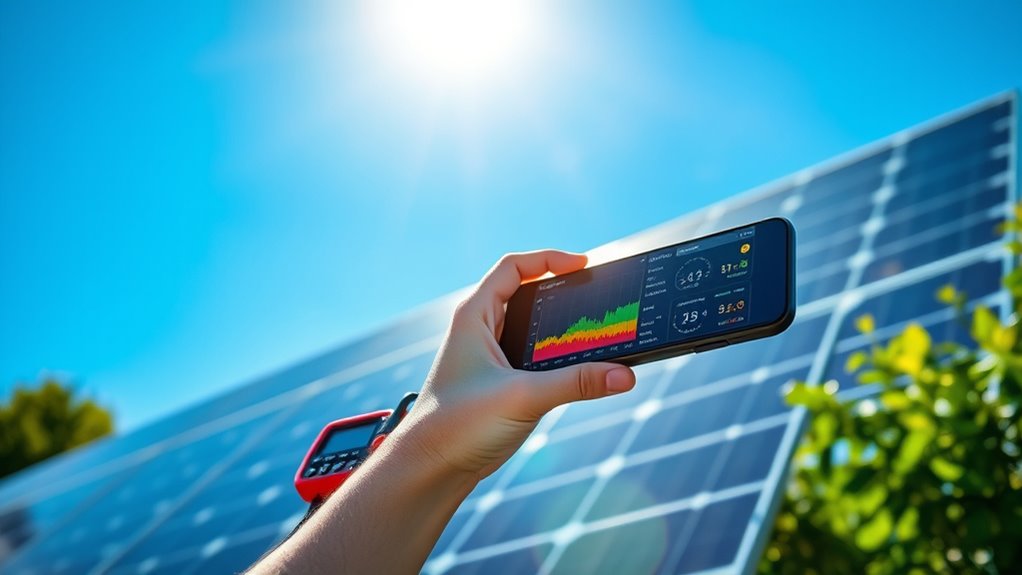
You can easily track your solar panels’ performance using popular monitoring apps designed for real-time data. These apps, combined with essential measurement tools like voltage meters and irradiance sensors, help you spot any issues quickly.
Popular Monitoring Apps
Although solar panels often work silently in the background, monitoring apps let you track their performance in real time. These apps connect to your solar system, giving you instant insights into energy production, system health, and any potential issues.
Here are four popular monitoring apps you can try:
- Enphase Enlighten – Great for Enphase microinverter systems. It offers detailed performance data and easy-to-understand visuals.
- SolarEdge Monitoring – Perfect if you have SolarEdge inverters. It shows real-time power generation and consumption.
- Tesla App – Ideal for Tesla solar and Powerwall users. It combines energy production and storage monitoring.
- Aurora Solar – Useful for all-encompassing solar system analytics and predictive performance.
Using these apps, you’ll quickly spot if your system’s working at its best or needs attention. It’s a simple way to stay on top of your solar energy game!
Essential Measurement Tools
A dependable set of measurement tools is essential for accurately evaluating your solar panels’ performance. You’ll mainly rely on a multimeter, a solar irradiance meter, and monitoring apps to get real-time data.
A multimeter checks voltage and current, confirming your panels generate power. A solar irradiance meter measures sunlight intensity, helping you understand if low output is due to weather or panel issues. Monitoring apps connect to your inverter or system, offering convenience and detailed analytics.
| Tool | Purpose | How to Use |
|---|---|---|
| Multimeter | Measures voltage & current | Connect leads to panel terminals, read display |
| Solar Irradiance Meter | Measures sunlight intensity | Place sensor facing sun, note readings |
| Monitoring Apps | Tracks performance remotely | Sync with inverter, check dashboard regularly |
| Clamp Meter | Measures current without disconnecting | Clamp around cable, read current value |
| Thermal Camera | Detects hot spots on panels | Scan panel surface, identify malfunction areas |
How Weather and Shading Affect Solar Panels’ Efficiency
While solar panels are designed to capture sunlight efficiently, weather conditions and shading can considerably reduce their performance. You might notice lower energy output on cloudy or rainy days because less sunlight reaches the panels.
Similarly, even partial shading from trees, buildings, or debris can markedly impact their efficiency.
Here are key factors to take into account:
- Cloud cover reduces sunlight intensity, dropping energy production.
- Snow or dirt buildup blocks sunlight, so keep panels clean.
- Shading during peak hours limits power generation more than early or late in the day.
- Temperature increases can decrease panel efficiency despite abundant sunlight.
Understanding these effects helps you interpret your solar panels’ output accurately. Plus, it lets you plan maintenance or adjustments accordingly.
How to Spot Common Solar Panel Problems Early
If you want to keep your solar panels running efficiently, you need to catch common problems early. Start by visually inspecting your panels regularly for cracks, dirt buildup, or loose wiring.
Small cracks can worsen and reduce energy output, while dirt and debris block sunlight. Check for corrosion on connections, which can interrupt power flow.
Make sure no new shading, like growing trees or new structures, is blocking sunlight. Also, listen for unusual sounds from inverters or electrical components—they often signal issues.
Keep an eye on your monitoring system for irregular readings or sudden drops in performance. Catching these signs early lets you address problems before they escalate.
That way, your solar setup stays reliable and effective for years to come.
Troubleshooting Low Solar Power Output
When your solar panels produce less power than usual, you need to identify the cause quickly to prevent further efficiency loss. Start by checking for physical obstructions like dirt, leaves, or snow.
Then, take a look at the inverter display for any error messages or warnings. Next, inspect wiring and connections for damage or corrosion.
Finally, compare your current output to the expected values based on weather and season. This helps you figure out if the problem is with your system or just the environment.
Here’s a quick checklist to troubleshoot low solar power output:
- Clean panels and remove any shading objects.
- Verify inverter status and reset if needed.
- Inspect cables and connectors for wear or looseness.
- Review system performance data against weather conditions.
Following these steps will help you pinpoint issues and keep your solar energy production running *ideally*.
Frequently Asked Questions
How Long Do Solar Panels Typically Last?
You can expect your solar panels to last about 25 to 30 years. They’ll still produce energy afterward but at reduced efficiency.
Regular maintenance helps you get the most out of their lifespan. Keeping an eye on them now and then really pays off!
What Maintenance Do Solar Panels Require Yearly?
Think of your solar panels as a garden—they need yearly cleaning, inspection for damage, and checking connections.
You’ll want to clear debris and confirm no shading blocks sunlight to keep them harvesting energy efficiently all year long.
Can Snow Damage Solar Panels?
Snow generally won’t damage your solar panels since they’re built tough and angled to shed snow.
However, heavy, persistent snow buildup might cause stress or block sunlight. So, it’s smart to clear excessive snow safely when needed.
Are Solar Panels Safe During Lightning Storms?
Think of your solar panels like a car with airbags—they’re designed to protect you.
Yes, solar panels are safe during lightning storms because they have grounding systems that channel electricity away. This keeps your home secure and damage minimal.
How Does Panel Tilt Angle Affect Performance?
Your panel’s tilt angle directly impacts performance by maximizing sunlight exposure. If it’s too flat or steep, energy drops.
Adjust the tilt based on your location’s latitude and seasonal sun path for the best results. It’s all about catching the sun just right!
Conclusion
Think of your solar panels like a diligent gardener. Just as a gardener checks plants daily for signs of health, you need to monitor your panels’ output regularly.
For example, one homeowner found a 20% drop in energy after a branch grew over their panels—prompt action restored full power. By staying attentive, you guarantee your panels keep working efficiently.
This way, your solar panels will keep turning sunlight into savings and sustainability. Just like a well-tended garden blooms year-round, regular checks help maintain your system’s performance and energy output.
Monitoring your solar panels is key to making sure they’re working at their best. It helps you catch problems early, avoid energy losses, and maximize your solar energy benefits. So, by keeping an eye on your panels, you ensure they continue to deliver clean, renewable power and lower your electricity bills in the long run.