How Do You Clean Solar Light Panels in 10 Easy Steps?
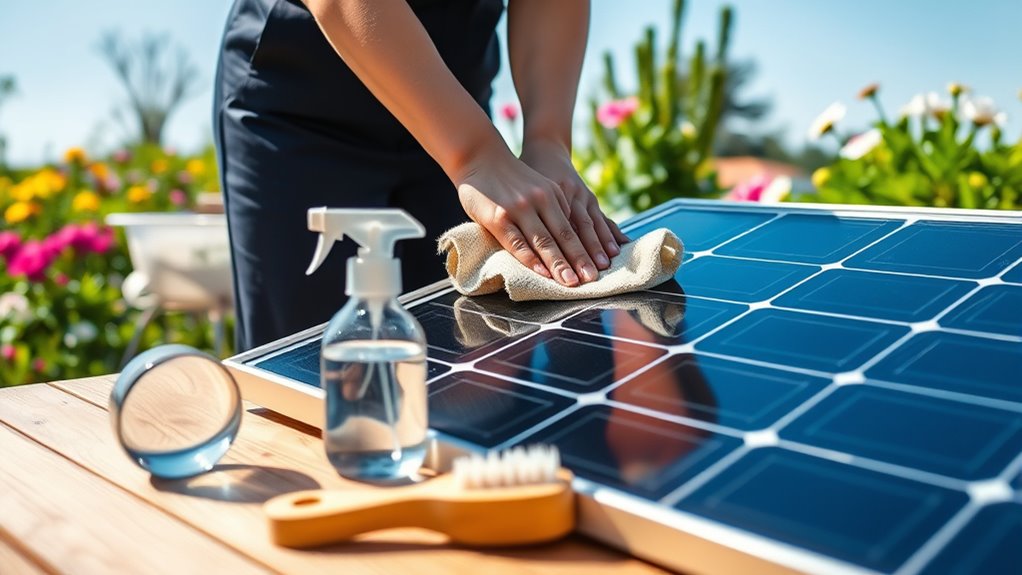
To clean your solar light panels in 10 easy steps, start by checking the weather to pick a calm, dry day. Gather soft cloths, mild detergent, and any safety tools you might need. These simple preparations make the cleaning process smooth and safe.
Next, turn off or unplug the panels before you begin. Gently remove loose dirt using a soft brush to avoid scratching the surface.
Using a mild soap solution, carefully wipe the panels to get rid of grime and dust.
After that, rinse the panels with clean water to wash away any soap residue.
Dry them with a soft cloth to prevent streaks and water spots.
Don’t forget to inspect your panels for any damage as you clean.
Finally, schedule regular cleanings to keep your solar light panels working efficiently.
By following these steps, you’ll protect your investment and boost your panels’ performance in no time!
Key Takeaways
- Turn off and unplug the solar light to ensure safety before cleaning the panels.
- Use a soft brush or cloth to gently remove loose dirt, dust, leaves, and cobwebs.
- Mix mild soap with lukewarm water, then wipe the panels using a soft sponge in circular motions.
- Rinse the panels thoroughly with clean water, starting from the top and working your way down to avoid streaks and residue.
- Dry the panels with a lint-free microfiber cloth, and take a moment to inspect for any damage or dirt buildup.
Check Weather Before Cleaning Solar Panels
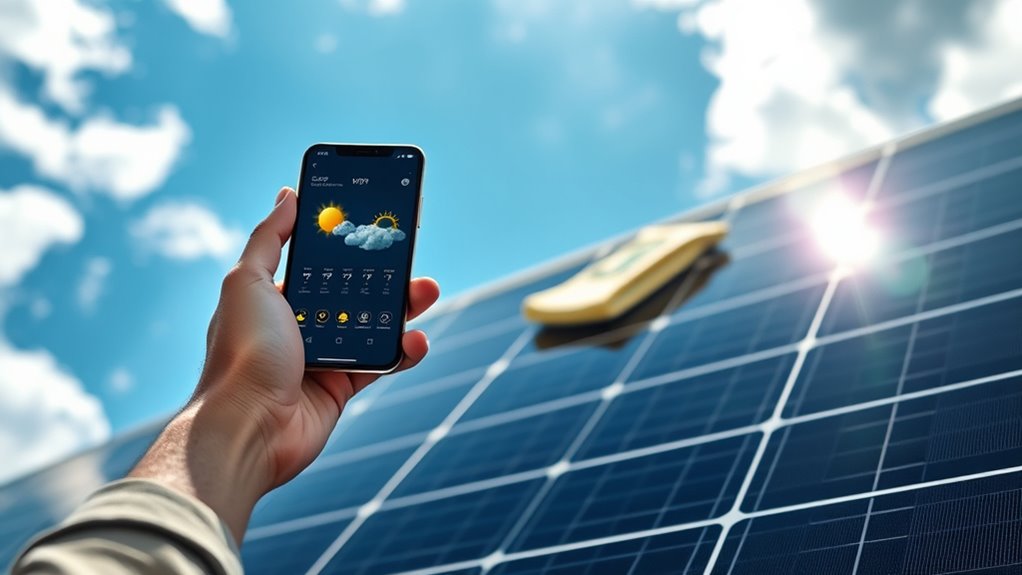
Before you clean your solar panels, check the weather forecast carefully. You don’t want to start cleaning only to have rain interrupt your efforts or make the panels slippery and unsafe to handle.
Always check the weather before cleaning to avoid rain and slippery panels.
Ideally, choose a cool, dry day with minimal wind to avoid dust blowing back onto freshly cleaned panels. Cleaning early in the morning or late afternoon is best since panels are cooler and won’t dry too quickly, preventing streaks.
If it’s too hot, water can evaporate fast, leaving residue behind. Also, avoid cleaning during extreme weather conditions like storms or high winds, as this could be dangerous.
Taking these precautions guarantees your cleaning process is safe and effective, helping your solar panels perform at their best afterward.
Gather the Right Tools and Cleaning Materials
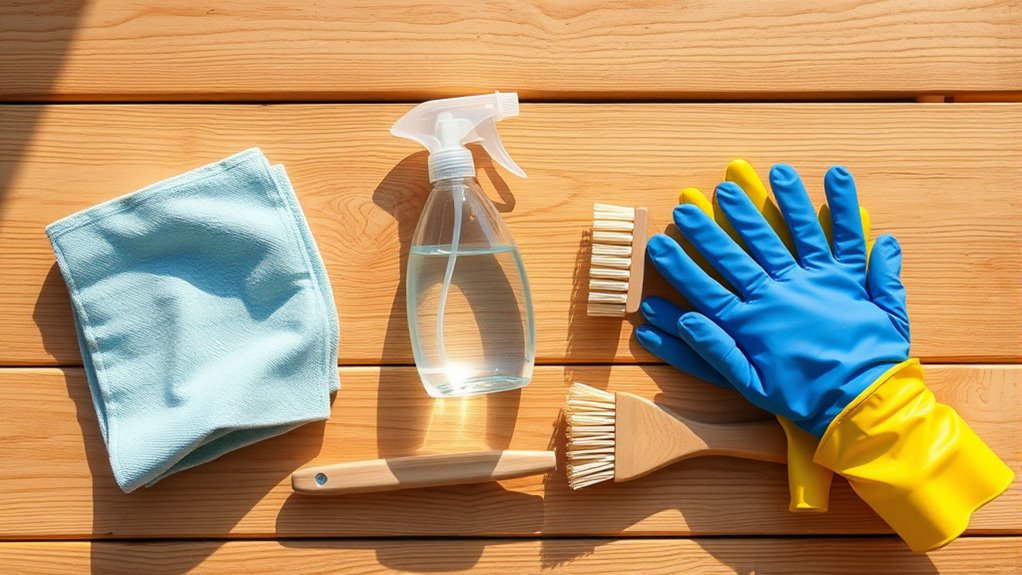
Although cleaning solar panels seems straightforward, gathering the right tools and materials beforehand makes the job easier and more effective. You’ll need a soft cloth or sponge, a bucket of lukewarm water, and a mild, non-abrasive detergent to prevent scratching the panel surface.
Avoid harsh chemicals or abrasive pads that can damage the panels. A soft-bristled brush can help remove stubborn dirt or debris gently.
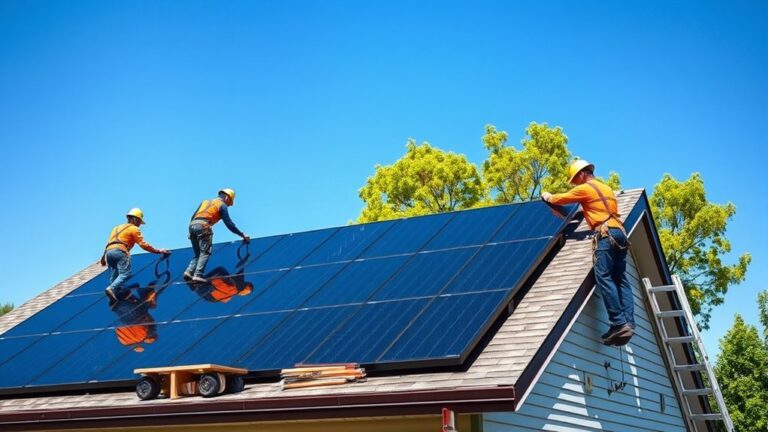
Additionally, have a hose or a container of clean water ready for rinsing. If your panels are hard to reach, consider a sturdy ladder or an extendable cleaning tool to maintain safety.
Preparing these items before you start guarantees a smooth cleaning process, protecting your solar panels and improving their efficiency.
Turn Off and Unplug Your Solar Panels
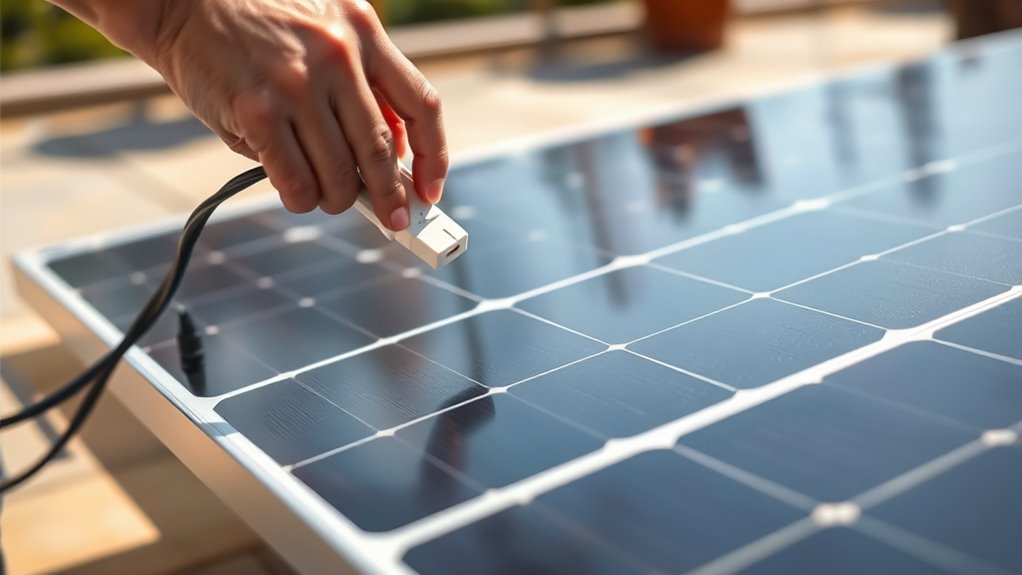
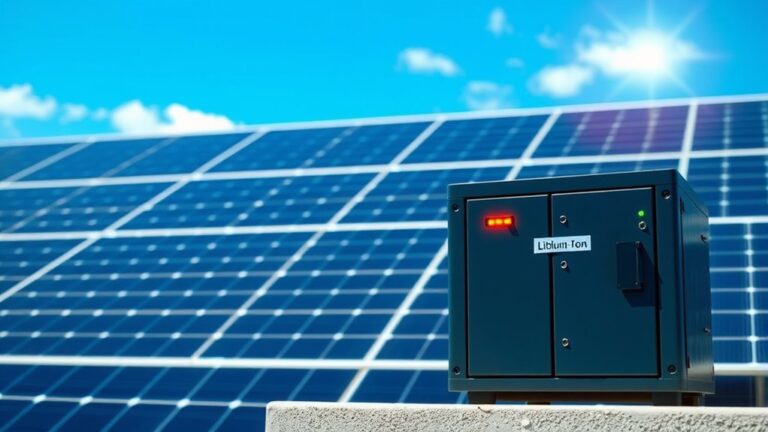
Before you start cleaning, make sure to turn off and unplug your solar panels. This step cuts the power source and keeps you safe from electrical hazards.
Taking this precaution protects both you and your equipment during the cleaning process. It’s a simple step, but super important!
Safety First Measures
Since solar panels generate electricity when exposed to sunlight, you should always turn off and unplug them before cleaning. This simple step prevents any risk of electric shock and protects both you and the panel.
Even if your solar lights are low voltage, it’s safer to disconnect them to avoid accidents. Make sure you locate the power switch or unplug the panel from its power source carefully.
Avoid touching exposed wires or terminals during cleaning. Also, wear rubber gloves and use insulated tools if necessary.
Taking these safety measures guarantees you won’t damage the panels or hurt yourself. Prioritizing safety helps maintain your solar lights’ performance and extends their lifespan while keeping you secure throughout the cleaning process.
Power Source Disconnection
To safely clean your solar panels, you need to turn off and unplug them from their power source. This step guarantees that no electricity flows through the panels while you’re handling them, reducing the risk of damage to the system.
Start by locating the main switch or disconnecting device connected to your solar setup. Flip the switch to the off position or unplug the panels from the electrical outlet or battery. If your solar lights have removable batteries, take them out to avoid accidental power flow.
Make sure to double-check that the system is completely powered down before you begin cleaning. This simple action protects both you and your equipment during the maintenance process.
Prevent Electrical Hazards
While cleaning your solar panels, you’ll want to prevent any electrical hazards by turning off and unplugging the system completely. This step *guarantees* no electricity flows through the panels, reducing the risk of shocks or short circuits while you work.
Locate the main power switch or disconnect the batteries if your setup includes them. Always handle plugs and connectors with dry hands to avoid accidents.
If your solar panels have a separate inverter, turn that off too. Taking these precautions protects both you and your equipment during cleaning.
Never skip this step, even if you plan to clean quickly. Safety comes first, and turning off the power *assures* you can clean your solar panels without risking injury or damaging the system.
Remove Loose Dirt and Debris With a Soft Brush
Before you get into scrubbing or washing, start by removing loose dirt and debris with a soft brush. This step is essential because dust, leaves, and small particles can block sunlight and reduce your solar panel’s efficiency.
Use a brush with soft bristles to avoid scratching the surface. Gently sweep away any dirt, cobwebs, or insect nests, paying close attention to corners and edges where debris tends to accumulate.
Avoid using hard or metal brushes, as they can damage the panel’s protective coating. If you notice stubborn dirt, don’t force it—just remove what you can with the brush.
This simple step prepares your panels for a more thorough cleaning and helps maintain their performance over time. It’s a small effort that really pays off!
Prepare a Gentle Cleaning Solution for Your Panels
You’ll want to choose safe ingredients like mild soap and water to protect your solar panels. Mix the solution in the right ratio—usually a few drops of soap per gallon of water—to avoid residue.
Steer clear of harsh chemicals that can damage the panels or reduce their efficiency. Trust me, keeping it gentle is the best way to keep your panels working well for a long time.
Choosing Safe Cleaning Ingredients
Since solar panels are delicate and sensitive to harsh chemicals, you should choose cleaning ingredients that won’t damage their surface or reduce their efficiency. Opt for gentle, non-abrasive substances that effectively remove dirt without leaving residue or scratches.
Avoid strong acids, bleach, or abrasive powders, as these can degrade the panels. Instead, select ingredients that clean thoroughly while preserving the panel’s integrity.
Here are safe options to contemplate:
- Mild dish soap or gentle detergent
- Distilled or filtered water to avoid mineral deposits
- Soft microfiber cloths or sponges for application
- Isopropyl alcohol (in small amounts) for stubborn spots
Mixing Solution Ratios
When mixing your cleaning solution, aim for a balance that effectively lifts dirt without harming your solar panels. A simple mix of warm water and mild dish soap usually works well.
Use about one teaspoon of dish soap per gallon of water to keep the solution gentle yet effective. Too strong a mix can leave residue or damage the panel surface, while too weak might not clean thoroughly.
Stir the solution gently to combine without creating excessive suds. Prepare only as much as you need to avoid waste and guarantee freshness.
Using this balanced ratio, you’ll remove dirt and grime without risking your panels’ efficiency or longevity, making your cleaning process both safe and efficient.
Avoiding Harsh Chemicals
Although strong cleaners might seem like a quick fix, you should avoid harsh chemicals on your solar panels to prevent damage. These substances can degrade the protective coating and reduce efficiency, so stick to gentle cleaning solutions.
Prepare a mild mix using materials that are safe and effective for your panels. Here are some options to evaluate:
- Warm water combined with a few drops of dish soap
- A solution of equal parts water and white vinegar
- Mild biodegradable detergents designed for delicate surfaces
- Soft cloth or sponge for applying the solution gently
It’s best to be gentle when cleaning. Just take your time and use the right stuff, and your panels will thank you for it!
Wash Panels Gently Using a Soft Cloth or Sponge
To protect your solar panels from scratches and damage, you’ll want to wash them gently using a soft cloth or sponge. Avoid abrasive materials like scrub brushes or rough towels, which can harm the panel’s surface.
Dampen the cloth or sponge with lukewarm water mixed with a small amount of mild soap, then carefully wipe the panels in smooth, circular motions. Take your time to cover all areas without applying too much pressure.
This approach helps remove dirt, dust, and grime effectively without compromising the panel’s protective coating. Always handle the panels delicately to maintain their efficiency and longevity.
Rinse Panels Thoroughly With Clean Water
After gently washing the panels, you’ll want to rinse them thoroughly with clean water to remove any soap residue and loosened dirt. Using clean water guarantees no streaks or film are left behind, which can reduce the solar panels’ efficiency.
You can use a garden hose with moderate pressure or a bucket of water to rinse evenly. Just make sure to avoid high-pressure water that could damage delicate components.
Rinse from top to bottom to allow dirt to flow off naturally. Also, use filtered or distilled water if your tap water is hard or mineral-rich.
Don’t forget to check corners and edges to remove trapped debris. This careful rinsing step guarantees your panels are clean and ready for drying without any leftover grime.
Dry Panels Carefully Using a Soft Cloth to Avoid Streaks
Once you’ve thoroughly rinsed your solar panels, the next step is to dry them carefully to prevent water spots or streaks. Grab a soft, lint-free cloth—microfiber works best—and gently wipe the surface.
Avoid using rough towels or paper products, as they can scratch the panels. Work in smooth, even strokes, moving from one side to the other.
If you notice any stubborn droplets, press lightly rather than rubbing hard to avoid damaging the panel’s coating. Drying your panels promptly after rinsing ensures they stay clear and efficient at absorbing sunlight.
Taking this extra care will keep your solar panels looking great and functioning at their best for longer, so don’t rush through this step.
Inspect for Damage and Stubborn Dirt Buildup
Although thorough cleaning removes most dirt and grime, you should carefully inspect your solar panels for any damage or stubborn buildup that might affect their performance. Check the surface and edges closely to spot any cracks, chips, or discoloration.
Regularly inspect solar panels for damage or stubborn buildup to maintain optimal performance and efficiency.
Look for dirt that’s hard to remove, such as bird droppings, sap, or mineral deposits. These can block sunlight and reduce efficiency.
Pay special attention to scratches or cracks that could let moisture in. Also, watch out for areas where dirt accumulates despite cleaning.
Don’t forget to check for loose or corroded wiring connections, and keep an eye out for cloudy or hazy spots on the panel surface.
Catching these issues early means you can fix them quickly, keeping your solar lights working at their best.
Schedule Regular Cleaning for Best Performance
To keep your solar light panels operating at peak efficiency, you should schedule regular cleanings throughout the year. Dirt, dust, and debris can accumulate quickly, reducing the amount of sunlight your panels absorb and lowering their performance.
Depending on your location, cleaning every two to three months is usually sufficient. However, if you live in a dusty or pollen-heavy area, you might need to clean more often.
Mark these cleaning dates on your calendar or set reminders on your phone to stay consistent. Regular maintenance not only keeps your panels working efficiently but also extends their lifespan.
Frequently Asked Questions
How Often Should Solar Panels Be Professionally Inspected?
You should get your solar panels professionally inspected about once a year to guarantee maximum performance. Regular inspections help catch issues early, so your system stays efficient and lasts longer without unexpected problems.
It’s a simple way to make sure everything’s working as it should. Plus, it can save you from costly repairs down the road. Keeping up with inspections means you’re protecting your investment and enjoying the benefits of clean energy worry-free.
Can Harsh Chemicals Damage Solar Panels Permanently?
Yes, harsh chemicals can permanently damage your solar panels by corroding surfaces or degrading protective coatings.
You shouldn’t use abrasive cleaners or solvents; instead, stick to mild soap and water to keep your panels safe and efficient. It’s a simple way to make sure they last longer and work better.
What Is the Best Time of Day to Clean Solar Panels?
You should clean solar panels early in the morning or late in the afternoon when they’re cool. This prevents thermal shock and makes cleaning safer and more effective.
Plus, cleaning at these times helps avoid streaks and damage from hot surfaces. It’s just a smarter way to keep your panels in good shape.
Are Automatic Cleaning Systems Effective for Solar Panels?
You’ll see dust and dirt slide away like morning dew under a gentle breeze—automatic cleaning systems work well, saving you time and effort. They keep panels clear, boosting energy.
But it’s still a good idea to do occasional manual checks. Just to make sure everything’s running smoothly.
How Does Dirt Impact Solar Panel Energy Efficiency?
Dirt blocks sunlight from reaching your solar panels, reducing their energy output. You’ll notice decreased efficiency because grime interferes with the panels’ ability to absorb sunlight.
Conclusion
Now that you’ve given your solar panels a gentle spa day, they’ll soak up the sun’s energy like never before. Think of cleaning them as watering a thirsty plant—regular care helps them shine bright and work hard.
By keeping your panels spotless, you’re not just maintaining equipment; you’re fueling your home’s future with clean, powerful energy. So, roll up your sleeves and keep that sunshine flowing effortlessly!
Regular cleaning of your solar light panels ensures maximum efficiency and longevity. When your panels are free of dirt and grime, they absorb sunlight better, which means more renewable energy for your home.
Taking a few simple steps to clean your solar panels not only boosts their performance but also helps you save on energy costs. So, stay consistent with this easy maintenance routine to enjoy the full benefits of solar power every day!