

What Is an N Type Solar Panel and How to Install It
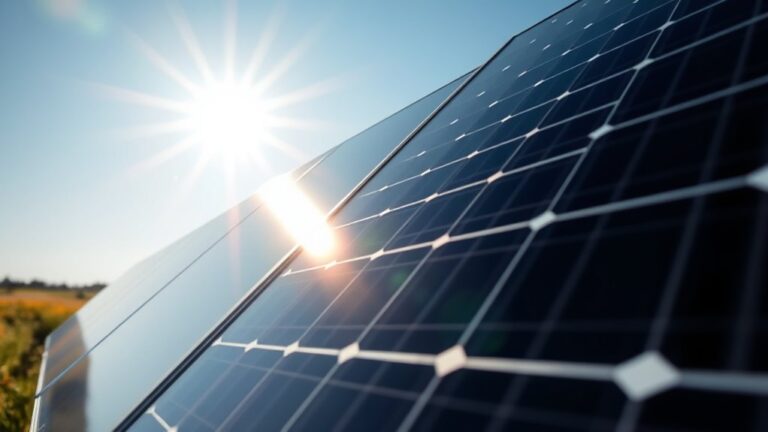
An N-Type solar panel uses phosphorus-doped silicon to boost efficiency and reduce degradation, giving you longer-lasting, high-performance energy. These panels are known for their superior power output and durability compared to traditional solar panels.
You’ll install it by securely mounting panels at the right angle, wiring them carefully with proper tools, then testing connections for safety. It’s important to make sure everything is tight and weatherproof to avoid future issues.
Regular cleaning and monitoring keep your system in top shape. If you want to get the most from your solar setup, understanding installation and upkeep details will help you optimize energy production and durability.
Staying on top of maintenance ensures your panels keep working efficiently for years to come.
Key Takeaways
- N-Type solar panels use phosphorus-doped silicon, which means they can achieve higher efficiency—usually above 22%. They also perform better in low-light and hot conditions compared to other types.
- These panels degrade slower than P-type panels, losing less than 1% efficiency every year. So, you get a longer lifespan and more consistent energy output over time.
- When it comes to installation, you’ll need mounting brackets and proper panel alignment. Secure wiring connections are also important, along with tools like drills, multimeters, and safety gear.
- It’s a good idea to regularly monitor your system’s output. This helps you catch any faults early, keeping everything running smoothly and preventing energy loss.
- Don’t forget to clean your panels regularly. Also, inspect the mounting hardware and trim any shading vegetation. These steps help maximize both efficiency and the longevity of your panels.
What’s an N-Type Solar Panel?

Although you might be familiar with traditional solar panels, an N-type solar panel offers distinct advantages by using negatively charged electrons as the primary charge carriers. This type of panel is made from silicon that’s doped with elements like phosphorus, which adds extra electrons, enhancing conductivity and efficiency.
When sunlight hits the panel, these free electrons move more easily, generating electricity with less energy loss. You’ll find that N-type panels are more resistant to common problems like light-induced degradation, meaning they maintain their performance longer.
Additionally, they tend to have better temperature tolerance, so they work well even in hotter climates. Understanding these basics helps you appreciate why N-type solar panels are gaining popularity for reliable, efficient energy production.
N-Type vs. P-Type and Other Solar Panels: What’s the Difference?
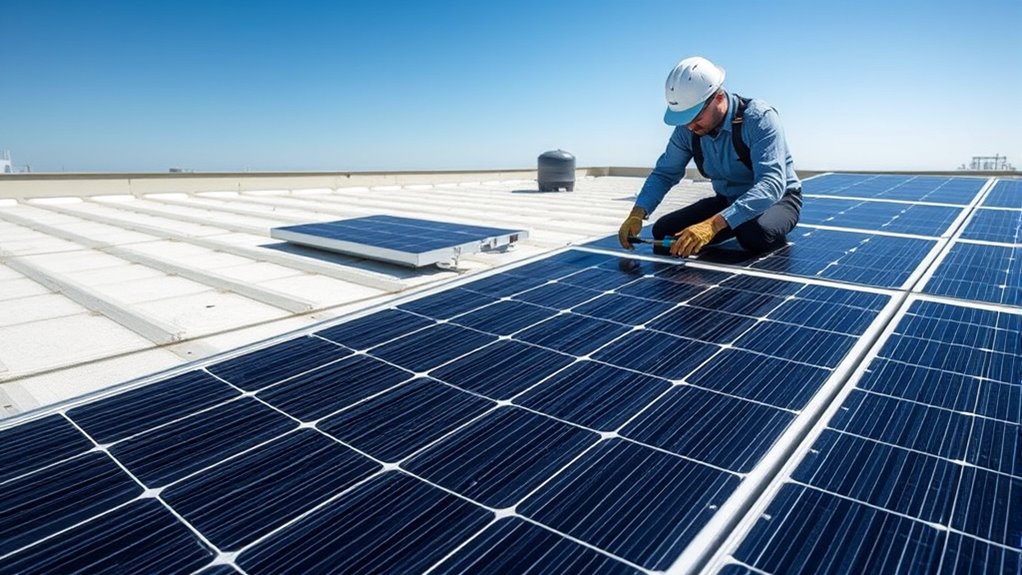
You’ll want to understand the basics of N-type and P-type solar panels to choose the best fit for your needs. Each type offers different features, especially when it comes to efficiency and durability.
Let’s compare how these panels perform and what sets them apart. This way, you can make a more informed decision.
N-Type Solar Panel Basics
When comparing N-type and P-type solar panels, you’ll notice key differences in their construction and performance that affect efficiency and durability. N-type panels use silicon doped with phosphorus, which adds extra electrons, making them more efficient at converting sunlight into electricity.
They also resist light-induced degradation better, so they maintain performance longer.
Here are three basics of N-type solar panels you should know:
- Higher Efficiency: N-type panels generally convert sunlight to electricity more efficiently than P-type panels.
- Better Durability: They experience less performance loss over time due to their resistance to degradation.
- Reduced Light-Induced Degradation: This feature ensures they keep working well even after prolonged sun exposure.
Understanding these basics helps you appreciate why N-type panels are a solid choice for solar installations. It’s pretty clear why they’re gaining popularity!
P-Type Solar Panel Features
Since P-type solar panels have dominated the market for years, you might already be familiar with their key features. These panels use positively doped silicon, meaning they have an abundance of “holes” that act as charge carriers.
You’ll find they’re generally less expensive to produce than N-type panels, making them a popular choice for residential and commercial installations. P-type panels typically have a straightforward manufacturing process, which keeps costs down.
They’re also widely available, so you won’t struggle to find options that fit your budget and energy needs. However, their structure makes them more prone to light-induced degradation over time, something to keep in mind.
Still, if you want a proven, cost-effective solar panel, P-type remains a solid option.
Comparing Efficiency And Durability
Although both N-type and P-type solar panels convert sunlight into electricity, they differ markedly in efficiency and durability. You’ll find N-type panels generally outperform P-type ones, especially in challenging conditions. Here’s why:
- Higher Efficiency: N-type panels use a purer silicon base, reducing electron recombination and boosting conversion rates, often exceeding 22%.
- Better Durability: They resist light-induced degradation (LID) much better than P-type panels, ensuring long-term performance.
- Temperature Resilience: N-type panels maintain efficiency at higher temperatures, giving you more consistent output during hot days.
When you choose N-type panels, you’re investing in a solar solution that’s not only efficient but also built to last. This way, you maximize your energy yield over time.
Why Choose an N-Type Solar Panel for Your Home?
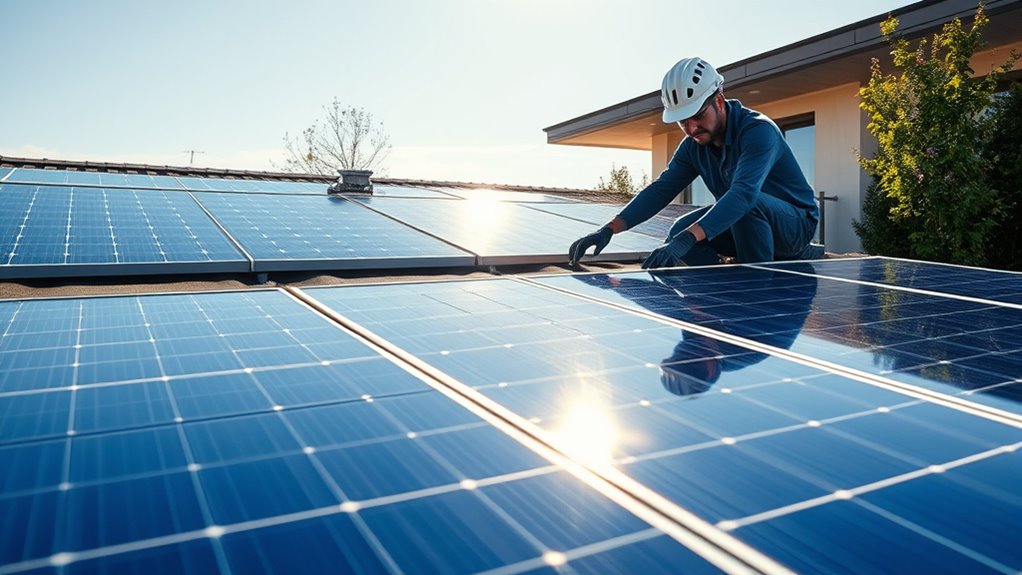
Choosing an N-type solar panel for your home means opting for higher efficiency and longer-lasting performance. These panels have superior resistance to degradation, so they keep producing energy longer.
You’ll also benefit from better low-light performance, which means more power during cloudy days or mornings. Plus, N-type panels reduce power loss from heat, improving overall reliability.
Here’s a quick comparison to help you decide:
| Feature | N-Type Panels | Traditional P-Type Panels |
|---|---|---|
| Efficiency | Up to 23% | Around 18-20% |
| Degradation Rate | Less than 1% per year | Approximately 2-3% per year |
| Performance in Shade | Better | Moderate |
Choosing N-type means getting the best return on your investment over time. It’s a smart move if you want your solar setup to work efficiently for years to come.
How to Install an N-Type Solar Panel: Tools and Steps
Before you start installing your N-type solar panels, make sure you have all the necessary tools and understand each step of the process. Proper preparation guarantees a smooth and safe installation.
Ensure you have the right tools and a clear plan before installing your N-type solar panels for a safe, smooth process.
Here’s what you’ll need:
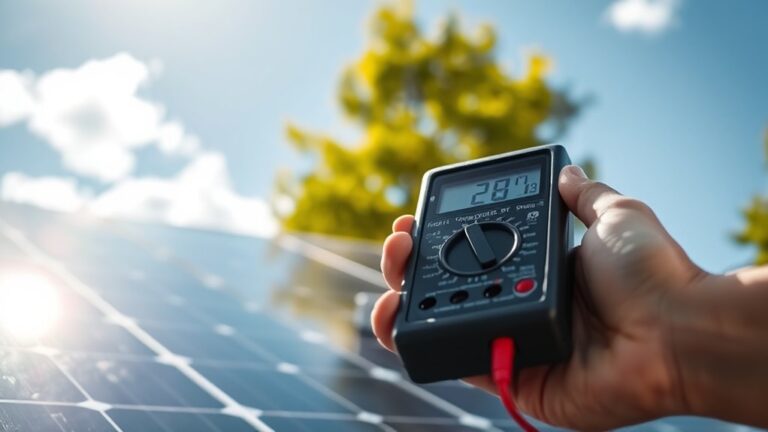
- Tools: A drill, wrench set, screwdriver, wire stripper, multimeter, and safety gear like gloves and goggles.
- Mounting: Secure the mounting brackets on your roof or chosen structure, ensuring they’re aligned and firmly anchored.
- Wiring and Testing: Connect the panels according to the wiring diagram, use the multimeter to check connections, then secure all cables neatly to avoid damage.
Follow these steps carefully to maximize your system’s efficiency and longevity. You’ll be glad you took the time to do it right!
Maintaining Your N-Type Solar Panel: Tips and Troubleshooting
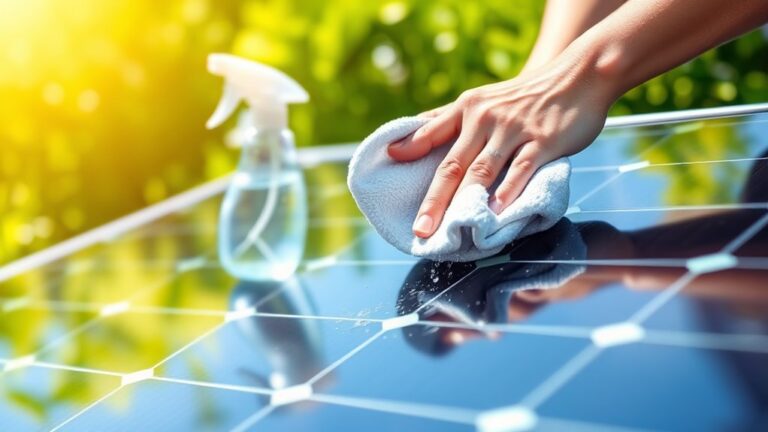
Once you’ve installed your N-type solar panels, maintaining them regularly guarantees they perform at their best and last longer. Start by cleaning the panels every few months with a soft cloth and mild soap to remove dust and debris that can block sunlight.
Also, check for any shading caused by nearby trees or structures and trim branches if needed. It’s a simple step that can make a big difference.
Inspect the mounting hardware to ensure everything stays tight and secure. You don’t want anything loose that could cause problems later.
Keep an eye on your system’s energy output through your inverter or monitoring app. This way, you can spot any unusual drops early and fix them before they become serious.
Finally, watch the wiring and connections for signs of wear or corrosion. Address any issues promptly to keep things running smoothly.
Regular upkeep keeps your panels efficient and extends their lifespan without complex interventions. It’s worth the effort!
Common Issues With N-Type Solar Panels and How to Fix Them
Although N-type solar panels are known for their efficiency and durability, you might still encounter some common issues that affect their performance. Being aware of these problems and knowing how to fix them will keep your system running smoothly.
- Hot Spots – These happen because of shading or dirt buildup. Make sure to clean the panels regularly. Also, trimming nearby trees helps prevent shading.
- Microcracks – These are small cracks in the cells that can reduce efficiency. Try to inspect your panels visually from time to time. If you spot damaged ones, it’s best to replace them promptly.
- Degradation Over Time – N-type panels degrade slower than other types, but it still happens. Keep an eye on your system’s output regularly. If you notice a significant drop, don’t hesitate to consult a professional.
Frequently Asked Questions
Are N-Type Solar Panels Recyclable?
Yes, you can recycle n-type solar panels because they contain valuable materials like silicon and metals.
You’ll want to take them to specialized recycling facilities that handle solar panels to guarantee proper material recovery and environmental safety.
It’s pretty important to do this right, so the environment stays safe and the materials can be reused efficiently.
What Is the Environmental Impact of N-Type Panels?
You’ll find n-type panels reduce degradation by about 20%, boosting efficiency and lifespan. This means you’ll generate cleaner energy longer.
That helps cut carbon emissions and lessens environmental impact compared to traditional solar panels. So, it’s a smarter choice if you care about the planet.
Can N-Type Panels Be Used in Portable Solar Kits?
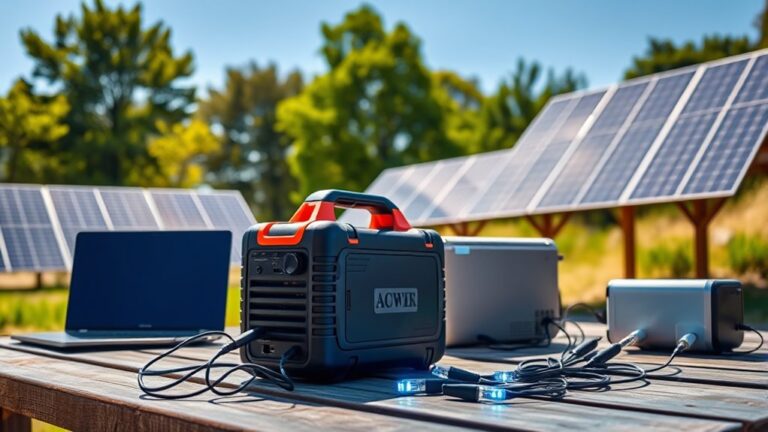
Yes, you can use N-type panels in portable solar kits. They’re efficient and durable, making them ideal for portable setups.
Just make certain your kit supports their electrical specifications and size. That way, you’ll get the best performance while you’re on the go.
How Do N-Type Panels Perform in Extreme Weather?
N-type panels lose only about 2% efficiency in extreme heat, so you’ll find they perform better than traditional panels in harsh weather.
You’ll appreciate their resilience during hot summers and freezing winters alike. They really hold up when the weather gets tough, making them a smart choice for all kinds of climates.
Are There Government Incentives for N-Type Solar Panel Installation?
Yes, you can often qualify for government incentives when installing n-type solar panels.
Check federal, state, and local programs—they usually offer tax credits, rebates, or grants that help lower your upfront costs and boost savings.
It’s definitely worth looking into because these incentives can make going solar more affordable. Plus, they help you get a better return on your investment over time.
Conclusion
Choosing an N-type solar panel means opting for higher efficiency and a longer lifespan, unlike traditional P-type panels that may degrade faster. While installation might seem tricky at first, following the right steps makes it straightforward.
You’ll enjoy cleaner, more reliable energy with less maintenance. Embrace the future of solar power—where advanced technology meets simple, effective home energy solutions.
N-type solar panels offer the best of both worlds: durability and top performance. They’re a smart choice for anyone looking to maximize energy output and reduce upkeep. By switching to N-type technology, you invest in a greener, more sustainable future without compromise.

3 Comments