Author: Admin

  • How Do Solar Panels Protect Your Roof Step by Step

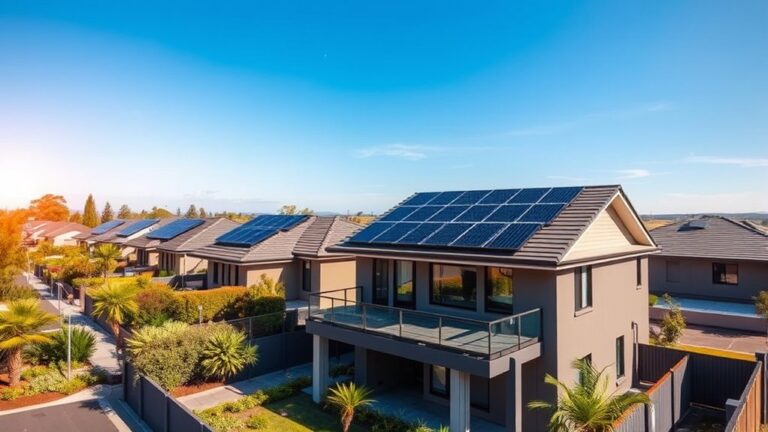
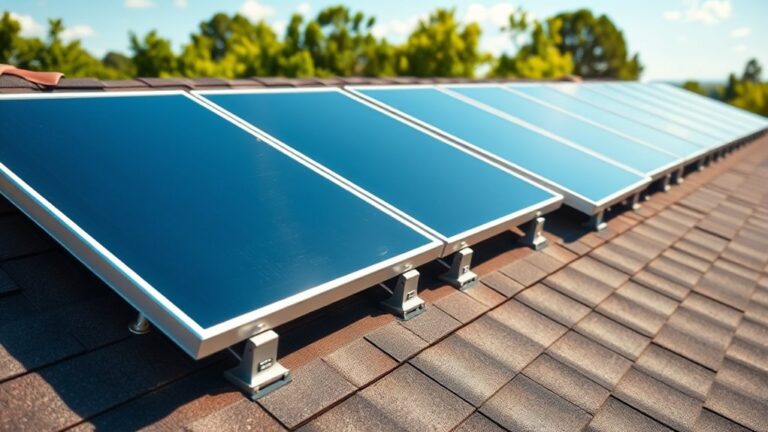
    You safeguard your roof step by step by installing solar panels that act as a durable shield, absorbing and blocking harmful UV rays to prevent fading and cracking. They also deflect rain, hail, and extreme weather while helping regulate temperature swings to reduce thermal stress.

    Proper installation guarantees no leaks and strengthens the roof against damage. This combined protection extends your roof’s lifespan and saves on maintenance costs.

    Pretty cool, right? Discover how this smart upgrade benefits your entire home.
  • What Noise Do Solar Panels Make?

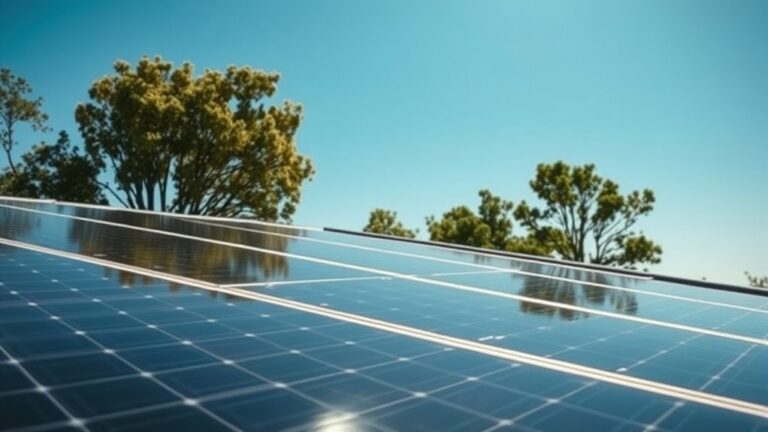
    You won’t hear any noise from the solar panels themselves, but the supporting equipment might make faint sounds. Expect gentle humming or buzzing from the inverter and soft whirring if cooling fans are running.

    Sometimes, clicking noises happen as panels expand and contract with temperature changes. These sounds are usually very quiet and blend into background noise, so they rarely disrupt daily life.

    If you want to understand when noise signals a problem and how to keep it low, keep exploring more details. It’s good to know what’s normal and what’s not!

  • Do Solar Panels Increase Property Value in Australia?

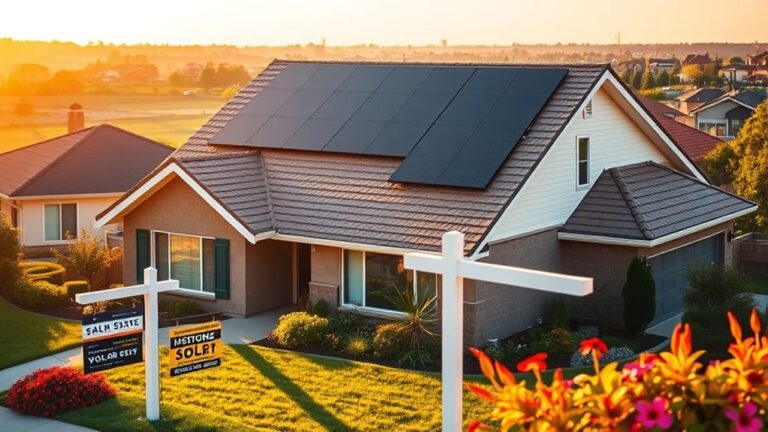
    Yes, installing quality solar panels can increase your property value in Australia. They attract eco-conscious buyers and help cut energy costs, making your home more appealing.

    The size, efficiency, and condition of your system play a big role, especially in sunny regions like Queensland or cities with high electricity prices. Well-maintained owned panels give you the best boost.

    If you want to understand how different factors and locations influence this value, keep exploring what impacts your home’s worth.

  • Do Solar Panels Increase Property Taxes?

    Solar panels can increase your home’s value, but whether they raise your property taxes depends on your state’s rules. Some states exempt the added solar value from assessments, while others include it, potentially increasing your taxes.

    Many offer tax credits or exemptions to help you save. To know how your panels affect your taxes, check with your local assessor or state guidelines.

    Keep exploring to see how to manage taxes and maximize solar benefits.

  • Do Solar Covers Heat Pools?

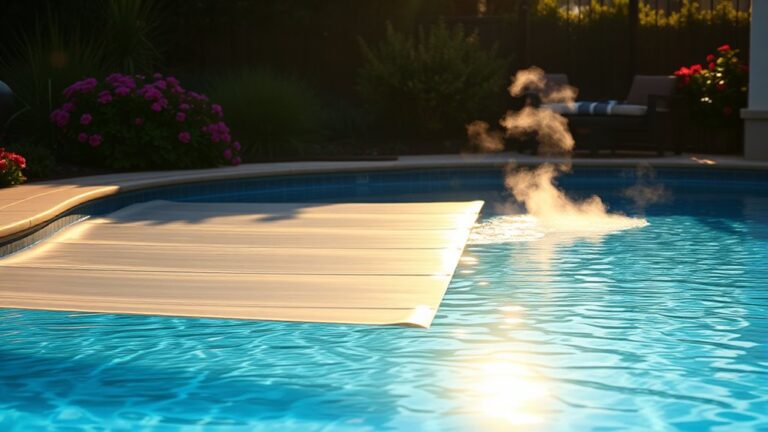
    Yes, solar covers effectively warm your pool by trapping and preserving the sun’s heat while reducing evaporation and heat loss. They absorb sunlight and transfer energy to the water, keeping it warmer longer, even overnight.

    Depending on conditions, they can raise water temperature by 5 to 15°F and lower your energy costs by reducing heater usage. Different cover types offer varying insulation benefits.

    Keep exploring to find out how to choose and maintain the best solar cover for your pool.

  • What Do Solar Batteries Provide for Backup Power During Outages?

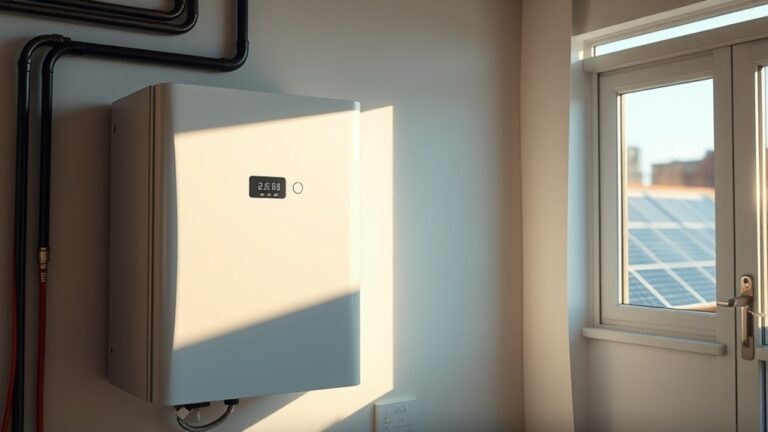
    Solar batteries provide you with clean, reliable backup power when the grid fails. They automatically kick in to keep essential appliances running, like your refrigerator, lights, phone chargers, and medical devices.

    You can even power kitchen gadgets and entertainment systems for short periods. They work quietly and need little maintenance, helping you avoid food spoilage and stay connected during outages.

    Understanding how they perform and support your home will help you choose the best system for your needs. It’s all about finding what works best for your lifestyle and keeping things running smoothly when the power goes out.

  • How You Can Use Regular Batteries in Solar Lights Safely

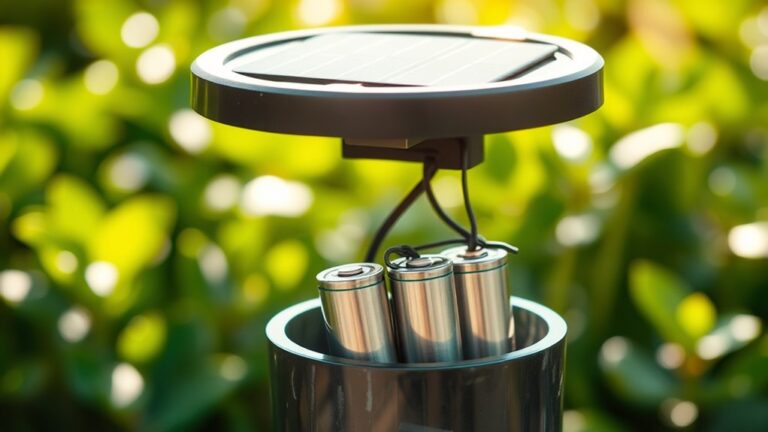
    You can use regular batteries in your solar lights safely by choosing the right size and type recommended by the manufacturer, like AA alkaline or NiMH rechargeable cells. Always make sure to pick fresh batteries and insert them correctly.

    Avoid mixing brands or old and new cells because that can cause leakage or overheating. It’s a good idea to turn off the light before you swap out the batteries.

    Also, be sure to secure the compartment tightly to keep moisture out. Keeping an eye on battery health regularly will help your solar lights perform their best.

    Keep going to uncover tips on installation, risks, and maintenance.

  • How to Pressure Wash Your Solar Panels Safely

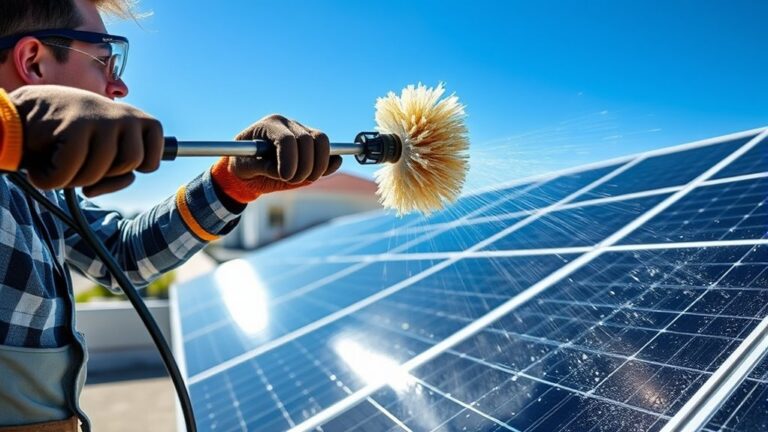
    To safely pressure wash your solar panels, use a pressure washer with adjustable settings between 1200-1900 PSI and a wide 25-40 degree nozzle. Keep at least 12 inches away, spray cold water gently, and avoid harsh chemicals—opt for eco-friendly cleaners like vinegar or biodegradable soap instead.

    Before you start, inspect your panels for any damage and be careful around wiring. Following proper techniques safeguards your panels and warranty.

    Keep going to discover tips that guarantee safe, effective cleaning every time.

  • Can You Power Wash Solar Panels Safely?

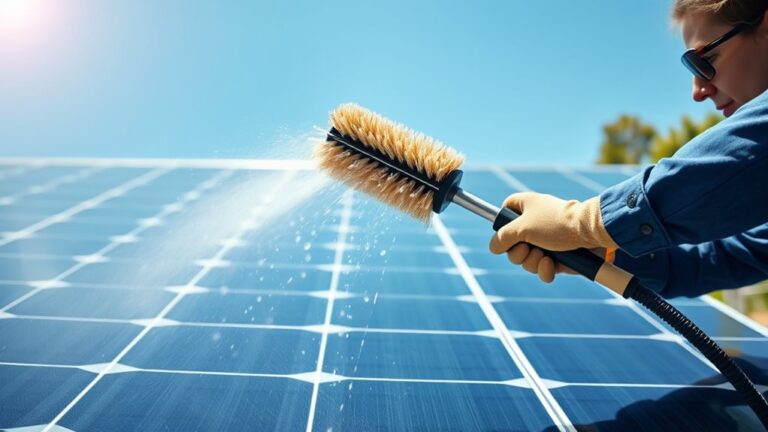
    You can safely power wash your solar panels if you use moderate pressure and keep the nozzle at a proper distance to avoid damage. Make sure to follow your manufacturer’s guidelines and avoid extreme weather like hot, windy, or rainy conditions.

    Using gentle spray settings helps protect the glass and seals from cracking or moisture issues. If you’re careful, power washing can boost your panels’ efficiency.

    Keep going to discover the best practices and safer cleaning alternatives.

  • How You Can Prevent Power Loss in Solar Panels

    You can prevent power loss in your solar panels by keeping them clean, trimming nearby trees to avoid shading, and ensuring proper installation with secure, corrosion-free electrical connections.

    Regularly inspect and clear debris, snow, or dirt buildup to maximize sunlight exposure. It really makes a difference in how much energy your panels can produce.

    Monitoring your system’s performance lets you spot issues early and make timely repairs. That way, you won’t have to deal with bigger problems down the road.

    Following these steps helps maintain peak efficiency. Plus, exploring more tips can further boost your panels’ output throughout the year.