Author: Admin

  • How Much Solar Power Do I Need for My RV

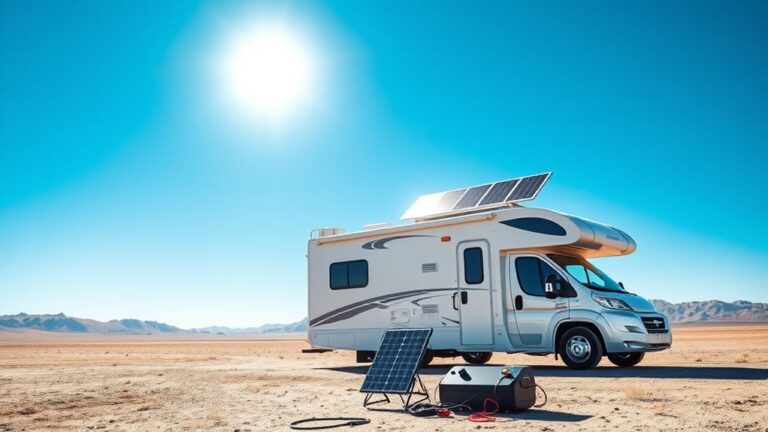
    To find out how much solar power your RV needs, start by listing all your electrical devices and estimating their daily usage in watt-hours. Divide this total by your average sunlight hours.

    Then, add a 20-30% buffer for inefficiencies and future needs. Don’t forget to match your battery capacity to store energy for cloudy days and nights.

    Your location and weather will also affect output. Keep exploring to discover tips on choosing the best setup for your camping style.
  • How Much Power Can a Solar Panel Generate?

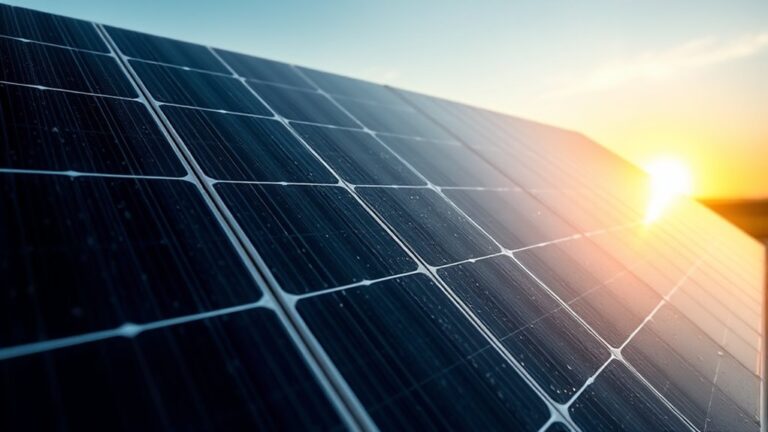
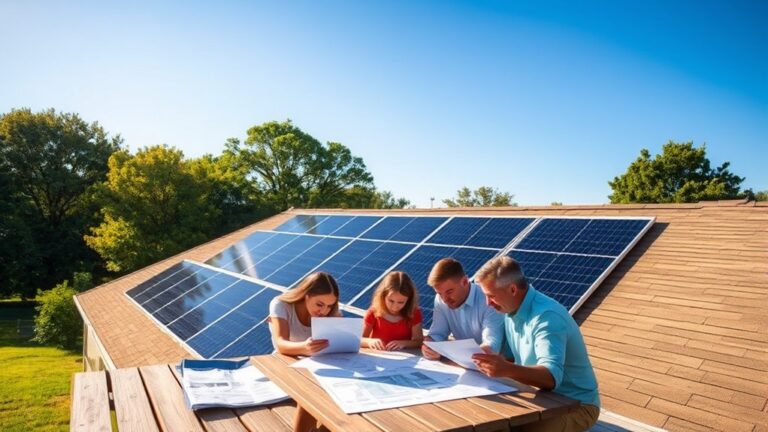
    You can expect a solar panel to generate between 250 and 400 watts of power, depending on its size, efficiency, and installation. Factors like weather, shading, and dirt can reduce output, while cooler temperatures often boost performance.

    Your location and seasonal sunlight hours also play a big role in how much energy your panel produces. If you want to understand how these factors affect your system’s real-world results and optimize your setup, there’s more to explore ahead.

  • How Much Do Solar Panels Cost in Missouri: 3 Key Factors

    When you consider solar panel costs in Missouri, three key factors stand out. First, the state’s moderate sunlight ensures reliable energy and steady savings.

    Second, your roof type affects installation complexity—simple, south-facing asphalt shingles cost less than steep or metal roofs. Third, system size depends on your energy needs, with larger setups costing more.

    Plus, incentives like tax credits and rebates can cut your upfront expenses considerably. Keep exploring to see how these elements shape your solar investment.

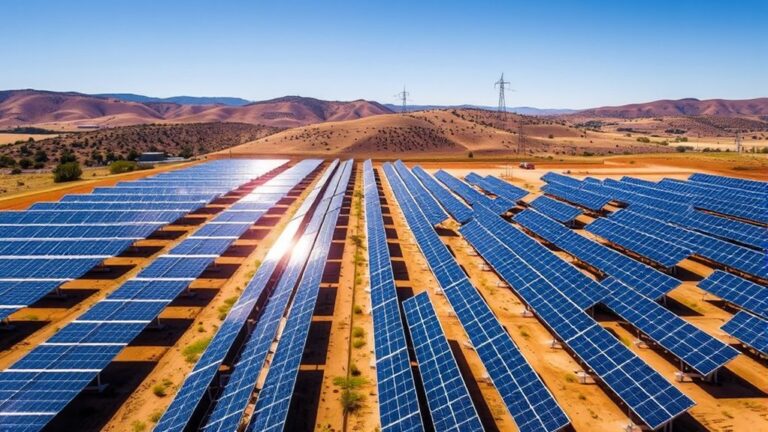
  • 10 Factors That Affect How Much Ground-Mounted Solar Panels Cost

    When figuring out how much ground-mounted solar panels will cost you, consider factors like panel type and quality, which affect efficiency and price. Your site’s terrain and preparation needs can add expenses, especially if the land is uneven or remote.

    Installation choices, including mounting systems and wiring, influence labor and material costs. Permits, regulations, and system size also play roles.

    Plus, ongoing maintenance and warranties add to long-term costs. Understanding these key elements helps you make smarter decisions about your solar investment.

  • 7 Facts About How Much Solar Panels Cost in PA

    You’ll find solar panel costs in Pennsylvania depend on system size, panel quality, and installation complexity. On average, expect to pay $15,000 to $25,000 before incentives, which can cut costs by up to 30% with tax credits and rebates.

    DIY installations cost less but require skills, while pros handle permits and warranties. Financing options like loans and leases make solar affordable.

    Energy savings can cut your bills considerably over time. Keep exploring to understand all the ways you can save and invest smartly in solar.

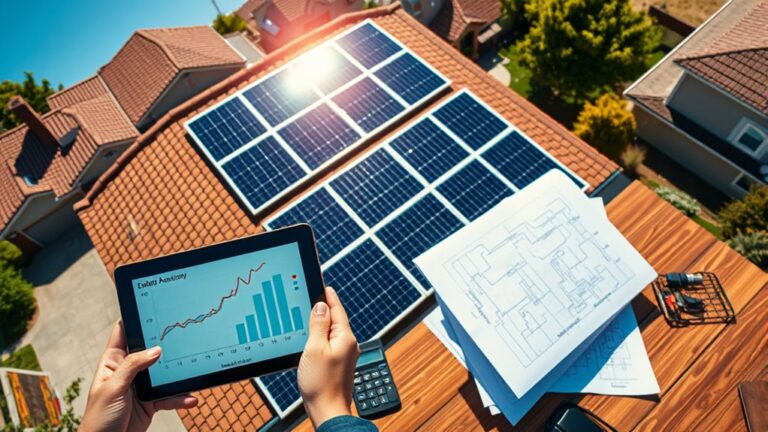
  • How to Calculate How Many Solar Panels Are Required to Power a House

    To calculate how many solar panels you need, start by checking your past electricity bills to find your average daily kWh use. Then, find your area’s peak sunlight hours and divide your daily energy need by those hours to get the required system size.

    Next, pick your panel wattage and divide the system size by that number to estimate panel count. Don’t forget to take into account roof space, efficiency losses, and seasonal changes for the best setup.

    You’ll want to explore how to optimize these factors for maximum performance. It might seem like a lot, but once you break it down, it’s pretty straightforward!

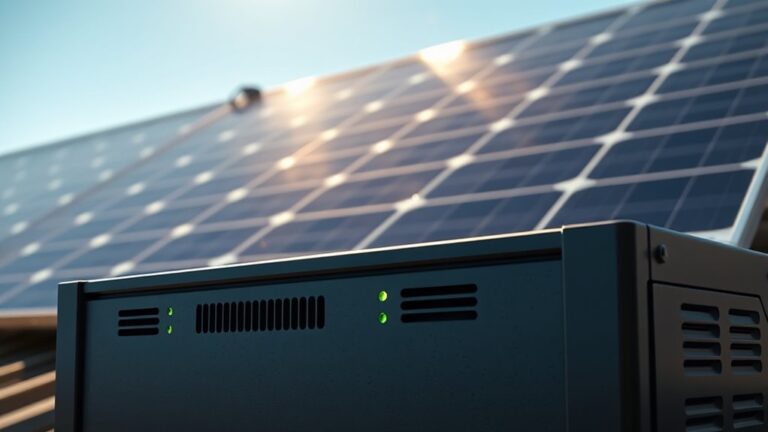
  • How Long Does a Solar Panel Battery Last and How to Maximize It

    You can expect your solar panel battery to last between 5 and 15 years, with lithium-ion types typically lasting the longest. To maximize lifespan, avoid extreme temperatures, prevent overcharging and deep discharges, and use a charge controller.

    Managing energy use—like shifting heavy tasks to daylight and keeping charge levels between 20-80%—also helps. Regular maintenance, such as cleaning terminals and storing batteries properly, boosts durability.

    Keep exploring to discover more practical ways to enhance your solar battery’s life. It’s worth the effort to get the most out of your investment!

  • How Long Do Solar Powered Lights Last and How to Guide

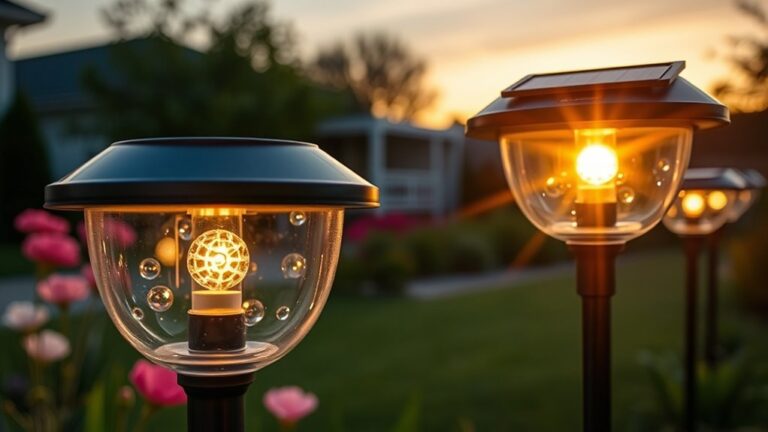
    You can expect your solar powered lights to last 2 to 5 years if you take care of them properly. Their lifespan depends on battery quality, solar panel condition, and exposure to weather.

    Regularly clean the panels and replace batteries every 1-2 years to keep them bright. Also, avoid shading the panels whenever possible.

    Using durable, weather-resistant materials helps a lot, and don’t forget to check connections often.

    If you want to boost your lights’ performance and solve issues quickly, there’s more helpful info ahead.

  • 7 Helpful Ways Solar Energy Benefits the Environment

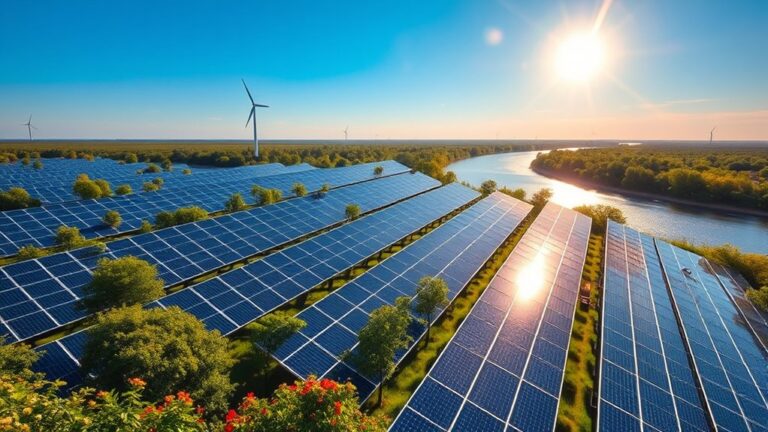
    You benefit the environment every time you choose solar energy because it cuts greenhouse gas emissions by generating clean electricity without fossil fuels. It lowers air pollution, improving the air you breathe, and conserves water by using little to no water during operation.

    Solar energy protects wildlife habitats by minimizing land disruption and supports a circular economy with recyclable panels. By tapping into the sun’s power, you’re helping create a sustainable future worth exploring further.

  • What Determines How Fast Solar Wind Travels?

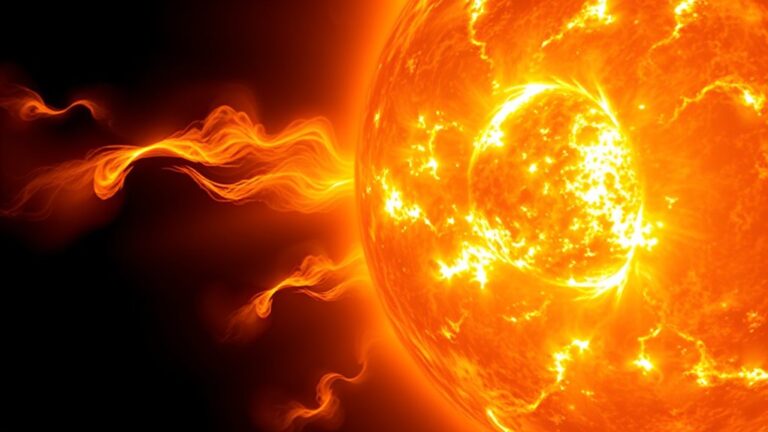
    You control how fast solar wind travels by understanding the Sun’s magnetic field, plasma density, and the wind’s origin on the Sun’s surface. Open magnetic fields in coronal holes let particles escape quickly, creating high-speed wind.

    In contrast, closed magnetic loops trap particles, slowing the wind down. Higher plasma density means more collisions, which also slows things. Where the wind starts and the magnetic environment guide its speed.

    Exploring these factors reveals more about solar wind behavior. It’s pretty fascinating how all these elements work together to affect the speed of solar wind!