How Long Do Solar Powered Lights Last and How to Guide
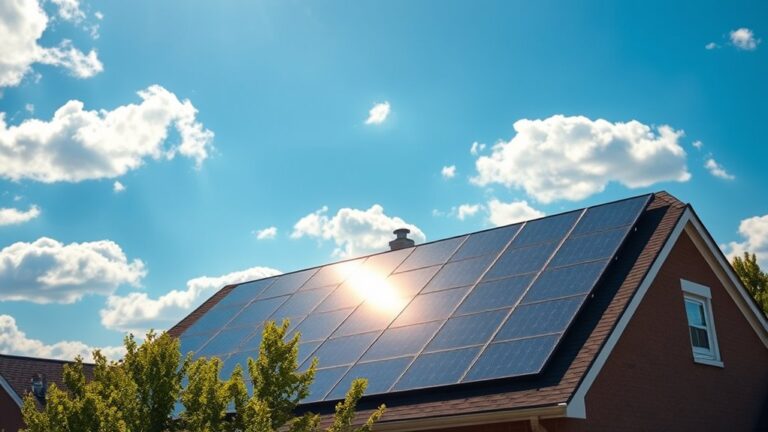
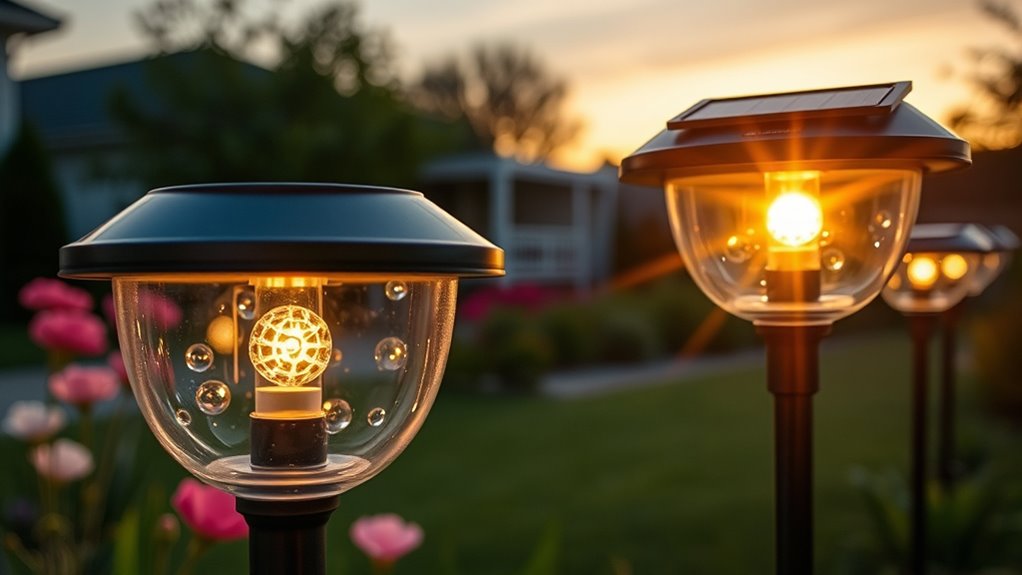
You can expect your solar powered lights to last 2 to 5 years if you take care of them properly. The lifespan of these lights depends on several factors like battery quality, solar panel condition, and how much they’re exposed to weather.
Regular maintenance is key to keeping your solar lights shining bright and lasting longer. Make sure to clean the solar panels regularly and replace the batteries every 1-2 years.
Avoid shading the panels as much as possible because it can reduce their performance. Using durable, weather-resistant materials also helps your lights withstand the elements.
Don’t forget to check the connections often to prevent any issues. If you want to boost your lights’ performance and solve problems quickly, there’s more helpful info ahead.
Key Takeaways
- Solar powered lights typically last 2 to 5 years. This mainly depends on battery life and how much weather exposure they get.
- LEDs themselves can last up to 50,000 hours. But usually, battery wear cuts down the overall lifespan.
- Regular maintenance really helps. Make sure to clean the panels, check all connections, and trim any plants that might be shading the lights.
- It’s a good idea to replace batteries every 1-2 years. Just use compatible rechargeable types to keep the brightness and performance up to par.
- When buying, look for lights made with durable, weather-resistant materials. An IP65 rating is great for long-lasting outdoor use.
How Long Do Solar Powered Lights Usually Last?
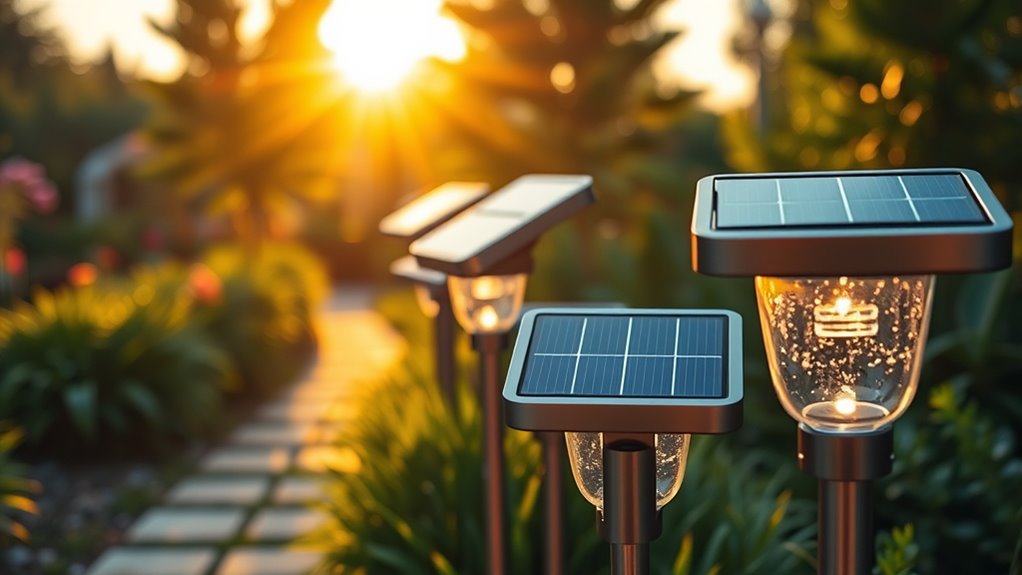
Although the lifespan of solar powered lights can vary, you can generally expect them to last between 2 to 5 years with proper care. The main components that determine this duration are the solar panel, battery, and LED bulbs.
Solar powered lights typically last 2 to 5 years, depending on the solar panel, battery, and LED bulbs.
LEDs tend to last the longest, often up to 50,000 hours, but the rechargeable batteries usually wear out sooner, limiting overall life. You’ll notice performance decline when the light dims or stops charging fully.
Some models feature replaceable batteries, allowing you to extend their use without buying new units. Remember, while the lights themselves have a typical lifespan, your experience may vary.
Keeping an eye on how well your solar lights perform over time helps you decide when it’s time for replacement or maintenance.
What Factors Affect the Lifespan of Solar Powered Lights?
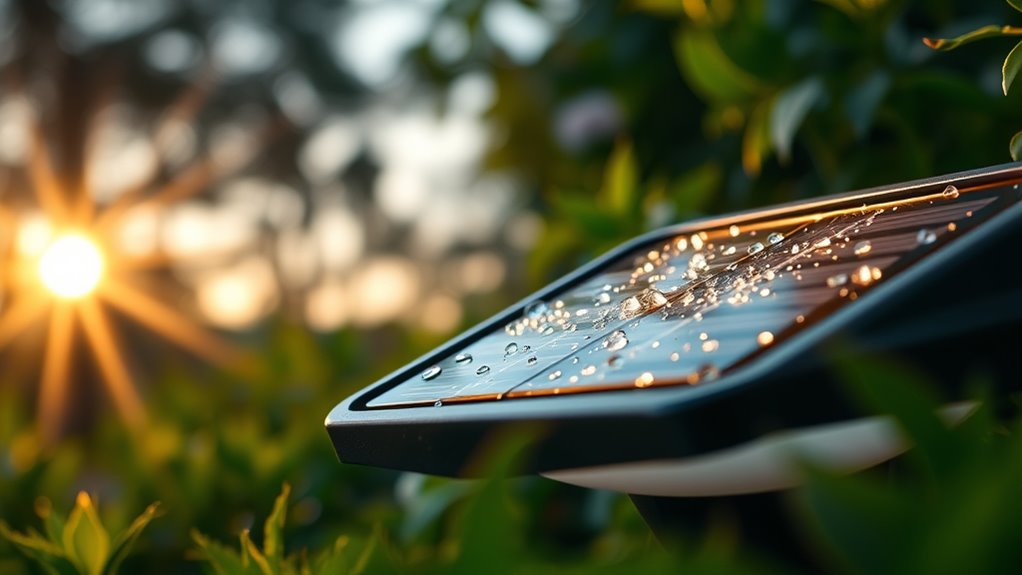
The lifespan of your solar powered lights depends on several key factors that influence their performance and durability. First, the quality of the solar panel and battery plays a vital role; higher-quality components last longer and charge more efficiently.
Second, exposure to weather conditions like rain, snow, and extreme temperatures can wear down parts over time, so placement matters. You want to make sure your lights are in a spot where they’re protected but still getting enough sunlight.
Third, how often you use the lights affects battery life—continuous use shortens it faster. So, if you leave them on all night every night, the battery will wear out sooner.
Fourth, regular maintenance, such as cleaning the solar panel and checking connections, helps keep them functioning longer. A little upkeep goes a long way with these lights.
Finally, the type of battery inside, whether lithium-ion or NiMH, determines how many charge cycles your lights can endure before performance drops. Knowing these factors can really help you get the most out of your solar powered lights.
How to Choose Durable Solar Powered Lights
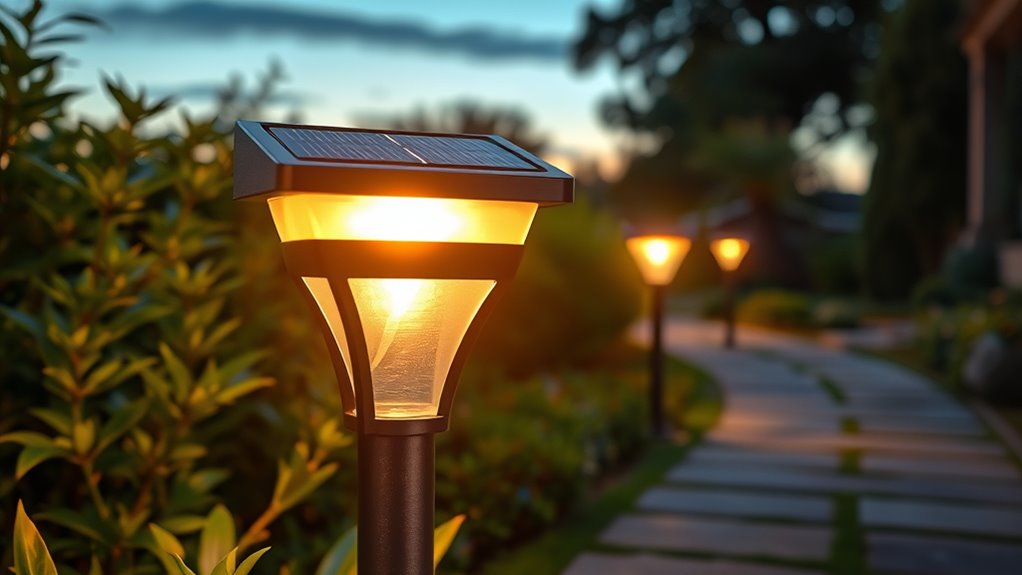
When choosing durable solar powered lights, pay close attention to the quality of materials used. You’ll also want to take into account the battery’s lifespan and how well the lights handle different weather conditions.
These factors will help you pick lights that last longer and perform reliably. It’s all about making sure you get the best value for your money.
Material Quality Matters
Since you want your solar powered lights to last through changing weather and daily use, choosing ones made from high-quality materials is essential. Look for lights crafted from durable metals like aluminum or stainless steel—they resist rust and corrosion better than cheaper plastics.
If you prefer plastic, make sure it’s UV-resistant to avoid cracking or fading under sunlight. Check that the glass or plastic covering the LED is thick and sturdy, protecting the internal components from moisture and impact.
Seals and joints should be tight to prevent water intrusion, especially if you live in a rainy or humid area. By focusing on material quality, you guarantee your lights maintain their appearance and functionality longer, saving you money and hassle down the road.
Battery Longevity Insights
Although solar powered lights rely heavily on their solar panels, their battery longevity ultimately determines how long they’ll keep shining each night. When choosing durable solar lights, focus on the type and capacity of the battery.
Lithium-ion batteries typically last longer and hold charges better than NiMH or NiCd options. Also, check the battery’s mAh rating—a higher number means longer runtime.
Remember, batteries degrade over time, so replaceable batteries extend your light’s lifespan. Avoid models with sealed, non-replaceable batteries if you want lasting performance.
Proper maintenance, like avoiding complete battery drain, also helps preserve longevity. By prioritizing high-quality, replaceable batteries with sufficient capacity, you guarantee your solar lights remain bright and reliable for years to come.
Weather Resistance Features
Because solar powered lights spend most of their time outdoors, you’ll want to choose models with strong weather resistance features to guarantee they keep working through rain, snow, and sun. Look for lights with an IP rating of at least IP65, which means they’re dust-tight and can handle water jets.
Durable casing made from materials like aluminum or high-grade plastic resists rust and damage. UV-resistant coatings prevent fading and brittleness from prolonged sun exposure.
Finally, sealed battery compartments protect internal components from moisture and corrosion. To summarize, when choosing durable solar lights, focus on:
- IP rating of IP65 or higher
- Rust-resistant housing materials
- UV protection on surfaces
- Waterproof, sealed battery compartments
These features help your solar lights last longer and perform reliably outdoors.
How to Maintain Solar Powered Lights for Longer Use
To get the most out of your solar powered lights, you’ll need to perform regular maintenance. Start by cleaning the solar panels often with a soft cloth and mild soap to remove dirt and debris that block sunlight.
Check the lights for any damage or loose parts, tightening screws as needed. Trim nearby plants that might shade the panels, ensuring maximum sun exposure.
During winter or bad weather, wipe off snow or leaves promptly. Also, inspect the light fixtures for moisture buildup and dry them to prevent corrosion.
When and How Do You Replace Solar Light Batteries?
You’ll know it’s time to replace your solar light batteries when the lights dim or stop working altogether.
Choosing the right compatible batteries guarantees your lights run efficiently. It’s a simple way to keep things bright.
Follow simple steps to swap out old batteries safely and keep your solar lights shining bright. You’ll have them glowing like new in no time!
Signs Battery Needs Replacement
Although solar lights are designed to last for years, their batteries will eventually lose the ability to hold a charge. You’ll want to replace the battery when you notice certain signs indicating it’s time.
Watch for these clear signals:
- The light dims noticeably or fails to stay on as long as it used to.
- It doesn’t turn on at all, even after a full day of charging.
- The light flickers or behaves erratically during nighttime use.
- It takes much longer than usual to recharge during the day.
When you spot these signs, it’s a good indicator the battery inside your solar light needs replacing. Acting promptly keeps your lights bright and reliable through the seasons.
Choosing Compatible Replacement Batteries
When your solar light’s battery starts showing signs of wear, picking a compatible replacement is key to keeping it running at its best. You want to match the battery type, size, and voltage exactly. This helps avoid damage or poor performance.
Most solar lights use NiMH or Li-ion rechargeable batteries. So, make sure to check your model’s specifications before buying. Using the wrong battery can cut down your light time or even harm the circuitry.
| Battery Type | Common Sizes | Typical Voltage |
|---|---|---|
| NiMH | AA, AAA | 1.2V |
| Li-ion | 18650, 14500 | 3.6V – 3.7V |
| NiCd | AA, AAA | 1.2V |
Always go for reputable brands. That way, you’re more likely to get a battery that’s durable and safe.
Proper Battery Replacement Steps
Since solar light batteries gradually lose their ability to hold a charge, replacing them at the right time guarantees your lights stay bright and efficient. You’ll know it’s time when your lights dim early or don’t turn on at night.
Follow these steps to replace the batteries properly:
- Turn off the solar light and remove it from its mounting.
- Open the battery compartment, usually secured with screws or a latch.
- Take out the old batteries and dispose of them responsibly.
- Insert new, compatible rechargeable batteries, making sure the polarity is correct. Then, close the compartment and remount the light.
Doing this once every 1-2 years keeps your solar lights performing well without any hassle. It’s an easy way to make sure they keep shining bright!
How to Troubleshoot Common Solar Powered Light Problems
Why isn’t your solar powered light working properly? First, check if the solar panel is clean and free of debris. Dirt blocks sunlight and reduces charging.
Next, make sure the light is in direct sunlight during the day—shade can cause poor performance. If the light still won’t turn on at night, test the battery. It might be dead or improperly connected.
Replace the battery if needed. Also, take a look at the wiring for any damage or loose connections.
Sometimes, the light’s sensor is blocked or malfunctioning. Make sure it isn’t covered and try resetting the light by turning it off and on.
Following these steps can solve most common issues. That way, your solar lights will shine bright and last longer!
Frequently Asked Questions
Can Solar Lights Work in Cloudy or Rainy Weather?
Yes, solar lights can work in cloudy or rainy weather, but they won’t charge as efficiently. You’ll get shorter lighting times, so make sure to keep panels clean and place them where they get the most sunlight possible.
It’s all about making the most of the light they do get. Just a little extra care can help keep them shining even when the sun’s hiding.
Are Solar Powered Lights Safe for Children and Pets?
You’ll be glad to know over 90% of solar lights are safe for children and pets. They don’t use harmful chemicals or high voltage, so you can confidently place them around your home without worry.
Pretty great, right? It means you can light up your garden or pathway and still keep everyone safe. No need to stress about little hands or paws getting too close!
How Do Solar Lights Compare to Electric Garden Lights?
Solar lights save you money and energy since they don’t need wiring, but electric garden lights offer brighter, consistent illumination.
You’ll find solar lights easier to install, while electric ones work better in low-sun areas.
Can Solar Lights Be Used Indoors Effectively?
You won’t turn your living room into a sun-drenched paradise with solar lights indoors. They need direct sunlight to charge, so unless you’ve got a sunbeam trapped inside, they won’t shine effectively inside your home.
Basically, without that natural light, they just won’t work as well. So, unless your indoor spot gets plenty of sun, you might want to consider other lighting options.
Do Solar Powered Lights Attract Insects or Wildlife?
Yes, solar powered lights can attract insects, especially if they emit bright or warm-colored light.
But don’t worry, you can reduce this by choosing lights with cooler tones or motion sensors.
This way, you avoid drawing too much wildlife near your space.
Conclusion
Think of your solar lights as tiny suns you’ve captured, each needing care to shine brightly. Like a garden, their glow depends on how well you tend to them—choosing strong seeds (quality lights), watering them (regular maintenance), and replacing worn parts when needed.
With attention and patience, your solar lights will keep illuminating your nights. They remind you that even the smallest sparks can brighten the darkest paths for a long, fulfilling journey.
To make your solar powered lights last longer, regularly clean the solar panels and check the batteries. Proper care ensures they charge efficiently and shine brightly every evening. By maintaining your solar lights well, you not only extend their lifespan but also enjoy consistent, eco-friendly lighting that saves energy and brightens your outdoor spaces beautifully.