Blog

  • How Do Solar Shades Provide Privacy?

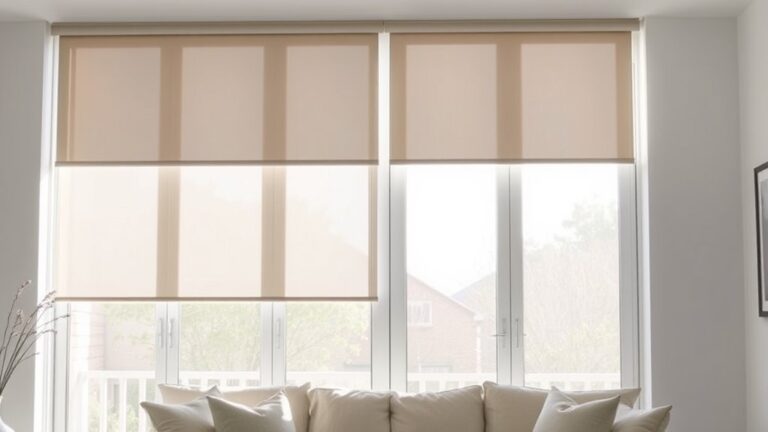
    Solar shades provide privacy by blocking outside views during the day while letting in natural light and reducing glare. Their special weave controls visibility, so you can enjoy brightness without outsiders peeking in.

    Materials like tightly woven polyester and fiberglass enhance opacity and durability. However, at night, interior lights can make them more see-through from outside.

    You can also choose different openness levels to balance privacy and light. Keep exploring to discover how to tailor solar shades perfectly to your needs.
  • Do Solar Pool Heaters Work: A Guide to Effective Heating

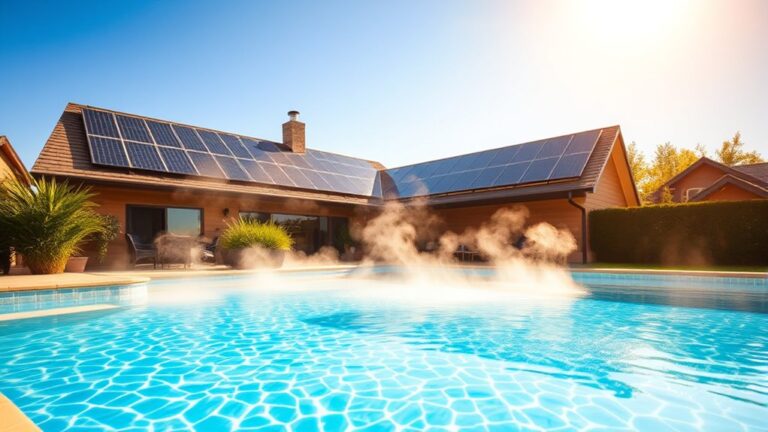
    You can effectively warm your pool with solar pool heaters by circulating water through roof-mounted collectors that absorb sunlight and gently increase temperature using free, renewable energy. They typically raise water 6 to 10°F, helping you extend your swim season quietly and cheaply.

    To get the best results, make sure panels get plenty of sun, maintain good flow, and use a pool cover to retain heat. Explore further to understand key factors, tips, and troubleshooting for maximum performance.

  • How to Do Solar Panels Without Voiding Your Roof Warranty

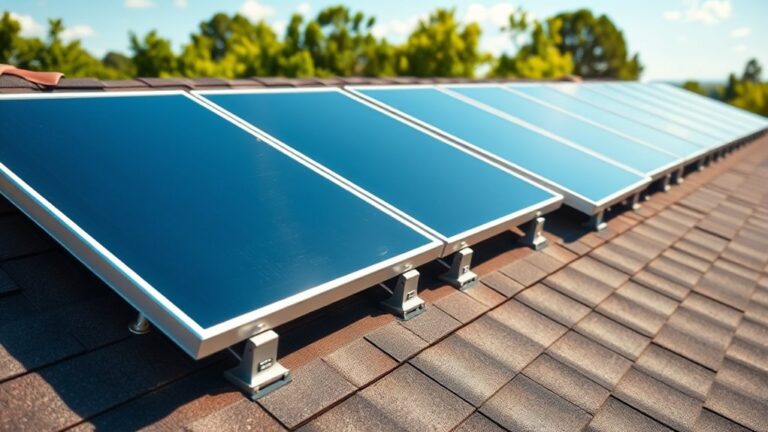
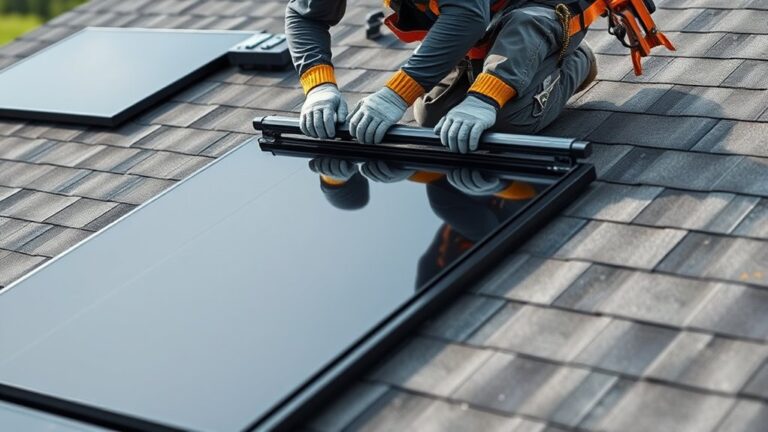
    To install solar panels without voiding your roof warranty, first review your warranty terms carefully to understand restrictions and maintenance needs. Use authorized installers trained and approved by your roofing manufacturer to guarantee proper mounting.

    Choose mounting systems designed to avoid roof damage, and inspect or repair your roof before installation. Staying informed and working with the right professionals helps protect your warranty and roof integrity.

    Keep following for essential steps and tips to safeguard your roof while going solar. It’s easier than you might think when you know what to watch out for!

  • How Do Solar Panels Protect Your Roof Step by Step

    You safeguard your roof step by step by installing solar panels that act as a durable shield, absorbing and blocking harmful UV rays to prevent fading and cracking. They also deflect rain, hail, and extreme weather while helping regulate temperature swings to reduce thermal stress.

    Proper installation guarantees no leaks and strengthens the roof against damage. This combined protection extends your roof’s lifespan and saves on maintenance costs.

    Pretty cool, right? Discover how this smart upgrade benefits your entire home.

  • What Noise Do Solar Panels Make?

    You won’t hear any noise from the solar panels themselves, but the supporting equipment might make faint sounds. Expect gentle humming or buzzing from the inverter and soft whirring if cooling fans are running.

    Sometimes, clicking noises happen as panels expand and contract with temperature changes. These sounds are usually very quiet and blend into background noise, so they rarely disrupt daily life.

    If you want to understand when noise signals a problem and how to keep it low, keep exploring more details. It’s good to know what’s normal and what’s not!

  • Do Solar Panels Increase Property Value in Australia?

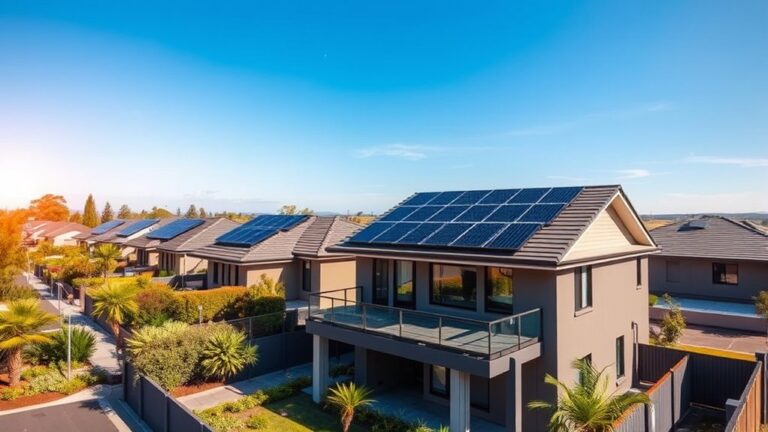
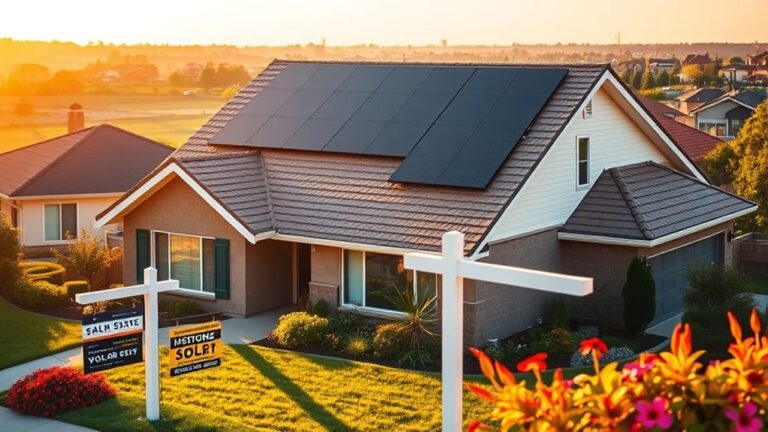
    Yes, installing quality solar panels can increase your property value in Australia. They attract eco-conscious buyers and help cut energy costs, making your home more appealing.

    The size, efficiency, and condition of your system play a big role, especially in sunny regions like Queensland or cities with high electricity prices. Well-maintained owned panels give you the best boost.

    If you want to understand how different factors and locations influence this value, keep exploring what impacts your home’s worth.

  • Do Solar Panels Increase Property Taxes?

    Solar panels can increase your home’s value, but whether they raise your property taxes depends on your state’s rules. Some states exempt the added solar value from assessments, while others include it, potentially increasing your taxes.

    Many offer tax credits or exemptions to help you save. To know how your panels affect your taxes, check with your local assessor or state guidelines.

    Keep exploring to see how to manage taxes and maximize solar benefits.

  • Do Solar Covers Heat Pools?

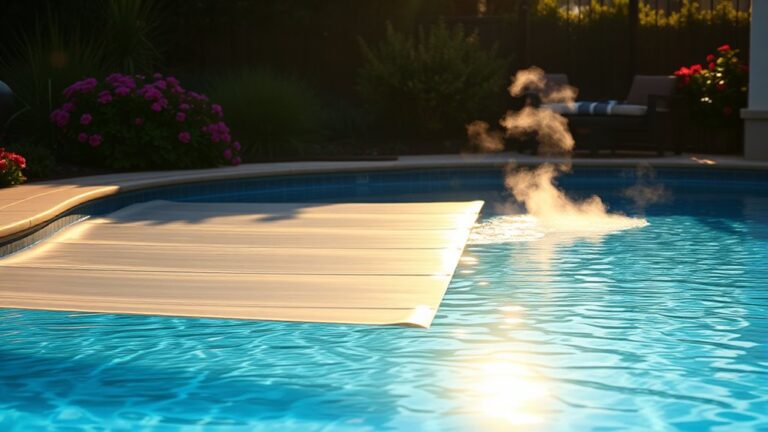
    Yes, solar covers effectively warm your pool by trapping and preserving the sun’s heat while reducing evaporation and heat loss. They absorb sunlight and transfer energy to the water, keeping it warmer longer, even overnight.

    Depending on conditions, they can raise water temperature by 5 to 15°F and lower your energy costs by reducing heater usage. Different cover types offer varying insulation benefits.

    Keep exploring to find out how to choose and maintain the best solar cover for your pool.

  • What Do Solar Batteries Provide for Backup Power During Outages?

    Solar batteries provide you with clean, reliable backup power when the grid fails. They automatically kick in to keep essential appliances running, like your refrigerator, lights, phone chargers, and medical devices.

    You can even power kitchen gadgets and entertainment systems for short periods. They work quietly and need little maintenance, helping you avoid food spoilage and stay connected during outages.

    Understanding how they perform and support your home will help you choose the best system for your needs. It’s all about finding what works best for your lifestyle and keeping things running smoothly when the power goes out.

  • How You Can Use Regular Batteries in Solar Lights Safely

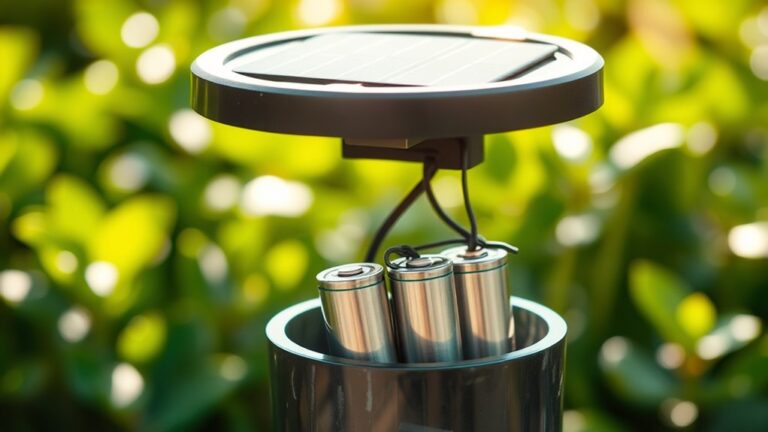
    You can use regular batteries in your solar lights safely by choosing the right size and type recommended by the manufacturer, like AA alkaline or NiMH rechargeable cells. Always make sure to pick fresh batteries and insert them correctly.

    Avoid mixing brands or old and new cells because that can cause leakage or overheating. It’s a good idea to turn off the light before you swap out the batteries.

    Also, be sure to secure the compartment tightly to keep moisture out. Keeping an eye on battery health regularly will help your solar lights perform their best.

    Keep going to uncover tips on installation, risks, and maintenance.