Blog

  • 5 Benefits of Solar Panels Worth Having in My State NC

    Installing solar panels in North Carolina helps you cut electricity bills by generating your own power and earning credits for extra energy. You’ll also benefit from federal tax credits and local rebates that lower upfront costs, making solar more affordable.

    Plus, solar panels boost your home’s value and attract buyers. They reduce your carbon footprint by relying on clean energy and give you energy independence from the grid.

    Keep exploring to discover how these advantages come together for your home.

  • Are Solar Panels Worth It in Kansas?

    You’ll find Kansas gets enough sunlight—about 4 to 5 peak hours daily—to make solar panels a smart choice. Though upfront costs typically range from $15,000 to $25,000, federal tax credits and local incentives can cut expenses considerably.

    Solar helps slash your electricity bills by up to 90%, offering stable, long-term savings while reducing your environmental impact. Challenges like weather and grid limits exist, but overall, solar in Kansas can be a solid investment.

    Keep exploring to understand all the benefits and factors involved. It’s definitely worth looking into if you’re considering making the switch!

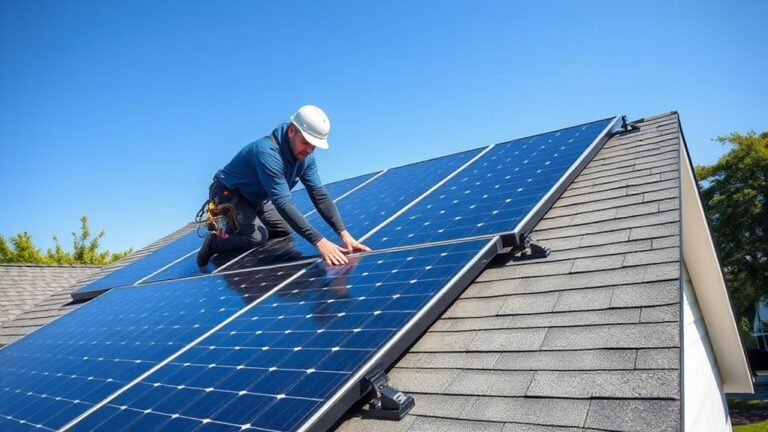
  • Will Solar Panels Damage My Roof and How to Install Them Safely

    Solar panels won’t damage your roof if installed properly. They actually protect it by shielding against rain and UV rays, which helps reduce wear.

    To keep your roof safe, have professionals inspect and repair it first. Use the correct mounts and make sure to waterproof carefully around fasteners.

    Avoid rushing the installation to prevent leaks or cracks. Regular maintenance is key to keeping both your roof and panels secure and efficient.

    If you want to understand the best steps for safe installation and upkeep, keep exploring.

  • How Will Solar Lights Charge on Cloudy Days?

    Your solar lights will still charge on cloudy days but at a slower rate since clouds reduce sunlight intensity. They capture diffuse light, so they don’t completely stop working, but expect shorter illumination times and dimmer brightness.

    Using features like high-quality solar cells and proper panel placement helps improve charging despite low light. If you want to know how to get the most from your solar lights on overcast days and when to contemplate backup options, keep exploring these tips.

  • Which Direction Do Solar Panels Face?

    You should face your solar panels south if you’re in the Northern Hemisphere and north if you’re in the Southern Hemisphere to maximize sunlight exposure. Near the equator, east or west-facing panels might work better due to the sun’s overhead path.

    Keep in mind, the right tilt angle matching your latitude and avoiding shading are just as important. Making these choices boosts efficiency and energy output.

    There’s more to take into account for seasonal changes and roof shape to get the most from your system. So, it’s not just about direction—there are a few other things to consider too!

  • 7 Zoning Requirements Needed for Building a Solar Farm

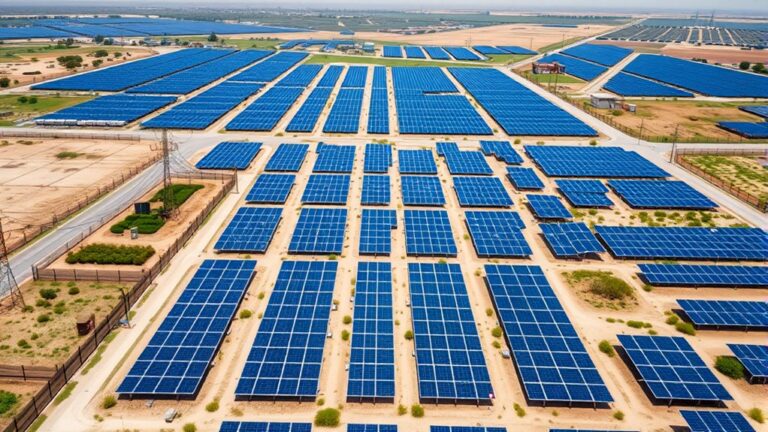
    You’ll need to understand land use and zoning districts to guarantee solar farms are allowed in your area, typically in agricultural or industrial zones. Obtain required building, environmental, and electrical permits early to avoid delays.

    Follow setback and buffer rules to protect neighbors and meet panel height and size limits to stay compliant. Protect local wildlife by minimizing habitat disruption and ensure proper site access and safety.

    Planning for decommissioning also matters. Keep going to uncover complete details and tips for success.

  • What Size Solar Panel Charges a 12V Battery?

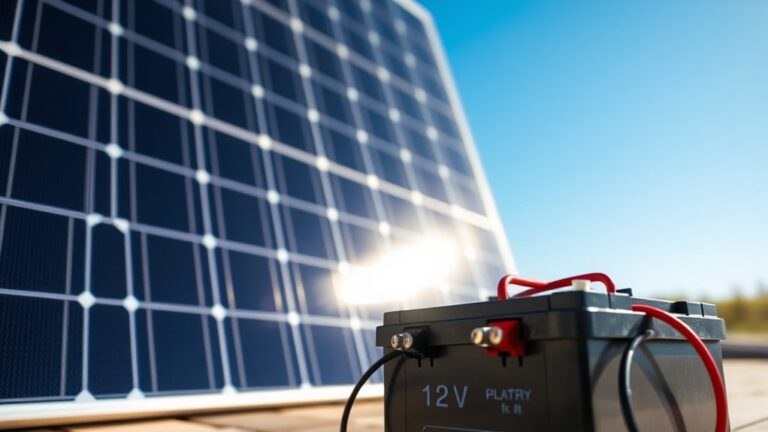
    To efficiently charge a 12V battery, choose a solar panel rated about 20-30% higher than your battery’s capacity. This margin accounts for sunlight variability and system losses, ensuring reliable charging even on cloudy days.

    Calculate panel size by dividing your daily energy use by peak sunlight hours, then add the extra wattage. Matching these correctly helps prolong battery life and avoid wasted energy.

    Keep this in mind, and you’ll find practical ways to optimize your whole solar setup. It’s all about balancing your needs with what the sun can give you.

  • What Size Solar Generator Do I Need

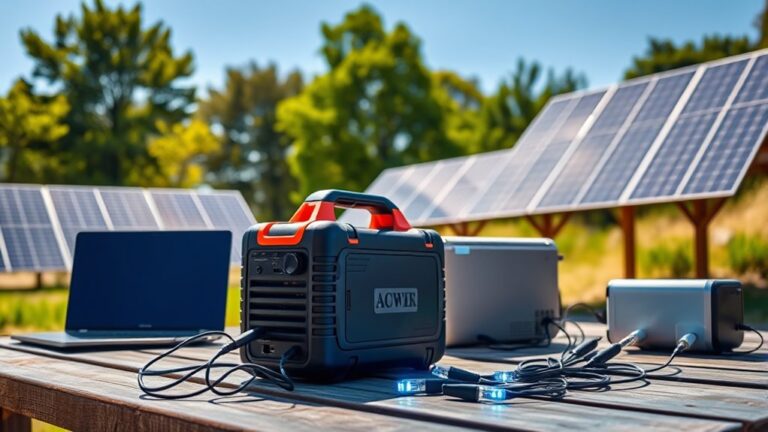
    You need to size your solar generator based on the devices you want to power and their daily energy use. Start by listing each device’s wattage and how long you’ll use it daily to calculate total watt-hours needed.

    Choose a battery capacity that matches or exceeds this, factoring in surge power for startup loads. Pair it with solar panels sized to recharge the battery within your available sunlight hours.

    Understanding these basics will help you find the perfect balance between portability and power. It’s all about knowing what you need and planning accordingly.

  • What Is C&I Solar and How Does It Work?

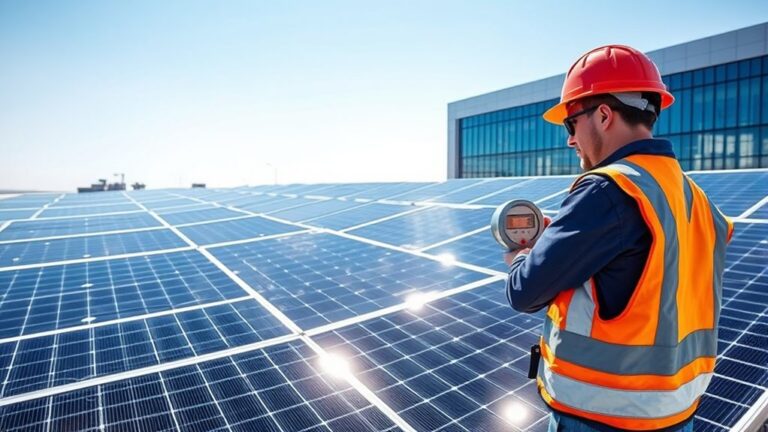
    C&I solar powers your business or industrial facility by converting sunlight into electricity on-site, cutting reliance on the grid and lowering energy costs. Solar panels capture sunlight to produce DC electricity, which an inverter changes to usable AC power for your operations.

    Excess energy can be stored or sent back to the grid for credits, boosting savings. You’ll also benefit from incentives and smarter energy use.

    Keep exploring to discover how to maximize these advantages for your facility. It’s easier than you might think!

  • What Happens If Your Solar Company Goes Out of Business?

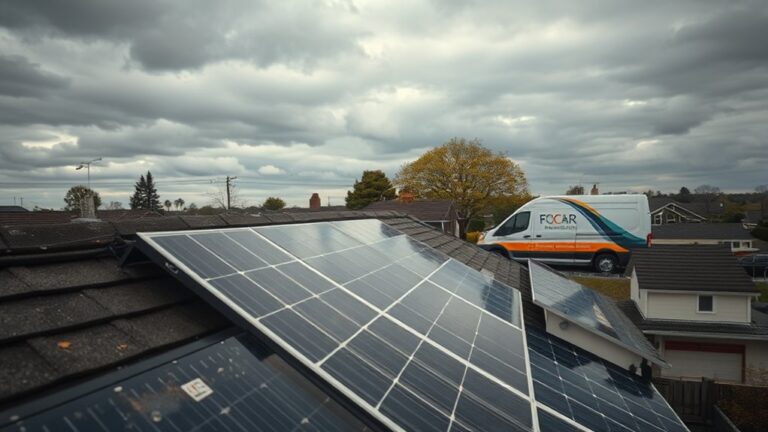
    If your solar company goes out of business, your panels will still generate power. But you might have a hard time with maintenance, repairs, and monitoring.

    Warranty coverage could become uncertain, especially if it’s not backed by a manufacturer or a third party. So, you’ll likely need to find new service providers to keep your system running smoothly.

    Remember, loan or lease obligations stay in effect no matter what. Keep exploring to learn how to check your company’s status, protect your warranty, and find reliable support.