Blog

  • How Long Does a Solar Panel Battery Last and How to Maximize It

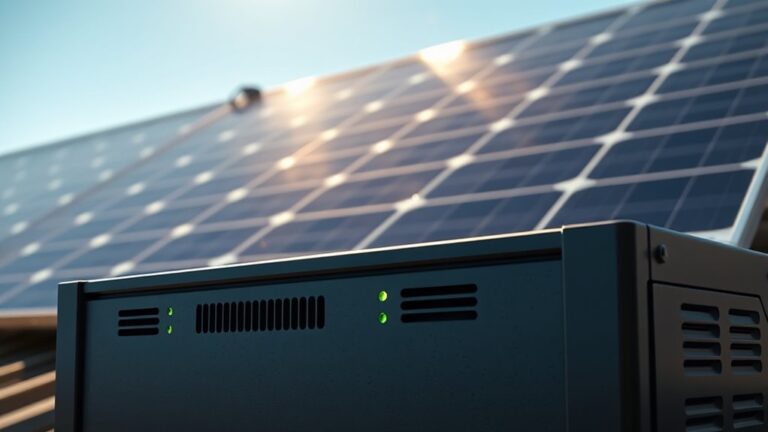
    You can expect your solar panel battery to last between 5 and 15 years, with lithium-ion types typically lasting the longest. To maximize lifespan, avoid extreme temperatures, prevent overcharging and deep discharges, and use a charge controller.

    Managing energy use—like shifting heavy tasks to daylight and keeping charge levels between 20-80%—also helps. Regular maintenance, such as cleaning terminals and storing batteries properly, boosts durability.

    Keep exploring to discover more practical ways to enhance your solar battery’s life. It’s worth the effort to get the most out of your investment!
  • How Long Do Solar Powered Lights Last and How to Guide

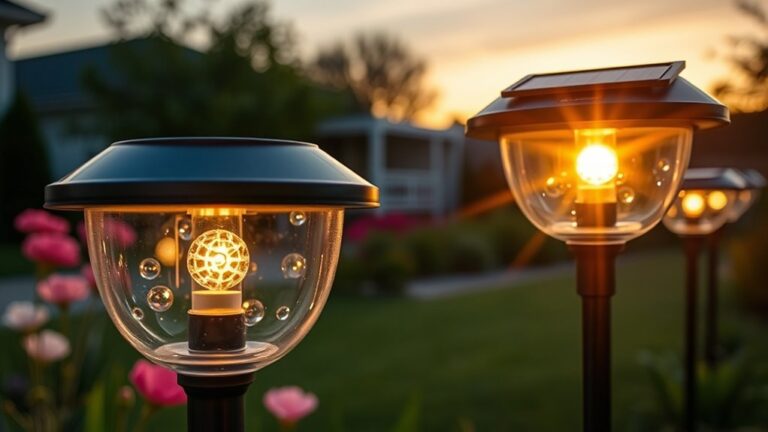
    You can expect your solar powered lights to last 2 to 5 years if you take care of them properly. Their lifespan depends on battery quality, solar panel condition, and exposure to weather.

    Regularly clean the panels and replace batteries every 1-2 years to keep them bright. Also, avoid shading the panels whenever possible.

    Using durable, weather-resistant materials helps a lot, and don’t forget to check connections often.

    If you want to boost your lights’ performance and solve issues quickly, there’s more helpful info ahead.

  • 7 Helpful Ways Solar Energy Benefits the Environment

    You benefit the environment every time you choose solar energy because it cuts greenhouse gas emissions by generating clean electricity without fossil fuels. It lowers air pollution, improving the air you breathe, and conserves water by using little to no water during operation.

    Solar energy protects wildlife habitats by minimizing land disruption and supports a circular economy with recyclable panels. By tapping into the sun’s power, you’re helping create a sustainable future worth exploring further.

  • What Determines How Fast Solar Wind Travels?

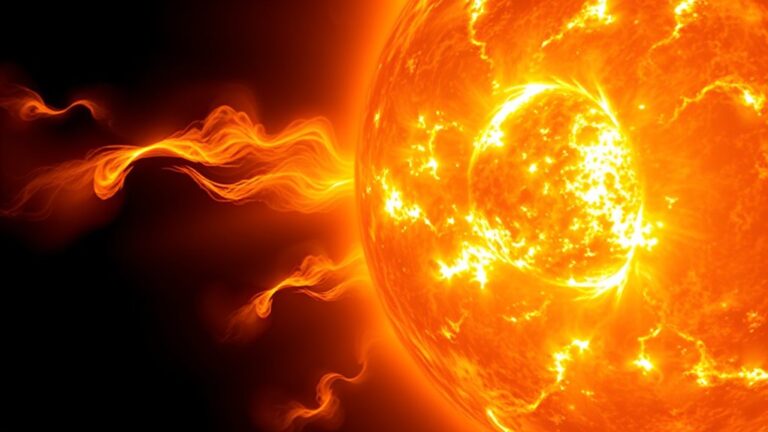
    You control how fast solar wind travels by understanding the Sun’s magnetic field, plasma density, and the wind’s origin on the Sun’s surface. Open magnetic fields in coronal holes let particles escape quickly, creating high-speed wind.

    In contrast, closed magnetic loops trap particles, slowing the wind down. Higher plasma density means more collisions, which also slows things. Where the wind starts and the magnetic environment guide its speed.

    Exploring these factors reveals more about solar wind behavior. It’s pretty fascinating how all these elements work together to affect the speed of solar wind!

  • How Does a Pool Solar Blanket Work Step-by-Step

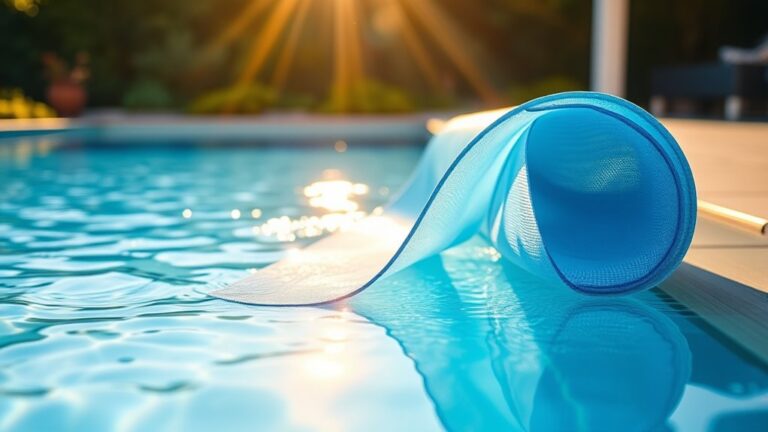
    You’ll start by placing the pool solar blanket bubble-side down on a clean pool surface, smoothing it out to avoid air pockets.

    Sunlight hits the blanket, where trapped bubbles capture and convert it into heat, warming your water. The blanket also insulates, reducing evaporation and heat loss, keeping your pool warm longer.

    This helps cut heater use and lowers energy bills. Keep it secure and maintained, and you’ll find more ways to boost its benefits ahead.

  • Do You Know If Your Solar Panels Are Working Properly?

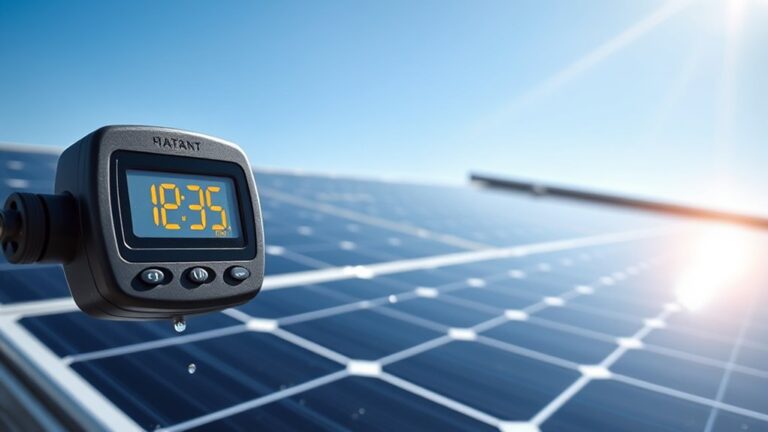
    You can tell if your solar panels are working properly by regularly checking their power output on the inverter display or using monitoring apps like SolarEdge or Enphase Enlighten.

    Keep an eye out for drops caused by dirt, shading, or debris, and clean panels as needed.

    If output stays low despite maintenance, a professional check might be needed.

    Understanding these basics helps you maximize your system’s efficiency and avoid costly issues down the line.

  • How Do I Start a Solar Farm in 10 Essential Steps?

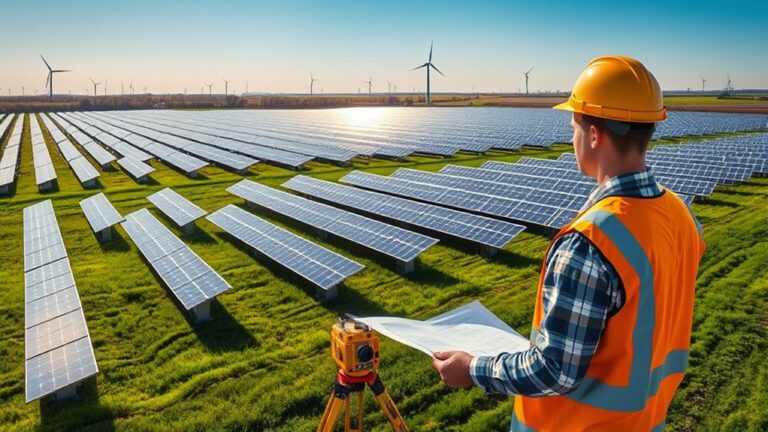
    To start a solar farm, first pick a sunny, stable site near power lines with minimal shading. Check local zoning and get all permits lined up early.

    Secure financing and assemble a skilled team to manage construction and equipment selection, like panels and inverters. Designing an efficient layout is super important too.

    Next, connect your farm to the grid and keep a close eye on its performance. Regular maintenance is key to long-term success.

    Keep exploring to uncover detailed steps that guarantee your project runs smoothly and profitably. You’ll want to make sure every part of the process is covered.

  • Does Solar Salt Melt Ice?

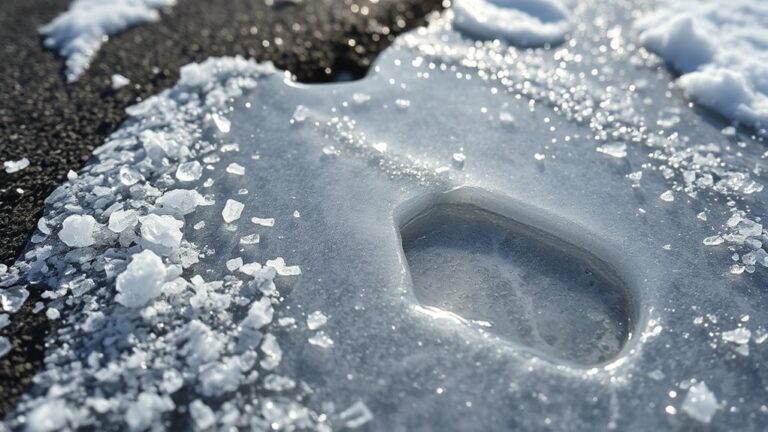
    Yes, you can use solar salt to melt ice because it dissolves into a thin water layer, lowering the freezing point and breaking up the ice. It works best in moderate cold above 20°F (-6°C) and is more refined than rock salt, so it melts ice quickly and evenly.

    It’s also environmentally friendly and safer for plants and concrete. If you want to know when solar salt is your best choice and how to use it safely, keep exploring.

  • How Do Solar Panels Work at Night: A Practical Guide

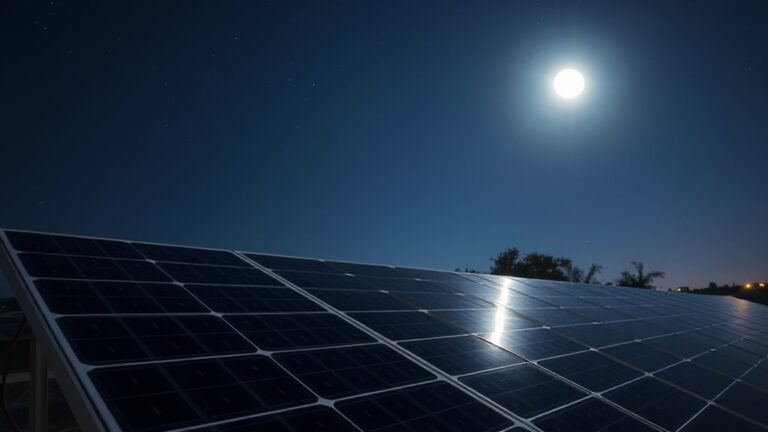
    Solar panels generate electricity by converting sunlight into power, so they don’t produce energy at night when there’s no sun.

    To keep your home running after dark, you can store excess solar energy in batteries during the day or rely on the utility grid as a backup.

    Emerging technologies and smart energy use can help you maximize nighttime solar power.

    Keep exploring to discover the best ways to maintain power around the clock.

  • Do Solar Panels Need Direct Sunlight to Work?

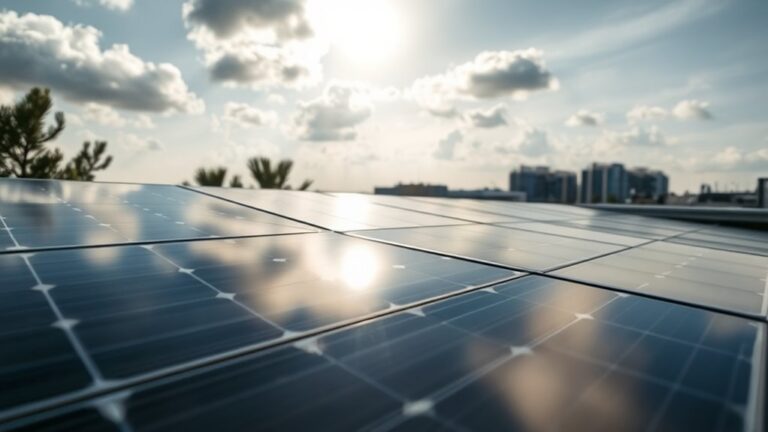
    You don’t need direct sunlight for your solar panels to generate power—they still work with diffused or indirect light on cloudy or shaded days. While efficiency drops without full sun, your panels keep producing electricity from scattered rays.

    Cleaning your panels and positioning them well can help boost output even when conditions aren’t perfect. If you want to know how weather, placement, and technology impact performance, there’s more to explore.