
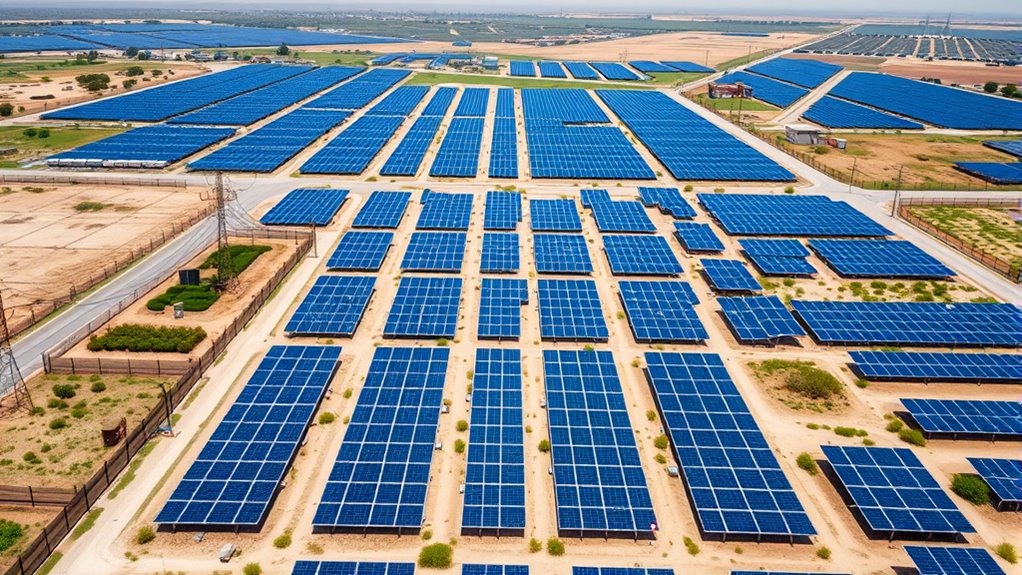
7 Zoning Requirements Needed for Building a Solar Farm
You’ll need to understand land use and zoning districts to guarantee solar farms are allowed in your area, typically in agricultural or industrial zones. Knowing these zoning requirements is crucial for building a solar farm without any legal hiccups.
Make sure to obtain required building, environmental, and electrical permits early to avoid delays. It’s always better to get these sorted out upfront so you don’t hit roadblocks later in the process.
Follow setback and buffer rules to protect neighbors, and meet panel height and size limits to stay compliant. These rules help keep your solar farm running smoothly and maintain good relationships with the community.
Protect local wildlife by minimizing habitat disruption and ensure proper site access and safety. Thinking about these factors early on means fewer surprises down the line.
Planning for decommissioning also matters. You’ll want to have a clear plan for what happens when the solar farm reaches the end of its life.
Keep going to uncover complete details and tips for success. There’s a lot to cover, but with the right info, you’ll be set up for success!
Key Takeaways
- Confirm the solar farm is allowed in agricultural, industrial, or open space zoning districts.
- Obtain necessary building, environmental, and electrical permits from local authorities.
- Comply with setback rules requiring specific distances from property lines and roads.
- Adhere to panel height and size limits set by local zoning codes.
- Conduct environmental assessments and plan buffers to protect sensitive habitats and water bodies.
Understand Land Use and Zoning Districts for Solar Farms
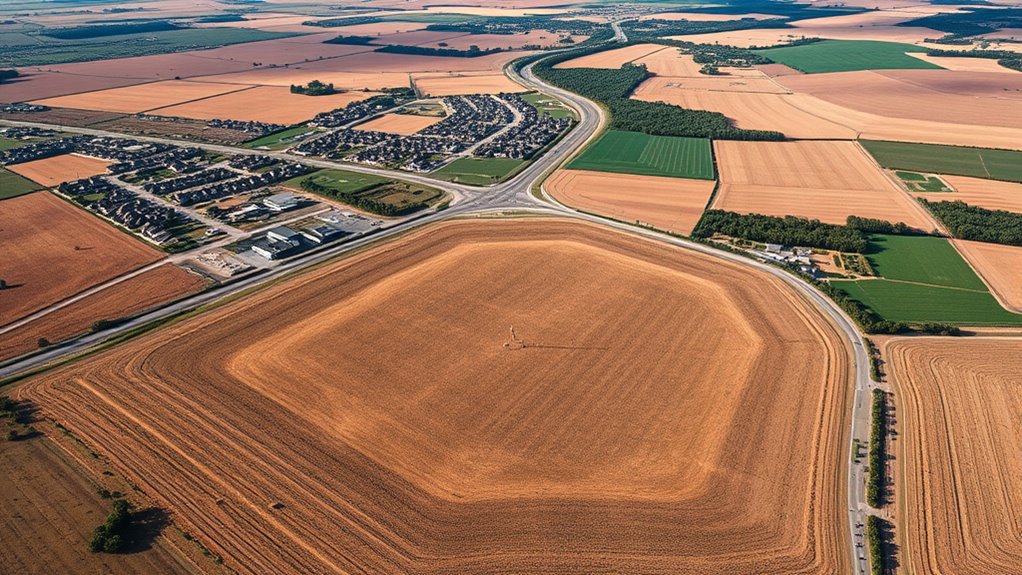
Where can you build a solar farm? You need to focus on land use and zoning districts first. Solar farms typically fit best in agricultural, industrial, or open space zones.
Residential zones usually restrict or prohibit large solar installations due to aesthetic and safety concerns. So, it’s important to check your local zoning maps and regulations to identify which districts allow solar farms as a permitted or conditional use.
You’ll want to avoid areas with strict land-use controls or those designated for conservation or protected habitats. Understanding these rules upfront saves you time and effort.
Obtain Required Permits and Approvals Before Building
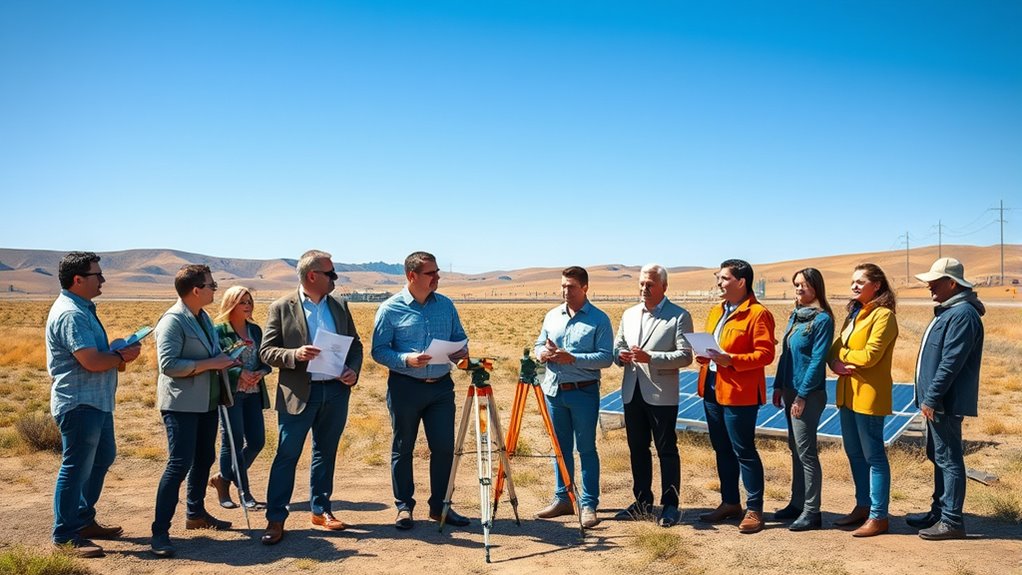
After pinpointing the right zoning district for your solar farm, your next step is to secure all necessary permits and approvals before construction begins. This guarantees your project complies with local, state, and federal regulations and avoids costly delays.
Here are the key permits you’ll likely need:
- Building Permit – Confirms your plans meet safety and construction codes.
- Environmental Permits – Addresses potential impacts on wildlife, water, and land.
- Electrical Permit – Ensures your solar installation meets electrical standards and grid connection rules.
Start by contacting your local planning department to get specific requirements. Gathering these permits early helps keep your project on track and legally sound.
This way, you’ll pave the way for smooth construction and operation of your solar farm.
Follow Setback and Buffer Rules to Protect Neighbors
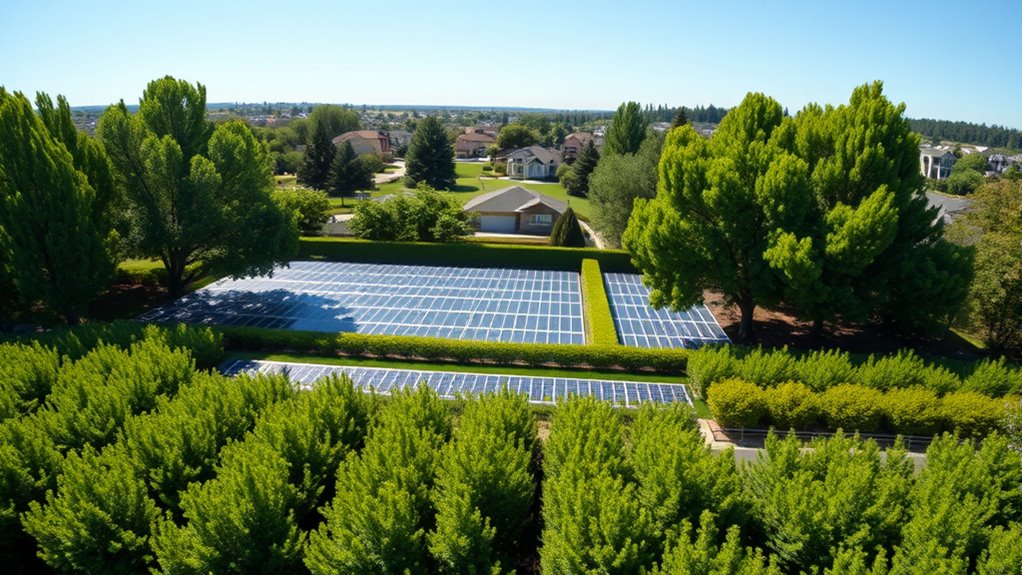
Although zoning laws vary, you must follow setback and buffer rules to minimize the impact of your solar farm on neighboring properties. Setbacks require you to position your panels a specific distance from property lines, roads, or structures, reducing noise, glare, and visual disruption.
Buffers, such as landscaping or fencing, provide additional protection by screening your solar farm from neighbors’ views and helping control dust or debris. Pay close attention to local regulations to guarantee you meet these requirements, as failing to do so could delay your project or result in fines.
Meet Height and Size Limits for Solar Farm Panels
Ensuring your solar farm respects neighbors’ space goes beyond setbacks and buffers—you also need to meet height and size limits for your panels. These restrictions help maintain the local aesthetic and prevent your solar farm from overshadowing nearby properties.
Respecting neighbors means meeting panel height and size limits to preserve aesthetics and avoid overshadowing.
Here’s what you should focus on:
- Maximum Panel Height: Check local zoning codes to find the allowed maximum height. It’s often between 8 to 15 feet. This helps avoid visual obstruction and keeps you in line with safety regulations.
- Panel Size Restrictions: Some areas limit the surface area of individual panels or arrays. This is usually to control glare and make sure land use is efficient.
- Overall Farm Dimensions: Make sure your entire solar array stays within the permitted footprint size. That way, you avoid zoning violations and potential fines.
Meeting these limits keeps your project compliant and community-friendly. It’s a small step that goes a long way!
Protect Local Wildlife and Environment
Because solar farms interact directly with natural habitats, you’ll need to take steps to protect local wildlife and the environment. Start by conducting an environmental impact assessment to identify sensitive species and ecosystems on or near your site.
You’ll want to design your solar farm layout to minimize habitat disruption, preserving natural vegetation and avoiding critical breeding or migration areas. Implementing buffer zones around water bodies and nesting sites can help safeguard biodiversity.
Use native plants for ground cover to prevent soil erosion and support pollinators. Also, avoid using harmful chemicals for maintenance, opting for eco-friendly alternatives instead.
Ensure Access, Road, and Safety Compliance on Site
When planning your solar farm, you’ll need to provide clear access routes for construction, maintenance, and emergency vehicles. This helps keep operations running smoothly.
Ensuring proper road design and safety compliance is essential to meet zoning regulations and protect everyone on site. Let’s focus on some key points to get it right.
First, design all-weather roads with enough width to handle heavy equipment and emergency vehicles without delays. This prevents hold-ups and keeps things moving.
Next, install proper signage and lighting to guide drivers safely, especially when visibility is low. It’s a simple step that makes a big difference.
Finally, implement safety protocols that comply with local codes. This includes barriers, speed limits, and emergency access points to keep everyone safe.
Plan Solar Farm Decommissioning and Site Restoration
Although your solar farm will serve its purpose for many years, you’ll need to plan for decommissioning and site restoration well in advance. Start by outlining how you’ll safely dismantle solar panels, wiring, and equipment once the project ends.
Consider environmental impacts and guarantee you follow local regulations for waste disposal and recycling. You’ll also need to restore the land to its original condition or meet any zoning requirements, which might include soil remediation or replanting vegetation.
Budgeting for these activities upfront prevents unexpected costs later. Including a clear decommissioning plan in your zoning application demonstrates responsibility and helps obtain approval.
Frequently Asked Questions
How Much Does It Cost to Build a Solar Farm?
You’ll typically spend about $1 million per megawatt to build a solar farm. Costs vary based on location, size, and equipment quality.
But if you plan carefully, you can manage expenses and make the most of your investment. It’s all about balancing the factors to fit your specific situation.
What Is the Average Energy Output of a Solar Farm?
Your solar farm can produce around 1 to 3 megawatts of energy, like a sun-powered engine humming steadily.
This output fuels hundreds of homes, turning sunlight into a reliable, green energy stream you control.
How Long Does It Take to Construct a Solar Farm?
It usually takes you 6 to 12 months to construct a solar farm, depending on size, location, and permits. You’ll coordinate site preparation, panel installation, wiring, and testing before it’s fully operational.
Of course, every project is different. Sometimes things move faster, sometimes a bit slower, but that’s the general timeline you can expect.
Can Solar Farms Be Installed on Agricultural Land?
Yes, you can install solar farms on agricultural land, but you’ll need to check local regulations and zoning laws. Many areas allow it, especially if you plan dual-use farming or temporary setups alongside energy production.
It’s a good idea to look into the specific rules in your area first. That way, you can make sure everything is compliant before you start.
What Are the Tax Incentives for Solar Farm Owners?
Imagine sunlight turning into cash; you can tap federal tax credits, state incentives, and accelerated depreciation to boost your solar farm’s profits.
These benefits cut costs, making your investment shine brighter and pay off faster. It’s like giving your solar project a financial boost that really adds up.
Conclusion
Building your solar farm isn’t just about catching rays—it’s about steering zoning like a skilled captain steering through a well-charted course. By understanding land use, securing permits, and respecting setbacks, you’re laying a strong foundation for success.
Protecting the environment is equally important, so make sure you’re mindful of local regulations and natural habitats. Stay prepared for access and decommissioning challenges, too, because these can impact your project down the line.
With the right planning and attention to zoning requirements, your solar project will shine bright. Following these zoning essentials isn’t just about rules—it’s about lighting the way for a greener future. When you navigate land use, permits, setbacks, and environmental protections carefully, you turn vision into a sustainable reality that benefits everyone.





One Comment