Which Direction Do Solar Panels Face?
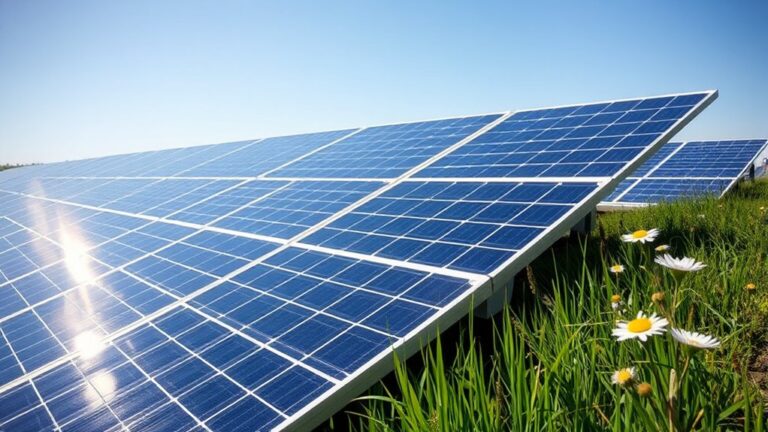
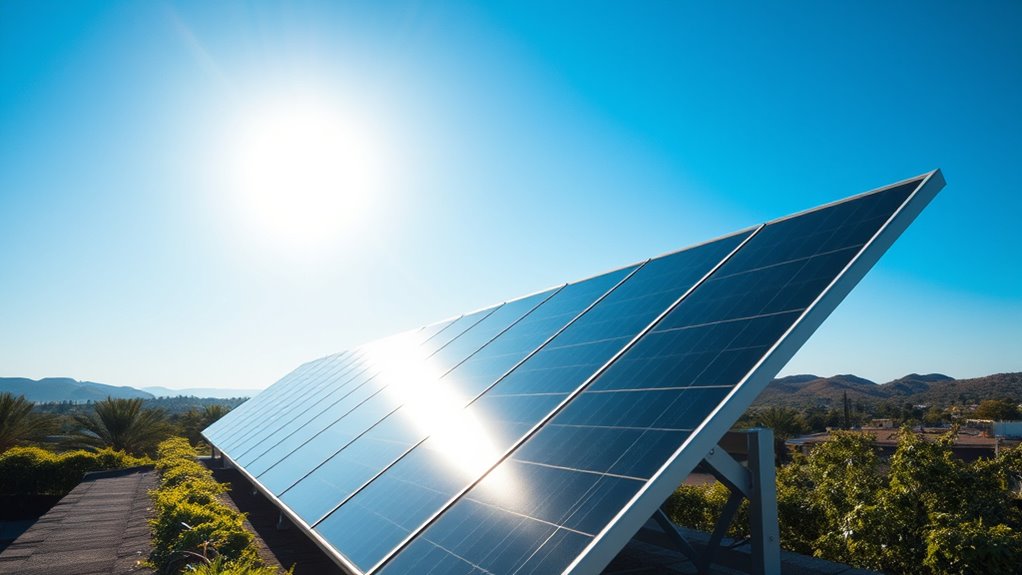
You should face your solar panels south if you’re in the Northern Hemisphere and north if you’re in the Southern Hemisphere to maximize sunlight exposure. This direction helps capture the most sun throughout the day, boosting your system’s efficiency and energy output.
Near the equator, things are a bit different. East or west-facing panels might work better because the sun passes almost directly overhead. So, depending on your location, adjusting the direction makes a big difference.
Keep in mind, the right tilt angle matching your latitude and avoiding shading are just as important. These factors help your panels soak up sunlight consistently all year round.
Also, think about seasonal changes and your roof’s shape when setting up your system. Taking these into account will help you get the most from your solar panels.
Key Takeaways
- In the Northern Hemisphere, solar panels should face south to maximize sunlight exposure and energy production. This direction helps capture the most sun throughout the day.
- In the Southern Hemisphere, panels oriented north capture the most sunlight throughout the day. It’s basically the opposite of the Northern Hemisphere.
- Near the equator, east- or west-facing panels can be effective due to the sun’s overhead path. This gives some flexibility depending on your specific location.
- Proper panel direction ensures consistent sunlight absorption, boosting efficiency and daily power output. So, it really pays off to get the orientation right.
- Local geographic location, sun path, and shading must be considered to determine the optimal panel orientation. Every spot’s a bit different, so these factors matter a lot.
Best Solar Panel Direction by Region
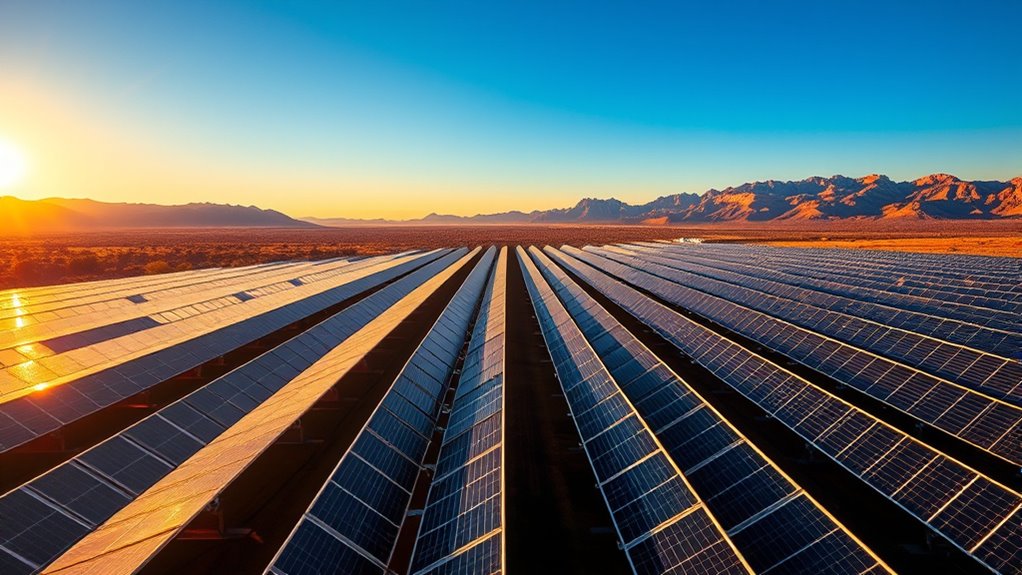
Where should you point your solar panels to get the most energy? It depends largely on your region.
The ideal solar panel direction varies by region to maximize energy capture efficiently.
If you live in the Northern Hemisphere, especially in the U.S. or Europe, facing your panels south usually captures the most sunlight throughout the day. In the Southern Hemisphere, like Australia or South Africa, you’ll want to orient them north for ideal exposure.
Near the equator, the best direction can be more flexible since the sun travels nearly overhead. So, east or west-facing panels might work well depending on your peak energy needs.
Also, the tilt angle matters alongside direction, but that’s another topic. By adjusting your solar panel placement based on where you live, you can maximize energy production and get better returns on your investment.
How Solar Panel Direction Affects Efficiency
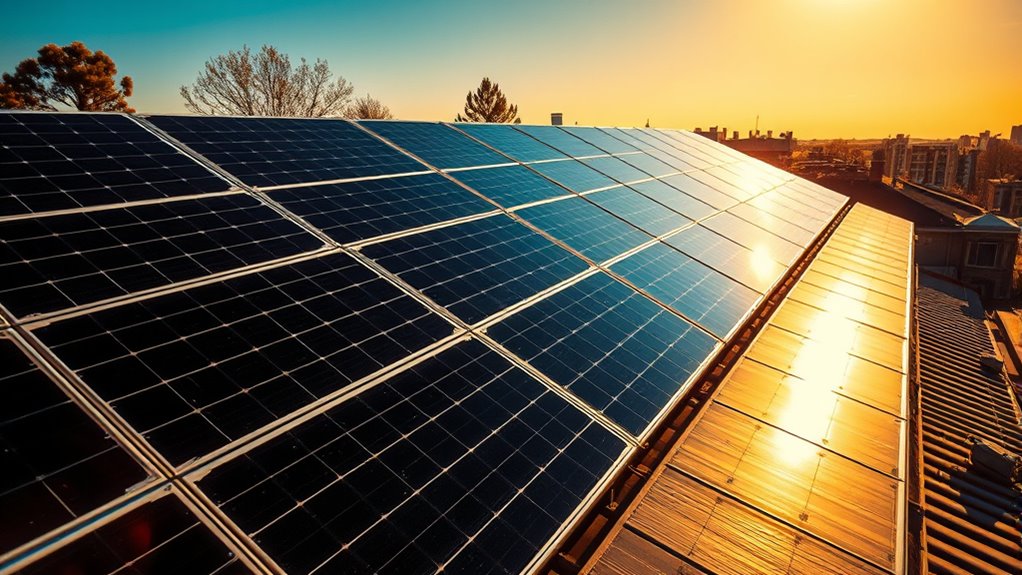
Adjusting your solar panel’s direction based on your location is just one part of enhancing performance. When you point your panels toward the sun’s path, you maximize the amount of sunlight they capture, directly boosting their energy output.
Even small deviations can cause noticeable drops in efficiency, especially during peak sunlight hours. For example, panels facing too far east or west miss ideal midday sun, reducing power generation.
You want your panels to catch as much direct sunlight as possible throughout the day, so direction plays a key role. While other factors like shading and panel quality matter, getting the direction right ensures you don’t leave potential energy on the table.
In short, solar panel direction greatly influences how much power you can produce daily.
Determining the Ideal Tilt Angle and Orientation
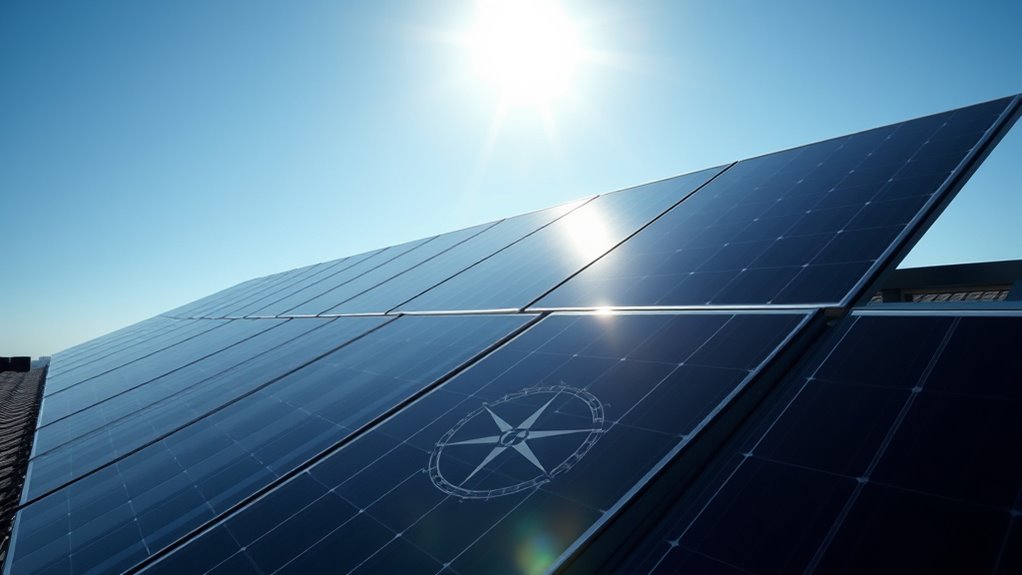
You’ll want to set your solar panels at the ideal tilt angle to capture the most sunlight throughout the year. Facing them south usually maximizes exposure, but adjusting the angle seasonally can boost efficiency even more.
Let’s explore how to find the best setup for your location. It’s not as tricky as it sounds, and a few simple tweaks can make a big difference!
Optimal Tilt Angle
Although the direction your solar panels face plays an important role, their tilt angle considerably impacts how much sunlight they capture. To maximize efficiency, you’ll want to adjust the tilt based on your location and seasonal changes.
Here’s what you should consider:
- Latitude-Based Tilt: A good rule of thumb is to set your panels’ tilt angle equal to your location’s latitude for year-round performance.
- Seasonal Adjustments: Tilt panels steeper in winter to capture lower sun angles and flatter in summer for high sun positions.
- Fixed vs. Adjustable Mounts: Fixed angles are simpler but adjustable mounts can boost output by adapting to the sun’s changing height throughout the year.
South-Facing Orientation
Why does facing your solar panels south make such a difference? In the northern hemisphere, south-facing panels capture the most sunlight throughout the day. By orienting your panels this way, you maximize exposure to direct sunlight, improving energy production.
When you position your panels due south, you guarantee they receive sunlight from morning until evening, reducing shading losses. Pairing this orientation with the ideal tilt angle—usually matching your latitude—optimizes how sunlight hits the panels.
This setup helps your system perform efficiently year-round without needing constant adjustments. So, if you want to get the most from your solar investment, aiming your panels south at the right tilt angle is a smart, straightforward choice that boosts your energy output consistently.
Seasonal Angle Adjustments
Since the sun’s position changes with the seasons, adjusting your solar panels’ tilt angle can considerably boost their efficiency. By changing the tilt, you capture more sunlight when the sun is lower in the sky during winter or higher during summer.
To find the ideal angle, try this: increase the tilt angle by about 15° in winter to catch those lower sun rays. Then, decrease the tilt angle by about 15° in summer when the sun is overhead.
You can also set the tilt angle close to your location’s latitude for a good year-round balance. If your system allows it, adjusting orientation seasonally can help too, optimizing energy output throughout the year.
Small tweaks like these really make a big difference in maximizing your solar investment. It’s worth the effort!
How Your Roof and Yard Shape Affect Panel Placement
When planning solar panel installation, your roof’s shape and the layout of your yard play a crucial role in determining the best placement. If your roof has multiple slopes or sections, you’ll need to identify which side gets the most sunlight during the day.
South-facing roofs usually work best, but east or west-facing segments might be viable if shading is minimal. Your yard’s size and any trees, fences, or structures also affect where panels can go.
If your roof space is limited or shaded, ground-mounted panels in your yard might be a better option. You’ll want to choose spots with clear sun exposure and easy access for maintenance.
Taking these factors into account guarantees your panels efficiently capture sunlight and maximize energy production.
Adjusting Solar Panel Direction for Seasonal Changes
Once you’ve figured out the best spot for your solar panels based on your roof and yard, you can start focusing on optimizing their angle and direction throughout the year. Seasonal changes affect the sun’s position, so adjusting your panels can really boost their efficiency.
In winter, the sun sits lower, so tilting the panels steeper helps them catch more sunlight. During summer, a flatter angle works better because the sun is higher in the sky.
To adjust effectively, consider these tips:
- Change tilt angles by 10-15 degrees between seasons.
- Use adjustable mounts if possible to make tweaks easier.
- Track local sunrise and sunset shifts to fine-tune panel orientation.
Solar Panel Positioning Mistakes to Avoid
You can’t maximize energy if your panels have the wrong tilt angle.
Don’t ignore shading from trees or nearby buildings—it cuts power output more than you think.
Avoid these common mistakes to get the most from your solar setup.
Incorrect Tilt Angles
How can an incorrect tilt angle reduce your solar panels’ efficiency? When your panels aren’t tilted right, they won’t capture the sun’s rays as effectively. This cuts down your energy output.
You want to match your panels’ tilt to your location’s latitude and the season for maximum sunlight exposure. It’s all about getting the most from the sun.
Here are three key reasons to avoid incorrect tilt angles:
- Reduced sunlight absorption, especially during peak hours
- Increased dirt and debris buildup, lowering panel performance
- Seasonal mismatch causing underperformance in winter or summer
Overlooking Shading Issues
Although many focus on tilt angles and direction, overlooking shading issues can drastically cut your solar panels’ efficiency. Even small shadows from trees, chimneys, or nearby buildings can reduce energy output considerably.
You might think partial shading isn’t a big deal, but it can cause hotspots and damage panels over time. When planning your installation, carefully assess your site throughout the day and year to spot potential shade.
Don’t just rely on a quick glance; use tools or apps that simulate shading patterns. Position panels where they’ll get consistent sunlight, avoiding areas prone to shadows especially during peak sun hours.
Frequently Asked Questions
How Do Weather Conditions Impact Solar Panel Performance?
Weather conditions directly affect your solar panel’s performance. Clouds reduce sunlight, lowering energy output, while snow can block panels.
But here’s the good news: cool temperatures can actually improve efficiency. So, your panels work best with clear, sunny, and cool weather.
Can Solar Panels Be Installed on Flat Roofs?
Of course, you can slap solar panels on a flat roof—because who needs angles or efficiency, right?
But seriously, you’ll just tilt them properly to catch sunlight and avoid puddles, ensuring they actually work instead of sunbathing.
What Maintenance Is Required for Solar Panels?
You’ll need to clean your solar panels regularly to remove dirt and debris. This helps them work efficiently and soak up as much sunlight as possible.
Also, keep an eye out for any shading issues that might block the sun. It’s a good idea to inspect the wiring and mounts for any signs of damage too.
And don’t forget to schedule professional inspections every few years. This way, you can make sure everything is running safely and at peak performance.
Are There Tax Incentives for Solar Panel Installation?
You’ll find tax incentives shining like hidden treasure! Many governments offer credits and rebates to ease your solar panel installation costs.
Don’t miss out—these savings can brighten your wallet while powering your home sustainably. It’s a smart way to save money and go green at the same time!
How Long Do Solar Panels Typically Last?
Solar panels typically last around 25 to 30 years, but you can expect them to keep producing electricity beyond that with slightly reduced efficiency.
Regular maintenance helps you maximize their lifespan and energy output.
Conclusion
Just like a sunflower turns to soak up the sun, you’ll want your solar panels facing the right way to catch every ray. By aligning them properly and adjusting for the seasons, you’ll maximize your energy harvest and avoid common pitfalls.
Remember, your panels aren’t just roof decorations—they’re your personal power plants. So, give them the perfect direction and angle, and watch your savings—and your green footprint—grow!
Facing solar panels in the optimal direction is key to boosting energy efficiency. When installed correctly, they capture more sunlight throughout the day, which means more electricity and lower utility bills. Plus, with the right angle, your panels can perform well even as the seasons change.
In short, setting your solar panels to face the right direction doesn’t just improve energy output; it also helps reduce your carbon footprint. So, take some time to find the best orientation for your solar system and enjoy the benefits of clean, cost-effective power for years to come.