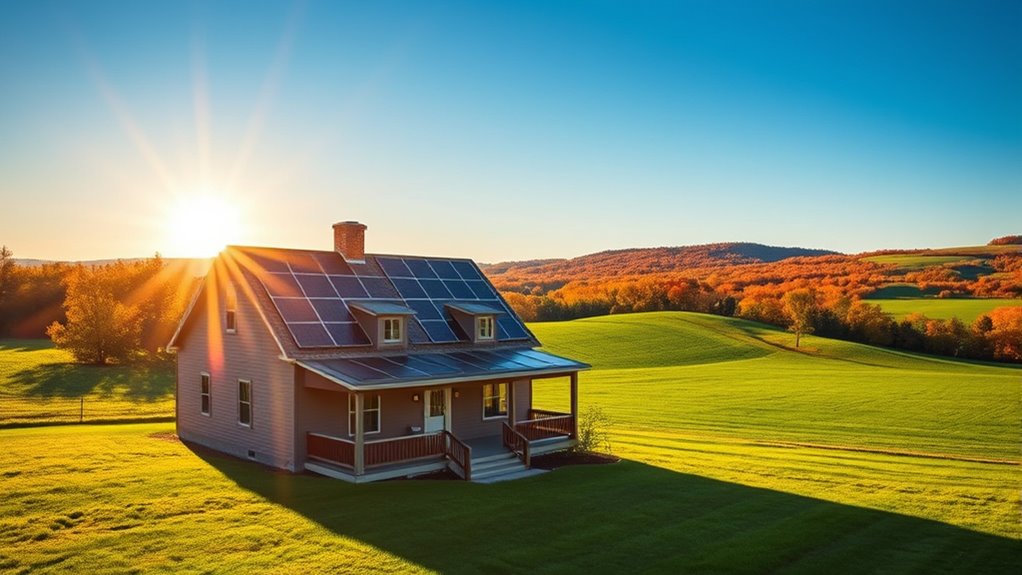
5 Reasons Solar Panels Are Worth It in Vermont
You’ll save money installing solar panels in Vermont thanks to cooler temperatures that boost efficiency and snow that reflects sunlight. These natural factors make solar power more effective here than you might think.
Plus, strong local incentives like tax credits and rebates make going solar affordable for many homeowners.
Solar power cuts your energy bills year-round, even during winter’s shorter days. It’s a reliable way to keep your home powered without breaking the bank.
Plus, you’ll shrink your carbon footprint by using clean energy and increase your home’s value with a sustainable upgrade. Solar panels not only help the planet but also make your property more attractive to future buyers.
Keep exploring to see how these benefits fit your lifestyle and why solar panels are a smart choice in Vermont.
Key Takeaways
- Vermont’s cool climate and reflective snow improve solar panel efficiency and energy production year-round.
- Plus, state and federal tax credits, along with local rebates, make installing solar panels more affordable than you might think.
- Solar panels help cut down your electricity bills no matter the season. Whether it’s snowy winters or hot summers, they keep saving you money.
- On top of that, using solar power lowers carbon emissions, which helps protect Vermont’s beautiful natural environment.
- And here’s a bonus: homes with solar panels tend to sell faster and at higher prices. You’ll also recover a big chunk of your installation cost when you sell.
Why Vermont’s Climate Is Great for Solar Panels
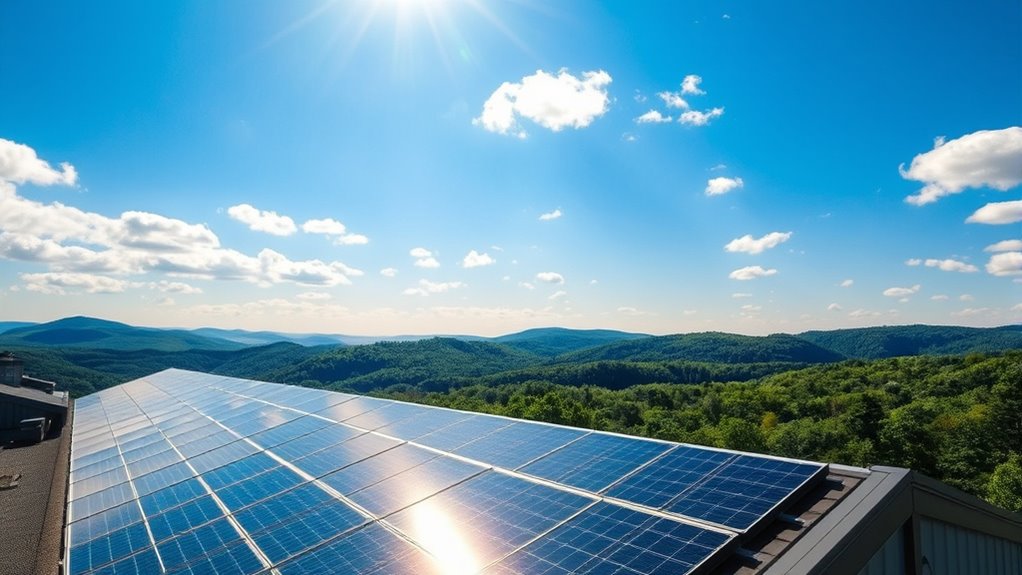
Vermont’s climate offers unique advantages for solar panels that you might not expect. You might assume Vermont’s cold, snowy winters would reduce solar efficiency, but the opposite is often true.
Solar panels actually perform better in cooler temperatures because excessive heat can lower their efficiency. Plus, snow can reflect sunlight onto your panels, boosting energy production on bright winter days.
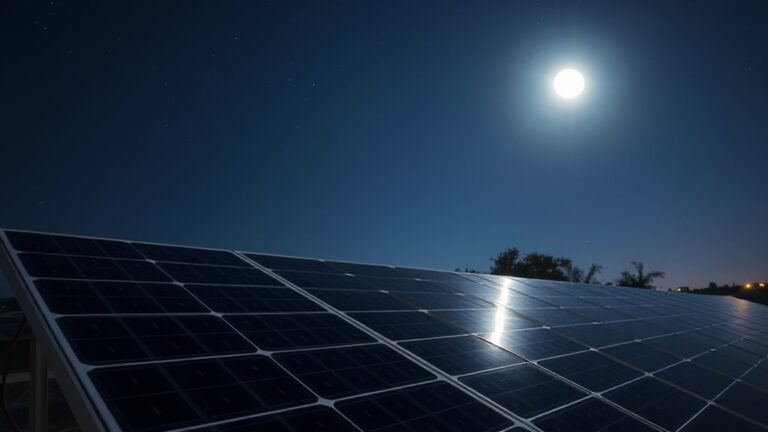
Vermont’s longer daylight hours in summer also help you generate plenty of power when the sun is at its peak. Even on cloudy days, solar panels still produce energy, so you won’t lose out entirely.
Choosing solar in Vermont means you get reliable, year-round benefits, making it a smart investment despite the state’s northern location. It really is a great place for solar!
Local Incentives That Make Solar Affordable in Vermont
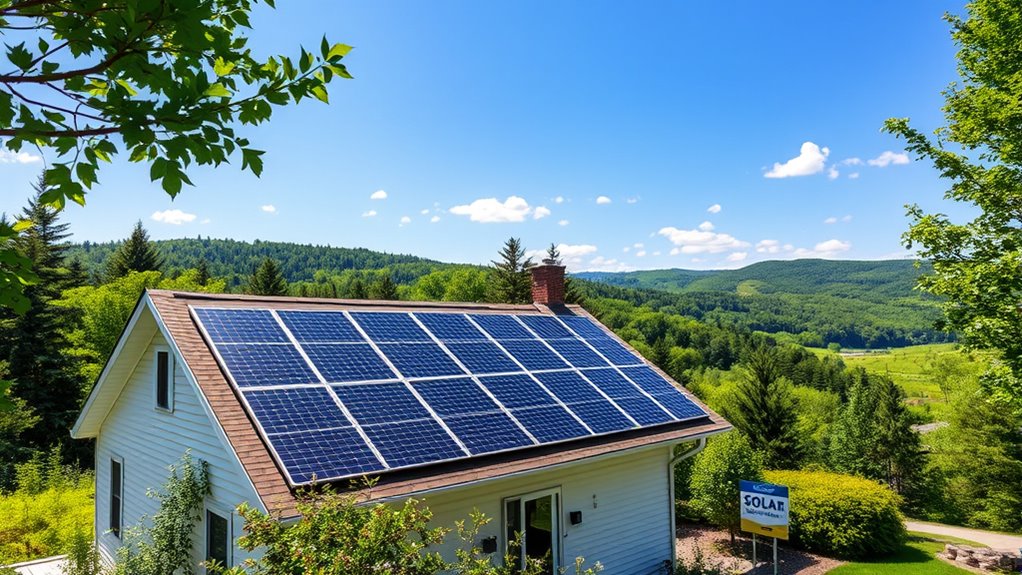
The benefits of solar energy in Vermont don’t stop at its climate. You’ll find plenty of local incentives that make solar panels more affordable, helping you save upfront and long-term.
Here are some key programs you can take advantage of:
Explore essential solar incentives that make going solar in Vermont easier and more affordable.
- Vermont Solar Investment Tax Credit reduces your state tax liability.
- Federal Solar Tax Credit (ITC) lets you deduct a significant portion of your installation costs.
- Net Metering Program credits your energy production against your electricity bill.
- Vermont’s Renewable Energy Standard encourages utilities to support solar expansion.
- Local utility rebates offer additional cash incentives for solar installation.
These incentives lower your initial costs and boost your solar investment’s value. By tapping into them, you’re making solar power even more accessible and budget-friendly in Vermont.
How Solar Panels Cut Your Energy Bills in Every Season
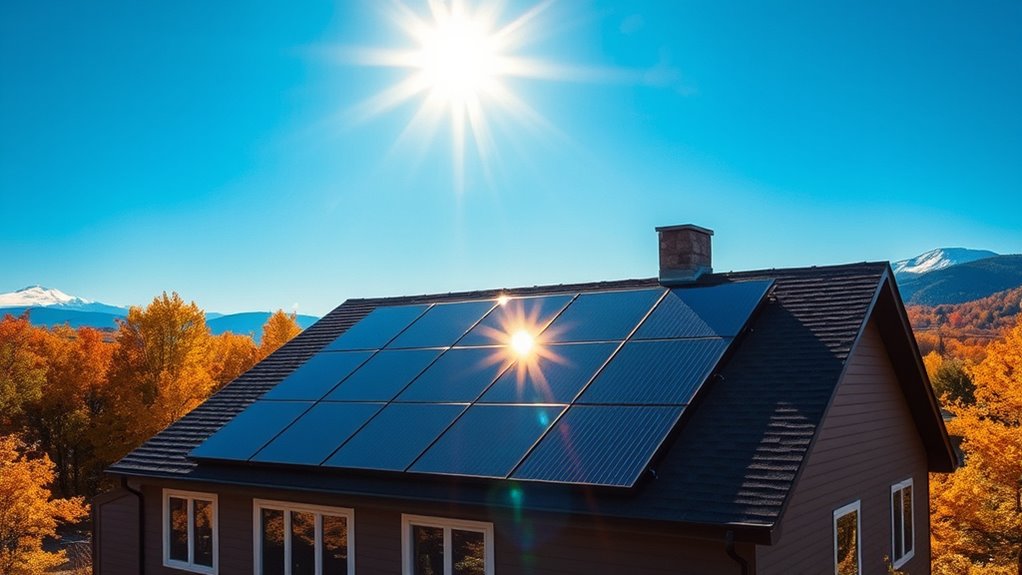
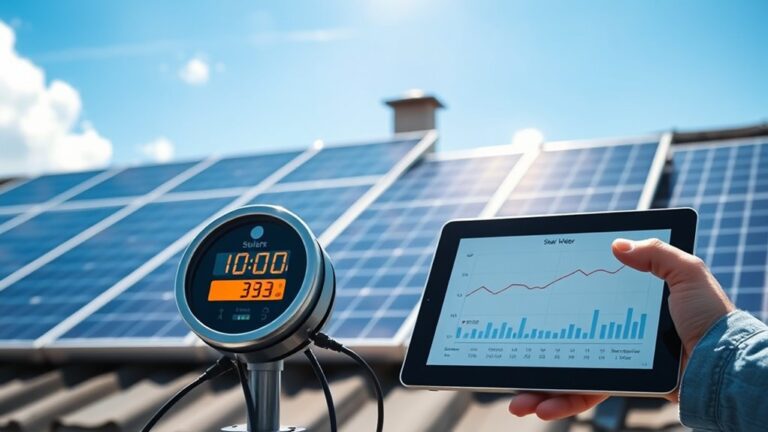
Although energy needs shift throughout the year, solar panels can consistently lower your electricity bills by generating clean power during every season. In winter, shorter days and snow might seem like obstacles, but panels still capture sunlight efficiently, reducing your reliance on the grid.
Spring and fall bring moderate weather and longer daylight, allowing your system to produce ample energy and offset your consumption. Even in summer, when energy use spikes due to cooling, your solar panels deliver peak performance, cutting costs substantially.
Why Solar Power Helps Vermont Residents Reduce Their Carbon Footprint
Saving money on energy bills is just one of the benefits you gain from solar panels in Vermont. More importantly, you actively shrink your carbon footprint by switching to this clean energy source.
Here’s how solar power helps: it reduces reliance on fossil fuels, cutting greenhouse gas emissions. Solar panels generate electricity without air or water pollution.
You also lower demand on Vermont’s grid, which still uses some non-renewable energy. Since solar energy is renewable, it won’t deplete natural resources.
By producing your own power, you’re contributing to a sustainable future. Choosing solar means you’re taking direct action against climate change.
Plus, you get to protect Vermont’s beautiful environment while enjoying clean, green energy every day.
How Solar Panels Boost Vermont Home Value
When you install solar panels on your Vermont home, you’re not just cutting energy costs—you’re also increasing your property’s market value. Buyers today look for energy-efficient features, and solar panels make your home more attractive.
Studies show homes with solar systems sell faster and at higher prices than those without. You’ll likely recoup a significant portion of your investment when you sell, thanks to the added appeal and lower utility expenses.
Plus, solar panels signal a commitment to sustainability, which resonates with many Vermont buyers. By choosing solar, you’re enhancing your home’s worth while contributing to a greener future.
It’s a smart upgrade that pays off both monthly and when it’s time to sell. So, why not make the switch and enjoy the benefits?
Frequently Asked Questions
How Long Does It Take to Install Solar Panels in Vermont?
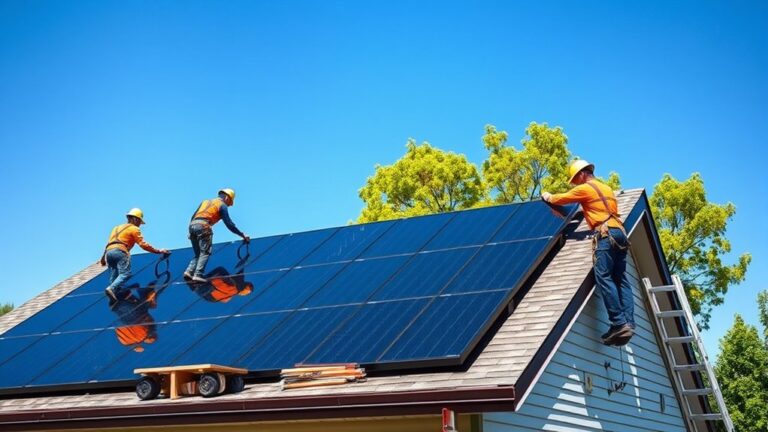
It usually takes you about one to three days to install solar panels in Vermont, depending on your roof’s size and complexity.
Permitting and inspections might add a few weeks before you’re fully up and running.
What Maintenance Do Solar Panels Require in Vermont’s Weather?
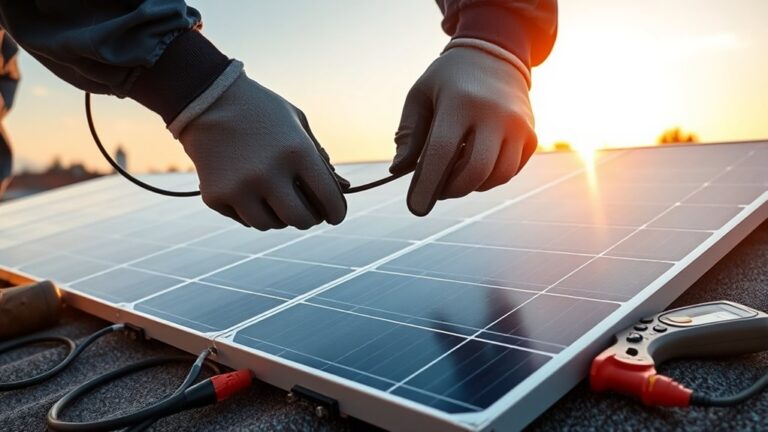
Think of your solar panels as a trusty garden—they need occasional care. You’ll clean debris, check for damage, and make sure snow doesn’t block sunlight.
Vermont’s weather means staying proactive keeps them shining and efficient year-round. It’s all about regular attention to keep things running smoothly.
Can Solar Panels Power My Home During a Vermont Winter Storm?
You can power your home during a Vermont winter storm if you have a battery backup system paired with your solar panels. Without batteries, solar energy is limited when sunlight is scarce or the grid goes down.
Are There Financing Options Specifically for Vermont Solar Installations?
You’re in luck—Vermont offers financing options like low-interest loans and state incentives that make solar installations more affordable.
Don’t let upfront costs block your sunshine; these programs help you power your home without breaking the bank.
How Do Solar Panels Affect Vermont Home Insurance Policies?
You might see a slight increase in your Vermont home insurance premiums because solar panels add value and risk. But many insurers offer discounts for solar, so check with your provider to get the best coverage and rates.
It’s a good idea to shop around and ask about any special deals they might have. After all, you want to make sure you’re not paying more than you need to.
Conclusion
You’ve seen why solar panels are a smart choice in Vermont—from the climate and local incentives to saving money year-round and boosting your home’s value. Plus, you’re helping the planet, which is priceless.
It’s like discovering a secret almanac that shows you how to harness tomorrow’s energy today. Don’t wait for a future that’s already here; invest in solar panels now and enjoy all the benefits Vermont has to offer!
Choosing solar panels in Vermont means tapping into clean, renewable energy that suits our unique weather. With great state incentives and rebates, going solar is more affordable than ever. Plus, you’ll see savings on your energy bills every season.
Beyond the money, solar panels increase your home’s value and reduce your carbon footprint. It’s a win-win for your wallet and the environment. So, why wait? Embrace solar power today and be part of Vermont’s bright, sustainable future!