
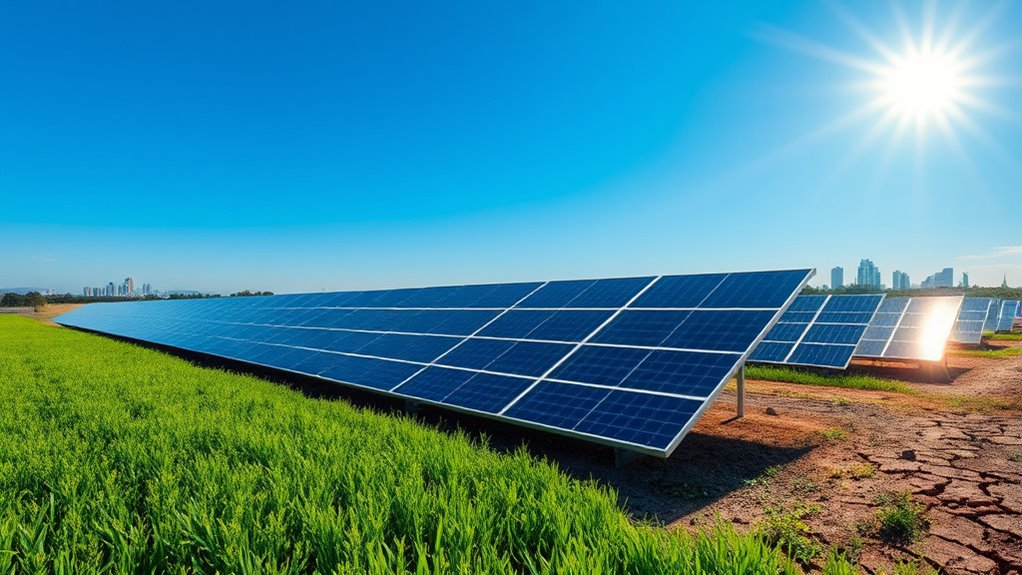
5 Key Advantages and Disadvantages of Using Solar Energy
If you use solar energy, you’ll lower your electricity bills by generating your own power and gain energy independence from utility fluctuations. It’s an eco-friendly energy source that helps reduce your carbon footprint.
Plus, solar energy boosts your property value and needs little upkeep once installed.
However, be ready for high upfront costs, which can be a big investment at first. Solar panels are less efficient on cloudy days and require a good amount of space to set up.
There’s also occasional maintenance to keep things running smoothly.
And don’t forget, some parts of solar panel manufacturing do impact the environment. So, if you want to weigh all the benefits and challenges of using solar energy, there’s more to explore ahead.
Key Takeaways
- Solar energy lowers electricity bills by generating self-sufficient power and reducing dependence on the grid.
- It is environmentally friendly, reducing carbon emissions and promoting sustainability.
- High initial installation costs can be a financial barrier for many users.
- Solar energy efficiency drops on cloudy days and at night, limiting consistent power generation.
- Requires significant space and ongoing maintenance to ensure optimal performance.
Top 5 Advantages of Solar Energy for Homes and Businesses
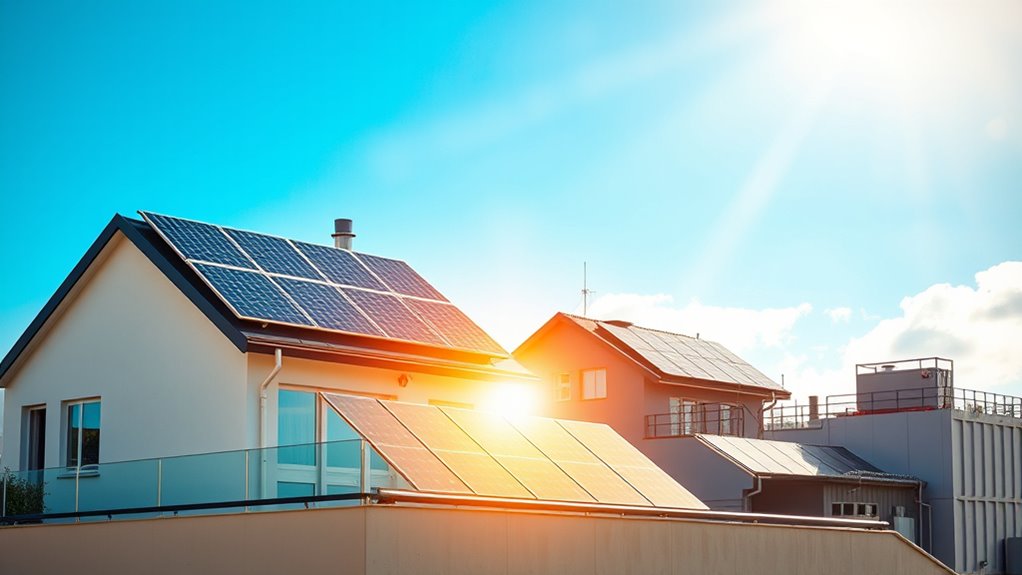
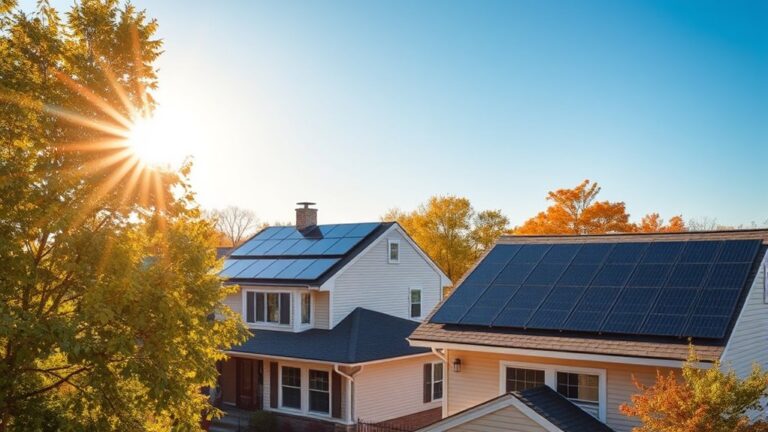
Although switching to solar energy requires an initial investment, you’ll quickly see its top advantages for your home or business. First, solar power lowers your electricity bills by generating your own energy, reducing reliance on the grid.
Second, it’s environmentally friendly, cutting your carbon footprint and promoting sustainability. Third, solar systems increase property value, making your home or business more attractive to buyers.
Fourth, maintenance is minimal—solar panels require little upkeep once installed. Finally, solar energy offers energy independence, protecting you from fluctuating utility rates and power outages.
Top 5 Disadvantages of Solar Energy You Should Consider
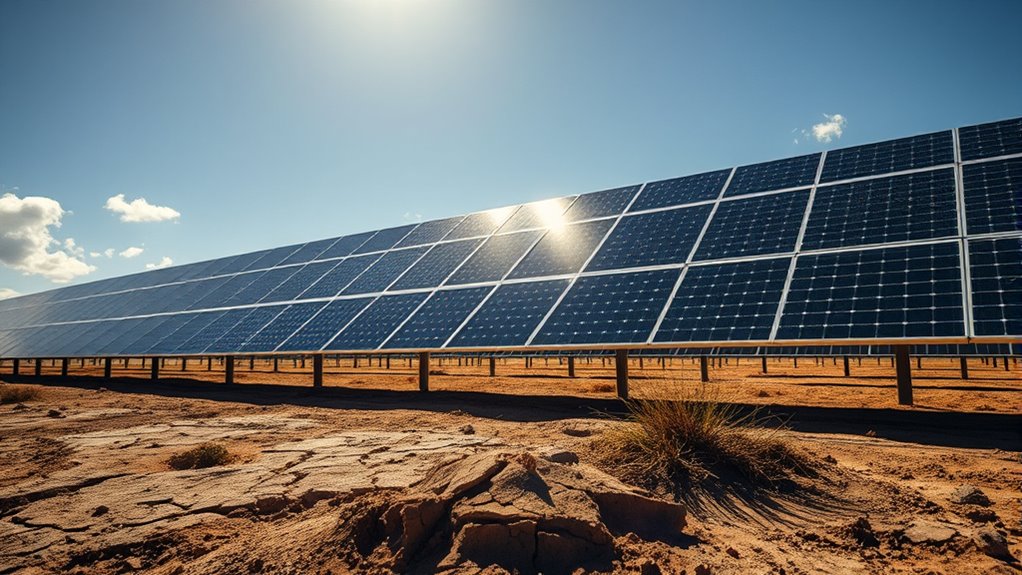
While solar energy offers many benefits, you should weigh its drawbacks before making the switch. First, the initial installation cost can be high, which might strain your budget upfront.
Second, solar panels depend on sunlight, so their efficiency drops on cloudy days or at night, limiting consistent energy production. Third, solar panels require significant space, which can be a challenge if you have limited roof or land area.
Fourth, you’ll need to consider maintenance and cleaning to keep your system running smoothly. In the end, solar energy production involves manufacturing components that can impact the environment, so it’s not entirely green.
Understanding these disadvantages helps you make an informed decision about whether solar energy fits your needs.
Frequently Asked Questions
How Does Solar Energy Impact Local Wildlife and Ecosystems?
You’ll find solar energy can disrupt local wildlife by altering habitats and causing heat effects.
But with careful planning, you can minimize harm and even create new habitats that support ecosystem health and biodiversity.
What Government Incentives Are Available for Solar Panel Installation?
You can take advantage of federal tax credits, state rebates, and local incentives to lower solar panel installation costs. Some areas also offer net metering, letting you earn credits for excess energy your system produces.
It’s a pretty great way to save some money upfront and over time. Plus, these incentives can make switching to solar feel a lot more affordable.
Can Solar Energy Systems Be Recycled or Reused After Their Lifespan?
Yes, you can recycle and reuse many solar panel components after their lifespan. While some materials are easily recoverable, others need specialized processing.
How Does Solar Energy Integration Affect the Stability of the Power Grid?
You’ll find solar energy integration can challenge grid stability due to its variability. But with smart technology and energy storage, you can balance supply and demand effectively.
This helps keep the power grid reliable and efficient. It’s all about managing the ups and downs of solar power in real time.
Are There Any Health Risks Associated With Solar Panel Exposure?
You won’t be swimming in a sea of health risks from solar panels; they emit no harmful radiation. Just avoid direct contact with damaged panels to prevent minor injuries, and you’re good to soak up the sun safely.
It’s pretty straightforward—solar panels are safe to be around. So, no worries about any scary health effects from just being near them.
Conclusion
Choosing solar energy comes with clear perks like saving money, reducing your carbon footprint, and boosting energy independence. It’s a great way to make your home more eco-friendly and save on electricity bills.
But you can’t ignore the drawbacks, such as high upfront costs and weather dependence. Solar panels need sunlight to work efficiently, so cloudy days and nights might affect your energy production.
So, is solar power right for you? Only you can decide by weighing these pros and cons against your needs and lifestyle. Think about your budget, location, and long-term goals before making a choice.
Remember, embracing solar energy means making a smart choice for both your wallet and the planet. It’s an investment that pays off over time while helping reduce pollution and reliance on fossil fuels. Solar energy offers a sustainable way to power your life and protect the environment for future generations.
One Comment