Author: Admin

  • Is Solar Energy Kinetic or Potential?

    You might wonder if solar energy is kinetic or potential, but it’s actually both. Solar energy travels as kinetic energy in the form of electromagnetic waves—light and heat moving through space.

    When plants or solar panels capture this energy, it’s stored as potential energy in chemical bonds or electricity. This constant shift between kinetic and potential forms makes solar energy unique.

    Keep exploring to see how nuclear reactions power the sun and how we turn its energy into usable power.
  • Is My House Good for Solar Power?

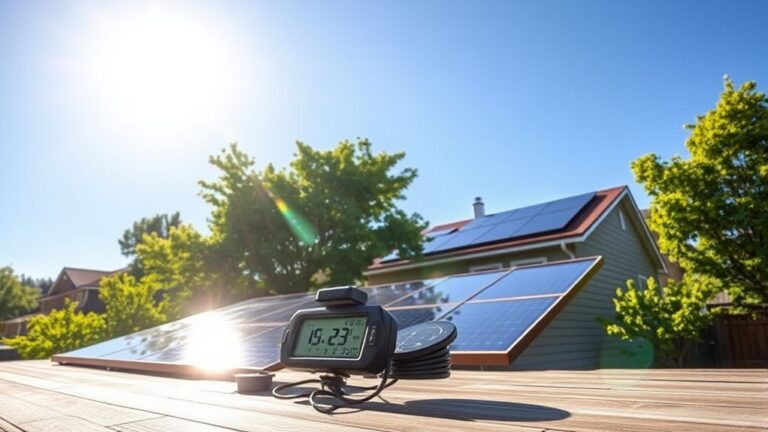
    You can tell if your house is good for solar power by checking roof orientation—south-facing is ideal, while shading from trees or buildings can hurt efficiency. Your roof’s material and shape also matter for panel installation.

    Make sure your electrical system can handle solar energy and consider how your local climate impacts panel performance. Incentives can help offset costs.

    Keep these basics in mind, and soon you’ll understand what makes your home a strong solar candidate. It’s easier than you might think!

  • 7 Reasons Dual-Purpose Solar and Security Film Is Worth It

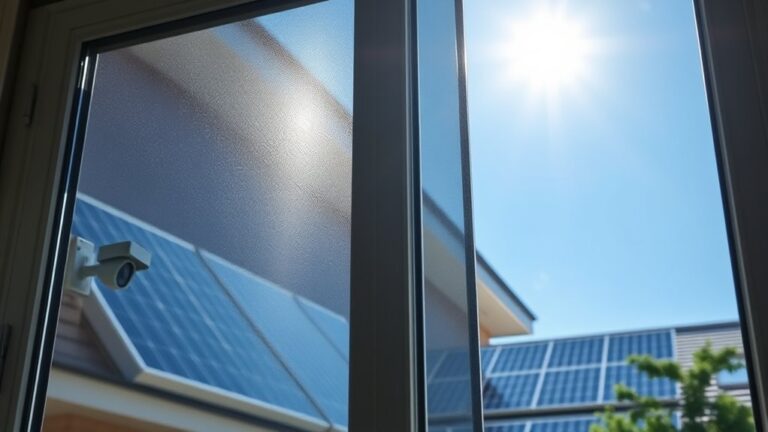
    You’ll save money by cutting energy costs through reduced heat gain and lower cooling bills. It boosts comfort by minimizing glare and maintaining steady indoor temperatures.

    The film strengthens windows, preventing breakage and deterring intruders for added security. With minimal upkeep and long-lasting durability, it’s a cost-effective upgrade that enhances your property’s value.

    Plus, it supports sustainable living by lowering your carbon footprint. Discover how this smart solution combines safety, savings, and style seamlessly.

  • What Should You Know About Community Solar and Pyramid Schemes?

    You should know that community solar lets you join shared solar projects without rooftop panels, cutting your energy bills with no upfront costs.

    But watch out for pyramid schemes promising high returns with little effort—they rely on recruiting others and often lack transparency.

    Always verify certifications, understand contracts, and check for official backing before investing.

    Staying informed and cautious safeguards you from scams and ensures you benefit fully from clean energy opportunities.

    More useful tips follow to guide your decisions.

  • How to Wire a Solar Panel to a Battery in 5 Easy Steps

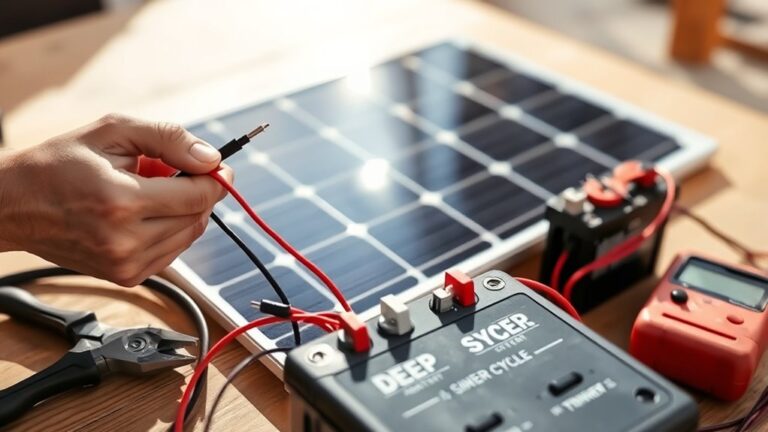
    To wire a solar panel to a battery, start by connecting the panel’s positive and negative wires to the charge controller’s input terminals. Make sure you get the polarity right to avoid any issues.

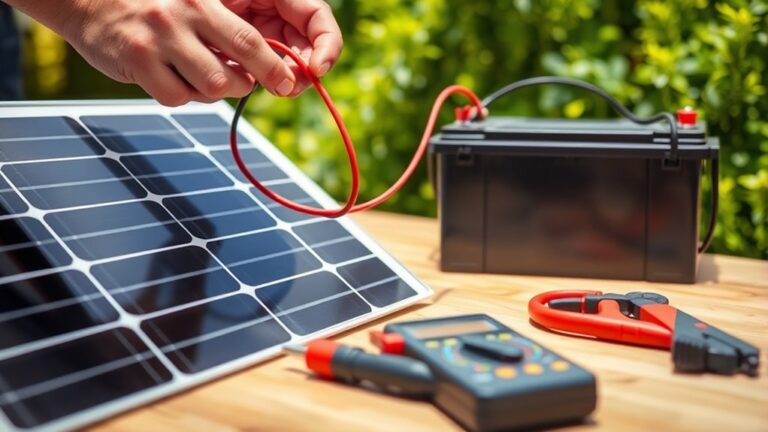
    Next, link the charge controller’s battery output terminals to the battery. Again, double-check the polarity and make sure all connections are secure.

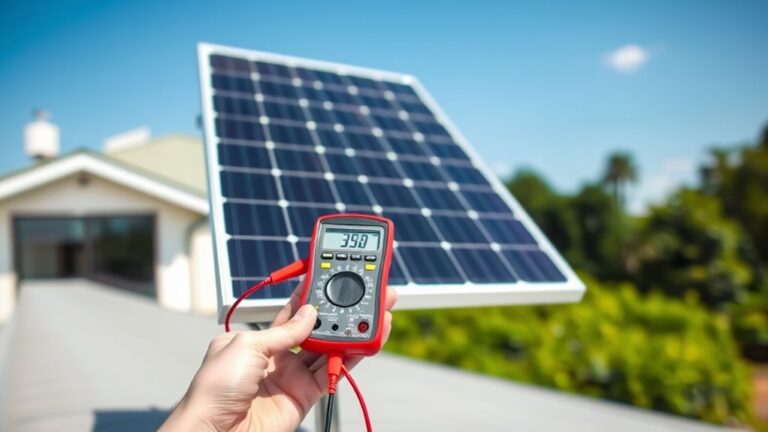
    Use a fuse near the battery for safety—it helps protect your system from electrical faults. Once everything is connected, test voltage levels with a multimeter to confirm proper flow and charging.

    Keep following to uncover tips on optimizing and troubleshooting your solar setup. It’s easier than you think once you get the hang of it!

  • How to Wire Solar Panels in 5 Simple Steps

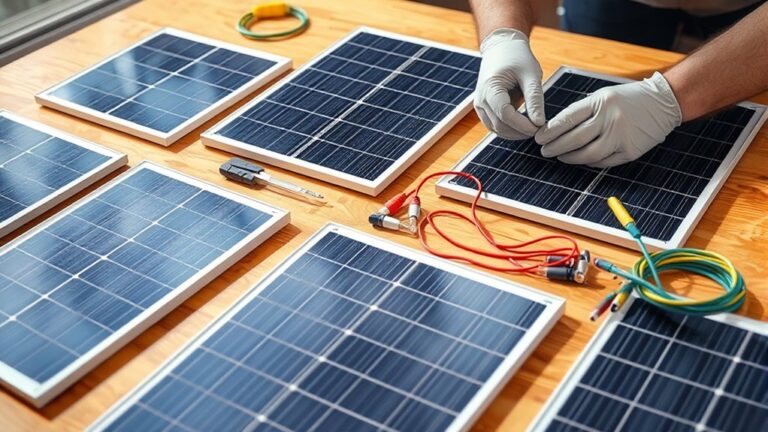
    First, gather tools like MC4 connectors, a charge controller, and proper gauge wire. Next, choose series wiring to increase voltage or parallel to boost current, based on your system needs.

    Then, connect panels step-by-step, ensuring tight, correct polarity connections. Make sure everything is secure before moving on.

    Safely wire the panels to your controller and inverter, powering off before connecting. Safety first, always.

    Finally, test your setup with a multimeter and load test to confirm proper output and safety. Keep going, and you’ll discover how to optimize every detail.

  • 10 Steps to Wire a Solar Panel to a Battery

    To wire a solar panel to a battery, start by gathering tools and verifying the panel’s positive and negative wires with a multimeter.

    Choose a battery that matches your panel’s voltage and energy needs. Connect the panel to a charge controller, then link the controller to the battery, making sure the polarity is correct and all fittings are secure.

    Use proper connectors and organize your wiring neatly. It’s a good idea to test the system’s voltage and check for any wiring issues.

    Don’t forget to maintain your battery regularly. Ready to explore detailed steps and safety tips?

  • How to Tell If Your Solar Panels Are Working Step by Step

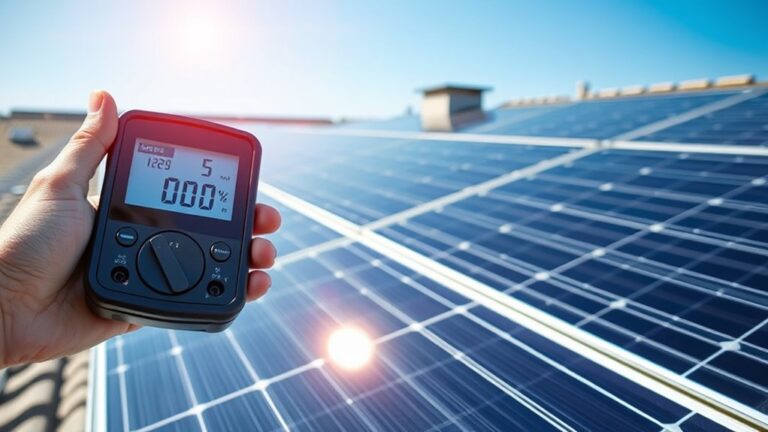
    To tell if your solar panels are working, start by checking your monitoring app or inverter display for daily energy output. Compare it with expected values on sunny days to see if they match up.

    Also, take a moment to visually inspect your panels. Look out for dirt, damage, or shading from trees or debris that might be blocking the sun.

    You can use tools like multimeters or solar apps to get real-time data. And don’t forget to listen for any unusual noises coming from the inverter—sometimes that can be a clue.

    Regular checks during clear weather are super helpful to catch any inefficiencies early on. Keep following for ways to enhance and troubleshoot your system’s performance effectively.

  • How to Tell If Your Solar Panel Is Working in 7 Easy Steps

    You can tell if your solar panel is working by checking its display or app for real-time output and comparing it to expected production for the weather.

    Take a moment to inspect the panels for any damage, dirt, or shading that might be affecting performance. Also, make sure all connections are secure.

    Try measuring the energy output during peak sun hours and keep an eye out for any warning lights or unusual noises coming from the inverter.

    If you notice that output drops persist even after cleaning, it’s probably time to call a professional.

    Keep following for simple tests and signs to watch for.

  • 10 Tips to Market Solar Panels Effectively

    To market solar panels effectively, target specific audiences by addressing their needs and values. Then highlight clear financial perks like savings, incentives, and property value boosts.

    Build a strong local online presence with SEO and encourage reviews. Use engaging visuals and simple, relatable content to educate prospects.

    Showcase testimonials and help customers compare options clearly. Finish with strong calls to action and personalized follow-ups to build trust.

    Keep exploring these strategies to sharpen your marketing approach. You’ll see your efforts pay off over time!