Author: Admin

  • Will Solar Lights Charge Indoors?

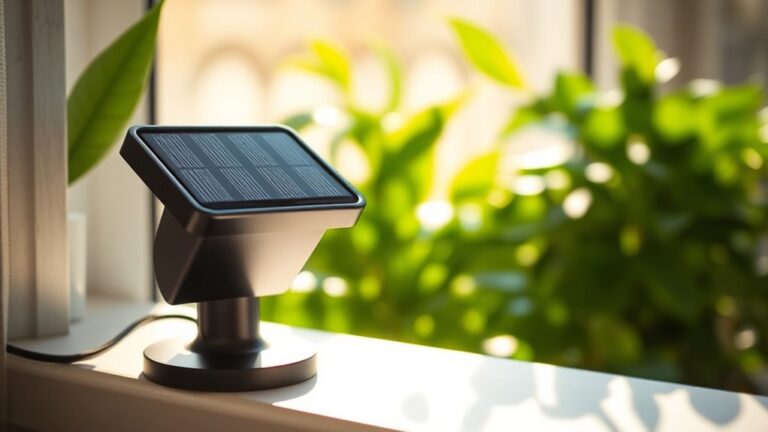
    You can charge solar lights indoors, but they’ll absorb much less energy and charge much more slowly than in direct sunlight. Indoor lights like regular bulbs often don’t provide enough intensity or the right spectrum to fully charge the batteries. So, your lights may run dimmer or for less time.

    Using full-spectrum or LED grow lights can help a lot. Plus, keeping the solar panels clean improves their efficiency. There’s more to learn about optimizing indoor solar charging and troubleshooting performance, if you want to get the best results.
  • Will an EMP Destroy Solar Panels: How to Protect Yours

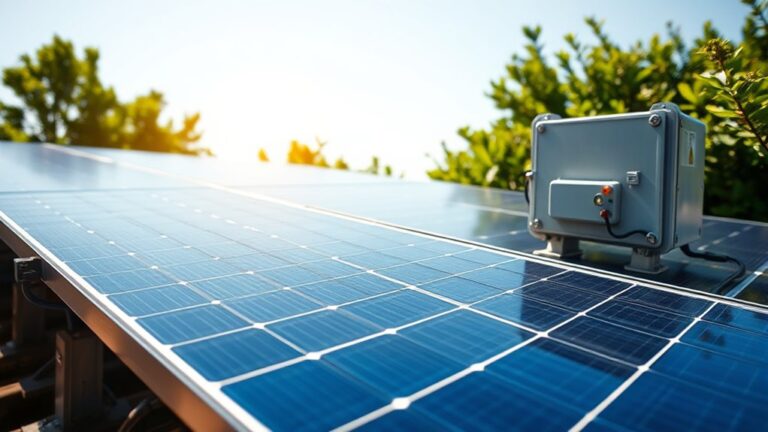
    An EMP won’t typically destroy the physical solar panels, but it can damage sensitive electronics like inverters, charge controllers, and batteries with BMS. To protect your system, use Faraday cages, surge protectors, and guarantee proper grounding.

    Regular maintenance and manual disconnects boost resilience, while EMP-resistant backups keep power flowing. Taking these steps helps safeguard your solar setup from EMP harm.

    Keep exploring to discover how to strengthen your system even further.

  • Why Is Solar Energy So Expensive in 2027?

    You’re seeing solar energy costs rise in 2027 mainly because supply chain disruptions and soaring raw material prices like silicon and copper are driving up production expenses.

    Reduced government incentives and complex, labor-intensive installations add to the upfront costs you face.

    Plus, high demand exceeds manufacturing capacity, pushing prices even higher.

    If you want to understand how these factors impact affordability and what challenges the solar industry must overcome, there’s more to explore.

  • Why Do Solar Lights Stop Working Quickly?

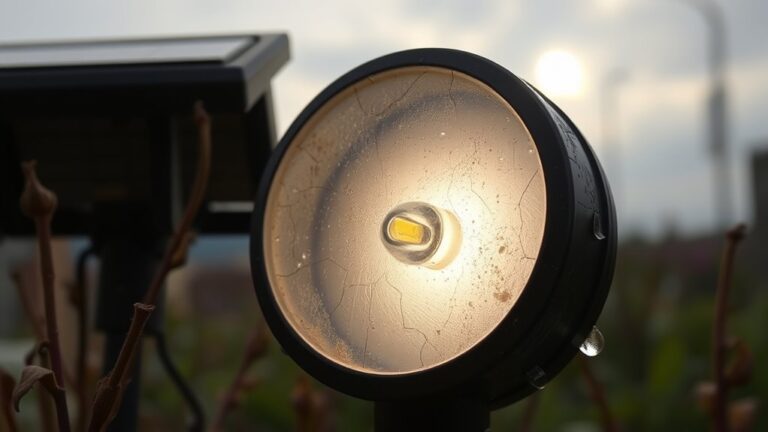
    Your solar lights stop working quickly mainly because their batteries degrade over time, reducing how long they stay lit. Dirty solar panels or shading block sunlight, so the batteries don’t charge fully.

    Harsh weather and poor placement also affect battery health and charging efficiency. Loose wiring or failing batteries can cause flickering or dimming.

    Keep your solar lights performing well by understanding these issues better and discovering simple fixes to extend their lifespan. It’s easier than you might think!

  • What Will a 100 Watt Solar Panel Power: 5 Devices to Try

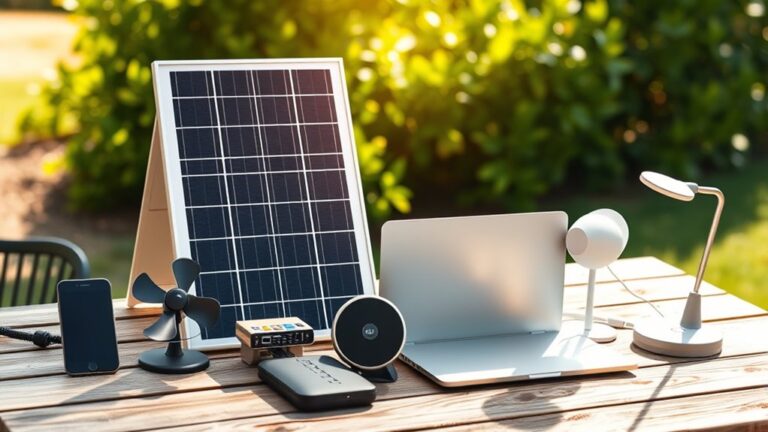
    With a 100 watt solar panel, you can power small LED lights, keep portable fans running, and charge your phone or other small gadgets easily.

    It’s also great for operating mini fridges or coolers, especially if paired with a battery. This setup works well for camping or off-grid needs.

    If you want to get the most out of your panel and discover more practical device ideas, keep exploring how to maximize its efficiency and usage.

  • 7 Types of Content to Share for Solar Email Marketing

    You should share diverse content that educates, engages, and motivates your solar email subscribers. Focus on educational tips about solar benefits, clear how-to guides for maintenance, and authentic customer success stories to build trust.

    Show off your latest solar projects with visuals, offer seasonal promotions and exclusive deals, provide industry news updates, and include interactive content like calculators or videos. By combining these types, you’ll keep your audience informed and ready to act.

    Explore these strategies further to boost your email impact.

  • How to Choose the Right Size Solar Panel to Charge a 12 Volt Battery

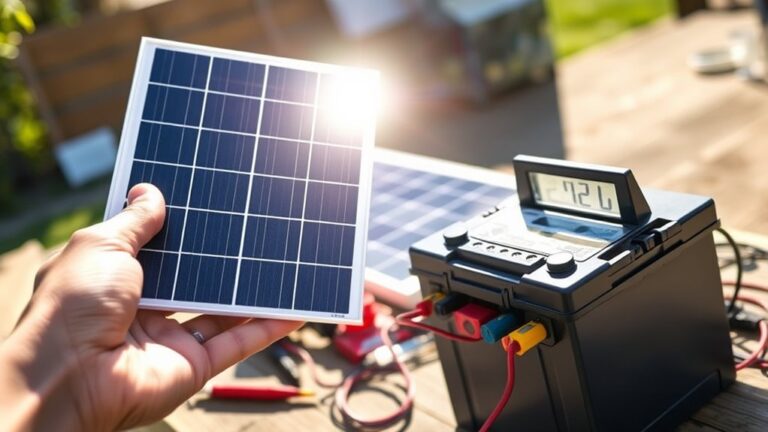
    To choose the right solar panel size for your 12-volt battery, first calculate your battery’s watt-hour capacity by multiplying its amp-hours by 12 volts. Then, estimate your daily energy use and consider average sunlight hours, including seasonal changes.

    Pick a panel wattage that can recharge your battery effectively. Typically, this is around 10-20% of your battery’s watt-hour capacity per peak sun hour. Proper sizing helps prevent damage and ensures reliable charging.

    Keep exploring to discover how panel efficiency and other system factors play a role. It’s all about finding the right balance to keep your battery powered up efficiently.

  • What Is an N-Type Solar Panel?

    An N-type solar panel uses negatively charged electrons to generate electricity, making it more efficient and durable than traditional panels. It’s built with high-purity silicon and advanced technologies like TOPCon that reduce defects and improve performance, especially in low light or hot conditions.

    You’ll get longer-lasting power with less output loss over time. If you want to understand the materials, efficiency factors, and how it stacks up against other panels, keep exploring these details.

  • What Is an N Type Solar Panel and How to Install It

    An N-Type solar panel uses phosphorus-doped silicon to boost efficiency and reduce degradation, giving you longer-lasting, high-performance energy.

    You’ll install it by securely mounting panels at the right angle, wiring them carefully with proper tools, then testing connections for safety.

    Regular cleaning and monitoring keep your system in top shape.

    If you want to get the most from your solar setup, understanding installation and upkeep details will help you optimize energy production and durability.

  • What Is Active Solar Energy and How to Use It

    Active solar energy uses mechanical systems like pumps and fans to capture sunlight through panels or collectors. It converts that sunlight into heat or electricity for your home.

    You’ll rely on fluid circulation and controllers to optimize energy flow, storing heat for later use. While it needs some upfront investment and upkeep, you get higher efficiency and more control than with passive systems.

    If you want to explore how these components work together and how to maintain them, there’s a lot more to discover. It’s definitely worth learning if you’re interested in making the most of solar energy.