How Do Solar Panels Work at Night: A Practical Guide
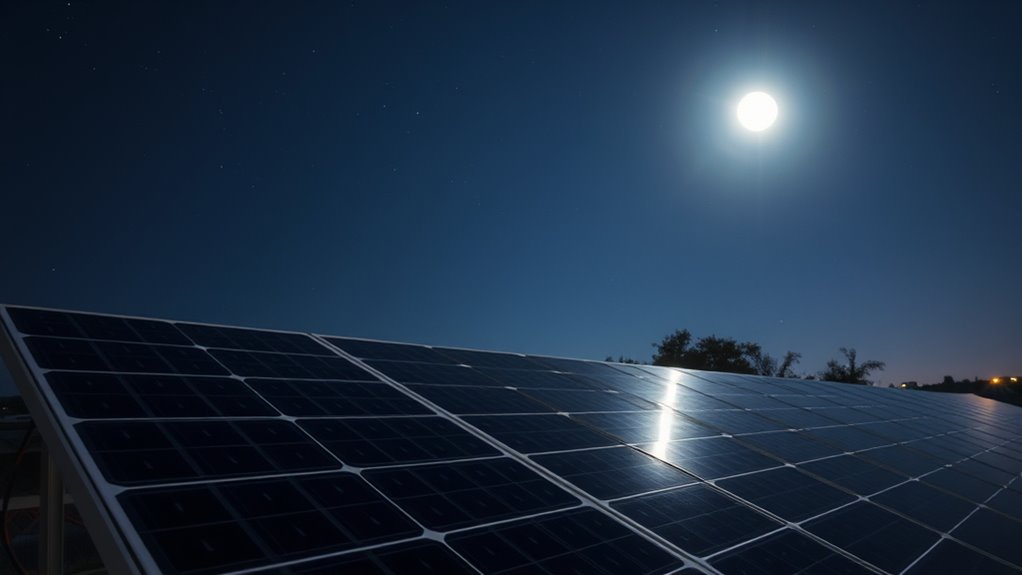
Solar panels generate electricity by converting sunlight into power, so they don’t produce energy at night when there’s no sun. This means that after the sun sets, your solar panels stop working. But don’t worry—there are ways to keep your home powered even when it’s dark outside.
To keep your home running after dark, you can store excess solar energy in batteries during the day or rely on the utility grid as a backup. Batteries store the extra power your panels make while the sun is shining, so you can use it later.
On the other hand, the grid acts like a safety net when your stored energy runs low.
Emerging technologies and smart energy use can help you maximize nighttime solar power. Innovations like advanced battery systems and energy management tools are making it easier to keep the lights on 24/7. Keep exploring to discover the best ways to maintain power around the clock.
Key Takeaways
- Solar panels do not generate electricity at night because there’s no sunlight to trigger the photovoltaic effect.
- Without sunlight, they simply can’t produce power.
- But here’s the good news: any extra solar energy your panels capture during the day gets stored in batteries.
- That way, you can use this stored power when it’s dark outside.
- If your home is connected to the utility grid, it will draw electricity from there once your solar panels stop working after sunset.
- Nowadays, advanced battery and hybrid systems make it possible to have a continuous solar power supply.
- This means you can enjoy solar electricity even at night.
- Plus, efficient energy management and battery monitoring help you get the most out of the solar energy you’ve stored for after dark.
How Solar Panels Generate Power and Why They Stop at Night
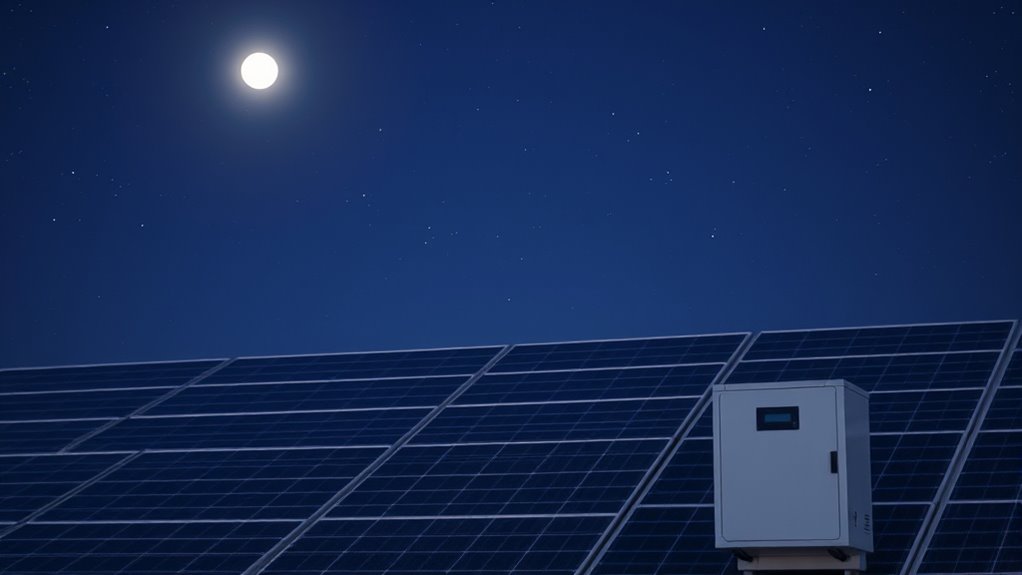
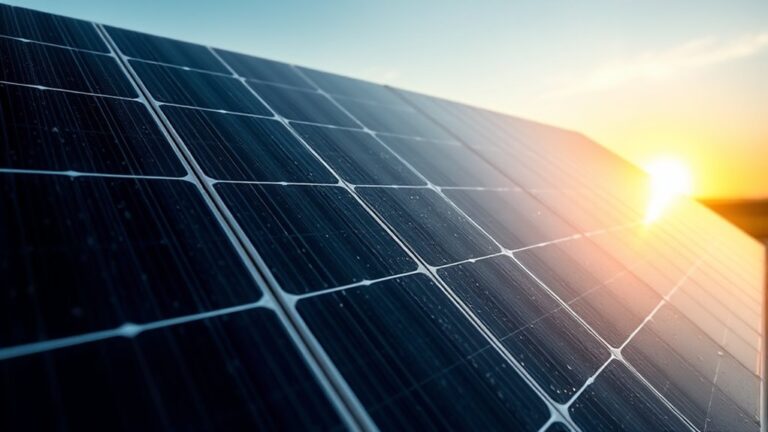
Although solar panels are known for converting sunlight into electricity, they rely entirely on sunlight to generate power. When sunlight hits the panels, it excites electrons in the solar cells, creating an electric current.
This process, called the photovoltaic effect, allows the panels to produce direct current (DC) electricity. You can then use an inverter to convert this DC into usable alternating current (AC) for your home.
At night, without sunlight, the solar cells can’t excite electrons, so the panels stop generating electricity. Even on cloudy days, reduced sunlight means less power.
You won’t get energy from the panels after dark because they need that light energy to keep the electron flow going. So, when the sun sets, your solar panels simply can’t produce electricity.
Battery Storage for Using Solar Power After Dark
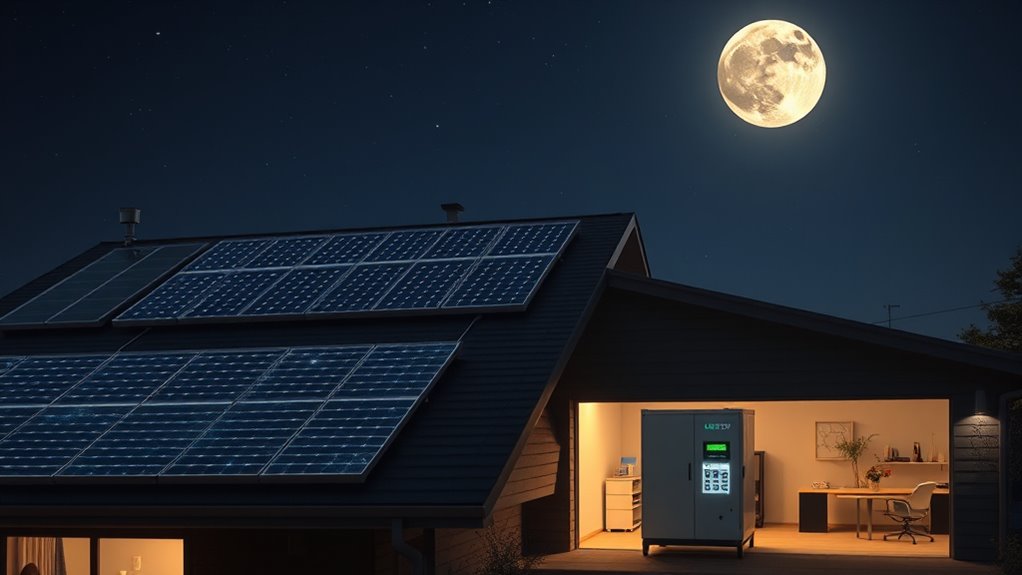
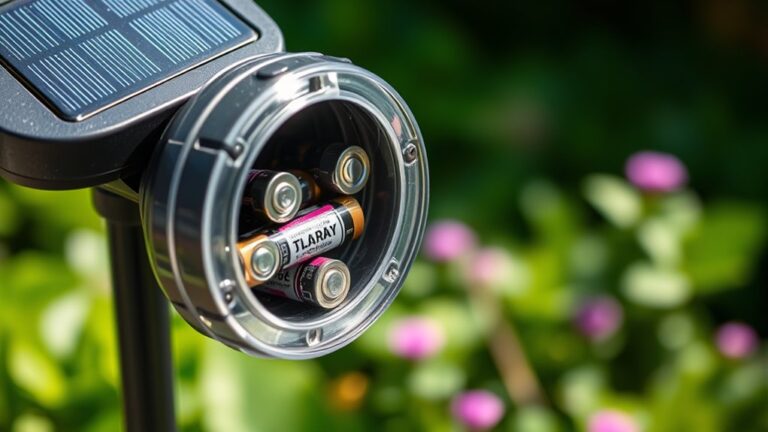
Since solar panels don’t produce electricity at night, you’ll need a way to store the energy they generate during the day. Battery storage systems let you save excess solar power, so you can use it when the sun isn’t shining.
These batteries keep your home running smoothly, powering lights, appliances, and electronics after dark without relying on the grid.
Choosing the right battery storage can feel empowering because it gives you independence from unpredictable electricity prices. Plus, it offers peace of mind during power outages.
And let’s not forget the greener lifestyle you get by maximizing your solar investment.
With battery storage, you’re not just storing energy—you’re storing freedom and control over your power needs, even at night.
Grid Connection as a Backup for Nighttime Solar Power
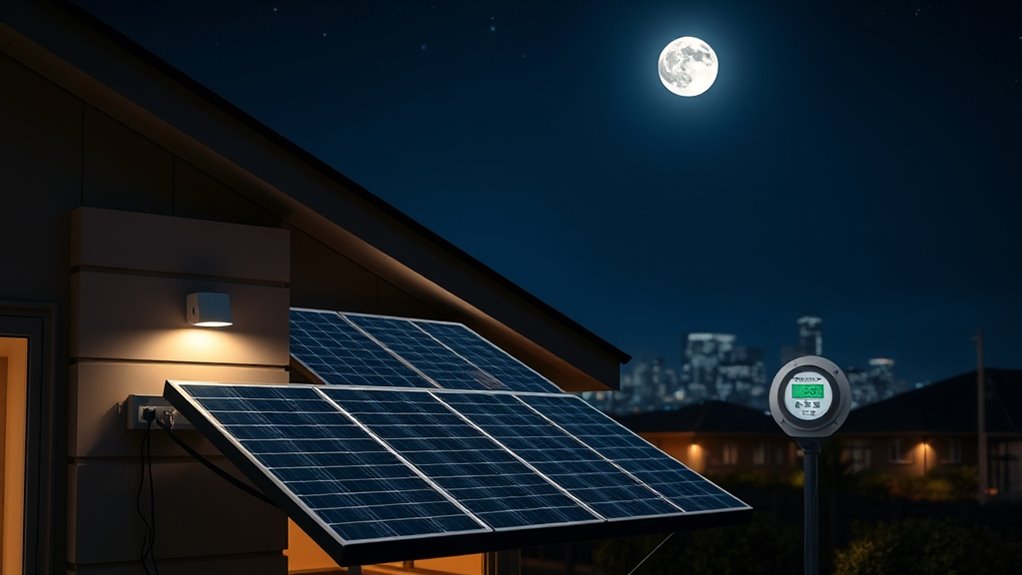
When your solar panels stop producing power at night, the utility grid steps in to keep your home running smoothly. You’ll draw energy from the grid as a reliable backup source when the sun isn’t shining.
This connection guarantees you won’t face any interruptions in your electricity supply after dark. So, even when the solar power takes a break, your home stays powered up without a hitch.
Role of Utility Grid
How does your home stay powered after the sun sets and your solar panels stop generating electricity? That’s where the utility grid steps in. When your solar panels can’t produce energy, the grid acts as a reliable backup, supplying power seamlessly.
This connection guarantees you won’t experience outages or interruptions, giving you peace of mind every night.
By relying on the utility grid, you stay connected to a steady energy source without worrying about nighttime power loss. You also avoid the cost and complexity of large home battery systems.
Plus, you maintain comfort and security, knowing your essential devices keep running.
The utility grid’s role is vital—it’s the safety net that keeps your home powered, even when solar energy isn’t available.
Nighttime Energy Supply
Although your solar panels stop producing electricity at night, your home doesn’t have to go dark because the utility grid steps in as a reliable backup energy source. When the sun sets, your home automatically switches to drawing power from the grid, ensuring your appliances and lights keep running smoothly.
This seamless connection means you won’t experience any interruptions or need to worry about conserving energy after dark. If you have a net metering agreement, any excess solar energy you generated during the day can offset the electricity you use at night, lowering your bills.
Emerging Technologies for 24/7 Solar Power Availability
You can tap into emerging technologies like advanced solar energy storage to keep power flowing when the sun isn’t shining. Hybrid power systems also combine solar with other energy sources to provide consistent electricity around the clock.
Let’s explore how these innovations make 24/7 solar power a real possibility. It’s pretty exciting to think about never running out of solar energy, right?
Solar Energy Storage
Because solar panels don’t generate electricity at night, storing the energy you collect during the day is essential for continuous power. Solar energy storage lets you tap into clean energy anytime, even after sunset.
Advances in battery technology have made it easier and more affordable to save your solar power for nighttime use. Lithium-ion batteries are popular for their efficiency and lifespan, while newer options like solid-state batteries promise even better performance.
You can also explore thermal storage, which captures heat for later electricity generation.
When you invest in solar energy storage, you can enjoy energy independence without relying on the grid. It also helps reduce your carbon footprint around the clock.
Plus, you get peace of mind knowing you have power during outages.
Storage really transforms your solar setup into a 24/7 energy solution.
Hybrid Power Systems
When you want reliable solar power around the clock, hybrid power systems combine solar panels with other energy sources and storage solutions to keep your lights on day and night. These systems often integrate batteries, wind turbines, or even small generators, ensuring continuous energy supply even when sunlight isn’t available.
By blending multiple power sources, you reduce dependence on the grid and increase energy security. Hybrid setups smartly switch between solar, stored energy, and backup generators based on demand and availability, optimizing efficiency.
As technology advances, these systems become more affordable and easier to manage, making 24/7 solar power a practical option for homes and businesses. With a hybrid system, you get clean energy without interruption—no matter the time or weather.
Tips to Maximize Your Solar Power Use at Night
Although solar panels don’t generate electricity at night, you can still optimize your solar power system to guarantee you have energy when the sun goes down. By managing your energy wisely, you’ll enjoy uninterrupted power and lower bills.
Start by using energy-efficient appliances during nighttime hours to reduce demand. Next, consider scheduling high-energy tasks, like laundry or charging devices, for daytime when solar output is high.
Finally, monitor your battery storage to ensure it’s fully charged before nightfall.
Feel empowered by controlling your energy use smartly. Enjoy peace of mind knowing your home stays powered all night.
Save money and reduce your carbon footprint effortlessly.
With these tips, you’ll make the most of your solar investment even after dark.
How to Choose the Best Solar Setup for Round-the-Clock Energy
How can you guarantee your solar system provides energy around the clock? Start by selecting a setup that includes efficient solar panels paired with a reliable battery storage system. Look for batteries with high capacity and long life to store excess energy generated during the day.
Consider integrating a smart inverter that manages energy flow between panels, batteries, and your home. Don’t forget to assess your energy needs accurately—oversized or undersized systems can waste money or leave you without power at night.
You might also explore hybrid systems combining solar with other renewable sources like wind or grid backup for added reliability. By carefully choosing components that work together, you assure continuous power, maximizing your investment and minimizing dependence on the grid after sunset.
Frequently Asked Questions
Can Solar Panels Generate Power During Cloudy Days?
Yes, your solar panels can generate power on cloudy days, but they’ll produce less energy since they rely on sunlight. Diffused light still reaches them, so you’ll get some electricity, just not as much as on a sunny day.
It’s kind of like when it’s bright outside but the sun is hidden behind clouds. Your panels still work, just not at full strength. So, even on cloudy days, your solar setup is doing its job!
How Long Do Solar Panels Typically Last?
Imagine Sarah’s panels still working strong after 25 years. You can expect solar panels to last about 25 to 30 years, though efficiency might drop slightly.
With good care, they’ll keep powering your home efficiently. It’s pretty amazing how long they can go, right?
Do Solar Panels Require Regular Maintenance?
Yes, you’ll need to perform regular maintenance on your solar panels. Cleaning debris, checking for damage, and ensuring connections are secure helps keep them efficient.
Luckily, maintenance is usually simple and doesn’t take much time. It’s pretty easy to stay on top of it!
What Is the Environmental Impact of Manufacturing Solar Panels?
You should know manufacturing solar panels produces about 20-30 grams of CO2 per kWh generated. While it impacts the environment, you’ll find solar energy reduces emissions considerably over its lifetime, making it a cleaner choice overall.
It’s pretty clear that even though there’s some environmental cost upfront, the long-term benefits of solar energy really outweigh that. So, switching to solar is definitely a step toward cutting down on emissions.
Are There Government Incentives for Installing Solar Panels?
Yes, you can often get government incentives like tax credits, rebates, or grants for installing solar panels. These programs vary by location, so you’ll want to check local and federal options to maximize your savings.
It’s definitely worth looking into because these incentives can make a big difference in the overall cost. Just take a little time to explore what’s available in your area!
Conclusion
While solar panels don’t generate power at night, you can still harness their benefits around the clock with battery storage or grid connection. These options store excess energy produced during the day for use when the sun isn’t shining.
Emerging technologies are making 24/7 solar power more achievable than ever. With advances in battery efficiency and smart grid systems, relying on solar energy day and night is becoming easier and more practical.
Remember, “a stitch in time saves nine”—investing in the right setup now will save you energy worries later. By planning wisely, you’ll maximize your solar power use even when the sun goes down.
This way, you ensure reliable, clean energy every hour. With battery storage or grid connection, your solar panels keep working for you around the clock, making the most of your renewable energy investment.