Blog

  • Are Solar Panels Worth It in Hawaii?

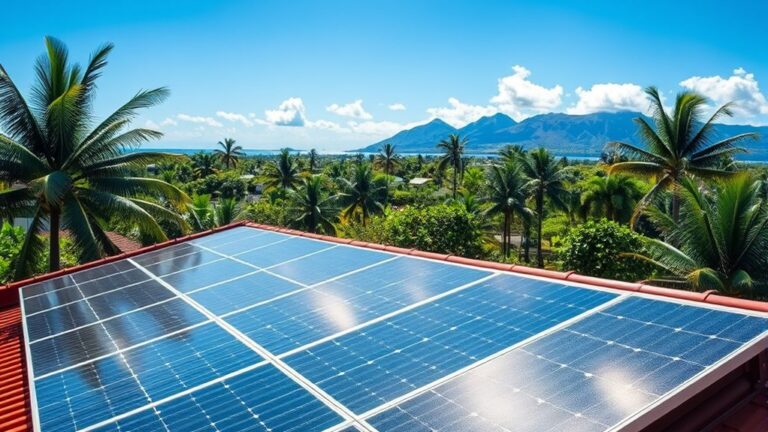
    You’ll find solar panels worth it in Hawaii thanks to abundant sunshine and warm temps that boost efficiency year-round. They cut your high electricity bills by up to 75%, and government incentives make installation more affordable.

    With low maintenance and options to fit your budget, solar panels enhance energy independence and property value. If you want to see how panel types, costs, and savings align with your Hawaiian home and lifestyle, keep exploring what’s involved.
  • Are Solar Panels Worth It in Boston?

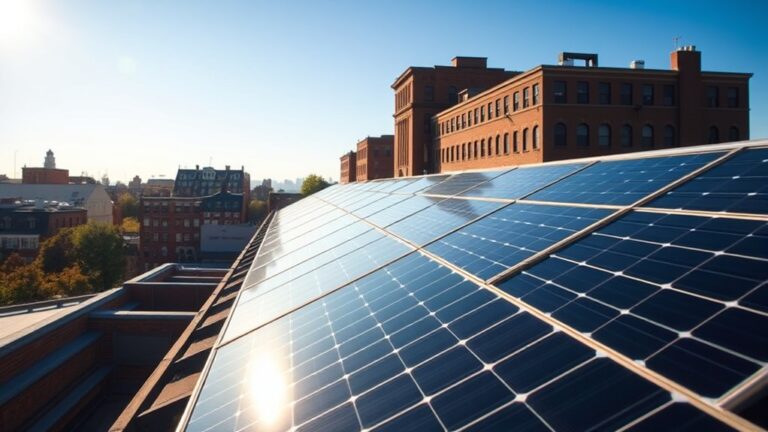
    Solar panels are worth it in Boston because you’ll save money on energy bills, especially in sunnier months, and increase your home’s value. While seasonal weather affects performance, panels still generate power even with some cloud cover.

    You can also tap into tax credits and local incentives to reduce upfront costs. Plus, you’ll support a cleaner environment and protect yourself from rising utility rates.

    Keep exploring to see how solar fits your home and lifestyle. It might be a better option for you than you think!

  • Are Solar Panels Water Resistant?

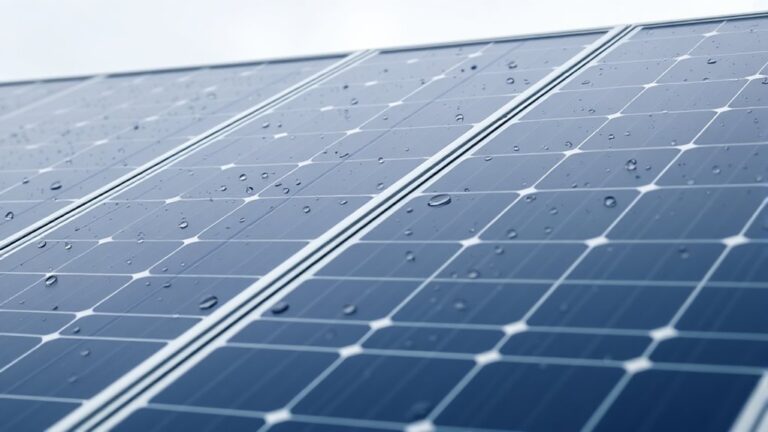
    You can trust solar panels to handle rain, snow, and humidity without damage because they’re built with tempered glass and sealed frames that keep water out.

    While they’re not fully waterproof and shouldn’t be submerged, their IP ratings and engineering protect against moisture in harsh weather. Snow and hail won’t harm them when installed correctly.

    If you want to know how these features guarantee durability and spot water issues, keep exploring the details.

  • What Will Happen When Solar Salt Melts Ice?

    When you spread solar salt on ice, it dissolves into the thin water layer and releases ions that disrupt how water molecules bond. This breaks the ice’s crystal structure, lowers its melting point, and causes ice to melt even below freezing temperatures.

    It speeds up melting and creates a salty brine that prevents refreezing, making roads safer more quickly. You’ll also find there are important effects on the environment and infrastructure worth considering.

  • Will Solar Lights Charge Indoors?

    You can charge solar lights indoors, but they’ll absorb much less energy and charge much more slowly than in direct sunlight. Indoor lights like regular bulbs often don’t provide enough intensity or the right spectrum to fully charge the batteries. So, your lights may run dimmer or for less time.

    Using full-spectrum or LED grow lights can help a lot. Plus, keeping the solar panels clean improves their efficiency. There’s more to learn about optimizing indoor solar charging and troubleshooting performance, if you want to get the best results.

  • Will an EMP Destroy Solar Panels: How to Protect Yours

    An EMP won’t typically destroy the physical solar panels, but it can damage sensitive electronics like inverters, charge controllers, and batteries with BMS. To protect your system, use Faraday cages, surge protectors, and guarantee proper grounding.

    Regular maintenance and manual disconnects boost resilience, while EMP-resistant backups keep power flowing. Taking these steps helps safeguard your solar setup from EMP harm.

    Keep exploring to discover how to strengthen your system even further.

  • Why Is Solar Energy So Expensive in 2027?

    You’re seeing solar energy costs rise in 2027 mainly because supply chain disruptions and soaring raw material prices like silicon and copper are driving up production expenses.

    Reduced government incentives and complex, labor-intensive installations add to the upfront costs you face.

    Plus, high demand exceeds manufacturing capacity, pushing prices even higher.

    If you want to understand how these factors impact affordability and what challenges the solar industry must overcome, there’s more to explore.

  • Why Do Solar Lights Stop Working Quickly?

    Your solar lights stop working quickly mainly because their batteries degrade over time, reducing how long they stay lit. Dirty solar panels or shading block sunlight, so the batteries don’t charge fully.

    Harsh weather and poor placement also affect battery health and charging efficiency. Loose wiring or failing batteries can cause flickering or dimming.

    Keep your solar lights performing well by understanding these issues better and discovering simple fixes to extend their lifespan. It’s easier than you might think!

  • What Will a 100 Watt Solar Panel Power: 5 Devices to Try

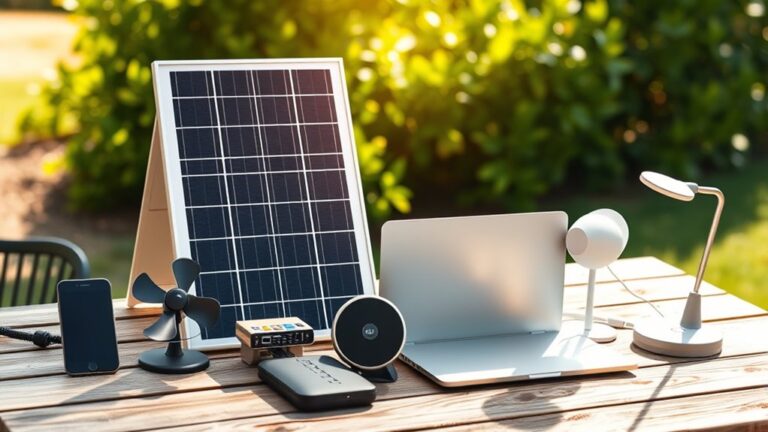
    With a 100 watt solar panel, you can power small LED lights, keep portable fans running, and charge your phone or other small gadgets easily.

    It’s also great for operating mini fridges or coolers, especially if paired with a battery. This setup works well for camping or off-grid needs.

    If you want to get the most out of your panel and discover more practical device ideas, keep exploring how to maximize its efficiency and usage.

  • 7 Types of Content to Share for Solar Email Marketing

    You should share diverse content that educates, engages, and motivates your solar email subscribers. Focus on educational tips about solar benefits, clear how-to guides for maintenance, and authentic customer success stories to build trust.

    Show off your latest solar projects with visuals, offer seasonal promotions and exclusive deals, provide industry news updates, and include interactive content like calculators or videos. By combining these types, you’ll keep your audience informed and ready to act.

    Explore these strategies further to boost your email impact.