Blog

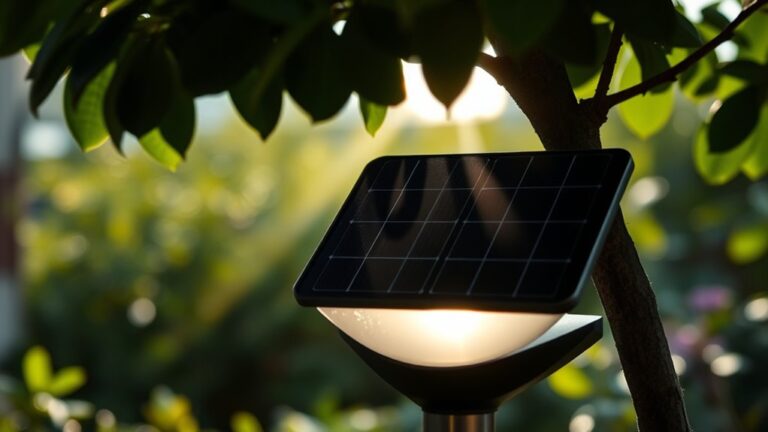
  • How You Can Use Regular AA Batteries in Solar Lights

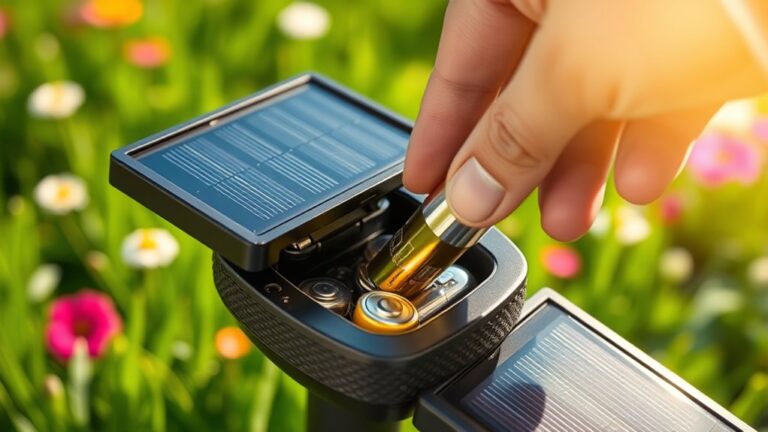
    You can use regular AA batteries in your solar lights by choosing the right type—alkaline or rechargeable NiMH works best—and making sure they fit and match the voltage specs.

    Simply open the battery compartment, insert the batteries following polarity markings, and close it securely. Rechargeables offer longer life and eco benefits, while alkalines are cheaper but drain faster.

    To keep your lights shining bright, it helps to maintain batteries properly. Keep exploring for tips on boosting solar light performance and battery care.
  • How Do You Use a Regular Battery in a Solar Light?

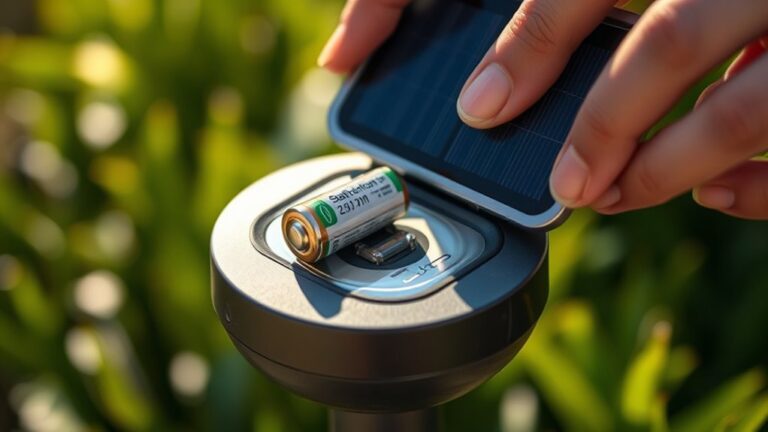
    You can use regular batteries in your solar light temporarily by choosing the right type, typically alkaline AA or AAA. Just avoid rechargeable or lithium batteries unless the device supports them.

    Make sure to insert the batteries with the correct polarity and secure the compartment tightly. Also, place the solar panel where it gets plenty of sunlight.

    Keep an eye out for corrosion or reduced performance. When you can, switch back to solar power to protect your light’s lifespan.

    Learn how to maximize your light’s efficiency and avoid common issues—it really helps keep everything running smoothly!

  • What Does It Take for You to Run a House on Solar Power Alone?

    To run your house solely on solar power, you’ll need to size your system carefully based on your daily energy use and sunlight availability. Choosing the right panels and battery storage guarantees you have power even during cloudy days or outages.

    You’ll also want a reliable backup, like a generator or grid connection, plus regular monitoring and maintenance to keep everything efficient. If you want to make the most of solar energy, understanding these key steps is essential.

  • How Do You Put Solar Panels on Mobile Homes Step-by-Step?

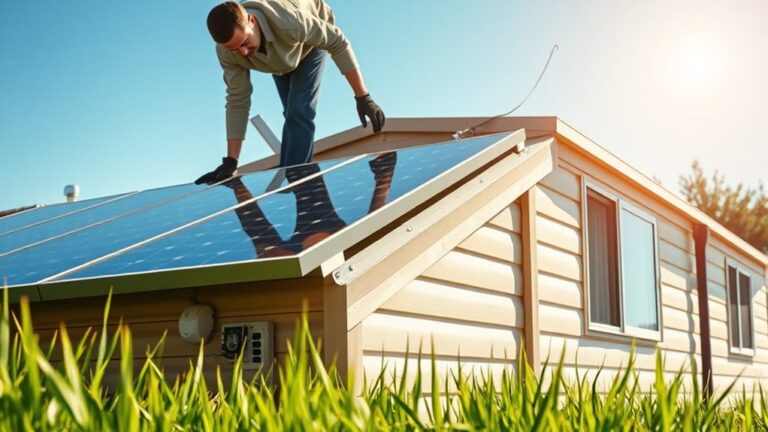
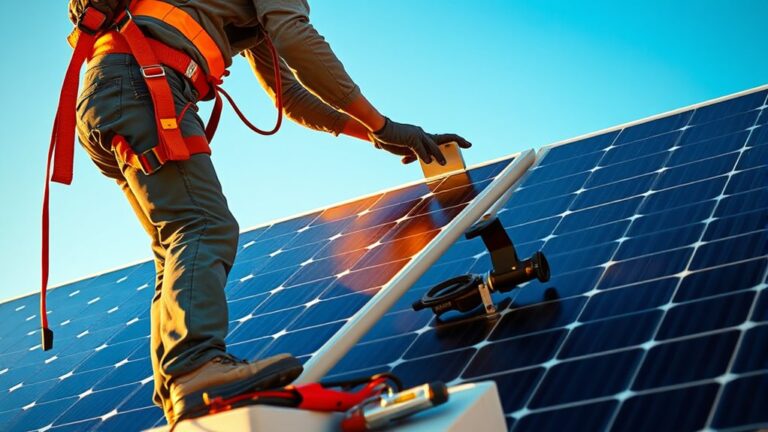
    Start by inspecting your mobile home roof for damage, space, and orientation to guarantee it’s suitable for solar panels. Choose the right panel type and size based on your energy needs, then gather mounting brackets and safety gear designed for mobile homes.

    Clean and prepare the roof, securely mount the panels, and connect the wiring to your electrical system with proper breakers. Finally, maintain and monitor your system to keep it efficient and lasting.

    Keep going to uncover detailed steps and tips. You’ll find it easier than you think once you break it down step-by-step!

  • How You Can Charge Solar Powered Lights Indoors Effectively

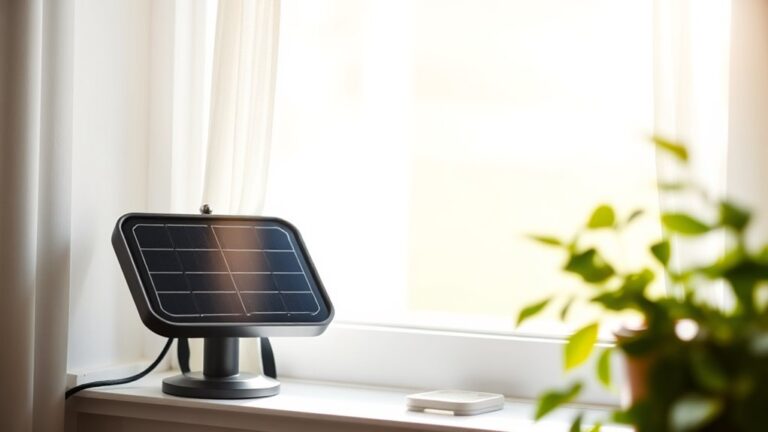
    You can charge your solar-powered lights indoors by placing them near bright, full-spectrum light sources like LED grow lights or full-spectrum bulbs that mimic sunlight’s blue and red wavelengths. Make sure the solar panel is clean and faces the light directly for at least 6 to 8 hours.

    Using bright lights above 1,000 lux helps too. Proper placement and lighting type are key to effective charging. And understanding maintenance tips will help you keep your lights shining longer.

  • How Do You Add Solar Panels to an Existing System?

    To add solar panels to your existing system, first check your inverter’s capacity and available space to guarantee it can handle more panels. Choose panels that match your current system’s voltage and wattage for compatibility.

    Upgrade wiring and electrical components if needed, and secure any necessary permits. Connect the new panels correctly and test the system for proper function.

    Then, monitor performance and adjust settings to optimize output. Keep going to uncover detailed steps for a smooth expansion process.

  • How Do Solar Panels Work in Shade?

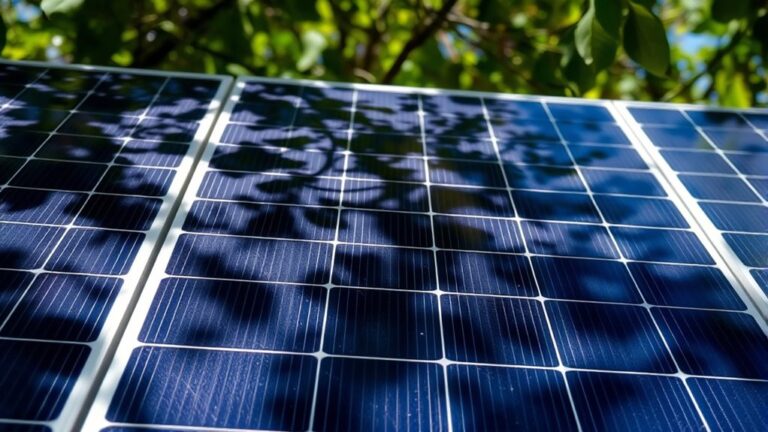
    When your solar panels get shaded, even a small shaded spot can drop their energy output considerably because the connected cells limit current flow. Shade creates resistance and voltage drops, reducing overall performance and risking hot spots.

    Technologies like microinverters and bypass diodes help panels keep working better under shade. You can also reduce shade effects by trimming trees and smartly positioning panels.

    Discover how adjusting installation and maintenance can boost your system’s efficiency around shade. It’s all about making smart choices to keep your solar panels working well, even when the sun isn’t fully shining on them.

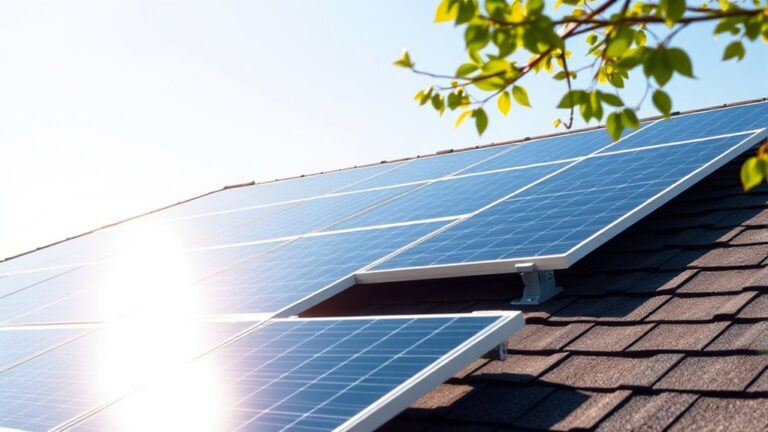
  • Can Solar Panels Damage Your Roof and How to Prevent It

    You won’t damage your roof if you choose skilled professionals to install your solar panels correctly. Proper mounting systems and thorough sealing prevent leaks and maintain stability.

    Before installation, have your roof’s condition checked since panels last 25+ years. Regular inspections and debris removal keep your roof healthy over time.

    Watching for loose shingles or water stains early can save costly repairs. If you want to learn how to safeguard your roof and ensure long-lasting solar performance, keep exploring.

  • How to Charge Solar Lights Effectively in Shade

    To charge your solar lights effectively in shade, place them where they get the most indirect sunlight, like near reflective surfaces or on adjustable mounts angled toward the sun. Choose models with high-efficiency panels and sensitive sensors designed for low light.

    Keep panels clean and free of debris to maximize absorption. When natural light is scarce, consider backup charging options to keep lights bright and reliable.

    There are also smart ways to boost charging and maintain your solar lights’ performance. It’s all about making the most of the light you do have and keeping everything working smoothly.

  • What Happens When LED Lights Charge Solar Panels?

    When LED lights charge solar panels, your panels generate electricity by absorbing LED photons. But the process is slower and less efficient than sunlight because LEDs have lower intensity and a narrower spectrum.

    The type of panel you use really affects performance. Monocrystalline panels work best under LED light.

    You can power small devices indoors this way, but expect reduced energy output. If you want to find out how to optimize this setup and explore its challenges, keep going.