Why Is Solar Energy So Expensive in 2027?
You’re seeing solar energy costs rise in 2027 mainly because supply chain disruptions and soaring raw material prices like silicon and copper are driving up production expenses. These materials are essential for making solar panels, and when their prices go up, so do the overall costs.
On top of that, reduced government incentives mean less financial help for buyers, which makes the upfront cost feel even heavier. The installation process itself is complex and labor-intensive, adding more to the initial price tag.
Plus, demand for solar energy is higher than what manufacturers can keep up with right now. This imbalance pushes prices even higher, making solar energy less affordable for many.
If you want to understand how these factors impact affordability and what challenges the solar industry must overcome, there’s more to explore.
Key Takeaways
– Supply chain disruptions and raw material shortages are really driving up the costs of solar panels and their components in 2027.
It’s causing prices to spike more than many expected.
– The prices of key materials like silicon, silver, aluminum, and copper keep rising.
That pushes manufacturing and installation expenses even higher.
– On top of that, government incentives have been reduced, and policies are getting stricter.
So, the upfront costs for solar energy systems are going up as well.
– There’s also a shortage of skilled labor, which doesn’t help.
Installing these systems is complex, and that complexity adds to labor and project costs.
– Plus, the demand for solar energy is outpacing what manufacturers can produce.
That leads to price surges and longer project timelines.
Why Solar Energy Costs Are Still High in 2027

Although solar technology has advanced considerably, you’ll still find that solar energy costs remain high in 2027 due to persistent factors like supply chain disruptions, rising raw material prices, and limited manufacturing capacity.
Despite tech advances, solar energy costs stay high in 2027 due to supply chain and material challenges.
You face increased expenses because critical materials like silicon and rare earth elements are still in short supply, pushing prices up. Manufacturing hasn’t kept pace with growing demand, so production bottlenecks drive costs higher.
Transportation delays and tariffs add more strain, raising the final price you pay. Plus, the complexity of installing advanced solar systems requires skilled labor, which is costly and scarce.
Even with better technology, these ongoing challenges mean you’ll continue to see solar energy priced higher than expected. So, widespread affordability is still a bit out of reach for now.
How Government Incentives Affect Solar Affordability
You need to understand how changes in government incentive policies directly impact solar affordability. When tax credits shrink or disappear, your upfront costs can rise considerably.
Plus, state-level subsidies vary widely, so where you live can make a big difference in your solar investment. It’s worth checking out what incentives are available in your area before making a decision.
Incentive Policy Changes
Since government incentives have historically played a crucial role in lowering the upfront costs of solar installations, recent changes in these policies are directly impacting solar affordability. You’ve probably noticed how shifts in incentive programs can quickly change the financial appeal of going solar.
Here’s what you need to watch out for:
- Reduction or elimination of rebates that once cut costs
- Stricter eligibility requirements limiting who qualifies
- Shortened time frames for applying to incentive programs
- Changes in utility net metering rules affecting savings
- Introduction of new fees or tariffs on solar equipment
These adjustments mean you might face higher initial expenses, making solar less accessible. So, staying informed really helps you navigate these changes and plan your solar investment wisely.
Tax Credit Availability
Changes in incentive policies don’t just affect rebates and fees—they also influence tax credit availability, which plays a big role in making solar energy affordable. When tax credits shrink or phase out, you end up paying more upfront.
For example, the federal Investment Tax Credit (ITC), which used to cover a significant portion of your solar installation costs, has been gradually reduced. Without these credits, the financial appeal of solar diminishes, making it harder to justify the initial investment.
On the flip side, if tax credits remain stable or improve, they can offset some upfront expenses, helping you save over time. So, when you’re considering solar, keep a close eye on current tax credit policies—they directly impact how much you’ll pay and how quickly you’ll see returns.
State-Level Subsidies
Although federal tax credits are essential, state-level subsidies often have an even bigger impact on your solar energy costs. These incentives vary widely, so where you live can really affect your final price.
Some states offer rebates, performance-based incentives, or property tax exemptions that directly lower your upfront or ongoing expenses. But keep in mind, budget cuts or policy changes can reduce or even eliminate these benefits, which might drive prices up.
Here’s what you need to take into account:
- State rebates that reduce initial system costs
- Performance-based incentives tied to energy production
- Property and sales tax exemptions on solar equipment
- Net metering policies affecting energy credit value
- Variability in subsidy availability and duration across states
Knowing what your state offers helps you make smarter solar investments, even when costs are rising.
How Supply Chain Problems Make Solar Installations Pricier
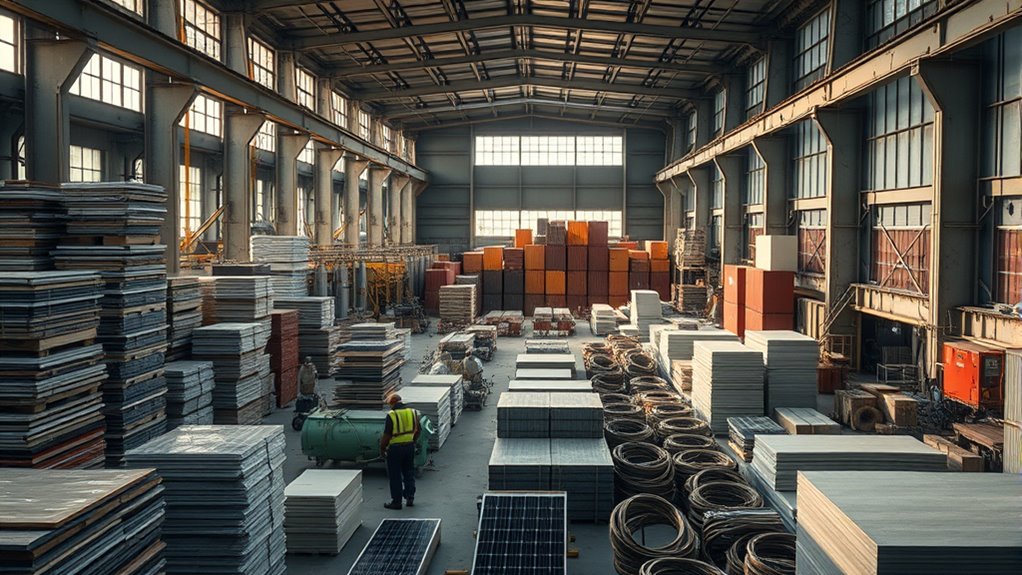
When you’re waiting for solar panels, delays in the supply chain can quickly drive up costs. You might find that essential components like inverters, mounting hardware, or wiring take longer to arrive. These hold-ups force installers to push back project timelines, increasing labor expenses.
Plus, when shipments are unpredictable, suppliers raise prices to cover storage and expedited shipping fees. You also face higher costs if you need to switch to alternative parts due to shortages. This unpredictability makes budgeting tough.
And contractors often add a risk premium to protect themselves from unexpected price hikes. Ultimately, these supply chain disruptions create a ripple effect, making your solar installation pricier even before factoring in raw material costs or other external factors.
Why Raw Materials Are Making Solar Panels Cost More
You’re feeling the impact as raw material prices for solar panels keep climbing. Supply chain disruptions only make it harder to get the essential components on time.
It’s pretty frustrating, right? These challenges are driving up costs and slowing down production across the board.
Rising Material Prices
Why have solar panel prices climbed so sharply in 2027? It’s largely because the cost of the essential materials used in manufacturing has surged. When you buy solar panels, you’re paying more due to rising prices in key components.
Here’s what’s driving the increase:
- Silicon prices have jumped due to higher demand for semiconductors.
- Silver, used in conductive paste, has become more expensive.
- Polymers for panel encapsulation face inflation from petrochemical costs.
- Aluminum, crucial for framing, is pricier because of global market shifts.
- Copper, necessary for wiring, has seen sustained price hikes.
You can see how these rises add up, making solar panels pricier for both manufacturers and you as the consumer.
Supply Chain Disruptions
The surge in material prices isn’t the only factor pushing up solar panel costs in 2027. Supply chain disruptions are making it harder for manufacturers to get the raw materials they need on time.
When shipments are delayed or incomplete, production slows, and costs rise. You might feel frustrated knowing that these delays directly impact your energy bills and renewable goals.
Here’s a quick look at the emotional toll disruptions bring:
| Challenge | How It Feels |
|---|---|
| Delayed shipments | Anxiety |
| Scarce components | Frustration |
| Increased costs | Worry |
| Project setbacks | Disappointment |
| Uncertain timelines | Stress |
These disruptions don’t just slow progress—they make solar energy less affordable when you need it most.
How Rising Demand Is Pushing Solar Prices Up
As more people and businesses turn to solar energy for its environmental benefits, demand has surged beyond what manufacturers anticipated. This unexpected spike creates pressure on production lines, pushing prices up.
You might notice higher costs because manufacturers struggle to increase output quickly. Raw materials become scarcer and more expensive.
Installation services face backlogs and higher labor costs. Plus, competition for limited components drives prices higher.
Energy policies stimulate demand faster than supply can grow. When demand outpaces supply, prices naturally rise.
So, you end up paying more for solar panels and installation. The solar industry’s rapid growth is positive, but it also means you’ll see price hikes until production can catch up.
Understanding this helps you anticipate why solar energy costs more in 2027.
Challenges the Solar Industry Faces to Lower Costs
Although solar energy’s popularity is soaring, the industry still faces significant hurdles in lowering costs for consumers like you. You see, supply chain disruptions, expensive raw materials, and complex installation processes drive prices up.
Plus, regulatory barriers and inconsistent policies add uncertainty. That makes it harder for companies to cut costs effectively.
Here’s a quick overview of these challenges:
| Challenge | Impact on Cost | Why It Matters to You |
|---|---|---|
| Supply Chain Issues | Higher material cost | Delays and price spikes |
| Regulatory Hurdles | Increased overhead | Slower project approvals |
| Installation Costs | Labor-intensive | Higher upfront expenses |
Understanding these obstacles helps you see why solar energy isn’t as cheap as you might expect.
Frequently Asked Questions
How Does Solar Panel Efficiency Impact Overall Energy Savings?
Higher solar panel efficiency means you generate more electricity from the same sunlight, boosting your overall energy savings.
What Are the Environmental Benefits of Using Solar Energy?
You reduce greenhouse gas emissions and air pollution when you use solar energy. It conserves water, decreases reliance on fossil fuels, and supports sustainable power generation.
This helps protect ecosystems and combat climate change effectively. So, using solar power is a smart way to take care of our planet while meeting energy needs.
How Long Does a Typical Solar Panel Installation Last?
A typical solar panel installation lasts about 25 to 30 years. You can expect it to keep generating electricity efficiently, though performance may slightly decline over time.
Just keep in mind, regular maintenance helps you maximize its lifespan. It’s worth checking in on your system now and then to keep things running smoothly.
Can Solar Energy Systems Operate During Power Outages?
Think of your solar system as a ship needing a lifeboat; it won’t operate during outages unless you add batteries or backup generators.
Without them, your solar panels won’t supply power when the grid goes down.
What Maintenance Is Required for Residential Solar Panels?
You’ll need to clean your solar panels regularly to remove dirt and debris. It’s also important to inspect for any damage or shading that might affect their performance.
Don’t forget to check the wiring connections to make sure everything is secure. Monitoring how the system is performing can help catch issues early.
Scheduling a professional inspection once a year is a smart move. This helps keep everything running efficiently and extends the life of your panels.
Conclusion
You might be surprised to learn that despite advances, solar energy prices have only dropped by about 10% since 2020. This slow decline shows how supply chain issues, rising raw material costs, and growing demand keep prices high.
While government incentives help, they’re not enough to offset these challenges. Understanding these factors can help you see why solar energy remains costly in 2027—and why the industry still has a tough road to making it truly affordable for everyone.
The reality is that supply chain disruptions continue to slow progress. At the same time, raw materials like silicon and rare earth metals have become more expensive. Plus, more people want solar power than ever, which pushes demand up and prices along with it.
So, even with some improvements, solar energy is still expensive in 2027. The combination of supply chain woes, material costs, and high demand means the industry must innovate further. Until then, making solar energy affordable and accessible for everyone remains a big challenge.