Will Solar Lights Charge Indoors?
You can charge solar lights indoors, but they’ll absorb much less energy and charge much more slowly than in direct sunlight.
Indoor lights like regular bulbs often don’t provide enough intensity or the right spectrum to fully charge the batteries. So, your lights may run dimmer or for less time when charged indoors.
Using full-spectrum or LED grow lights can help improve indoor charging. Also, keeping the solar panels clean boosts their efficiency.
There’s more to learn about optimizing indoor solar charging and troubleshooting performance if you want the best results.
Key Takeaways
- Solar lights can charge indoors but usually get very little energy. This means they’ll be dimmer and won’t last as long.
- Indoor lighting is often too weak and doesn’t have the full spectrum of light that solar panels need to charge well.
- Using LED grow lights or full-spectrum fluorescent bulbs can help your solar lights charge better indoors compared to normal indoor lights.
- Make sure to place the solar panel near bright light sources and keep it clean. This will help improve how well it charges inside.
- But honestly, for the best and most reliable performance, nothing beats charging your solar lights outside in direct sunlight.
How Do Solar Lights Charge and Why Does Sunlight Matter?
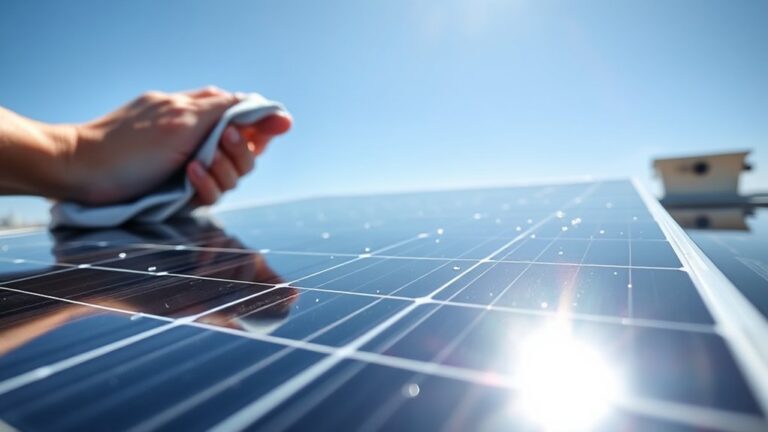
Although solar lights can absorb some indoor light, they charge best when exposed to direct sunlight because their photovoltaic panels convert sunlight into electrical energy efficiently. When sunlight hits the solar panel, it excites electrons, creating a flow of electricity that charges the internal battery.
The stronger and more direct the sunlight, the more power gets stored for nighttime use. You’ll notice that on cloudy days or in shaded areas, solar lights don’t charge as well since less energy reaches the panel.
This is why placing solar lights outdoors where they get plenty of sun matters. Without enough sunlight, the panels can’t generate sufficient electricity, and your solar lights won’t perform as expected after dark.
Can Indoor Lights Really Charge Solar Lights?
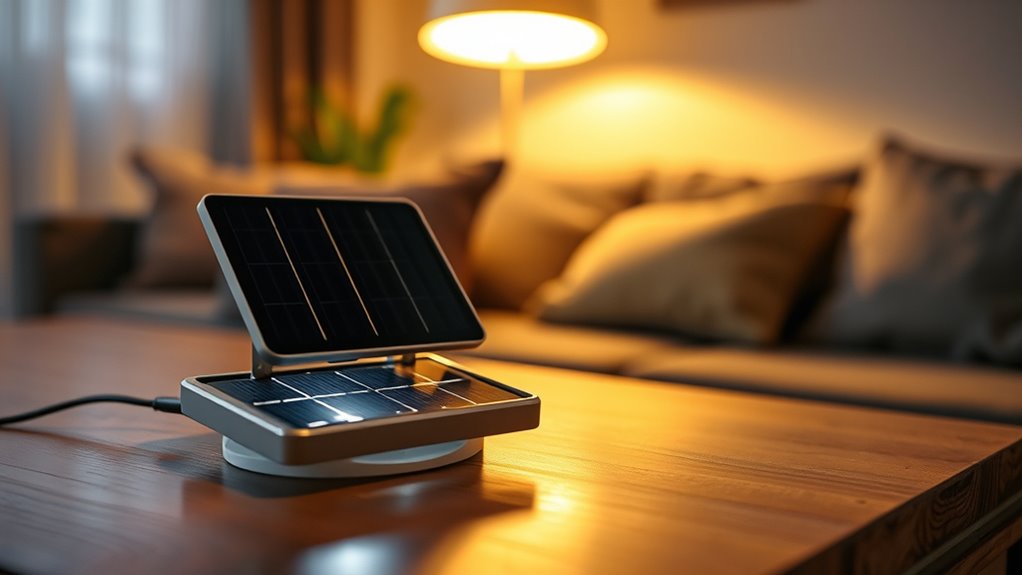
Even though indoor lights emit some energy, they usually don’t provide enough power to fully charge solar lights. You might notice your solar lights store a bit of charge when placed under indoor lighting, but it’s typically minimal.
Most indoor lights lack the intensity and full spectrum of sunlight that solar panels need to generate significant electricity. Fluorescent or LED bulbs, common indoors, emit much lower light levels compared to the sun.
When to Use Indoor vs. Outdoor Charging for Solar Lights
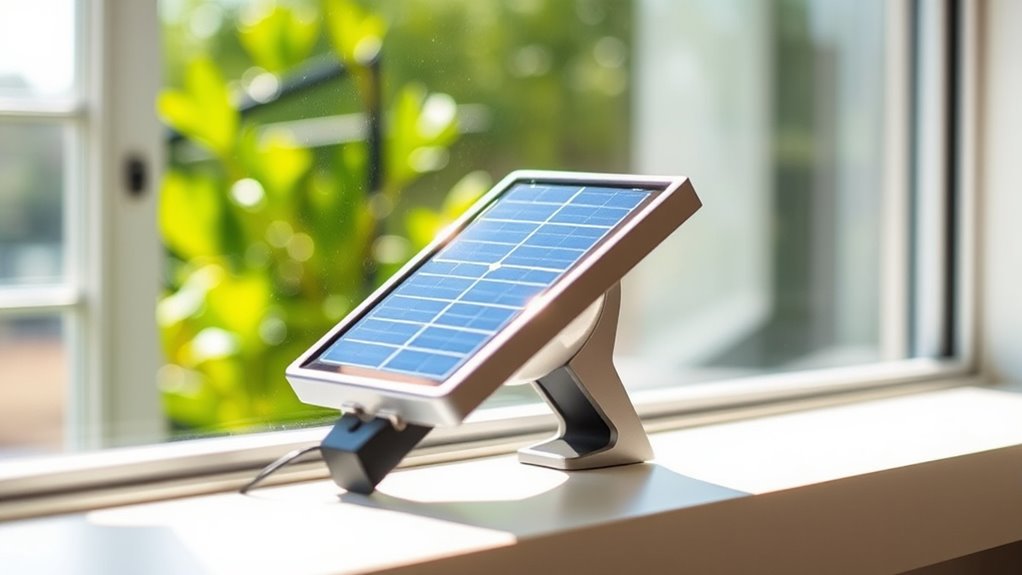
You’ll find that outdoor sunlight charges solar lights much faster and more effectively than indoor lighting.
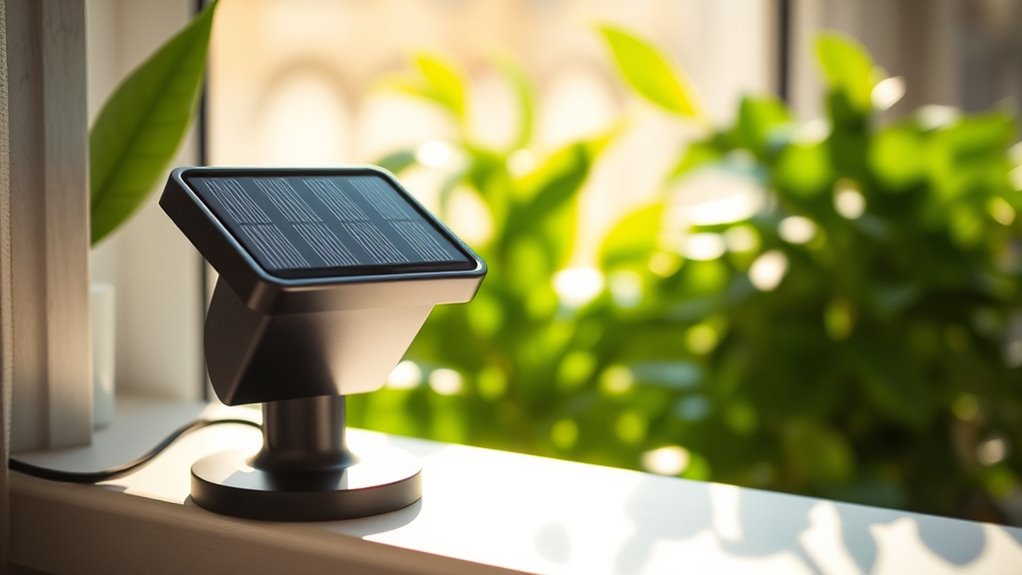
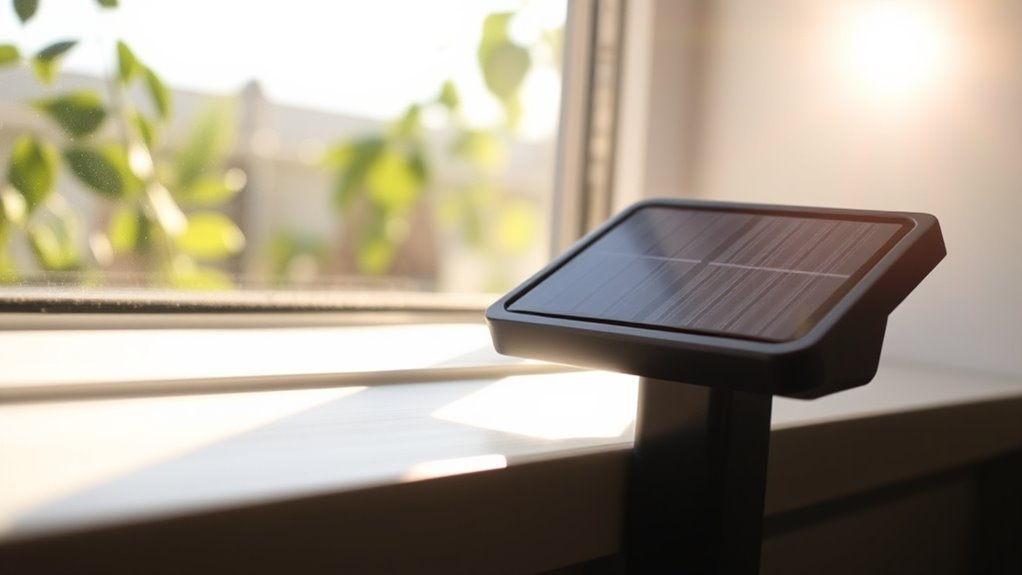
However, indoor charging can work in a pinch if you place the lights near a bright window or under strong artificial light.
Knowing the best conditions for each option helps you keep your solar lights powered when you need them.
Indoor Charging Effectiveness
How well do solar lights charge indoors compared to outside? Indoor charging is usually less effective because typical indoor lighting doesn’t provide enough intensity or the right spectrum of light for solar panels to generate significant power.
You might get a slow trickle charge near a bright window or under strong artificial lights, but it won’t match outdoor sunlight. If you rely on indoor charging, expect reduced run time and dimmer light output.
Use indoor charging only when outdoor sunlight isn’t available for extended periods, like during bad weather or at night. Also, it helps if your solar light has efficient panels designed to capture low light.
Otherwise, charging outdoors remains the more reliable option to keep your solar lights bright and functional.
Outdoor Sunlight Benefits
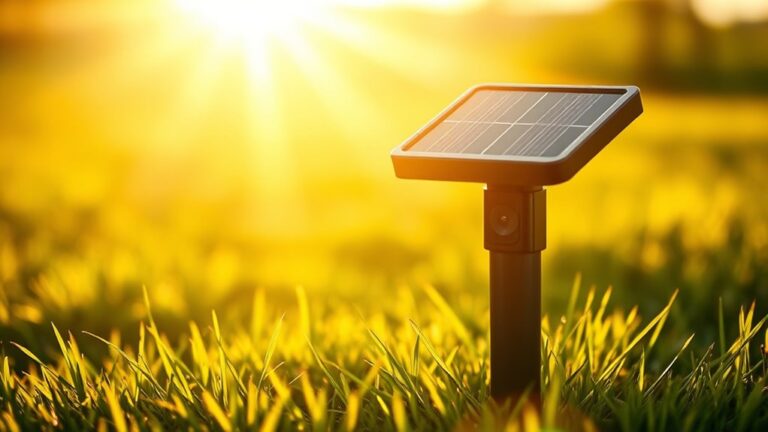
Although indoor charging can offer convenience, outdoor sunlight provides the most efficient and reliable energy source for your solar lights. When you place your solar lights outside, they soak up the full spectrum of sunlight, which indoor lighting simply can’t match.
This means your lights will charge faster and last longer through the night. So, try to use outdoor charging whenever possible, especially on sunny days, to get the best performance.
Consider these benefits of outdoor sunlight charging:
- Stronger energy output: Natural sunlight delivers higher intensity than indoor bulbs.
- Consistent charging: Outdoor exposure ensures steady power without interruptions.
- Longer battery life: Proper charging under sunlight reduces battery wear over time.
Best Charging Conditions
When deciding whether to charge your solar lights indoors or outdoors, think about the lighting conditions and what you need right now. Outdoor sunlight is the strongest and most consistent energy source, so it’s perfect for quick, full charges.
If you want your lights to last all night, put them outside during peak sunlight hours. But if the weather is bad—like on cloudy days or in winter—you can charge them indoors near a bright window.
Just keep in mind, indoor light is much weaker, so charging will take longer and might not fully power the lights. Use indoor charging as a temporary fix or for maintenance, not your main charging method.
Finding the right balance between these options will help your solar lights stay bright when you need them most.
What Indoor Lights Work Best for Charging Solar Lights
Since solar lights rely on light to charge their batteries, the type of indoor lighting you use plays a crucial role in how effectively they gather energy. Not all indoor lights provide the right spectrum or intensity for solar panels to absorb enough energy.
You’ll get the best results with lights that mimic natural sunlight or emit strong, broad-spectrum light.
Here are three types of indoor lights that work best for charging solar lights:
- LED grow lights: Designed to replicate sunlight, they provide the right wavelengths for charging.
- Full-spectrum fluorescent bulbs: These bulbs cover a wide light spectrum, suitable for solar panel absorption.
- High-intensity halogen lamps: They emit strong light, though they consume more energy themselves.
Choosing these will improve your solar light’s indoor charging efficiency. It’s a simple way to keep your solar lights powered up even when you’re not outside.
Tips to Maximize Indoor Charging for Solar Lights
How can you get the most out of indoor charging for your solar lights? First, place your lights as close as possible to a bright window or strong artificial light source. The closer they are, the more energy they’ll absorb.
Use full-spectrum or LED grow lights since they mimic sunlight better than regular bulbs. Keep the solar panel clean and free from dust or smudges, as these reduce light absorption.
Angle the panel to face the light source directly for maximum exposure. Charge during the longest available indoor light periods, ideally 8-12 hours daily.
Avoid placing panels behind tinted glass or in shadowed corners. Following these tips ensures your solar lights charge efficiently indoors, extending their usability when outdoor sunlight isn’t an option.
Troubleshooting Common Indoor Solar Light Charging Challenges
If your solar lights aren’t charging well indoors, the first thing you should check is whether they’re getting enough light exposure. You’ll also want to contemplate battery performance, as worn-out batteries can limit charging capacity.
Let’s look at how to identify and fix these common issues. It’s easier than you might think once you know what to look for!
Insufficient Light Exposure
Why do your indoor solar lights struggle to hold a charge? It’s often due to insufficient light exposure. Solar panels need enough light—preferably sunlight—to generate the energy required to power your lights.
Indoors, the intensity and quality of light drop considerably, making it tough for the panels to charge effectively.
Consider these factors:
- Placement: Is your solar panel near a window that gets direct sunlight? Indirect or artificial light won’t cut it.
- Light Intensity: Indoor lighting is usually too weak for efficient charging.
- Obstructions: Curtains, blinds, or furniture can block sunlight, reducing exposure.
Battery Performance Issues
Several common battery performance issues can prevent your indoor solar lights from charging or working properly. If your lights aren’t holding a charge, the battery might be old or damaged. Rechargeable batteries lose capacity over time, especially if they’ve been exposed to frequent deep discharges.
Also, some batteries aren’t designed for indoor solar lights and won’t recharge efficiently under low light. Check if the battery terminals are clean and making proper contact. Dirt or corrosion can disrupt power flow.
If you notice your lights flickering or dimming quickly, it’s a sign the battery may need replacement. To troubleshoot, try swapping the battery with a new one that matches the specifications. Proper battery care guarantees your indoor solar lights perform reliably despite limited sunlight indoors.
Frequently Asked Questions
How Long Do Solar Lights Typically Last With Regular Outdoor Use?
Solar lights typically last 2 to 5 years with regular outdoor use. You’ll need to replace batteries every 1 to 2 years to keep them bright.
Proper maintenance helps you extend their lifespan considerably. So, a little care goes a long way!
Can Solar Lights Be Recycled or Disposed of Safely?
Think of solar lights as tiny stars you can recycle. You can’t just toss them; you’ll want to take them to electronic recycling centers.
This way, you safely dispose of batteries and components, protecting the Earth’s glow for future nights. It’s a small step that makes a big difference!
Are Solar Lights Waterproof for Outdoor Use?
Yes, most solar lights are waterproof for outdoor use, but you should check the IP rating to be sure.
If it’s IP65 or higher, they’ll handle rain and splashes no problem. That means your lights will stay bright, no matter the weather.
What Materials Are Solar Light Panels Usually Made From?
You’ll find solar light panels often crafted from the sun’s best friends: silicon cells wrapped in glass or durable plastic.
These materials quietly capture sunlight, turning it into energy that powers your lights efficiently and reliably.
It’s pretty cool how something so simple works so well, right?
Do Solar Lights Work in Winter or Cloudy Weather?
Solar lights do work in winter and cloudy weather, but their performance drops. You’ll get less charge since sunlight is weaker, so lights may shine dimmer or shorter.
It’s a good idea to position them where they get maximum exposure. That way, they can soak up as much light as possible even when the sun isn’t at its strongest.
Conclusion
While solar lights charge best outdoors under direct sunlight, you can still charge them indoors using strong LED or fluorescent bulbs. For instance, Jenna kept her solar garden lights indoors during winter, placing them near a bright window and supplementing with a desk lamp.
This helped maintain enough charge for occasional outdoor use. Remember, indoor charging is slower and less efficient, but with the right setup, you can keep your solar lights glowing even inside.
So, if you’re wondering, “will solar lights charge indoors?” the answer is yes, but it takes patience and the right lighting conditions. Using bright bulbs and placing the lights near windows can make a big difference. Just keep in mind that indoor charging won’t be as powerful or fast as direct sunlight. Still, with some effort, you can enjoy the convenience of solar lights inside your home or during the colder months when outdoor charging isn’t an option.