
How Long Do Commercial Solar Installations Typically Take to Estimate?
You can expect a commercial solar installation estimate to take anywhere from a few days up to two weeks. This timeline depends on several factors like your site’s size, the layout complexity, and any structural challenges that might come up.
How quickly you provide the necessary details also plays a big role in speeding things along.
Providers often need to coordinate permits and utility reviews, which can add extra time to the process.
Being prepared with key information not only speeds things up but also helps make your estimates more accurate. So, having everything ready from the start really makes a difference.
Keep exploring to understand how these elements shape your project timeline and what you can do to keep things moving smoothly. It’s all about staying organized and communicating well with your provider.
Key Takeaways
- Commercial solar installation estimates typically take from a few days up to two weeks. It really depends on the project’s complexity and the specifics of the site.
- The size and complexity of the site play a big role. For example, if the layout is irregular or there are multiple buildings, the timeline can stretch from just a few days to over a week.
- How available the provider is and how efficient their workflow is also matters a lot. Scheduling site visits and using digital tools can really speed things up.
- Being prepared with detailed energy usage info, site data, and knowledge of financial incentives helps a ton. It makes the estimating process faster and cuts down on delays.
- Things like permitting, utility coordination, and how quickly property owners respond can also cause delays. These are pretty common factors that can slow things down.
Typical Timeline for Commercial Solar Estimates
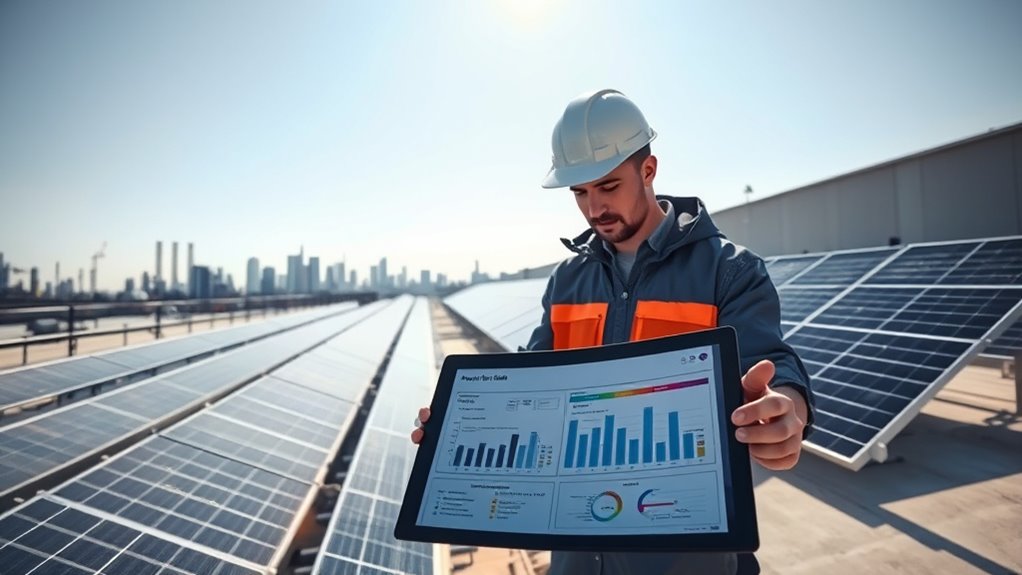
Although the timeline can vary, you can typically expect the commercial solar estimate process to take anywhere from a few days to a couple of weeks. First, you’ll provide basic information about your property and energy needs.
Then, the solar provider usually conducts a site assessment, either virtually or in person, to evaluate your location’s suitability. After gathering data, the company calculates potential savings and designs a system tailored to your business.
Once the design is ready, they’ll present you with a detailed estimate outlining costs, expected energy production, and payback periods. Throughout this process, you might have a few back-and-forths to clarify details or adjust system options.
Factors That Affect Commercial Solar Estimate Time
Because several variables come into play, the time it takes to get a commercial solar estimate can vary widely. You might expect delays or quick turnarounds depending on factors like permitting, utility coordination, and your responsiveness.
Each factor influences how soon you get an accurate estimate.
| Factor | Impact on Time | How It Affects You |
|---|---|---|
| Permitting | Can cause weeks delay | You wait for approvals |
| Utility Coordination | Adds days to weeks | Requires utility feedback |
| Your Responsiveness | Speeds up or slows | Quick replies speed process |
Knowing these helps you manage expectations and stay proactive during your solar estimate journey.
How Site Size and Complexity Affect Commercial Solar Estimates
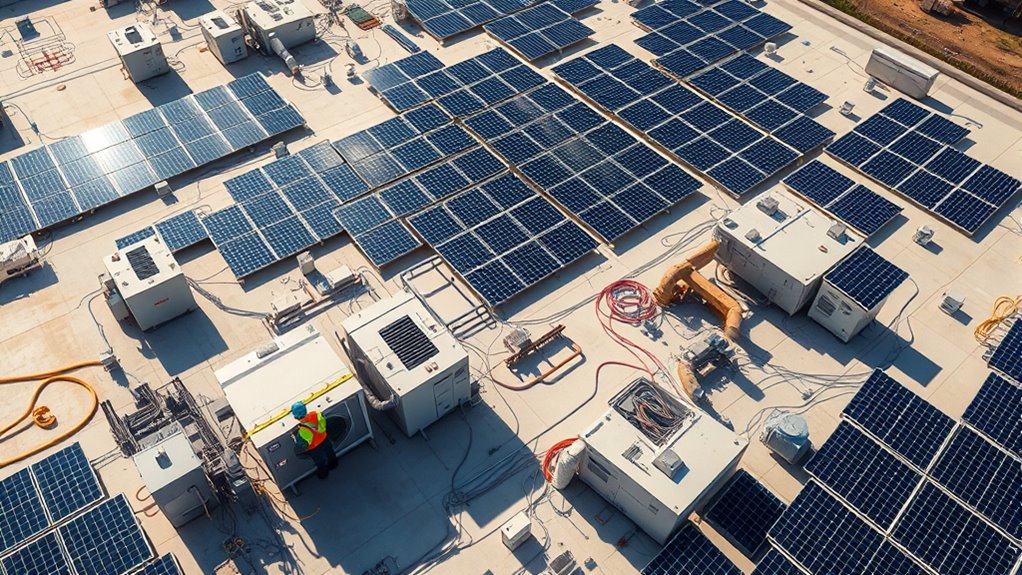
When you’re planning a commercial solar installation, the size of your site plays a big role in the estimate timeline. Structural challenges and how complex the equipment layout is can add extra steps to the process.
It’s important to understand these factors so you can set realistic expectations for your project’s schedule. Knowing what to expect makes the whole process smoother and less stressful.
Site Dimensions Impact
If your commercial site spans a large area or features complex layouts, expect it to influence the time and cost of your solar installation. Larger sites require more detailed measurements and planning.
Complex layouts, like multiple buildings or irregular shapes, add to the design time to maximize panel placement and efficiency. These factors extend the estimate process but guarantee a tailored system.
| Site Size | Impact on Estimate Time | Complexity Level | Effect on Cost |
|---|---|---|---|
| Small (<5,000 sq ft) | 1-2 days | Low | Lower |
| Medium (5,000-20,000 sq ft) | 2-4 days | Medium | Moderate |
| Large (20,000-50,000 sq ft) | 4-7 days | High | Higher |
| Extra Large (>50,000 sq ft) | 7+ days | Very High | Much Higher |
Structural Challenges Considered
Though site size and layout play major roles, structural challenges often prove the most critical factors in commercial solar estimates. You’ll need to assess the building’s ability to support solar panels, which can slow the process if reinforcement is needed.
Additionally, unusual roof shapes or materials might require custom mounting solutions, adding complexity. Here are key structural elements you should consider:
- Roof load capacity and condition
- Presence of obstructions like vents or HVAC units
- Accessibility for installation and maintenance
- Local building codes and structural regulations
Each factor demands careful evaluation, as overlooking them could lead to costly redesigns or delays. By addressing these challenges upfront, you’ll get a more accurate timeline and cost estimate for your commercial solar project.
Equipment and Layout Complexity
As your site grows in size and complexity, the equipment needed and system layout become more intricate, directly impacting your commercial solar estimate. Larger sites require more panels, inverters, and mounting structures, which increases design time and material costs.
Complex layouts—such as irregular roof shapes, shading issues, or multiple buildings—demand detailed planning to optimize energy production and guarantee system safety. You’ll also need specialized equipment or custom solutions, adding to the timeline.
Every adjustment affects wiring, permits, and installation logistics, so your estimator must carefully assess these variables. Understanding how these factors influence your project helps you set realistic expectations for both costs and scheduling.
Ultimately, the more complex your site, the longer and more detailed your commercial solar estimate will take. It’s all about making sure everything fits just right and works safely.
How Provider Processes Affect Estimate Timeline
Your estimate timeline depends a lot on how your provider handles the assessment and site visit. Some companies schedule these quickly, while others take more time to gather detailed information.
Then, the proposal preparation can add days or even weeks. It really depends on their process and workload. So, the whole timeline can vary quite a bit.
Assessment and Site Visit
Because the assessment and site visit lay the groundwork for your solar installation, the provider’s process can considerably impact how quickly you receive an accurate estimate. When the provider is efficient, you’ll get a swift, reliable evaluation.
Here’s what typically happens during this phase:
- Scheduling the site visit, which depends on both your and the provider’s availability.
- Inspecting your roof’s condition, orientation, and shading to determine solar panel placement.
- Reviewing your electrical system and energy usage to customize the installation plan.
- Taking measurements and notes to ensure all technical details are covered.
If the provider uses digital tools and has experienced staff, they can expedite these steps, reducing delays in your estimate timeline. It’s all about making the process smoother and faster for you.
Proposal Preparation Time
Once the site visit wraps up, the provider shifts focus to preparing your proposal, which plays a big role in how quickly you get a clear estimate. During this phase, they analyze the collected data, calculate system size, and factor in costs like equipment, labor, and permits.
The provider’s internal workflows and availability of resources directly affect how fast they deliver your proposal. If they use advanced software and have streamlined processes, you’ll likely receive the estimate sooner.
On the other hand, providers juggling multiple projects or relying on manual calculations may take longer. You can speed things up by promptly supplying any requested documents or clarifications.
Understanding the provider’s process helps set realistic expectations for when you’ll see a detailed, accurate proposal. It’s all about keeping things moving smoothly!
Information You Need for a Faster Solar Estimate
To get a faster and more accurate solar estimate, you’ll need to gather specific information about your property and energy usage. Having these details ready helps installers assess your site quickly and tailor the proposal to your needs.
- Energy Consumption Data – Provide recent electricity bills showing your monthly usage in kilowatt-hours (kWh).
- Property Details – Include roof dimensions, orientation, shading, and material type.
- Site Location – Share the exact address or GPS coordinates to evaluate sunlight exposure.
- Electrical System Info – Know your current electrical setup, including breaker panel capacity and voltage.
With this information at hand, solar professionals can speed up their assessment, delivering a precise estimate without delays. It really makes the whole process smoother and quicker for everyone involved.
Preparing Your Business for a Fast, Accurate Estimate
If you want a fast, accurate solar estimate for your business, you need to organize key information ahead of time. Gather details like your current energy usage, utility bills, and site specifics such as roof size, orientation, and shading. Having this ready helps installers assess your needs quickly.
Also, clarify your budget and any financial incentives you plan to use, like tax credits or rebates. Communicate your business goals clearly—whether it’s cutting costs, sustainability, or energy independence.
Make sure you have access to the property during the site visit and be prepared to answer questions promptly. By preparing this way, you streamline the estimating process, reduce back-and-forth, and get a precise, tailored solar proposal faster.
Frequently Asked Questions
What Incentives Are Available for Commercial Solar Installations?
You can take advantage of federal tax credits, state rebates, and local incentives for commercial solar installations. Many utilities offer performance-based incentives, which can really help lower your costs.
Plus, some areas provide grants or low-interest loans to help offset installation expenses. These options make going solar more affordable than you might think!
How Does Solar Panel Efficiency Impact Overall Savings?
You might think higher solar panel efficiency always means bigger savings, but it depends on your roof space and energy use.
Efficient panels generate more power in less space, boosting your overall savings over time.
So, if you have limited roof space, going for more efficient panels can really pay off.
But if space isn’t an issue, sometimes less efficient panels might do the job just fine without breaking the bank.
Can Commercial Solar Installations Increase Property Value?
Yes, commercial solar installations can increase your property value by lowering energy costs and attracting eco-conscious tenants.
You’ll enjoy higher resale value and market appeal, making your investment both financially and environmentally rewarding. It’s a win-win!
What Maintenance Is Required After Installation?
Your solar panels are like a garden—they need occasional cleaning and inspections to keep thriving. You’ll want to check for debris and guarantee connections stay tight.
Also, keep an eye on performance to catch issues early. This helps keep energy flowing smoothly without any interruptions.
Are There Financing Options for Commercial Solar Projects?
Yes, you’ll find various financing options for commercial solar projects, including loans, leases, power purchase agreements, and government incentives.
These help you manage upfront costs and make solar more affordable and accessible for your business. It’s all about finding the right fit for your needs and budget.
Conclusion
So, you want a lightning-fast commercial solar estimate? Sure, just wave your magic wand, summon a crystal ball, and hope the sun cooperates!
In reality, estimating takes time—site size, complexity, and provider processes aren’t fairy dust you can sprinkle away. But if you come prepared with all the right info, you’ll speed things up.
So, buckle up, be patient, and remember: Rome wasn’t powered by solar panels overnight either.
When it comes to commercial solar installations, the estimate process depends on several factors like site size and project complexity. Getting a reliable commercial solar estimate takes time because providers need to assess your specific needs carefully.
Being prepared with detailed information helps streamline the process and can lead to faster, more accurate estimates. Patience is key since a thorough evaluation ensures your installation is efficient and cost-effective.
Ultimately, understanding how long commercial solar installations take to estimate helps set realistic expectations and paves the way for a successful solar energy project.



One Comment