
How Much Do Solar Panels Cost in Missouri: 3 Key Factors
When you consider solar panel costs in Missouri, three key factors really stand out. First, the state’s moderate sunlight means you get reliable energy and steady savings over time. Missouri gets just enough sun, making solar a smart choice without the extremes of really sunny or cloudy states.
Next, your roof type plays a big role in how much installation will cost. Simple, south-facing asphalt shingles are usually the least expensive to work with. But if you have a steep roof or metal materials, expect the installation to be a bit more complex and costly.
Finally, the size of your solar system depends on your energy needs. Bigger setups naturally cost more upfront but can save you more in the long run.
Don’t forget, Missouri offers some great incentives too—like tax credits and rebates—that help cut down your initial expenses. It’s worth digging into how these factors shape your solar investment.
Key Takeaways
- Missouri’s moderate sunlight ensures consistent solar energy generation, stabilizing system efficiency and cost-effectiveness year-round.
- Roof type impacts installation costs, with simple, south-facing asphalt shingle roofs being the most affordable option.
- Larger solar systems required for higher energy needs increase overall installation and equipment expenses.
- Federal and state incentives like the 30% tax credit and property tax exemption significantly reduce upfront solar costs.
- System size, roof complexity, and available rebates collectively determine the final solar panel cost in Missouri.
What Missouri’s Location and Roof Type Mean for Solar Panel Costs
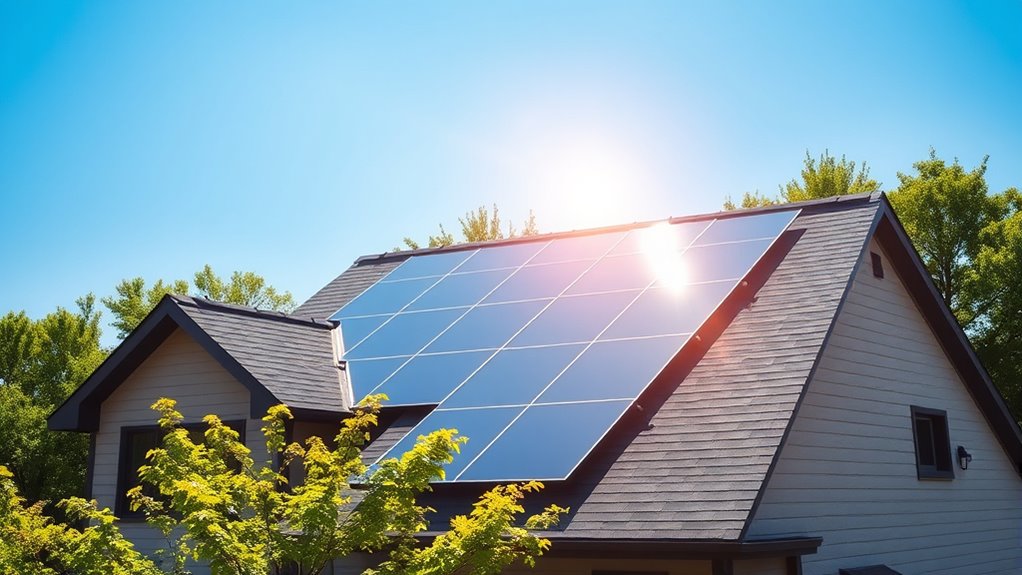
Because Missouri’s location offers moderate sunlight throughout the year, your solar panel system can generate a reliable amount of energy without extreme fluctuations. This consistency means your investment will pay off steadily, making solar a practical choice.
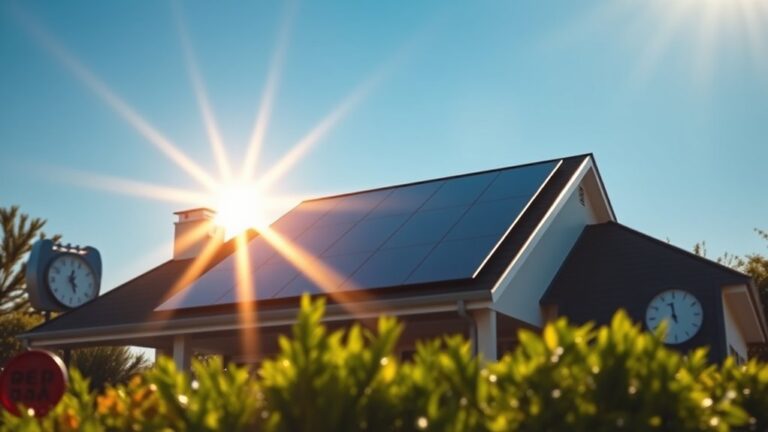
When considering costs, your roof type plays a significant role. If you have a simple, south-facing roof with minimal shading, installation will be easier and less expensive. But complex roofs with multiple angles, steep pitches, or shading from trees can increase labor and equipment costs.
Materials also matter—metal roofs may require special mounting hardware, raising expenses. Meanwhile, asphalt shingles typically allow for straightforward installation. By understanding how your location and roof type affect installation complexity, you can better anticipate the overall expense and maximize your solar panel system’s effectiveness in Missouri.
How System Size and Energy Needs Affect Solar Panel Costs in Missouri
Understanding your location and roof type helps set the stage, but the size of your solar panel system and your energy needs have a direct impact on your overall costs.
If you use more electricity, you’ll need a larger system to cover your consumption, which raises the upfront price. A bigger system means more panels, wiring, and installation time.
Conversely, if your energy use is modest, you can opt for a smaller system, saving you money. Keep in mind, the system size also depends on your goals—whether you want to offset all or part of your electricity bill.
How Incentives and Rebates Can Cut Your Solar Panel Costs in Missouri
Several incentives and rebates in Missouri can substantially reduce the cost of installing solar panels, making the investment more affordable for you. These programs lower your upfront expenses and improve your return on investment.
By taking advantage of them, you can greatly cut down the overall system cost.
Here are some key incentives and rebates to evaluate:
- Federal Solar Tax Credit (ITC): Deduct 30% of your solar installation cost from your federal taxes.
- Missouri Property Tax Exemption: Solar systems are exempt from property tax increases.
- Net Metering: Sell excess energy back to the grid, lowering your utility bills.
- Local Utility Rebates: Some utilities offer cash rebates or discounts on solar installations.
Exploring these options helps you save money and accelerates your solar panel payback period.
Frequently Asked Questions
How Long Do Solar Panels Typically Last in Missouri?
You can expect solar panels in Missouri to last about 25 to 30 years. With proper maintenance, they keep producing electricity efficiently.
This helps you save money and reduce your carbon footprint over the long term. It’s a smart investment that pays off in more ways than one!
What Maintenance Is Required for Solar Panels in Missouri?
You’ll need to clean your solar panels a couple of times a year to remove dust and debris. It’s pretty simple but important to keep them working efficiently.
Also, check for any shading that might block sunlight, inspect the wiring, and make sure the mounting hardware stays secure.
Missouri’s weather can be a bit unpredictable, so sometimes your panels might need a little extra attention here and there. Just keep an eye on them, and you should be good to go!
Can Solar Panels Increase My Missouri Home’s Resale Value?
Yes, solar panels can increase your Missouri home’s resale value by making it more energy-efficient and attractive to buyers. They often lower utility costs, which many buyers find appealing.
This boost in energy savings can really make your home stand out in the market. So, not only do solar panels help the environment, but they can also help you get a better price when you sell.
Are Solar Panels Effective During Missouri’s Winter Months?
Yes, solar panels still work during Missouri’s winter months, though their efficiency drops due to shorter days and snow coverage.
You’ll still generate power, especially on sunny days. This helps reduce your energy bills year-round.
How Do Solar Panels Impact My Missouri Property Taxes?
You won’t see an increase in your Missouri property taxes when you install solar panels because the state offers a property tax exemption for renewable energy systems. This helps you save money while boosting your home’s value and sustainability.
Conclusion
When considering solar panels in Missouri, you’ll see how location shapes efficiency. Your roof type also plays a big role in influencing installation. Plus, system size matters when it comes to meeting your energy needs.
You’ll discover how incentives help reduce costs and how rebates make solar more affordable. Making smart choices is key to maximizing your savings.
By understanding these factors, you’re not just investing in solar panels—you’re investing in a brighter, cleaner future. Choosing solar in Missouri means lowering your energy bills and supporting a more sustainable community. With the right system size, roof type, and local incentives, going solar is a smart, cost-effective decision for your home and the environment.
One Comment