
What Can a 100 Watt Solar Panel Run?
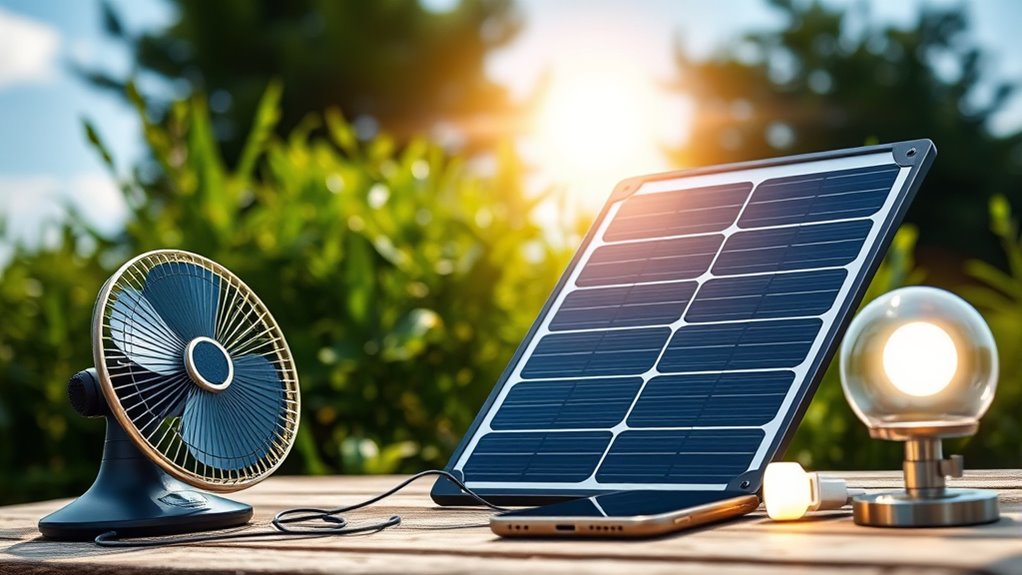
You can power essential small devices like LED lights, smartphones, radios, and laptops with a 100 watt solar panel. It’s perfect for charging low-power electronics and running small appliances such as fans or mini-fridges, especially in off-grid or remote settings.
A 100 watt solar panel is a great entry point if you want to harness solar energy without a huge setup.
While it won’t handle large household appliances, pairing it with the right battery and inverter boosts performance. Keep its placement sunny and optimized, and you’ll get the most out of your panel.
Explore how to maximize and use it best for your needs—you’ll be surprised how much a 100 watt solar panel can do!
Key Takeaways
- A 100-watt solar panel produces 300 to 600 watt-hours daily, which is enough to power small electronics and LED lighting.
- It can charge smartphones, tablets, radios, and even run small water pumps or mini-fridges for a few hours.
- This makes it great for off-grid cabins, RVs, and remote workstations that don’t need a ton of energy.
- Just keep in mind, it won’t be able to handle big household appliances like full-sized refrigerators or devices that use a lot of power continuously.
- For the best results, you’ll want to place the panel properly, use efficient batteries and charge controllers, and maybe even consider tracking mounts.
How Much Energy Does a 100 Watt Solar Panel Produce Daily?
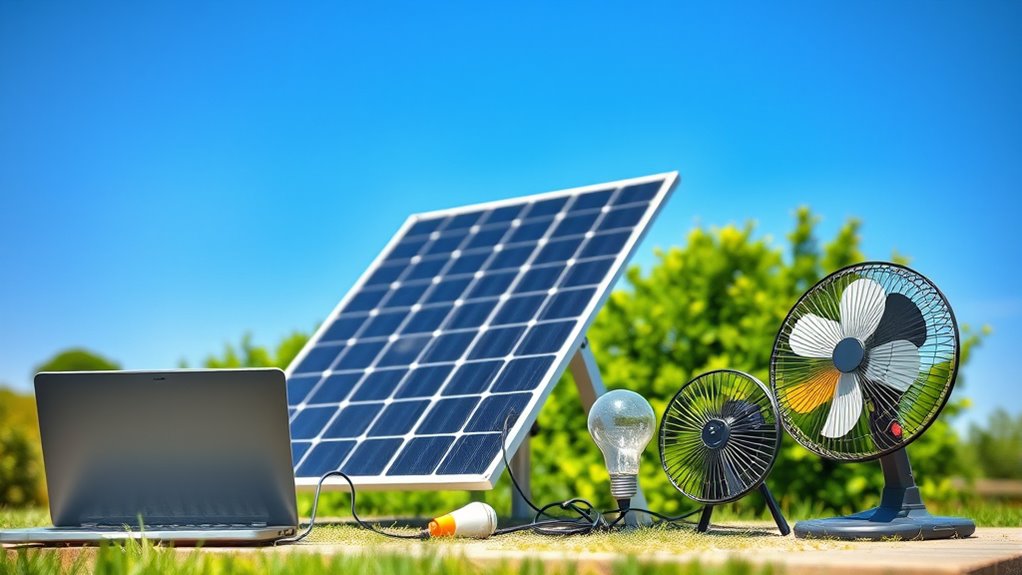
A 100 watt solar panel typically produces about 300 to 600 watt-hours of energy per day, depending on factors like sunlight exposure and location.
If you live in a sunny area, your panel will generate closer to 600 watt-hours, while cloudier regions might yield less. The time your panel spends in direct sunlight also matters—longer exposure means more energy.
You should consider seasonal changes too, as shorter days reduce energy output in winter. Your panel’s angle and placement affect efficiency; positioning it to face the sun maximizes power.
Keep in mind that shading from trees or buildings can considerably cut production. Understanding these factors helps you estimate how much energy you can rely on from your 100 watt solar panel daily.
What Everyday Devices Can a 100 Watt Solar Panel Power Reliably?
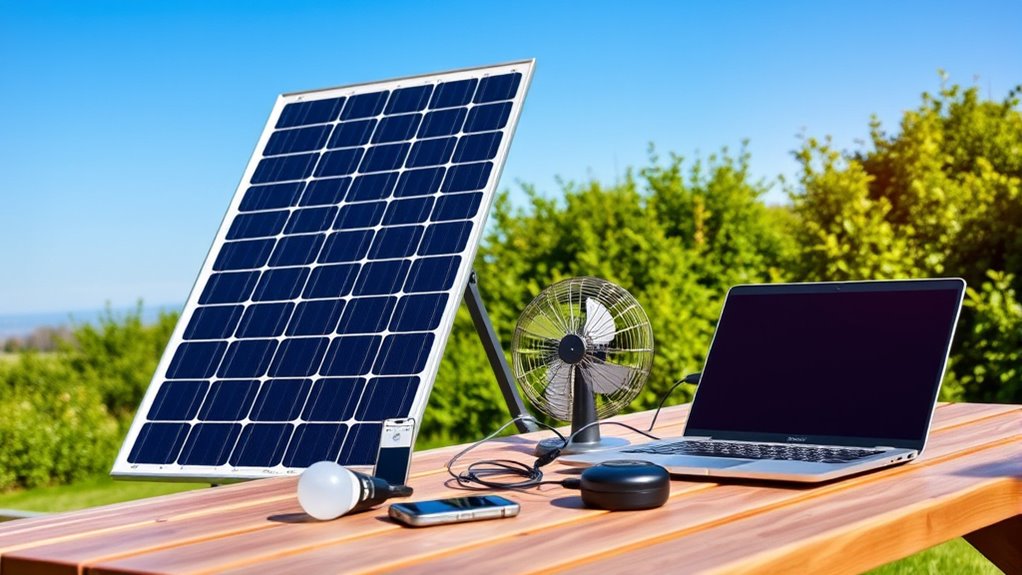
Although a 100 watt solar panel doesn’t produce massive amounts of power, it can still run several everyday devices efficiently. You can reliably power LED lights, charging your phone, tablets, or small laptops, and keep small fans running comfortably.
Devices with low power consumption, like radios, digital cameras, and portable speakers, also work well with this setup. A 100 watt panel is great for charging power banks or running small USB appliances during outdoor activities or emergencies.
However, it’s best to avoid devices that draw high power continuously, as the panel may struggle to keep up. By matching your usage to these low-energy devices, you’ll make the most of your solar panel’s capabilities without any hassle.
Can a 100 Watt Solar Panel Run Common Household Appliances?
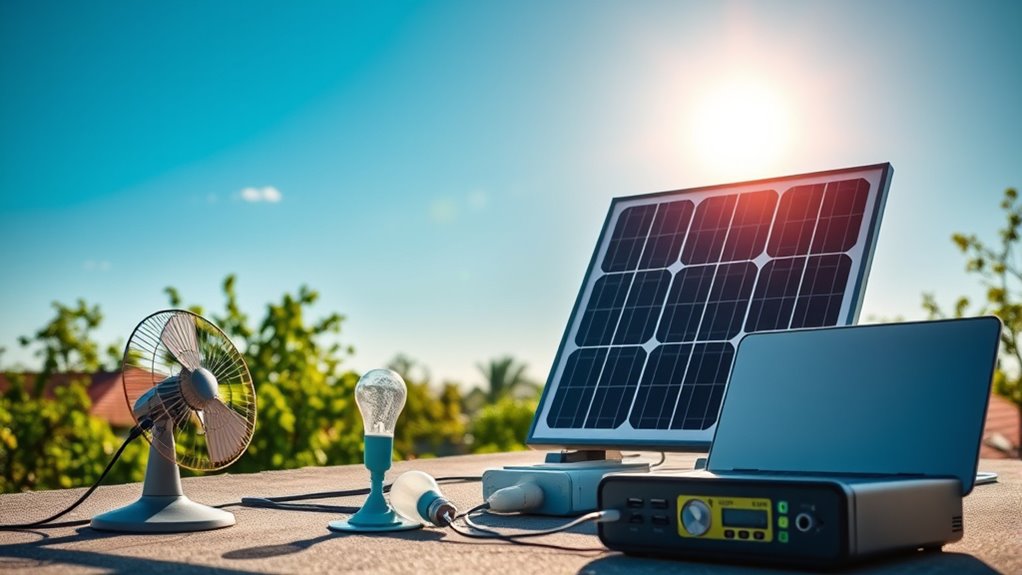
How effectively can a 100 watt solar panel power common household appliances? While it’s great for small devices, powering larger appliances is challenging.
A 100 watt panel produces around 300-600 watt-hours per day depending on sunlight, which limits what you can run.
Here’s a quick look at some appliances and their compatibility:
| Appliance | Can a 100W Panel Run It? |
|---|---|
| LED Light Bulb | Yes, easily for several hours |
| Laptop Charger | Yes, but limited to a few hours |
| Refrigerator | No, needs more power than available |
You can run small electronics, but larger or continuous-use appliances will require more solar capacity or storage solutions.
Which Battery and Inverter Pair Best With a 100 Watt Solar Panel?
When choosing a battery for your 100 watt solar panel, you’ll want to make sure it matches your panel’s output and fits your energy needs.
Pairing it with an inverter that suits the panel’s capacity helps keep power conversion efficient and avoids energy loss.
Battery Types Compatibility
Which battery type pairs best with a 100 watt solar panel depends on your specific energy needs and budget. You want a battery that efficiently stores the energy your panel generates without wasting power.
Here are four common battery types compatible with a 100 watt solar panel:
- Lead-Acid (Flooded) – Affordable but requires maintenance and ventilation.
- Sealed Lead-Acid (AGM/Gel) – Maintenance-free, safer indoors, but pricier.
- Lithium-Ion – Lightweight, long lifespan, higher upfront cost, great for frequent cycling.
- Nickel-Based – Less common, stable but usually more expensive and less efficient for small setups.
Match your battery choice to your usage patterns and space. This way, you can be sure your 100 watt panel charges it effectively without overloading or underutilizing your setup.
Inverter Capacity Selection
Selecting the right inverter capacity is essential to guarantee your 100 watt solar panel system runs smoothly and efficiently. Since your panel produces limited power, choose a low-capacity inverter, typically between 150 to 300 watts. This helps avoid energy waste and maximize conversion efficiency.
Pairing your inverter with a compatible battery, such as a 12V deep-cycle battery, helps store and regulate power effectively. Avoid oversizing the inverter, as it can drain your battery faster and reduce system lifespan. Instead, match the inverter’s continuous watt rating closely with your panel’s output and your typical energy needs.
This balance ensures you get reliable power for small devices without straining your setup. In short, choose an inverter that complements your panel and battery for the best performance. Keep it simple and matched, and your system will work great!
How Can You Maximize the Energy Output of Your 100 Watt Solar Panel?
To get the most from your 100 watt solar panel, position it to capture the most sunlight throughout the day. Try to adjust the angle as the seasons change to keep it facing the sun directly.
Use efficient energy storage to hold onto power longer and minimize your devices’ power consumption. That way, you’re not wasting any of the energy your panel produces.
These steps will help you maximize your panel’s energy output effectively. It’s all about making the most of the sunlight and using the power wisely.
Optimal Panel Positioning
How can you make certain your 100 watt solar panel captures the most sunlight possible? Positioning is key. You’ll want to optimize its angle and direction to boost energy output throughout the day.
Here’s how you can do it:
- Face South (Northern Hemisphere): Point the panel true south to maximize exposure. This simple step can make a big difference.
- Adjust Tilt Angle: Match the panel’s tilt to your latitude for year-round efficiency. It helps the panel soak up more sun no matter the season.
- Avoid Shadows: Keep trees, buildings, or other objects from casting shadows on the panel. Even a little shade can reduce power output quite a bit.
- Use a Tracking Mount: If possible, use a mount that follows the sun’s path to increase daily sunlight capture. This can really up your energy game throughout the day.
Efficient Energy Storage
Where should you store the energy your 100 watt solar panel produces to make the most of it? The answer is in a reliable battery system designed for solar use. Lithium-ion batteries are ideal because they hold charge longer, discharge efficiently, and last through many cycles.
Pairing your panel with a charge controller protects your battery from overcharging and extends its life. To maximize energy output, match your battery capacity with your panel’s daily production—too small, and you’ll waste power; too large, and you’ll pay for unused storage.
Also, consider a battery management system (BMS) to monitor and optimize charging. By storing energy effectively, you ensure your 100 watt solar panel powers your devices when sunlight isn’t available, making your setup more practical and dependable.
Minimize Power Consumption
Although a 100 watt solar panel provides a limited amount of energy, you can stretch its output considerably by minimizing your power consumption. By being mindful about how and when you use electricity, you’ll get the most from your panel.
Here are four simple ways to do that:
- Turn off devices when not in use to avoid unnecessary power drain.
- Use energy-efficient appliances and LED lights that require less power.
- Limit high-wattage activities, like running a hairdryer or heater, during low sunlight hours.
- Charge devices during peak sunlight to maximize direct solar energy use.
What Are the Best Use Cases for a 100 Watt Solar Panel in Off-Grid Living?
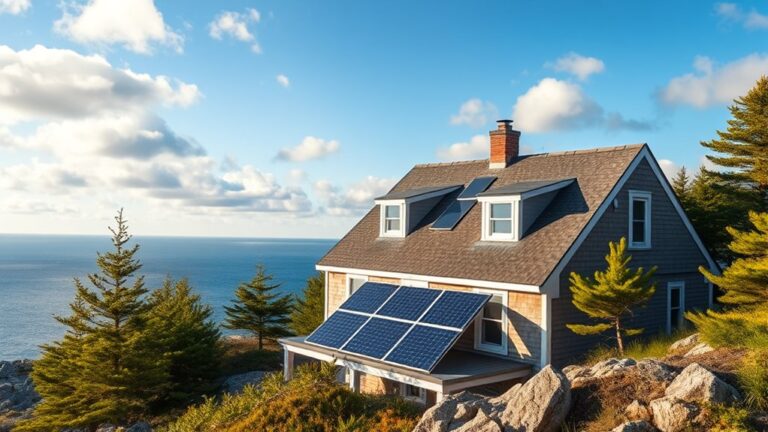
A 100 watt solar panel can power several essential devices for off-grid living, making it a practical choice for those seeking energy independence. You can rely on it to charge small electronics, run LED lighting, and power communication devices.
It’s perfect for cabins, RVs, or remote workstations where minimal energy is needed. Here’s a quick guide to the best use cases:
| Use Case | Typical Devices |
|---|---|
| Lighting | LED bulbs, lanterns |
| Communication | Smartphones, radios |
| Small Appliances | Fans, mini-fridges |
| Electronics Charging | Laptops, tablets |
| Water Pumping | Small water pumps |
This setup keeps your off-grid life comfortable without overloading your system. It’s all about balancing your energy needs with what your solar panel can provide.
Frequently Asked Questions
How Long Does a 100 Watt Solar Panel Typically Last?
A 100 watt solar panel typically lasts around 25 to 30 years. You’ll notice some efficiency loss over time, but with proper care, it’ll keep generating power reliably for decades to come.
It’s pretty impressive how long these panels can work for, right? Just a little maintenance here and there goes a long way in keeping them efficient.
What Maintenance Is Needed for a 100 Watt Solar Panel?
Think of your 100-watt solar panel as a garden—it needs regular cleaning, checking connections, and shading removal.
You’ll keep it thriving by inspecting for damage and ensuring it captures sunlight unhindered, maximizing its energy harvest.
Are 100 Watt Solar Panels Waterproof?
Yes, 100 watt solar panels are waterproof. They’re designed with sealed materials and durable glass to withstand rain and moisture.
Can 100 Watt Solar Panels Be Connected in Series or Parallel?
Want to boost your power output? Yes, you can connect 100 watt solar panels in series or parallel.
Series connections increase the voltage, while parallel connections boost the current.
Just make sure the panels have matching specs to avoid any damage or inefficiency.
It’s pretty straightforward once you get the hang of it!
How Does Weather Affect a 100 Watt Solar Panel’s Performance?
Weather directly impacts your 100-watt solar panel’s performance. Cloudy or rainy days reduce sunlight, which lowers the power output.
On the other hand, bright, sunny weather boosts efficiency. It’s pretty straightforward like that.
But it’s not just about sunlight. Temperature extremes can also affect its overall energy production. So, keeping an eye on the weather helps you understand how your panel is doing.
Conclusion
Imagine the soft glow of your LED lights or the gentle hum of your small fan, all powered by your 100 watt solar panel. It’s not just about energy; it’s about freedom—capturing sunlight to fuel your everyday moments.
While it can’t run every appliance, it’s perfect for charging devices, powering small gadgets, and supporting off-grid adventures. With the right battery and setup, you’ll harness the sun’s power efficiently, turning rays into reliable energy wherever you are.
A 100 watt solar panel can run essential small electronics and keep your devices charged, making it ideal for camping, tiny homes, or emergency backup power. By pairing it with a compatible battery system, you maximize its output and enjoy the benefits of clean, renewable energy on the go. Whether you’re off-grid or just looking to reduce your electricity bill, a 100 watt solar panel offers a practical and eco-friendly way to keep your small appliances and gadgets running smoothly.



5 Comments