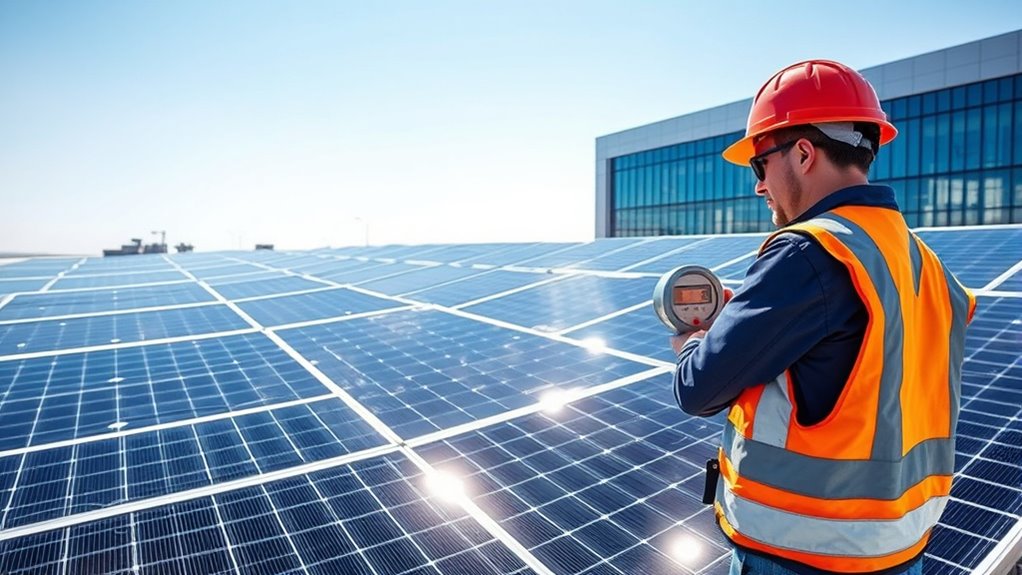
What Is C&I Solar and How Does It Work?
C&I solar powers your business or industrial facility by converting sunlight into electricity right on-site. This means you rely less on the grid and can significantly lower your energy costs.
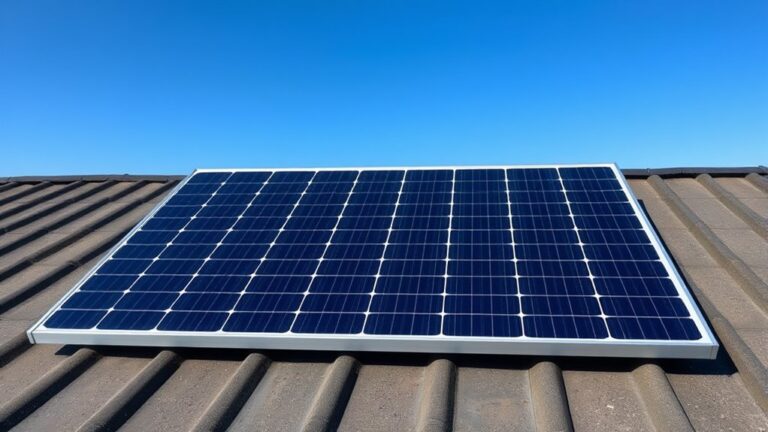
Solar panels capture sunlight and produce DC electricity. Then, an inverter changes that into usable AC power for your operations.
Any extra energy you generate doesn’t go to waste. You can store it for later use or send it back to the grid to earn credits, which boosts your overall savings.
Plus, you’ll benefit from various incentives and smarter energy management.
Keep exploring to discover how to maximize these advantages and make your facility more energy-efficient and cost-effective. It’s a smart move for both your business and the environment!
Key Takeaways
- C&I solar systems generate on-site electricity for commercial and industrial facilities, reducing reliance on grid power. This means businesses can save money by using their own clean energy.
- Solar panels convert sunlight into DC electricity, which inverters then change to AC for everyday business use. It’s a smart way to keep things running smoothly and sustainably.
- Excess energy can be stored in batteries or sent back to the grid through net metering. So, when your system produces more power than you need, you don’t waste it.
- Performance monitoring software tracks energy production and system efficiency for optimization. This helps you keep an eye on how well everything is working.
- Financial benefits include cost savings, tax credits, rebates, and revenue from utility programs like feed-in tariffs. Basically, going solar can pay off in several ways!
What Is Commercial and Industrial (C&I) Solar?
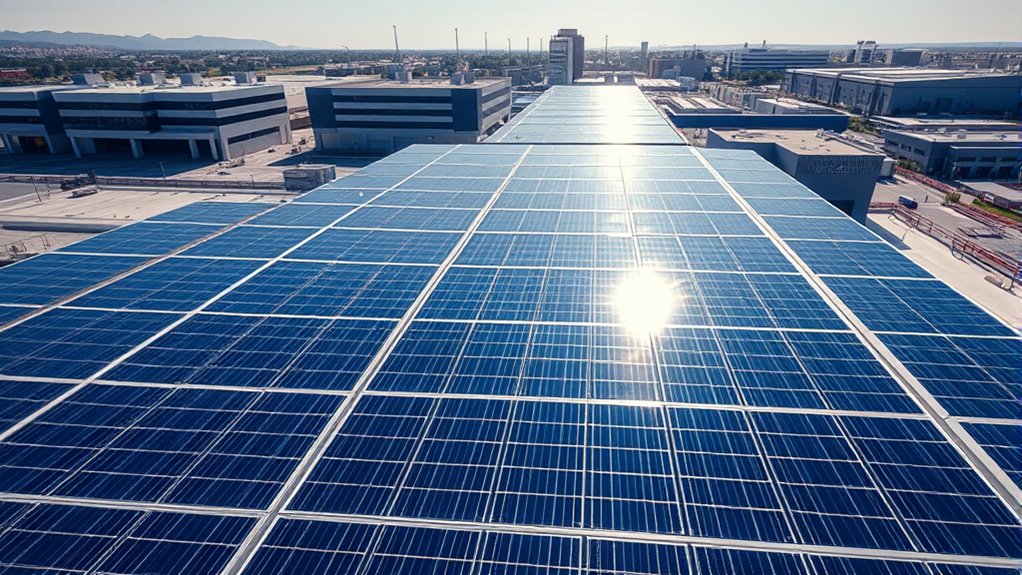
What exactly is Commercial and Industrial (C&I) solar? It refers to solar energy systems designed specifically for businesses, factories, and large facilities rather than individual homes. When you install C&I solar panels, you generate electricity on-site, reducing your reliance on the grid and lowering energy costs.
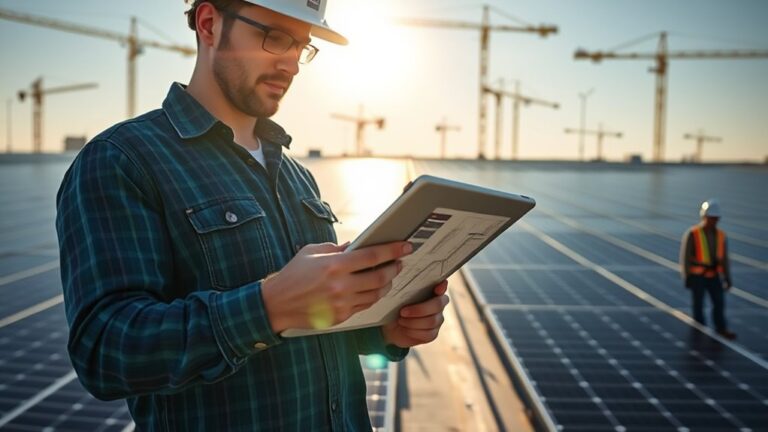
Unlike residential solar, these systems are typically larger and tailored to meet the unique energy demands of commercial operations. You’ll find C&I solar on warehouses, office buildings, manufacturing plants, and retail stores.
These systems not only help you save money but also demonstrate your commitment to sustainability, which can enhance your brand image. By choosing C&I solar, you’re investing in a cleaner, more efficient energy solution that supports your business’s growth and environmental goals.
How C&I Solar Systems Work for Businesses
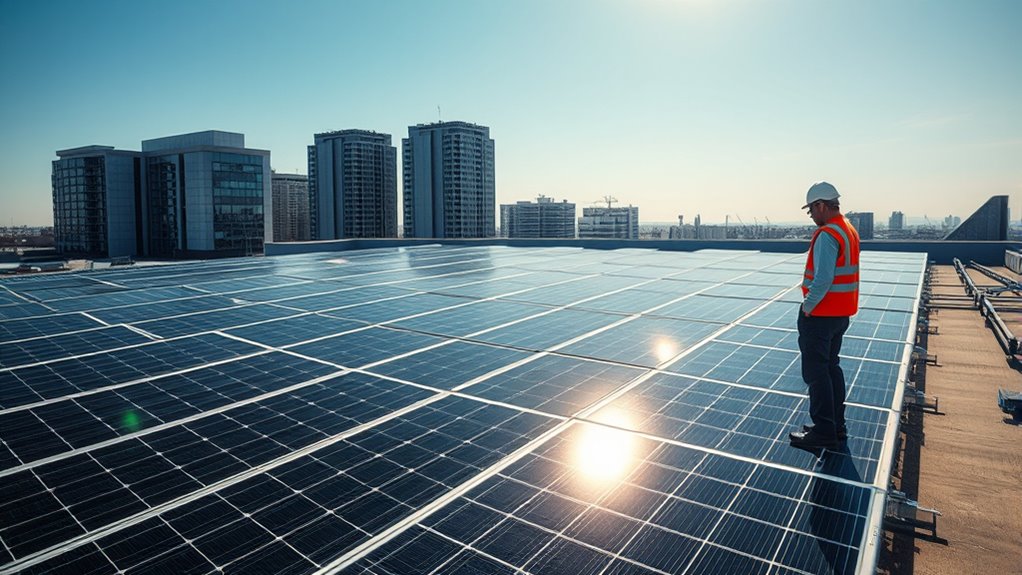
You’ll see how C&I solar systems capture sunlight and convert it into electricity to power your business. Understanding this energy generation process is key to realizing how much you can save on utility bills.
Let’s also explore the financial benefits that make these systems a smart investment. It’s pretty exciting when you think about the long-term savings and value they bring!
Energy Generation Process
How exactly do C&I solar systems power your business? It starts with solar panels capturing sunlight and converting it into direct current (DC) electricity. This DC electricity flows to an inverter, which transforms it into alternating current (AC) electricity—the type your business equipment uses.
From there, the AC power feeds directly into your electrical panel, supplying energy to your operations. Any extra energy your system produces can be stored in batteries or sent back to the grid, depending on your setup.
Throughout the day, this process happens continuously, reducing your reliance on traditional power sources. By generating your own electricity on-site, you gain more control over your energy use and help decrease your carbon footprint.
Financial Benefits Explained
Generating your own solar power not only cuts energy costs but also opens the door to significant financial advantages for your business. By installing a C&I solar system, you reduce or even eliminate your monthly electricity bills, freeing up cash flow to invest elsewhere.
You can also take advantage of tax credits, like the Investment Tax Credit (ITC), which can offset a substantial portion of your installation costs. Plus, many states offer incentives and rebates that further lower upfront expenses.
Over time, your solar system increases your property’s value and protects you from rising energy prices. And with net metering, you might even earn credits by feeding excess energy back to the grid.
All in all, C&I solar is a smart financial move that really boosts your bottom line.
Key Benefits of Using C&I Solar
Why should businesses consider C&I solar solutions? They offer reliable energy, reduce operational costs, and boost your environmental profile. Installing solar panels means you generate your own power, shielding you from fluctuating utility rates.
Plus, you’ll cut your carbon footprint, showing customers and partners your commitment to sustainability.
Here’s a quick look at the key benefits:
| Benefit | Impact | Why It Matters |
|---|---|---|
| Energy Independence | Less reliance on utilities | Stability in energy expenses |
| Cost Savings | Lower electricity bills | Increased profit margins |
| Environmental Impact | Reduced carbon emissions | Enhanced brand reputation |
With these benefits, C&I solar is a smart, forward-thinking choice for your business’s energy needs. It’s a win-win for your budget and the planet!
Costs, Incentives, and Financing for C&I Solar
You’ll want to understand the upfront costs involved in installing a C&I solar system to plan your budget effectively.
Fortunately, there are several financial incentives available that can substantially lower your initial expenses.
Let’s explore how these costs break down and what incentives you can take advantage of.
Upfront Costs Breakdown
Investing in commercial and industrial (C&I) solar systems involves several upfront costs that can feel overwhelming at first. But understanding these expenses helps you plan better.
Here’s a breakdown of the main costs you’ll encounter:
- Solar Panels and Equipment – This includes the panels, inverters, mounting systems, and wiring. These make up the bulk of your investment.
- Installation Labor – Skilled professionals charge for design, permitting, and physically installing your system. It’s important to factor in these labor costs early on.
- Site Assessment and Engineering – Before installation, experts evaluate your site’s solar potential and structural needs. This step ensures the system will work efficiently.
- Interconnection and Inspection Fees – Utilities and local authorities often require fees to connect your system to the grid and ensure it meets regulations.
Knowing these costs upfront prepares you to make informed decisions about your C&I solar project. It’s all about being ready and confident before you dive in.
Available Financial Incentives
How can you make your C&I solar project more affordable? Start by exploring available financial incentives. Federal tax credits, like the Investment Tax Credit (ITC), let you deduct a significant portion of your solar installation costs from your taxes.
Many states and local governments offer additional rebates or grants that can further lower upfront expenses. You might also qualify for performance-based incentives, which pay you based on the energy your system generates.
Some utilities provide net metering or feed-in tariffs, allowing you to earn credits or payments for excess energy sent back to the grid. Don’t forget to check for any special financing programs or low-interest loans designed to support commercial and industrial solar projects.
These incentives can dramatically reduce your overall investment and improve your return. So, it’s definitely worth digging into what’s available in your area!
Choosing the Best C&I Solar Solution for Your Facility
When selecting a C&I solar solution for your facility, consider factors like energy needs, budget, and available space. These will guide you toward the ideal system that meets your operational demands while fitting your financial plan.
Here’s how to choose the best option:
- Assess Energy Consumption: Understand your facility’s peak and average energy use to size your system accurately.
- Evaluate Roof and Land Space: Check if your rooftop or property can support solar panels without shading or structural issues.
- Compare System Types: Decide between rooftop, ground-mounted, or carport solar systems based on your space and aesthetic preferences.
- Consider Maintenance and Warranties: Look for solutions with reliable warranties and manageable upkeep to ensure long-term performance.
This approach ensures you pick a system tailored to your facility’s unique needs.
Strategies to Maximize Savings With C&I Solar
Although installing a C&I solar system can reduce your energy costs, maximizing those savings takes a bit of strategic planning and ongoing management.
You’ll want to keep an eye on your system’s performance regularly and tweak your energy usage to line up with peak solar production times. It really helps to get the most out of the sun when it’s shining brightest.
Also, don’t forget to take advantage of incentives and negotiate favorable power purchase agreements. These steps can really boost your financial benefits.
| Strategy | Key Action |
|---|---|
| Performance Monitoring | Use software to track output |
| Load Shifting | Run high-energy equipment midday |
| Financial Optimization | Apply for rebates and tax credits |
Frequently Asked Questions
How Does Weather Affect C&I Solar System Performance?
Weather affects your C&I solar system by reducing efficiency during cloudy, rainy, or snowy days. Extreme heat can also lower performance, while clear, sunny conditions maximize energy production.
What Maintenance Is Required for C&I Solar Panels?
You’ll need to clean panels regularly—dust can reduce efficiency up to 25%. Also, inspect wiring and inverters quarterly to catch issues early.
Proper maintenance guarantees your C&I solar system performs at its best and lasts longer. It’s worth the effort to keep everything running smoothly!
Can C&I Solar Systems Integrate With Energy Storage Solutions?
Yes, you can integrate C&I solar systems with energy storage solutions. This lets you store excess energy, reduce peak demand charges, and guarantee a reliable power supply during outages or low sunlight periods.
It’s a smart way to get the most out of your solar setup. Plus, having storage means you’re not just relying on the sun shining all the time.
Are There Specific Zoning Laws for Installing C&I Solar?
Yes, you’ll find specific zoning laws vary by location when installing C&I solar.
You’ll need to check local regulations, permits, and restrictions to guarantee compliance before proceeding with your solar project.
It’s always a good idea to get familiar with the rules in your area so you don’t hit any unexpected roadblocks.
How Long Does a Typical C&I Solar Installation Take?
A typical C&I solar installation takes about 3 to 6 months. You’ll find that project size, permitting, and interconnection processes affect the timeline.
But don’t worry, your installer will guide you through every step efficiently. They make sure everything goes smoothly and keep you updated along the way.
Conclusion
Now that you know how C&I solar can cut energy costs and boost your business’s sustainability, consider this: commercial solar installations have grown by over 40% in the last five years. That means more businesses like yours are saving money while reducing their carbon footprint.
By choosing the right system and incentives, you can maximize your savings and make a smart, eco-friendly investment for your facility’s future. C&I solar not only helps lower operational expenses but also supports your company’s commitment to clean energy.
Investing in commercial and industrial solar solutions is a win-win—it’s good for your bottom line and great for the planet. So, why wait? Embrace C&I solar today and power your business with sustainable energy that pays off in the long run.