5 Benefits of Solar Panels Worth Having in My State NC
Installing solar panels in North Carolina is a smart way to cut your electricity bills by generating your own power. You can even earn credits for any extra energy you produce, which helps save more.
On top of that, there are federal tax credits and local rebates available that lower the upfront costs, making solar panels more affordable for homeowners in NC.
Besides saving money, solar panels also boost your home’s value and make it more attractive to potential buyers.
Plus, by using clean, renewable energy, you’re reducing your carbon footprint and helping the environment.
And let’s not forget, solar panels give you energy independence, so you’re less dependent on the grid.
Keep reading to see how all these benefits add up for your North Carolina home!
Key Takeaways
- Solar panels reduce electricity bills by generating your own power using North Carolina’s abundant sunshine. It’s a smart way to keep more money in your pocket each month.
- Plus, federal tax credits and local rebates help lower installation costs. This makes going solar more affordable right here in NC.
- Installing solar can increase your property value. It also attracts eco-conscious homebuyers who appreciate green features in the North Carolina market.
- Solar energy cuts greenhouse gas emissions, which supports cleaner air. It’s a great way to help NC meet its environmental goals.
- Solar systems boost energy independence and provide resilience. You’ll be better protected against rising costs and power outages in NC.
How Solar Panels Cut Electricity Bills in NC
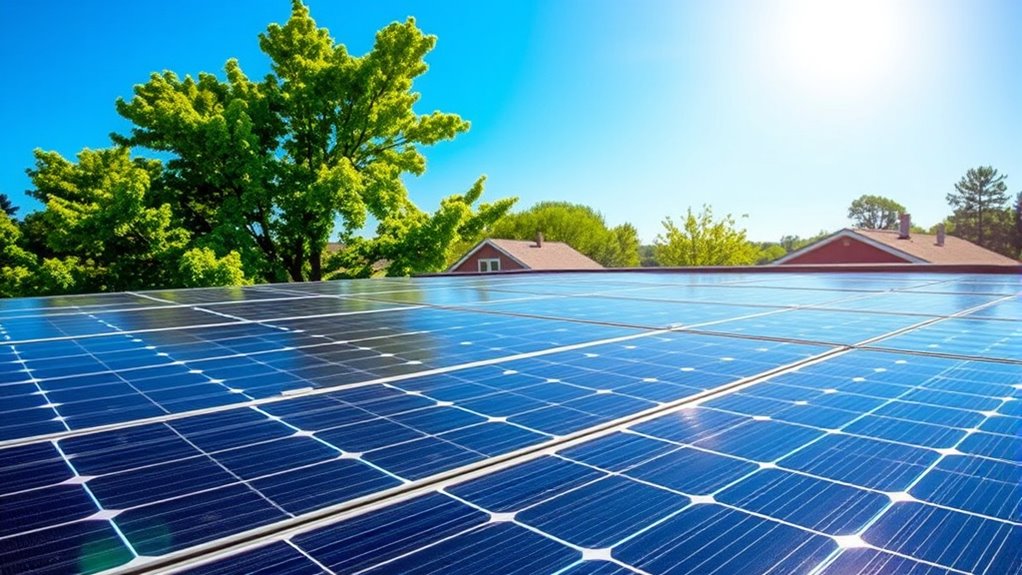
One of the most immediate ways solar panels benefit you in North Carolina is by slashing your electricity bills. When you install solar panels, you generate your own electricity, reducing the amount you need to buy from your utility.
Since North Carolina gets plenty of sunshine, your panels work efficiently, producing significant energy throughout the year. This means you rely less on the grid, leading to lower monthly costs.
Plus, during sunny days, your system might generate more power than you use. That extra electricity gets sent back to the grid and helps offset your expenses even more.
Over time, these savings really add up, making your energy bills much easier to handle. By taking control of your power source, you protect yourself from rising utility rates and enjoy consistent, lower costs.
Financial Incentives That Make Solar Panels Affordable in NC
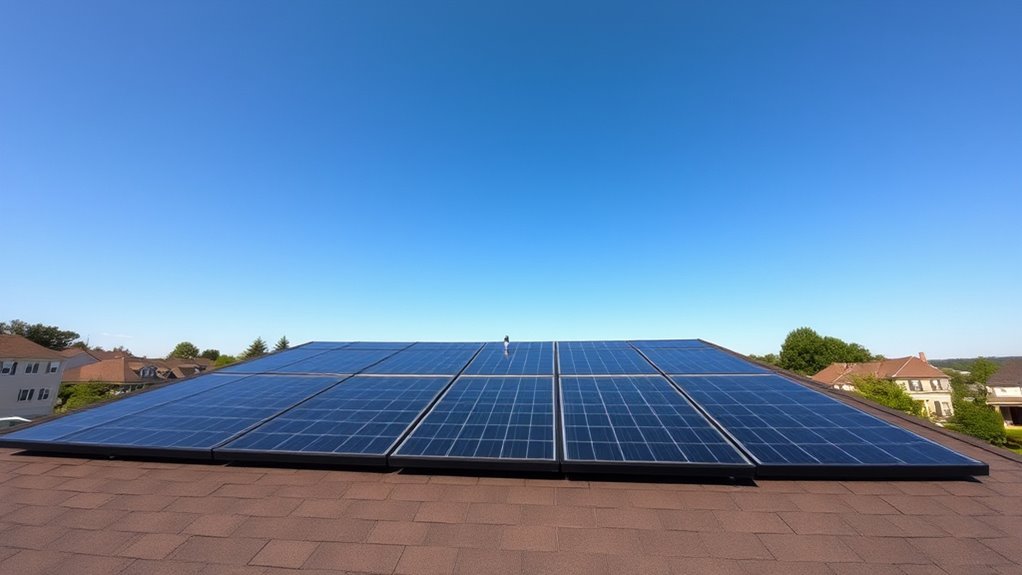
Lower electricity bills are just part of how solar panels save you money in North Carolina. You can also take advantage of financial incentives that make installation more affordable.
The federal solar tax credit lets you deduct 30% of your system cost from federal taxes. On top of that, NC offers local rebates and net metering programs that credit you for extra energy you generate.
These incentives substantially reduce your upfront costs and improve your return on investment.
| Incentive | Benefit |
|---|---|
| Federal Solar Tax Credit | 30% off your total solar system cost |
| Net Metering | Credits for excess electricity |
| Local Utility Rebates | Cash back on installation |
Together, they make going solar in NC a smart and affordable choice.
Why Solar Panels Boost Your NC Property Value
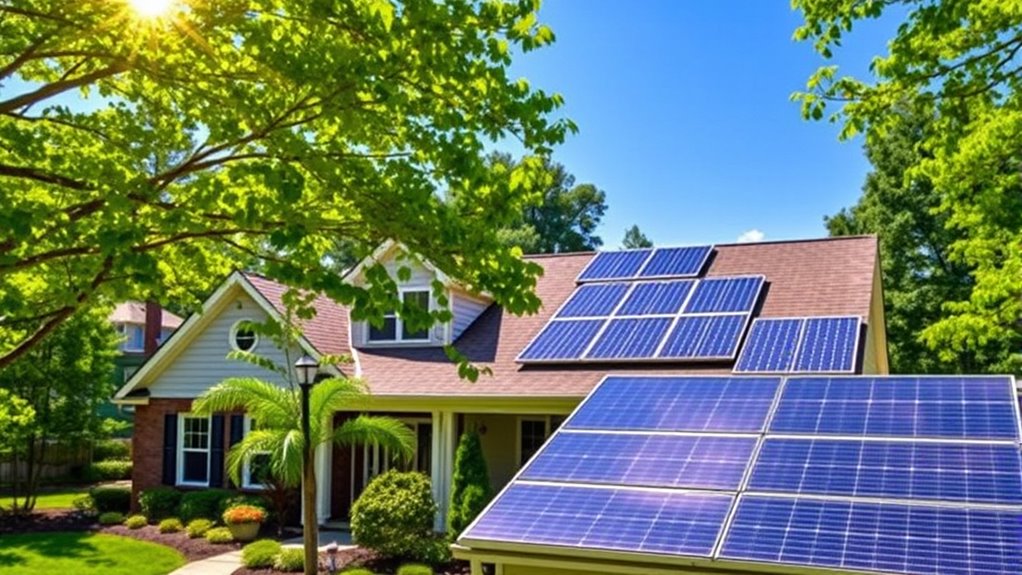
Many homebuyers in North Carolina actively seek properties with solar panels because they offer long-term savings and energy independence. When you install solar panels, you’re not just cutting energy bills—you’re making your home more attractive to potential buyers.
Studies show homes with solar systems sell faster and at higher prices in NC’s real estate market. Buyers recognize the value of locked-in energy costs and lower utility bills.
Plus, solar panels signal a modern, forward-thinking home, which appeals to eco-conscious buyers even if they don’t fully grasp the technical benefits. By investing in solar, you boost your property’s marketability and resale value.
This gives you a competitive edge when it’s time to sell your NC home.
How Solar Panels Can Shrink Your Carbon Footprint in North Carolina
How does installing solar panels help you reduce your carbon footprint in North Carolina?
By switching to solar energy, you cut down on reliance on fossil fuels, which are major contributors to greenhouse gas emissions. Solar panels generate clean electricity, lowering your home’s carbon emissions considerably.
Here’s a quick comparison of carbon emissions for common energy sources in NC:
| Energy Source | Avg. Carbon Emissions (lbs CO2/kWh) | Impact on Your Footprint |
|---|---|---|
| Coal | 2.21 | High |
| Natural Gas | 0.91 | Medium |
| Solar (NC Average) | 0 | Low |
Choosing solar means you’re actively reducing your carbon footprint. Plus, you’re promoting cleaner air and a healthier environment for North Carolina.
How Solar Panels Increase Energy Independence for NC Homes
When you install solar panels on your North Carolina home, you gain greater control over your energy supply. Instead of relying solely on the grid, you generate your own electricity, which means you depend less on utility companies.
This independence shields you from rising energy prices and power outages, giving you peace of mind. Plus, with net metering, you can send excess energy back to the grid and earn credits that lower future bills.
Solar panels also empower you to contribute to a more resilient energy system in NC by lessening strain on the grid during peak times. By producing clean, local energy, you take a meaningful step toward self-sufficiency while supporting your state’s move toward sustainable power.
Frequently Asked Questions
How Do Solar Panels Perform During North Carolina’s Winter Months?
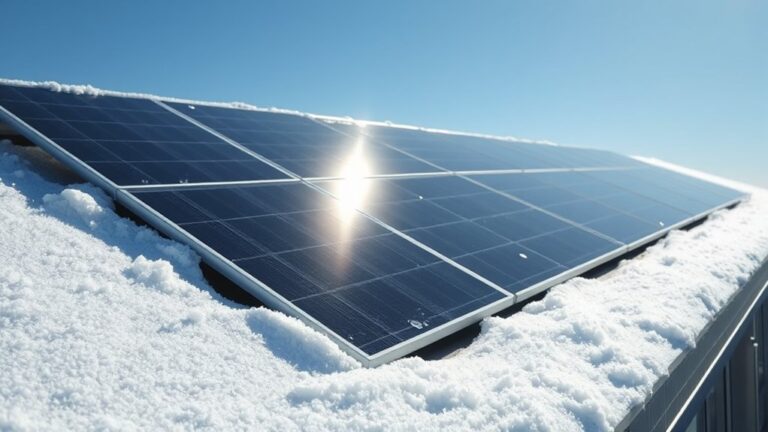
You’ll find solar panels still perform well during North Carolina winters since they generate electricity from sunlight, not heat.
Though shorter days reduce output, clear, cold days often improve efficiency, keeping your energy flowing reliably.
What Maintenance Is Required for Solar Panels in Nc’s Climate?
You’ll need to clean your solar panels a couple of times a year to remove dirt and debris. It helps keep them working efficiently.
Also, check for shading from growing trees. This can block sunlight and reduce energy output.
After storms, inspect your panels for any damage. And don’t forget to make sure all connections stay tight to keep everything running smoothly.
Are Solar Panels Compatible With Nc’s Local Building Codes?
Yes, you’ll find that over 90% of NC’s local building codes support solar panel installation.
Just make sure you check specific zoning laws and get proper permits to guarantee your system meets all requirements smoothly.
Can Solar Panels Be Installed on Historic Homes in North Carolina?
You can install solar panels on historic homes in North Carolina, but you’ll need approval from local historic preservation boards. They want to make sure the installations don’t change your home’s historic character.
How Do Solar Panels Affect Home Insurance Policies in NC?
You’ll likely see a slight increase in your home insurance premiums because solar panels add value and risk.
But many insurers offer discounts for solar, so check with your provider to get the best coverage and rates.
It’s always good to shop around and ask about any special deals they might have. That way, you can protect your home and save some money too.
Conclusion
So, you could keep paying those sky-high electricity bills while watching your neighbor’s solar panels soak up the North Carolina sun and shrink their carbon footprint. Or, you could join them—boost your property value, enjoy sweet financial incentives, and gain energy independence.
Imagine, while others rely on the grid’s mood swings, you’re basking in reliable, clean energy. Ironically, the sun shines for everyone, but only some choose to cash in.
Why not be one of them? Solar panels in NC offer real benefits like lowering your energy costs, increasing home value, and supporting a greener environment. Taking advantage of solar energy means tapping into a sustainable future while enjoying financial perks unique to North Carolina.
Make the switch today and experience the freedom and savings that come with solar power in your state.