Author: Admin

  • How to Charge a Solar Panel Using a Light Bulb

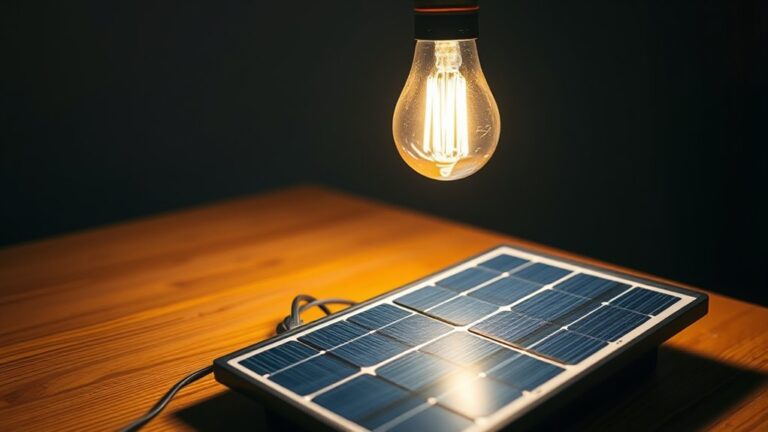
    You can charge a solar panel using a light bulb by choosing a bright bulb—preferably 800 lumens or more with a suitable spectrum—and placing it close, about 12 to 24 inches away, to maximize light exposure.

    Make sure the panel and bulb are stable, wired correctly with insulated connections, and keep the panel clean for best results.

    Monitoring voltage and current helps track progress. Keep going to discover ways to boost efficiency and troubleshoot common issues.
  • Are Solar Pool Ionizers Any Good?

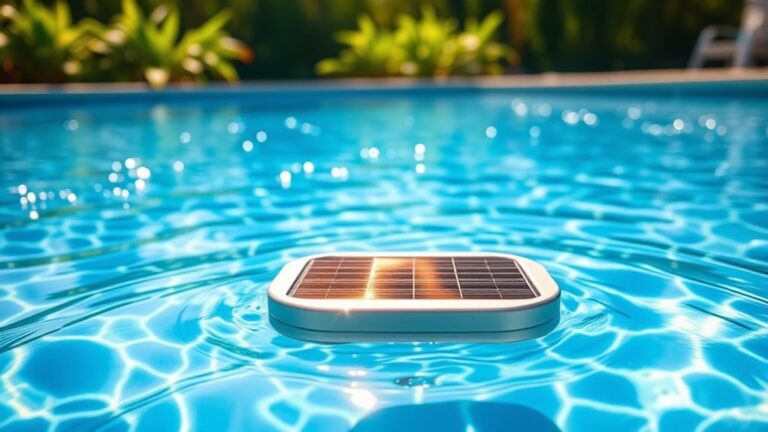
    Solar pool ionizers can be a great eco-friendly way to reduce chemicals and keep your pool clear by releasing metal ions that inhibit algae and bacteria. They run on solar power, so you save on electricity and maintenance is low.

    That said, they work best as a supplement since they’re less powerful and rely on sunlight. If you want to understand how they perform compared to traditional methods and how to pick the right one, there’s plenty more to explore.

  • Are Solar Panels Worth It in Wyoming?

    You’ll find solar panels worth the investment in Wyoming due to abundant sunshine and strong federal incentives like the 30% tax credit.

    Though upfront costs range from $15,000 to $25,000, you could slash your electricity bills by 50% to 70% and see payback within 8 to 12 years.

    Harsh winters and maintenance needs are factors, but the long-term energy savings make it a smart choice.

    Keep exploring to uncover more about costs, benefits, and challenges.

  • Are Solar Panels Worth It in Portland?

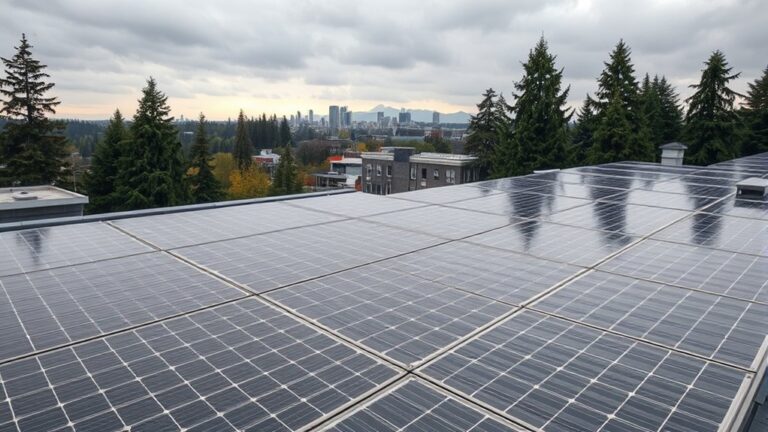
    You’ll find solar panels worth it in Portland because they produce energy year-round, even with cloudy skies. Panels still operate at 70-80% efficiency on overcast days, while rainfall helps keep them clean.

    Initial costs can be offset within 10-15 years, especially with local tax credits and net metering. Plus, solar lowers your bills and boosts home value.

    If you want to understand how weather, costs, and incentives work together, there’s more to explore.

  • Are Solar Panels Worth It in Nevada?

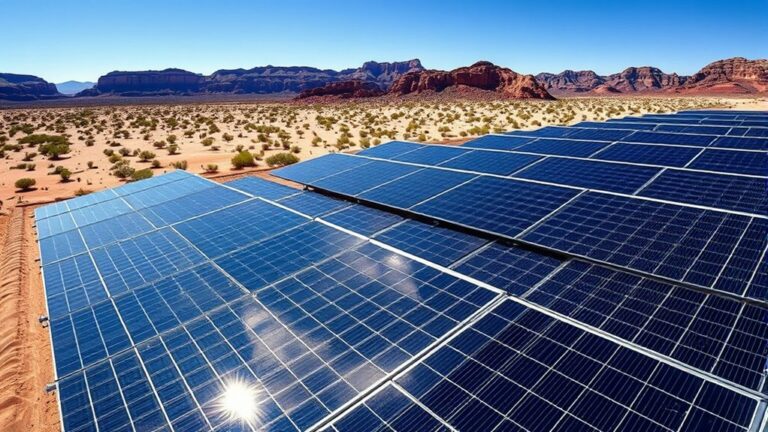
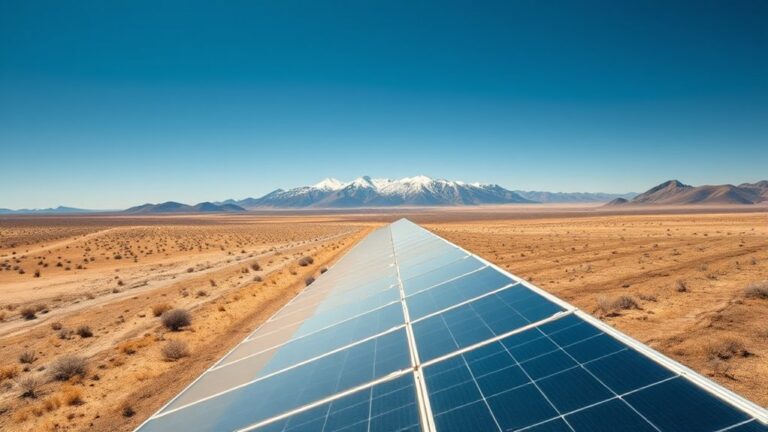
    If you’re in Nevada, solar panels are worth it due to high electricity rates and abundant sunshine, which boost efficiency and cut your energy bills considerably. You’ll benefit from state incentives like tax credits and utility rebates that lower upfront costs.

    Solar panels can increase your home’s value and support energy independence. While there are some downsides, such as maintenance needs, understanding costs, savings, and incentives will help you make the best choice for your home.

  • Are Solar Panels Worth It for My Alabama State Home?

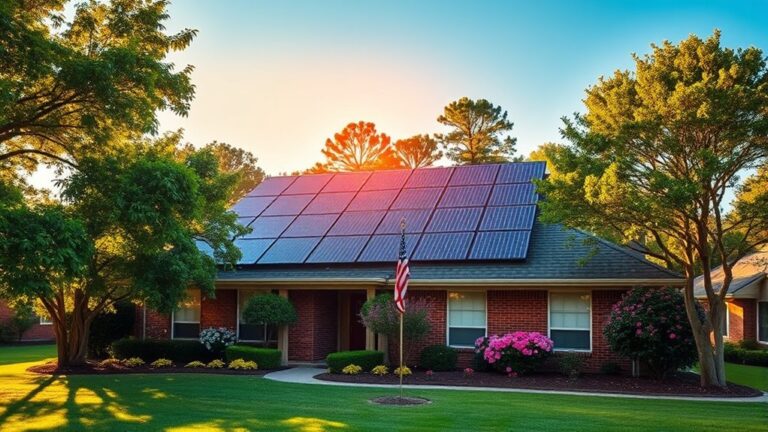
    You’ll find solar panels worth it for your Alabama home thanks to the state’s strong sunlight and helpful incentives that cut upfront costs. With around 4.5 to 5 peak sun hours daily, you can save considerably on energy bills, often reducing them by half.

    Installation costs vary but long-term savings and property value boosts make it smart. Alabama’s weather needs consideration, but durable panels handle it well.

    Keep exploring to see how solar fits your needs and budget. It might be just the right move for your home!

  • Are Solar Panels Worth It in Hawaii?

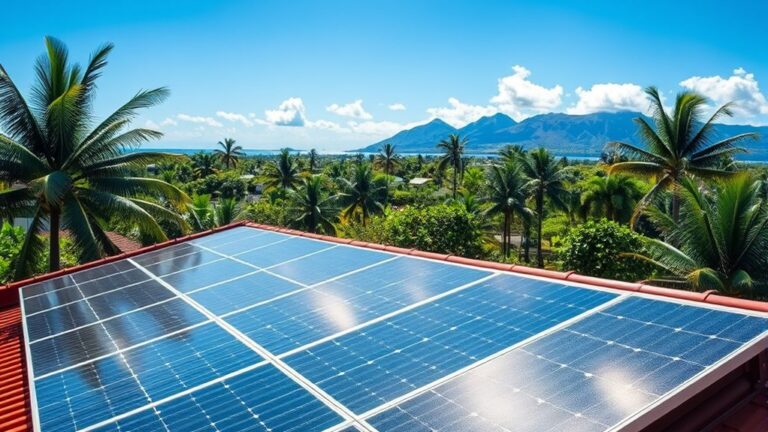
    You’ll find solar panels worth it in Hawaii thanks to abundant sunshine and warm temps that boost efficiency year-round. They cut your high electricity bills by up to 75%, and government incentives make installation more affordable.

    With low maintenance and options to fit your budget, solar panels enhance energy independence and property value. If you want to see how panel types, costs, and savings align with your Hawaiian home and lifestyle, keep exploring what’s involved.

  • Are Solar Panels Worth It in Boston?

    Solar panels are worth it in Boston because you’ll save money on energy bills, especially in sunnier months, and increase your home’s value. While seasonal weather affects performance, panels still generate power even with some cloud cover.

    You can also tap into tax credits and local incentives to reduce upfront costs. Plus, you’ll support a cleaner environment and protect yourself from rising utility rates.

    Keep exploring to see how solar fits your home and lifestyle. It might be a better option for you than you think!

  • Are Solar Panels Water Resistant?

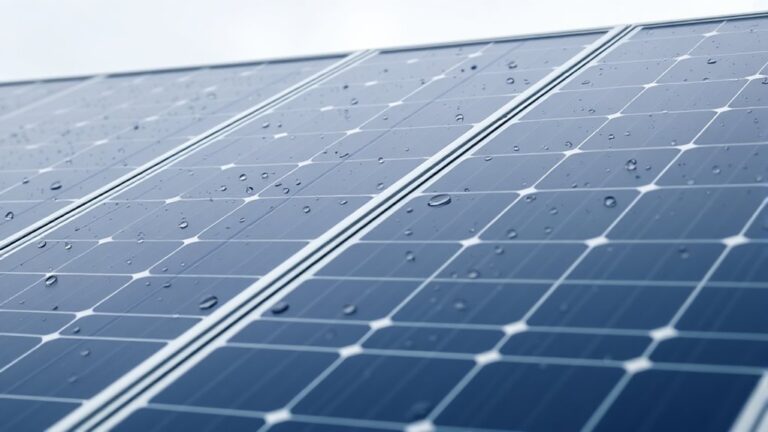
    You can trust solar panels to handle rain, snow, and humidity without damage because they’re built with tempered glass and sealed frames that keep water out.

    While they’re not fully waterproof and shouldn’t be submerged, their IP ratings and engineering protect against moisture in harsh weather. Snow and hail won’t harm them when installed correctly.

    If you want to know how these features guarantee durability and spot water issues, keep exploring the details.

  • What Will Happen When Solar Salt Melts Ice?

    When you spread solar salt on ice, it dissolves into the thin water layer and releases ions that disrupt how water molecules bond. This breaks the ice’s crystal structure, lowers its melting point, and causes ice to melt even below freezing temperatures.

    It speeds up melting and creates a salty brine that prevents refreezing, making roads safer more quickly. You’ll also find there are important effects on the environment and infrastructure worth considering.