Author: Admin

  • How You Can Charge Solar Powered Lights Indoors Effectively

    You can charge your solar-powered lights indoors by placing them near bright, full-spectrum light sources like LED grow lights or full-spectrum bulbs that mimic sunlight’s blue and red wavelengths. Make sure the solar panel is clean and faces the light directly for at least 6 to 8 hours.

    Using bright lights above 1,000 lux helps too. Proper placement and lighting type are key to effective charging. And understanding maintenance tips will help you keep your lights shining longer.
  • How Do You Add Solar Panels to an Existing System?

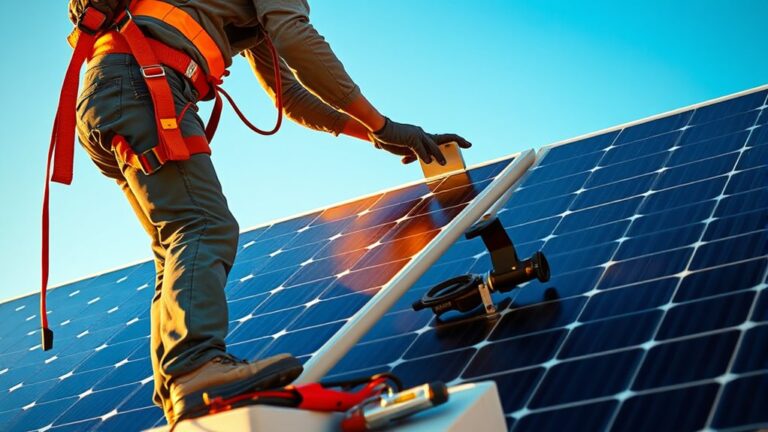
    To add solar panels to your existing system, first check your inverter’s capacity and available space to guarantee it can handle more panels. Choose panels that match your current system’s voltage and wattage for compatibility.

    Upgrade wiring and electrical components if needed, and secure any necessary permits. Connect the new panels correctly and test the system for proper function.

    Then, monitor performance and adjust settings to optimize output. Keep going to uncover detailed steps for a smooth expansion process.

  • How Do Solar Panels Work in Shade?

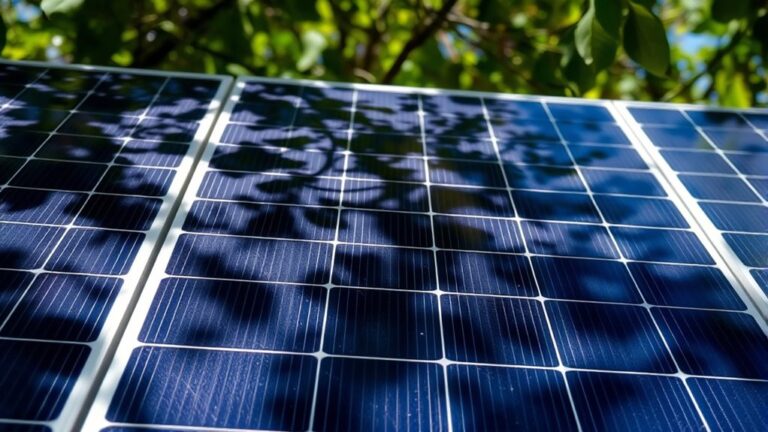
    When your solar panels get shaded, even a small shaded spot can drop their energy output considerably because the connected cells limit current flow. Shade creates resistance and voltage drops, reducing overall performance and risking hot spots.

    Technologies like microinverters and bypass diodes help panels keep working better under shade. You can also reduce shade effects by trimming trees and smartly positioning panels.

    Discover how adjusting installation and maintenance can boost your system’s efficiency around shade. It’s all about making smart choices to keep your solar panels working well, even when the sun isn’t fully shining on them.

  • Can Solar Panels Damage Your Roof and How to Prevent It

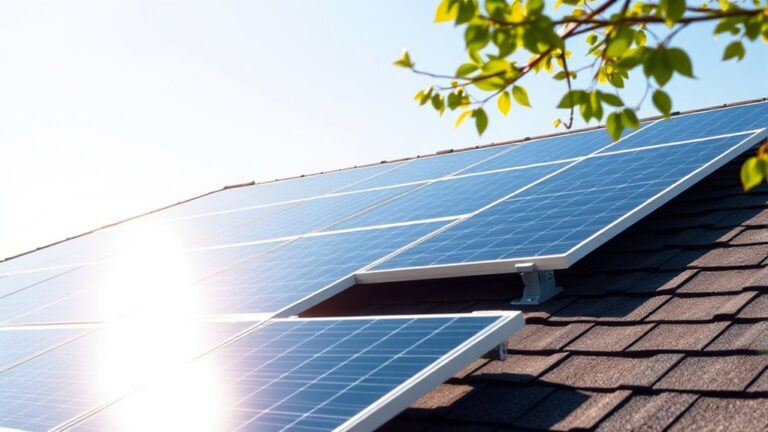
    You won’t damage your roof if you choose skilled professionals to install your solar panels correctly. Proper mounting systems and thorough sealing prevent leaks and maintain stability.

    Before installation, have your roof’s condition checked since panels last 25+ years. Regular inspections and debris removal keep your roof healthy over time.

    Watching for loose shingles or water stains early can save costly repairs. If you want to learn how to safeguard your roof and ensure long-lasting solar performance, keep exploring.

  • How to Charge Solar Lights Effectively in Shade

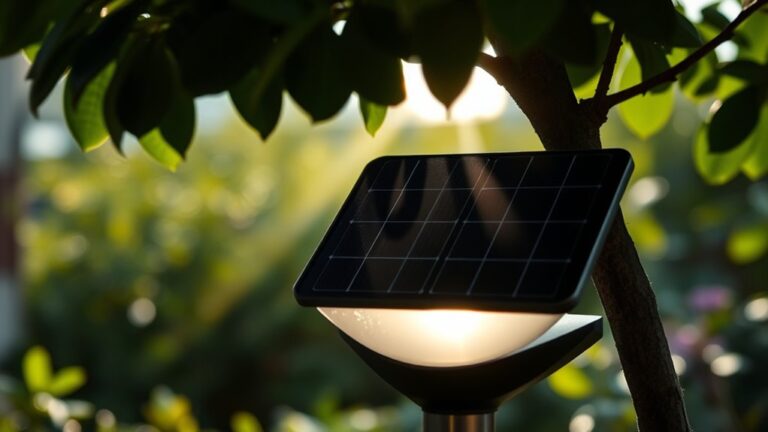
    To charge your solar lights effectively in shade, place them where they get the most indirect sunlight, like near reflective surfaces or on adjustable mounts angled toward the sun. Choose models with high-efficiency panels and sensitive sensors designed for low light.

    Keep panels clean and free of debris to maximize absorption. When natural light is scarce, consider backup charging options to keep lights bright and reliable.

    There are also smart ways to boost charging and maintain your solar lights’ performance. It’s all about making the most of the light you do have and keeping everything working smoothly.

  • What Happens When LED Lights Charge Solar Panels?

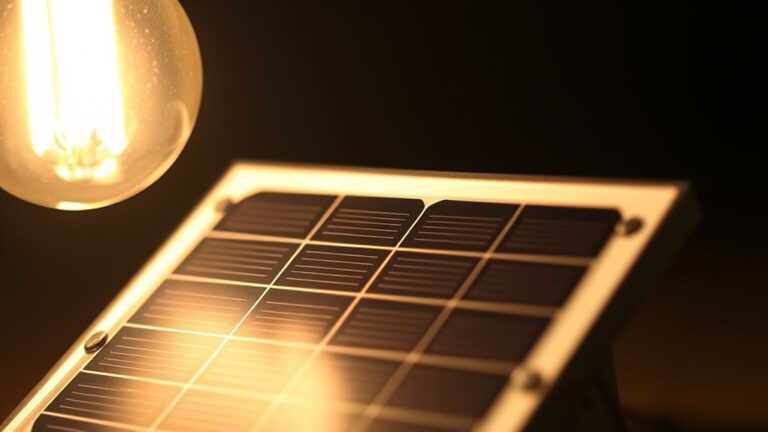
    When LED lights charge solar panels, your panels generate electricity by absorbing LED photons. But the process is slower and less efficient than sunlight because LEDs have lower intensity and a narrower spectrum.

    The type of panel you use really affects performance. Monocrystalline panels work best under LED light.

    You can power small devices indoors this way, but expect reduced energy output. If you want to find out how to optimize this setup and explore its challenges, keep going.

  • How to Run My House Only on Solar Power

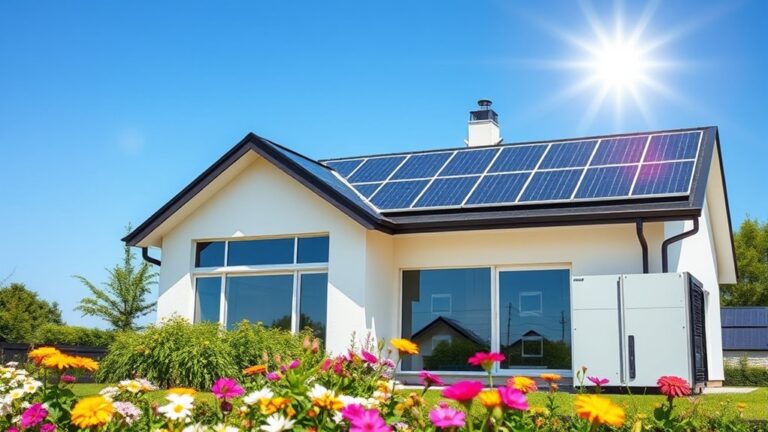
    To run your house solely on solar power, start by calculating your daily energy use from bills and appliances.

    Choose efficient solar panels and inverters that fit your roof and sun exposure. Adding battery storage is key to guarantee power at night or on cloudy days.

    Make sure to install everything safely, following all regulations. Don’t forget to maintain your system by cleaning panels and monitoring performance regularly.

    With proper planning and upkeep, you can keep your home powered day and night. It’s worth exploring how to optimize every part for maximum savings and reliability.

  • How to Charge Solar Lights Indoors Step by Step

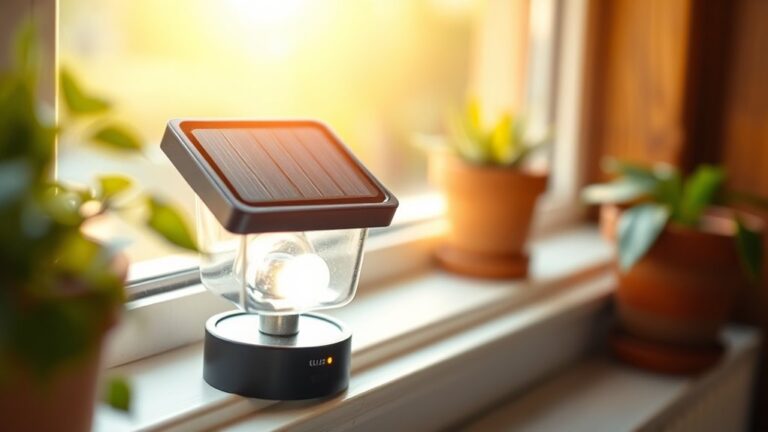
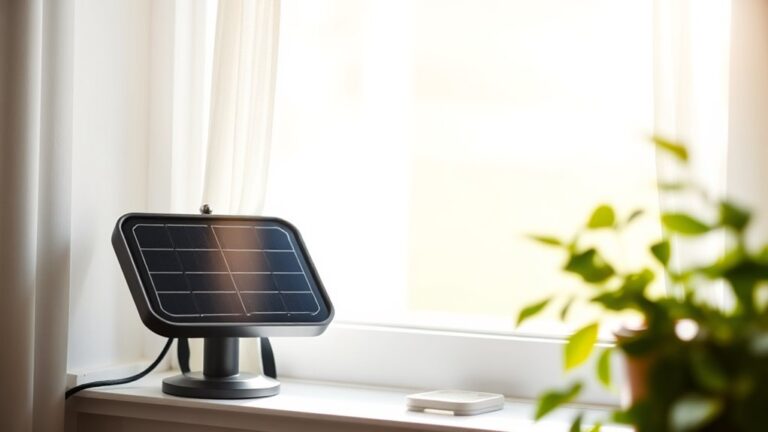
    To charge your solar lights indoors, place the detachable solar panel near a bright window or under strong LED or fluorescent lamps. Keep it close to the light source for the best results.

    Make sure to clean the panel for maximum absorption. Then, charge it for several hours—usually 8 to 12 under artificial light.

    Use good batteries and, if possible, monitor the charging with a portable meter. Follow these steps carefully, and you’ll understand how to maintain and troubleshoot your solar lights for peak performance.

  • What Happens If I Charge a Solar Panel With a Light Bulb?

    If you charge a solar panel with a light bulb, it will generate electricity, but much less efficiently than sunlight. Light bulbs emit lower intensity and a limited spectrum, which means your panel won’t get enough energy to charge quickly or fully.

    Specialized lights like LEDs improve this a bit, but standard bulbs still fall short. Using sunlight or proper indoor lights will boost your panel’s performance.

    Keep exploring to understand how different light sources impact solar charging. It’s pretty interesting once you see how much the light quality matters!

  • How to Claim Federal Tax Credits for Commercial Solar Panels

    You can claim federal tax credits for commercial solar panels by making sure your system is new and installed after the IRS’s eligible date. It also needs to be primarily used for commercial electricity.

    Use IRS Form 3468 to file your claim. Be sure to document all qualified expenses like equipment, labor, and permits.

    Keep detailed records of your installation and costs to avoid any issues and get the most out of your credit, which is 30% of your expenses.

    If you want to optimize your savings and stay compliant, there’s definitely more to explore.