How Long Do Solar Lights Last – Complete Lifespan Guide
You can expect your solar lights to last about 2 to 5 years if you take good care of them. Their lifespan depends a lot on how well you maintain the batteries and solar panels.
Over time, the performance will slowly drop due to battery wear, panel degradation, and weather effects like heat or moisture.
Regular cleaning goes a long way in keeping them bright and reliable. Also, timely battery replacement can extend their life quite a bit.
If you want to get the most out of your solar lights and know when to upgrade or maintain them, there’s plenty more to discover.
Stick around, and you’ll learn all the tips and tricks to make your solar lights shine longer!
Key Takeaways
- Solar lights typically last 2 to 5 years, depending on care, weather exposure, and component quality. How well you look after them really makes a difference.
- Battery capacity diminishes over time, which means the light won’t shine as long as it used to. So, you’ll need to replace the battery now and then to keep things bright.
- Dirt, shading, and damage to solar panels can lower energy efficiency. This doesn’t just dim the light; it can also shorten the overall lifespan.
- Extreme temperatures and moisture speed up wear and tear. That can cause corrosion and make your solar lights perform worse over time.
- Regular maintenance is key. Cleaning the panels and swapping out batteries when needed can really boost how long your solar lights last.
How Long Do Solar Lights Last?
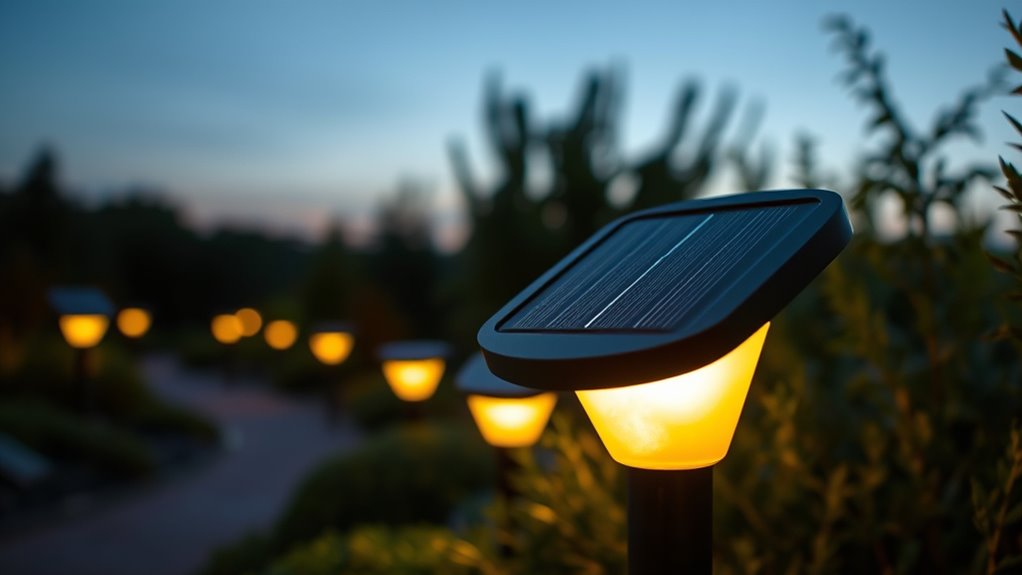
While the lifespan of solar lights can vary, you can generally expect them to last between 2 to 5 years with proper care. The durability depends largely on factors like weather exposure and how often you use them.
If you keep your solar lights clean and store them during harsh seasons, you’ll extend their life. You should also replace batteries when they start to lose charge since worn-out batteries reduce overall performance.
What Parts of Solar Lights Affect Lifespan?
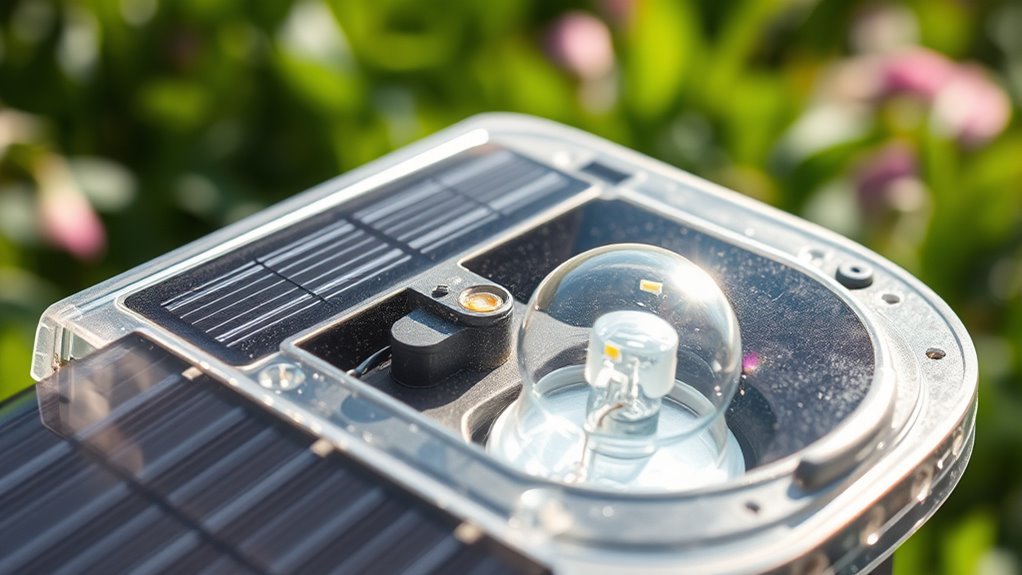
Understanding what parts of your solar lights impact their lifespan can help you take better care of them and know when replacements are necessary. Several key components influence how long your solar lights will last:
- Battery: Usually rechargeable, its capacity diminishes over time, affecting how long your light shines. So, if your light isn’t staying on as long as it used to, the battery might be the culprit.
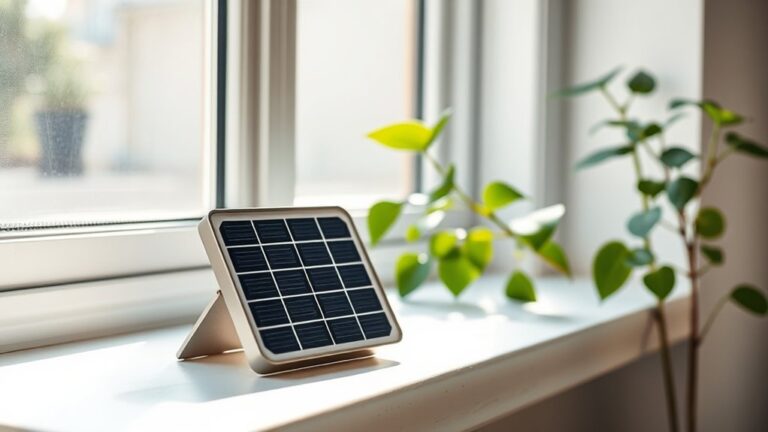
- Solar Panel: Converts sunlight to energy; dirt or damage reduces efficiency. Make sure to keep it clean and check for cracks to get the best performance.
- LED Bulb: Known for longevity but can fail if exposed to moisture or voltage issues. Even though LEDs last a long time, rough conditions can cause them to burn out sooner.
- Controller/Chip: Manages charging and light activation; a faulty one can shorten lifespan. If your light acts weird or stops working, this part might be the problem.
- Housing: Protects internal parts; cracks or corrosion expose components to damage. Keeping the housing intact helps everything inside stay safe and last longer.
How Weather Affects Solar Light Lifespan
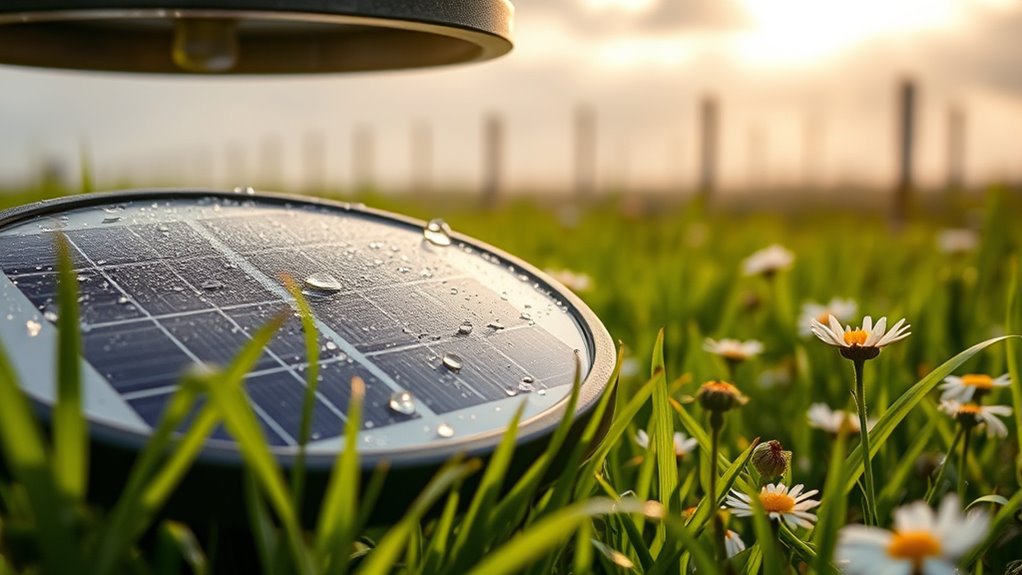
You’ll notice that extreme temperatures can shorten your solar light’s lifespan by stressing its components. High humidity levels also play a role, potentially causing corrosion or electrical issues.
Plus, seasonal changes affect how much sunlight your solar lights receive. This impacts their overall performance and durability.
Impact Of Extreme Temperatures
Because extreme temperatures can push solar lights beyond their designed limits, they substantially affect how long your lights last. Both scorching heat and freezing cold create challenges that can shorten your solar lights’ lifespan.
Here’s how: high heat can degrade battery capacity and damage electronic components. Freezing temperatures may cause batteries to lose charge faster.
Extreme cold can make plastic and other materials brittle, increasing breakage risk. Temperature fluctuations cause expansion and contraction, stressing internal parts.
Over time, these stresses reduce overall performance and durability. To protect your investment, consider placing solar lights in shaded or sheltered areas during harsh weather.
Taking these precautions helps maintain your solar lights’ efficiency and extends their useful life.
Effects Of Humidity Levels
How does humidity impact your solar lights? High humidity can cause moisture buildup inside your solar light’s casing, leading to corrosion of internal components and reduced electrical performance.
When water seeps into the battery compartment, it can cause short circuits or damage the rechargeable batteries, shortening their lifespan.
Conversely, low humidity generally poses less risk but can still dry out seals, making your lights more vulnerable to moisture later.
To protect your solar lights, ensure they have proper waterproof ratings (like IP65 or higher) and airtight seals. Regularly check for signs of condensation or rust.
Influence Of Seasonal Changes
When do seasonal changes most affect your solar lights? Primarily during winter and rainy seasons, when sunlight is limited. These changes impact the battery’s ability to charge fully and reduce overall brightness.
You might notice shorter lighting times and slower charging speeds. Here’s how seasonal weather influences your solar lights:
- Reduced sunlight in winter cuts charging efficiency
- Cold temperatures lower battery capacity temporarily
- Rain and snow can block solar panels, limiting energy intake
- Increased moisture may cause corrosion if lights aren’t waterproof
- Frequent weather shifts stress the battery and circuitry
To keep your solar lights lasting longer, clean panels regularly and store them indoors during extreme weather. This way, you guarantee optimal performance through all seasons.
How to Maintain Solar Lights to Last Longer
To keep your solar lights shining brightly for years, you’ll need to perform regular maintenance. First, clean the solar panels weekly with a damp cloth to remove dust, dirt, and debris that block sunlight. Avoid harsh chemicals that could damage the surface.
Also, trim any plants or branches shading the panels to guarantee maximum sunlight exposure. It really makes a difference!
Check the light fixtures periodically for cracks or water damage. Seal or replace parts as needed to prevent moisture buildup.
When winter comes around, store your solar lights indoors during harsh months to protect them from extreme cold and snow. This helps them last longer.
Finally, make sure your lights are positioned in areas with plenty of sunlight throughout the day. That way, the battery stays efficient, and your lights perform their best.
Follow these simple steps, and your solar lights will last longer and work better!
When and How to Replace Solar Light Batteries
Although solar lights are designed for long-lasting use, their batteries eventually lose the ability to hold a charge and need replacing. You’ll know it’s time when your lights dim earlier than usual or stop turning on altogether.
Here’s how to replace the batteries efficiently:
- Identify the battery type (usually AA or AAA NiMH or NiCd rechargeable batteries).
- Purchase compatible replacement batteries from a reliable source.
- Open the solar light casing carefully, often using a screwdriver.
- Remove old batteries and insert new ones, ensuring correct polarity.
- Close the casing securely and let the solar light recharge fully before use.
Replacing batteries extends your solar lights’ lifespan, saving you money and reducing waste. Regular checks help you stay ahead of battery failure. It’s a simple step that makes a big difference!
Signs You Need to Upgrade Solar Lights
If your solar lights are dim or flickering, it’s a clear sign they might be past their prime. You’ll also notice reduced charging efficiency, meaning they won’t stay lit as long.
When these issues show up, it’s time to think about upgrading your solar lights. Don’t wait too long—new lights can brighten up your space and save you hassle.
Dim Or Flickering Lights
Why do your solar lights suddenly appear dim or start flickering? This often signals that your lights are nearing the end of their lifespan or have internal issues. You might notice this when the battery can’t hold a charge or the LED bulbs begin to fail.
Here are common reasons for dim or flickering solar lights:
- Aging rechargeable batteries losing capacity
- Corroded or loose wiring connections
- Moisture infiltration causing electrical shorts
- Poor quality or damaged LED bulbs
- Dirt or debris covering solar panels, reducing power
If you spot these issues, it’s time to contemplate upgrading your solar lights. Keeping them in top shape ensures bright, reliable illumination for your outdoor spaces.
Reduced Charging Efficiency
Noticing dim or flickering solar lights often points to deeper issues like reduced charging efficiency. When your solar lights don’t charge fully during the day, their performance drops markedly at night.
This usually happens because the solar panel’s ability to convert sunlight into energy weakens over time due to dirt buildup, shading, or panel degradation. You might also find the battery isn’t holding a charge as well as it used to, which can further reduce overall efficiency.
If you’re constantly having to replace batteries or your lights don’t stay bright for long, it’s a clear sign your solar lights are nearing the end of their lifespan. Upgrading ensures you get reliable, bright illumination without frequent maintenance hassles.
Frequently Asked Questions
Are Solar Lights Safe to Use Indoors?
You can use solar lights indoors, but they need direct sunlight to charge efficiently. Without enough light, they won’t last long or shine brightly.
Can Solar Lights Work in Shaded Areas?
Solar lights won’t shine like a diamond in the rough when placed in shaded areas. They need direct sunlight to charge fully, so you’ll get dimmer, shorter-lasting light if they’re stuck in the shadows.
Basically, if your solar lights don’t get enough sun, they just can’t perform their best. It’s like trying to charge your phone with a weak charger – it’s going to take longer and won’t last as long. So, for the brightest glow, try to place them where they can soak up the sun.
How Do Solar Lights Compare to LED Lights?
You’ll find solar lights use LEDs, so they’re energy-efficient like regular LED lights but rely on sunlight to recharge.
Unlike standard LEDs, solar lights depend on weather and placement, affecting brightness and runtime.
Do Solar Lights Attract Insects at Night?
Yes, solar lights can attract insects at night because they emit light that bugs are drawn to.
But don’t worry, you can reduce this by choosing warm-colored LEDs. Installing lights away from seating areas also helps keep bug activity to a minimum.
Can Solar Lights Be Recycled After Disposal?
Yes, you can recycle solar lights, but you’ll need to separate batteries and electronic parts first.
Check with local recycling centers for proper disposal methods to guarantee components like lithium batteries and solar panels don’t harm the environment.
It’s a bit of extra work, but it helps keep things safe and green!
Conclusion
Now that you know how long solar lights last and what affects their lifespan, you’re better equipped to keep them shining bright. Remember, “a stitch in time saves nine”—regular maintenance and timely battery replacements go a long way.
By protecting your lights from harsh weather and upgrading when needed, you’ll enjoy their glow for years. Taking simple steps like cleaning the solar panels and storing lights during extreme weather can really extend their life.
So, take care of your solar lights, and they’ll light up your space efficiently and beautifully. With proper care, your solar garden lights will provide consistent illumination while saving energy. Keeping an eye on battery health and panel cleanliness ensures you get the most out of your investment.
In the end, understanding how long solar lights last helps you maintain them better. This way, your outdoor solar lights stay bright and reliable season after season.