Blog

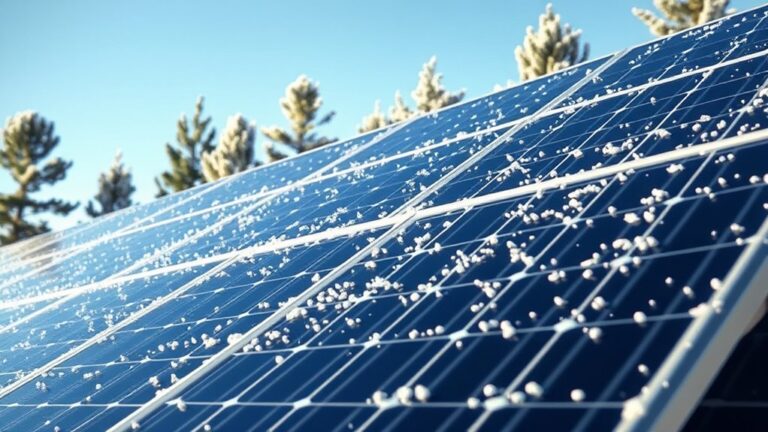
  • 3 Simple Ways to Keep Snow Off Solar Panels

    You can keep snow off your solar panels by using gentle tools like soft-bristled brushes or foam-edged rakes. These help avoid damage while clearing snow.

    Installing snow guards or heating elements is another great option. They prevent heavy buildup by melting snow gradually or blocking large slides.

    And don’t forget to adjust your panel tilt between 30 to 45 degrees. This encourages snow to slide off naturally.

    These simple steps protect your panels and boost winter efficiency. There’s more to learn to optimize your system’s performance!

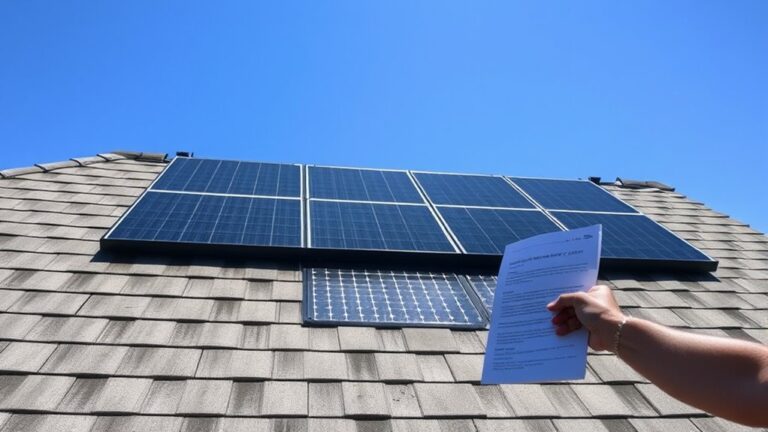
  • How to Get Out of a Solar Panel Contract in 5 Steps

    To get out of a solar panel contract, start by checking your agreement for cancellation terms, fees, and notice periods.

    Next, contact your provider to discuss your intent and possible options like transfers or pauses.

    Review any penalties or fees to understand the financial impact.

    Then, send a written cancellation notice following the official process and keep proof of your correspondence.

    If cancellation isn’t allowed, consider alternatives like contract transfers or refinancing.

    Keep going to uncover detailed tips for each step.

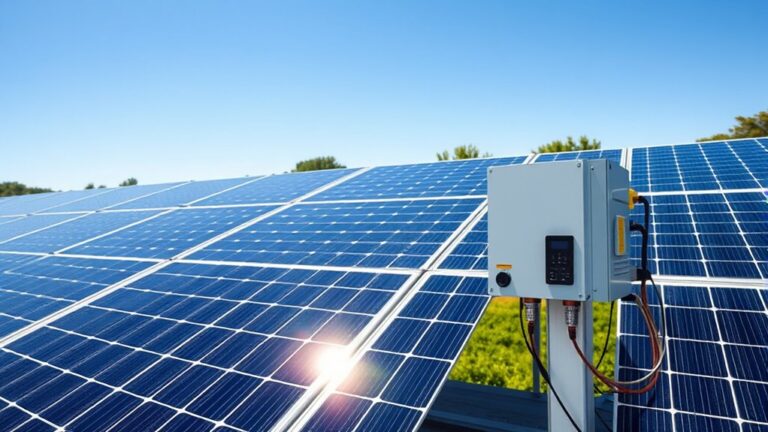
  • 10 Steps to Connect Solar Panels in Series

    To connect solar panels in series, first choose panels with matching voltages and compatible specs. Gather your tools and safety gear like insulated gloves and a multimeter.

    Inspect panels for damage and identify positive and negative terminals. Connect the positive terminal of one panel to the negative terminal of the next.

    Measure the total voltage output with a multimeter, then connect the series to your charge controller or battery. Testing and maintenance keep the system efficient, and you can explore the details to master each step.

  • How to Calculate Solar Panel Battery and Inverter in 5 Steps

    To calculate your solar panel battery and inverter, start by estimating your daily power use—multiply each device’s wattage by hours used, then add them up. This gives you a good idea of how much energy you actually need each day.

    Next, adjust for system efficiency and add a safety margin to cover losses and future needs. It’s always better to have a little extra than to fall short.

    Calculate battery capacity by factoring in days of autonomy, depth of discharge, and voltage. These elements help make sure your battery can store enough power to keep you going when the sun isn’t shining.

    Choose an inverter sized for total wattage plus surge and safety margin. Remember, the inverter needs to handle the peak loads, not just the average.

    Finally, guarantee battery voltage and inverter input match for seamless operation. Matching these ensures your system runs smoothly without any hiccups.

    Keep going to uncover detailed steps. You’ll find it’s easier than you think!

  • How Rare Are Solar Eclipses and How to Observe Them

    You’ll see a solar eclipse somewhere on Earth about every 18 months, but catching a total eclipse from the same spot is quite rare. That’s because the Moon’s shadow is really narrow and its orbit is tricky.

    To watch safely, always use ISO-certified eclipse glasses or try indirect methods like pinhole projectors. Remember, direct viewing is only safe during totality.

    Knowing the path and timing helps you plan ahead. Keep exploring to find out when and where you can witness these amazing events next!

  • How Much Sunlight Does an Outdoor Solar Security Camera Need?

    You’ll need to provide your outdoor solar security camera with at least 4 to 6 hours of direct sunlight daily to keep it charged and working reliably. Make sure it’s placed where the sun hits it during peak hours, avoiding shade from trees or buildings.

    Keep the panels clean and angled correctly to maximize energy. Weather and seasons can affect how much power it collects.

    If you want to optimize its performance, there are simple steps you can take. It’s not too complicated once you know what to do!

  • How Much Solar Do I Need for My RV?

    To figure out how much solar you need for your RV, start by listing all devices and their daily watt-hour use. Then, consider your average sunlight hours—fewer means you’ll need bigger panels.

    Choose a battery bank big enough to store your energy, factoring in discharge limits and efficiency. Match your solar panels to recharge your battery within 4-6 hours of sunlight.

    This balance keeps you powered and confident on the road. Keep going, and you’ll uncover tips for sizing and upgrading your system.

  • How Long Does It Take to Install Solar Panels Step by Step

    You’ll spend about 1 to 2 hours on a site assessment to check your roof and energy needs. Then, getting permits and approvals can take anywhere from a few days to several weeks, depending on your area.

    Once approved, installation usually takes 1 to 3 days: mounting hardware, placing panels, wiring, and final testing. Weather or paperwork might cause delays.

    After installation, an inspection happens within 1-2 weeks before activation. Keep going if you want the full step-by-step process.

  • How Long Does It Take to Install Commercial Solar Panels?

    Installing commercial solar panels usually takes a few weeks to several months. It all depends on your project size, site readiness, and permit approvals.

    You’ll spend about one to two weeks on site assessment and design. Then, several days for mounting and electrical work. After that, there’s additional time for inspections and commissioning.

    Delays often come from paperwork or scheduling inspections. If you want to understand how each step affects your timeline and how to keep things moving smoothly, there’s more to explore ahead.

  • How Do You Store Solar Energy Step by Step

    You store solar energy by capturing sunlight with panels that convert it into electricity. This electricity flows through a charge controller to protect your battery from overcharging.

    The energy then gets stored in your chosen battery type until you need it. When it’s time to use the energy, an inverter converts the stored DC power into AC for your home or devices.

    Keeping track of your system helps you use energy efficiently. There’s more to optimizing and maintaining your setup ahead.