How Do Solar Shades Provide Privacy?
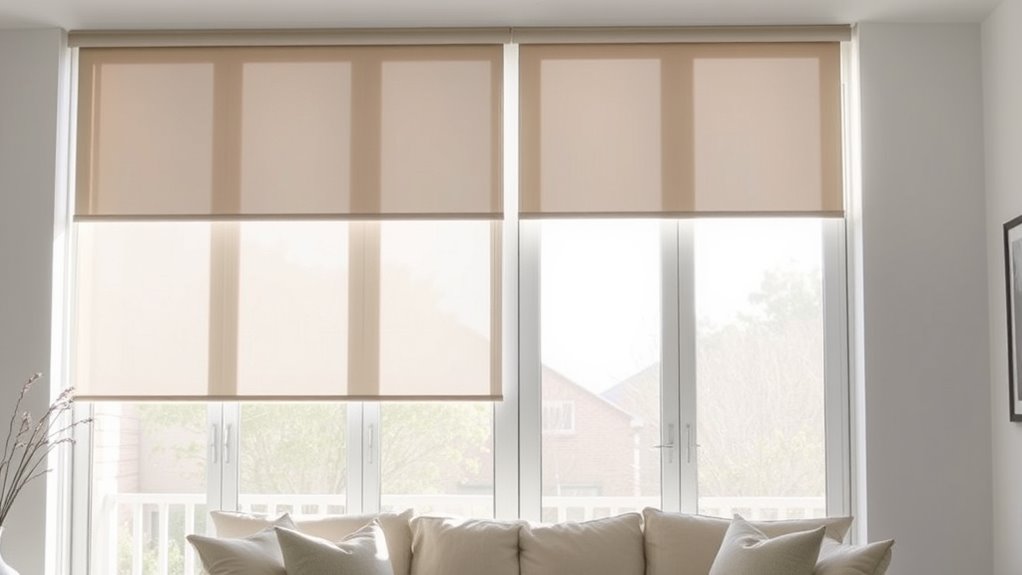
Solar shades provide privacy by blocking outside views during the day while letting in natural light and reducing glare. Their special weave controls visibility, so you can enjoy brightness without outsiders peeking in.
Materials like tightly woven polyester and fiberglass enhance opacity and durability.
However, at night, interior lights can make them more see-through from outside. You can also choose different openness levels to balance privacy and light.
Keep exploring to discover how to tailor solar shades perfectly to your needs.
Key Takeaways
- Solar shades use a special weave that filters sunlight while limiting visibility from outside during the day. It’s pretty clever how they let light in but keep prying eyes out.
- The fabric’s openness factor controls how much light and visibility are allowed. So, depending on the weave density, you get more or less privacy.
- Materials like tightly woven polyester and PVC coatings help reduce transparency. This means they do a great job preventing people from peeking in.
- During the day, the brightness outside blocks views inside, which keeps your privacy intact. But keep in mind, when you turn on lights at night, it can make things a bit more visible from outside.
- To make sure your shades do their job well, proper installation is key. Getting accurate window measurements helps the shades fit snugly and minimizes any gaps that might compromise your privacy.
How Solar Shades Balance Privacy and Light
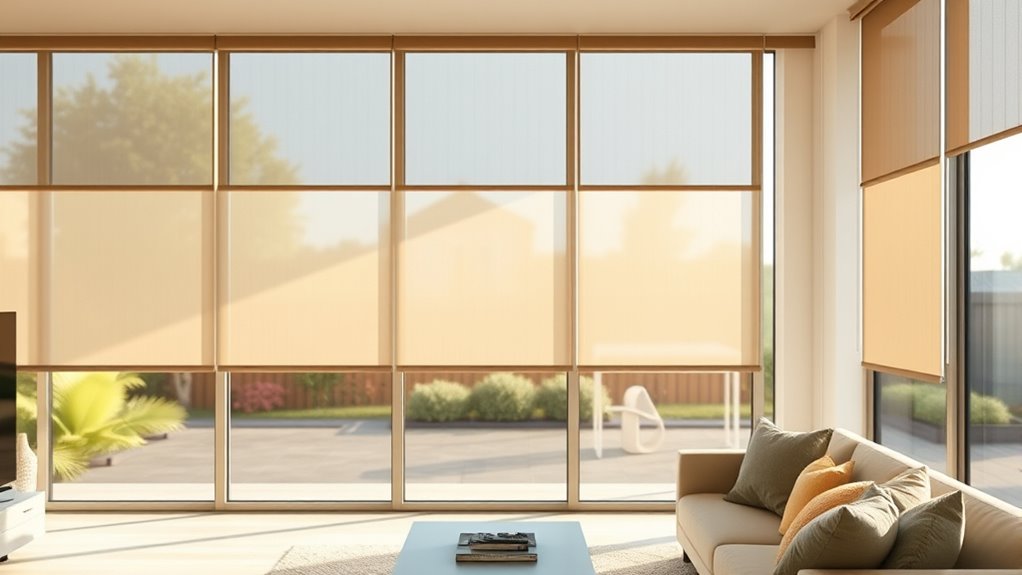
Although you want to let natural light fill your space, maintaining privacy is equally important. Solar shades strike that balance by filtering sunlight without completely blocking your view.
Let natural light in while keeping your privacy intact with solar shades that balance brightness and discretion.
They’re designed with a special weave that reduces glare and UV rays while allowing you to see outside. During the day, you can enjoy natural brightness and a clear view without worrying about people peering in.
The material’s openness controls visibility, so from the outside, your interior remains discreet. You don’t have to sacrifice light for privacy, and that’s the key advantage.
Solar shades also help regulate temperature and protect furniture from fading. By choosing the right openness factor, you can customize how much light and privacy you want, giving you control over your environment effortlessly.
Why Solar Shades Feel Different in Daylight and at Night
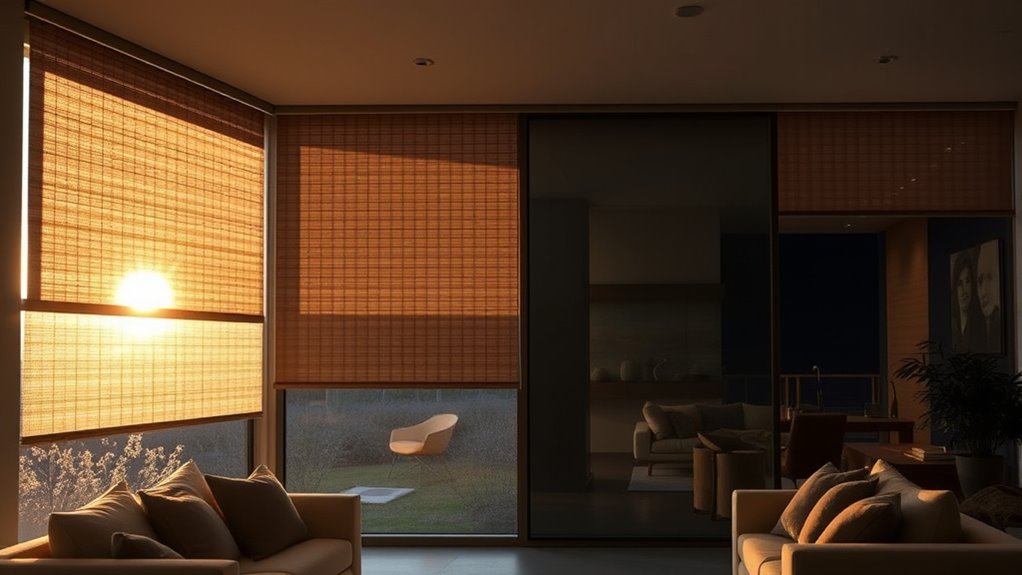
During daylight hours, solar shades let you enjoy natural light while keeping prying eyes out, thanks to their unique weave and openness factor. You can see outside clearly, but people outside find it hard to see in because the brightness outside overpowers the view through the shade.
At night, though, the situation flips. When your indoor lights are on, the shades become more transparent from the outside, making it easier for others to see in. This happens because the contrast reverses—your brighter interior shines through the fabric.
What Materials Make Solar Shades Effective for Privacy
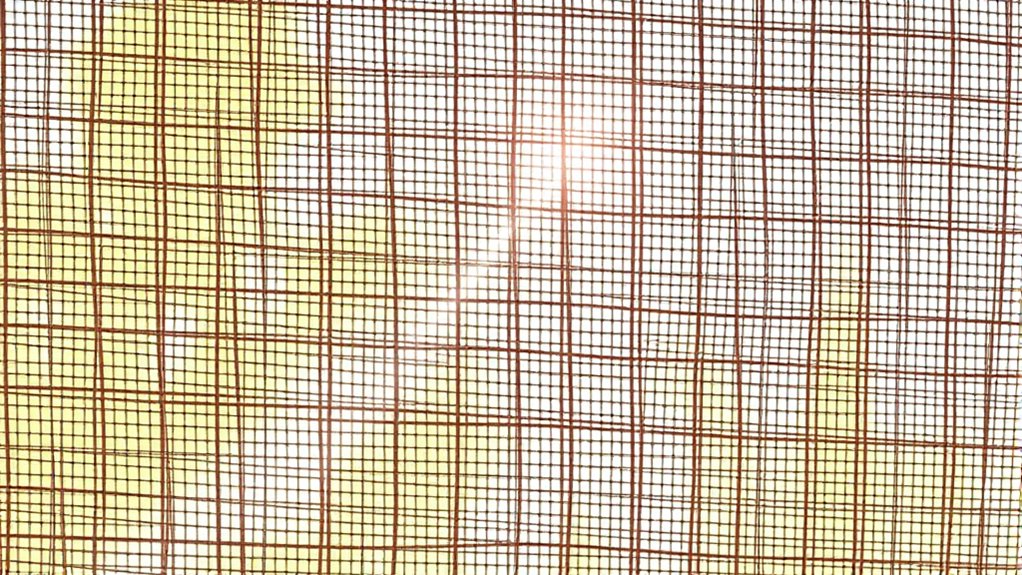
When choosing solar shades for privacy, the materials you pick play a crucial role in how well they block visibility from outside. Most effective solar shades use tightly woven polyester fabric, which balances durability and privacy by limiting see-through gaps.
Some fabrics incorporate fiberglass for added strength without sacrificing privacy. Additionally, solar shades often feature a PVC coating that enhances opacity and resists fading.
These materials work together to reduce glare and prevent outsiders from peering in during daylight. You’ll find that synthetic blends maintain their shape and privacy features better over time compared to natural fibers.
Choosing the Right Openness Factor for Solar Shades Privacy
You’ll want to understand the openness factor to find the right balance between light and privacy. Choosing the right fabric density helps control how much you see in and out.
Let’s explore how these choices affect your solar shades’ effectiveness. It’s all about finding what works best for your space and needs.
Understanding Openness Factor
Although solar shades let in natural light, their openness factor determines how much visibility you have both inside and outside. This factor refers to the percentage of open space in the fabric weave.
A lower openness factor, like 1% or 3%, means tighter weaving, offering greater privacy by limiting how much people outside can see in. A higher openness factor, such as 10% or 14%, allows more visibility and light to pass through but reduces privacy.
When choosing your solar shades, consider where you want privacy most—lower openness suits bedrooms, while higher openness works well in living rooms where you want a view. Understanding this balance helps you pick shades that meet your privacy needs without sacrificing natural light.
Balancing Light And Privacy
Deciding on the right openness factor means striking a balance between letting in natural light and maintaining your privacy. When you choose a lower openness factor, your solar shades block more outside views, giving you greater privacy but reducing the amount of light entering your room.
On the other hand, a higher openness factor lets in more daylight and preserves your view outside but offers less privacy, especially at night when indoor lights are on. To find the perfect fit, consider your room’s exposure and how much visibility you’re comfortable with.
If privacy is a priority, lean toward a tighter weave. If natural light and outdoor views matter more, pick a slightly more open fabric. This way, you can enjoy both light and privacy effectively.
Selecting Fabric Density
How do you choose the right fabric density for your solar shades to maximize privacy without sacrificing too much natural light? It’s all about the openness factor—the percentage of fabric that lets light through. Lower openness means better privacy but less light; higher openness lets in more light but reduces privacy.
Consider your needs carefully.
Here’s what to keep in mind when selecting fabric density:
- 1%-3% openness: Maximum privacy, minimal light
- 5% openness: Balanced privacy and daylight
- 10% openness: More light, moderate privacy
Also, think about your room orientation. South-facing rooms may handle lower openness better. And usage matters too—home offices might need more privacy, while living rooms could benefit from more light.
Choose a fabric density that fits your lifestyle and privacy priorities.
Tips for Installing Solar Shades for Maximum Privacy
When you install solar shades carefully, you can considerably boost your privacy without sacrificing natural light. First, measure your windows accurately to guarantee a snug fit that leaves no gaps where prying eyes can peek through.
Mount the shades inside the window frame for a sleek look or outside the frame to cover the entire window and block side views. Make sure the fabric density matches your privacy needs—higher density offers more coverage.
Also, consider installing shades on every window facing public spaces to maintain consistent privacy throughout your home. Finally, use cordless or motorized options for easy adjustment, letting you control privacy levels throughout the day.
Following these tips ensures your solar shades provide maximum privacy while still brightening your space.
Comparing Solar Shades’ Privacy Performance to Other Window Treatments
Although solar shades excel at balancing privacy and natural light, you might wonder how they compare against other window treatments. When comparing privacy performance, it’s vital to take into account visibility from outside, light control, and overall ambiance.
Solar shades uniquely balance privacy and natural light while preserving your view and ambiance.
Here’s how solar shades measure up:
- Blinds: Offer adjustable privacy but can block natural light entirely when closed.
- Curtains: Provide full privacy but often reduce daylight considerably.
- Frosted window film: Ensures complete privacy but eliminates outside views.
- Shutters: Deliver strong privacy, yet limit light and can feel bulky.
- Solar shades: Maintain outside views during the day while preventing glare and prying eyes.
You’ll find solar shades strike a unique balance. They offer daytime privacy without sacrificing your connection to the outdoors.
Frequently Asked Questions
Can Solar Shades Reduce UV Damage to Furniture?
Yes, solar shades can reduce UV damage to your furniture by blocking harmful rays. They protect fabrics, wood, and finishes from fading, helping your belongings stay vibrant and last longer.
Plus, you get to enjoy natural light comfortably without worrying about the sun ruining your stuff. It’s a simple way to keep your space looking great over time.
Are Solar Shades Energy-Efficient for Cooling Homes?
Imagine sunlight melting away before it reaches your windows. You’ll find solar shades energy-efficient for cooling homes because they block heat, reduce glare, and lower your air conditioning needs.
This saves energy and keeps you comfortably cool indoors. Pretty neat, right?
How Do Solar Shades Affect Indoor Temperature Regulation?
Solar shades help regulate indoor temperature by blocking heat and UV rays while allowing natural light.
You’ll keep your space cooler in summer and reduce glare, making your home more comfortable and energy-efficient without sacrificing brightness.
Can Solar Shades Be Customized for Unusual Window Sizes?
You’d think solar shades couldn’t fit a spaceship window, but they can absolutely be customized for unusual sizes!
You’ll get perfect coverage and style, no matter how quirky or unique your windows are.
Do Solar Shades Require Special Cleaning or Maintenance?
You don’t need special cleaning for solar shades. Just wipe them gently with a damp cloth or mild soap solution.
Avoid harsh chemicals or abrasive tools to keep them looking great and functioning properly. It’s pretty simple to keep them in good shape!
Conclusion
Solar shades skillfully strike a stunning balance between shielding your space and letting sunlight stream in. By picking the perfect openness factor and placing them properly, you’ll protect your privacy without plunging your room into darkness.
Crafted with clever, cutting-edge materials, these shades shift their show from day to night, keeping prying eyes at bay. So, savor the seamless synergy of style, shade, and security that solar shades bring to your sanctuary.
When it comes to privacy, solar shades are a smart choice. They allow you to enjoy natural light while blocking views from outside, making your home feel safe and cozy. Plus, their modern design adds a stylish touch without sacrificing function. In short, solar shades provide the perfect mix of privacy, light control, and energy efficiency—turning your space into a comfortable, private retreat.